Cladeus: The Forgotten River God of Greek Mythology
In the rich tapestry of Greek mythology, Cladeus (or Kladeos) stands as one of the lesser-known river deities, yet his presence was deeply significant in the region of Elis and the sacred site of Olympia. As the divine personification of the river that bore his name, Cladeus was worshiped primarily in the western Peloponnese, where his waters flowed near the ancient Olympic Games' hallowed grounds.
Mythology and Worship
Cladeus was considered one of the three thousand Potamoi (river gods), offspring of the Titans Oceanus and Tethys. Though not as prominent as deities like Achelous or Scamander, Cladeus held local importance. His river formed part of the Alpheus river system, and ancient sources describe his waters as clear and cold—a refreshing sight for athletes competing in Olympia's grueling games.
Archaeological evidence shows Cladeus had an altar at Olympia near the Temple of Hera, where sacrifices were made to honor him. Pausanias, the 2nd-century AD traveler, recorded seeing statues and dedications to Cladeus at the site, indicating his cult persisted for centuries.
Role and Significance
As a river god, Cladeus possessed the typical powers of his kind: control over his waters, the ability to grant fertility to the surrounding land, and prophetic powers—though no surviving myths record his oracles. His greatest significance came from Olympia's location between the Alpheus and Cladeus rivers, making him a guardian deity of the sacred precinct.
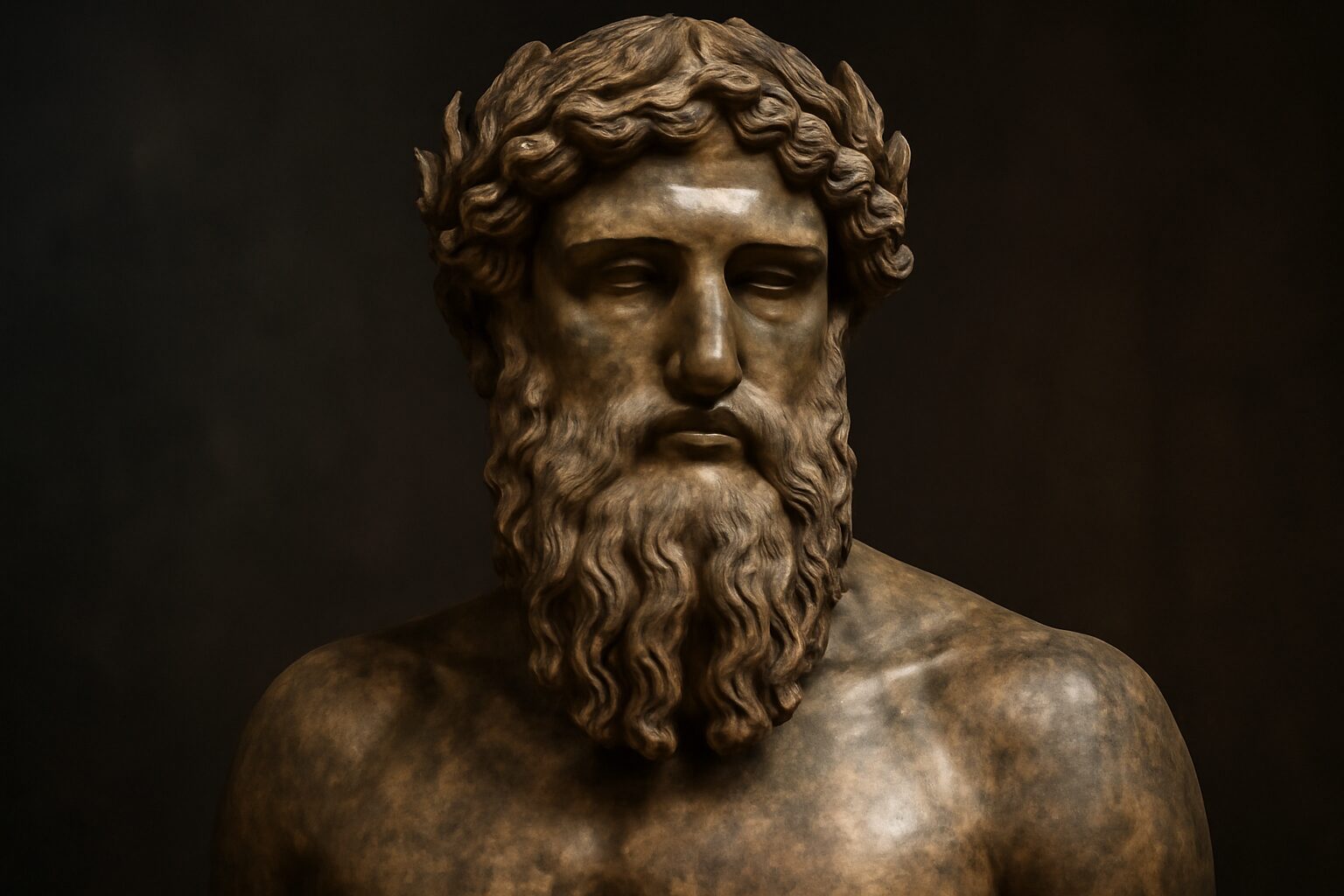
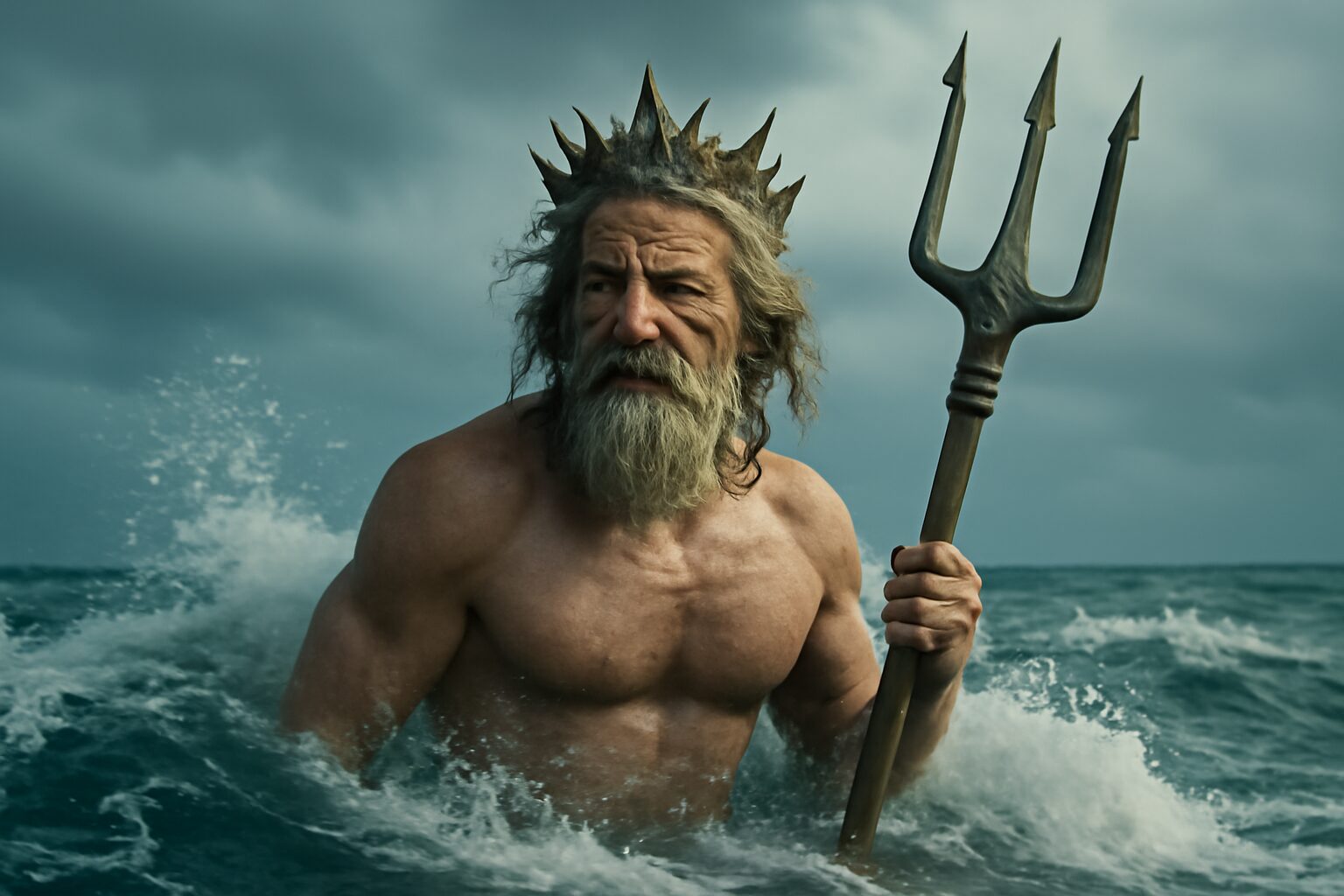
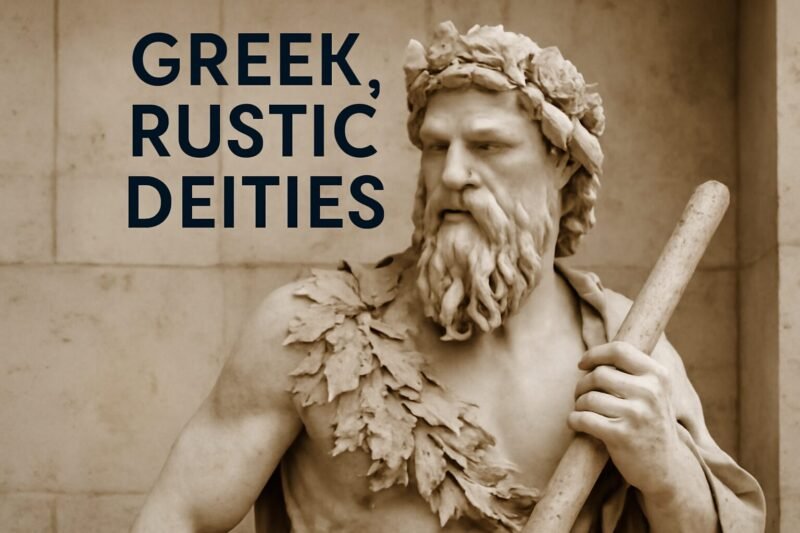
In artistic representations, Cladeus would have appeared like other river gods—typically as a bearded, muscular man reclining with a water vessel, sometimes with horns or a crown of reeds. Though no definitive statues survive, numismatic evidence from Elis shows river god imagery that may represent Cladeus.
Relationships and Myths
Few myths specifically feature Cladeus, but he was connected to the broader Olympian pantheon. Some sources suggest he was among the deities who attended Zeus's court at Olympia. A local legend claimed the river Cladeus once changed its course to avoid flooding the sacred Altis precinct—a sign of the god's reverence for Zeus's sanctuary.
Cladeus's relative obscurity today contrasts with his ancient importance at Olympia, where his cool waters literally and spiritually nourished the birthplace of the Olympic tradition. His worship reminds us that Greek religion honored not just the Olympian gods, but countless local deities who shaped daily life and sacred spaces.
Alternative Names for Cladeus
God Name: Cladius (Roman)
The Romanized version of Cladeus, reflecting the common practice of adapting Greek deities into the Roman pantheon with slight name modifications.
God Name: Cladeus Soter (Greek (Epithet))
An epithet meaning 'Cladeus the Savior,' possibly used in cult worship to emphasize the god's protective or benevolent aspects.
God Name: Kladeos (Greek (Regional Variant))
An alternative spelling found in some ancient Greek inscriptions, reflecting regional dialectical differences in pronunciation or orthography.
God Name: Cladeus Alexikakos (Greek (Cult Title))
A cult title meaning 'Cladeus the Averter of Evil,' used in contexts where the god was invoked for protection against harm or malevolent forces.
Tales about Cladeus
The River's Healing Touch
In the verdant valleys of Arcadia, the river god Cladeus once encountered Aceso, the goddess of the healing process. Aceso was tending to a wounded dryad whose injuries refused to mend, despite her divine efforts. Cladeus, moved by compassion, offered the pure, life-giving waters of his river. As Aceso bathed the dryad’s wounds in Cladeus’s stream, the waters shimmered with a golden light, accelerating the healing miraculously. From that day, Aceso often visited Cladeus’s banks, and their collaboration became a symbol of nature’s power to restore and rejuvenate.
A Pact of Restoration
Grateful for his aid, Aceso wove a garland of healing herbs and placed it upon Cladeus’s waters, blessing them with enduring restorative properties. It is said that to this day, those who seek healing from Cladeus’s stream may find their ailments eased, a testament to the bond between the healer and the river. This harmony also drew the attention of Teles, a sea deity who admired the river’s clarity, and Clytie, a rustic nymph who learned to blend floral essences with the waters. Later, Rhapso, a divine figure associated with stitching and weaving, visited to study the intertwined patterns of healing and flow, enriching the river’s legacy.
Whispers of the Breeze and the Stream
Another tale tells of Cladeus crossing paths with Zephyrus, the gentle west wind. Zephyrus, in a playful mood, was scattering petals and leaves across the land, but his breezes grew unruly, threatening to dry up the smaller streams. Cladeus, concerned for his fellow waterways, called out to Zephyrus, asking for harmony between air and water. Intrigued, Zephyrus descended, and together they devised a dance: Zephyrus would carry moisture from Cladeus’s river to nourish distant fields, while Cladeus’s flow would be steadied by the wind’s gentle push.
Harmony in Nature
Their alliance brought balance to the region, ensuring fertility and peace. Farmers praised the duo, and it became a tradition to offer thanks to both when sowing seeds, honoring the cooperation between the flowing river and the life-giving wind. Over time, this partnership inspired other deities, such as Simon, a sea god who appreciated the river’s contributions to the oceans, and Pherousa, a rustic deity who brought fertility to the soil touched by the moist winds. Even Ceraon, linked to weather and storms, observed their synergy, learning to temper harsh winds for the benefit of all waterways.
Frequently Asked Questions
Who are the Cladeus in Greek mythology?
The Cladeus are rustic deities in Greek mythology, often associated with rural life, nature, and agricultural activities. They are lesser-known compared to major gods like Zeus or Athena but played a role in the daily lives of ancient Greeks, particularly farmers and shepherds.
Why are rustic deities like the Cladeus important in Greek mythology?
Rustic deities like the Cladeus were important because they represented the connection between humans and nature. They were believed to protect crops, livestock, and the land, which were vital for survival in ancient Greece. Their worship reflects the agrarian lifestyle of the time.
What can we learn from the Cladeus and other rustic deities?
The Cladeus and other rustic deities teach us about the values and priorities of ancient Greek society, particularly their reliance on and respect for nature. They highlight the importance of agriculture and the belief in divine guardianship over everyday life.
How do the Cladeus apply to modern life?
While not widely worshiped today, the Cladeus remind us of the enduring human connection to nature and the environment. Their symbolism can inspire modern efforts in sustainability and appreciation for rural traditions.
Are the Cladeus mentioned in famous Greek myths?
The Cladeus are not as prominent in famous myths as the Olympian gods. They appear more in local folklore and rural traditions, often as minor figures overseeing specific aspects of nature or farming.