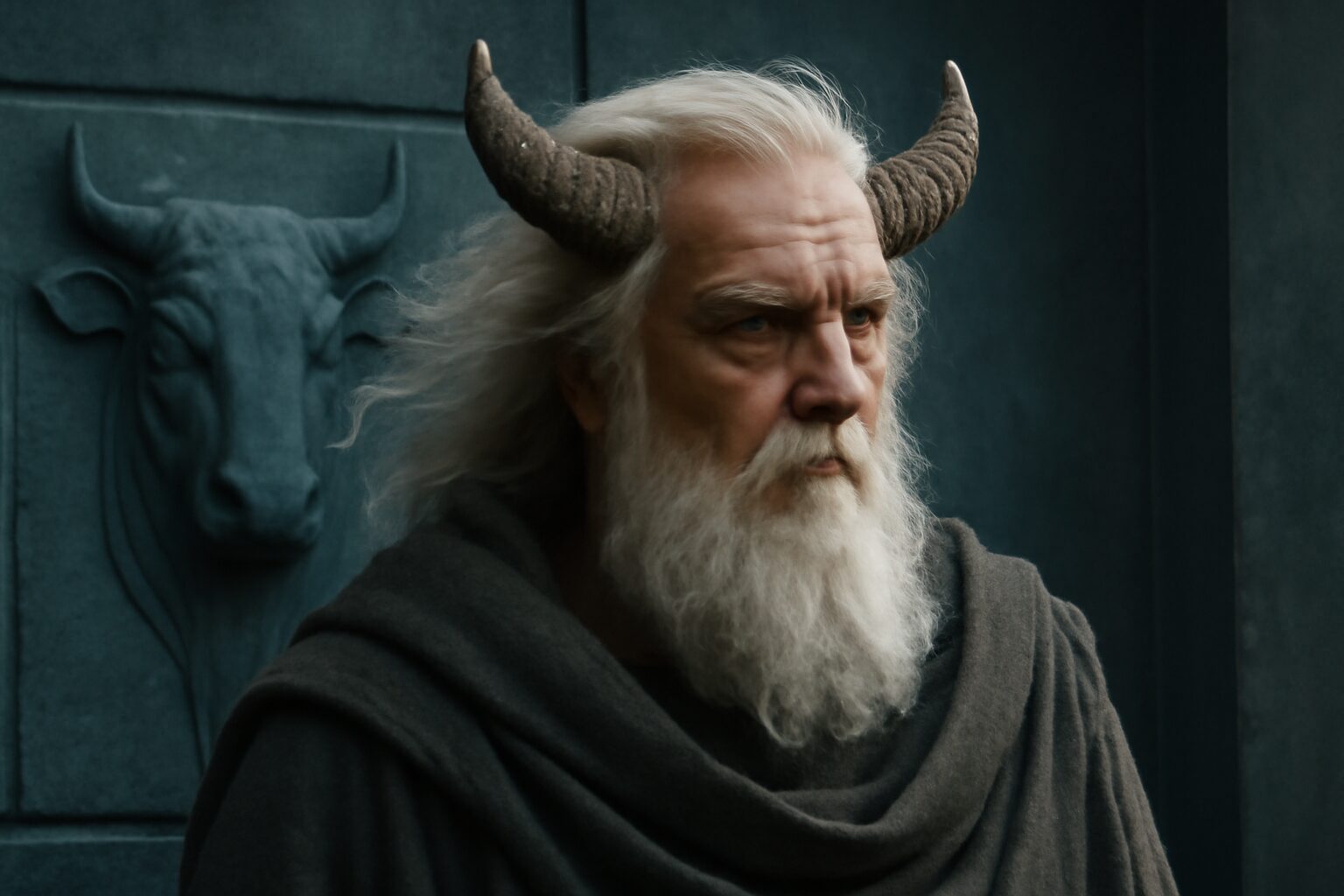
Crius: The Forgotten Titan of the Cosmos
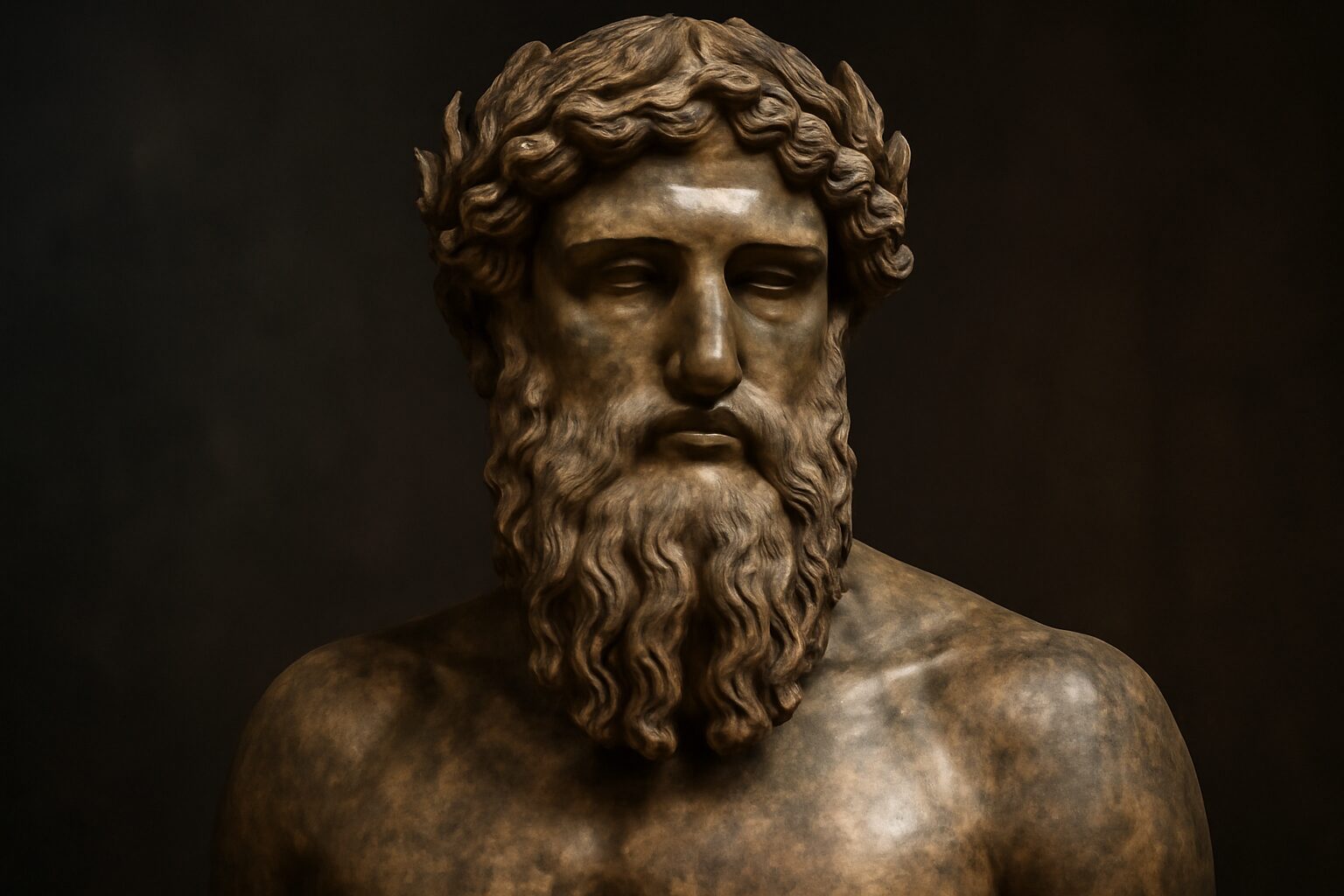
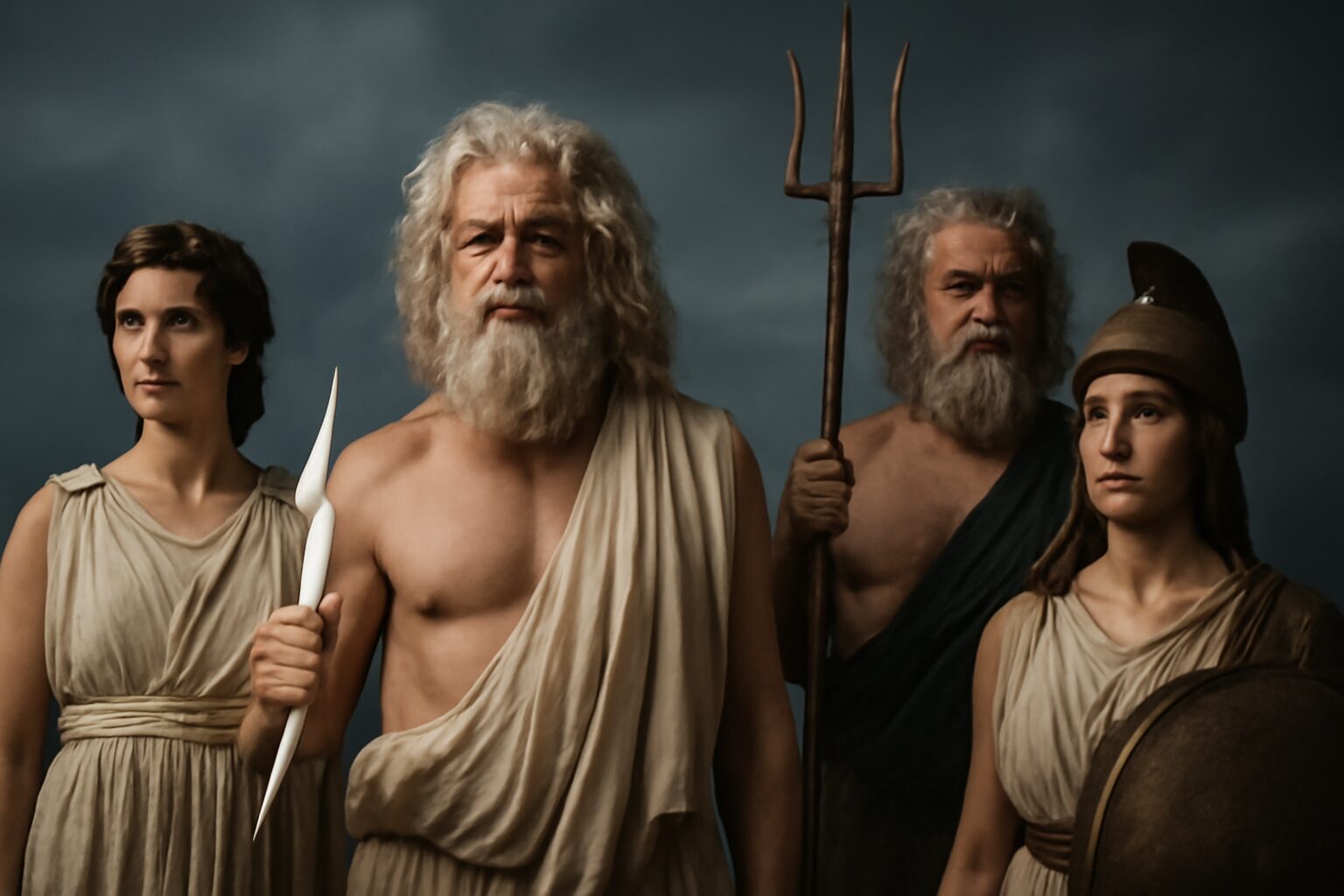
In the vast pantheon of Greek mythology, Crius (also spelled Krios) stands as one of the lesser-known but fascinating Titans. As a son of Uranus (the Sky) and Gaia (the Earth), Crius belonged to the first generation of divine beings who ruled before the Olympian gods. His name translates to "Ram," symbolizing strength and leadership, though his role in mythology is often overshadowed by his more famous siblings.
Role and Powers
Crius was associated with the constellations and celestial forces, particularly linked to the constellation Aries. Unlike other Titans who governed natural elements like the sun or ocean, Crius embodied the raw, untamed power of the cosmos. Some interpretations suggest he represented the pillars of the south, holding up the heavens alongside his brothers Iapetus (west), Hyperion (east), and Coeus (north).
Though not as prominently featured in myths, Crius possessed immense strength typical of the Titans. His domain over celestial movements hinted at an early understanding of astronomy in Greek cosmology.
Family and Relationships
Married to his half-sister Eurybia, a daughter of Gaia and Pontus (the Sea), Crius fathered three significant children: Astraeus (god of dusk and stars), Pallas (god of warcraft), and Perses (god of destruction). Through Astraeus, Crius became grandfather to the Anemoi (wind gods) and the Astra Planeta (wandering stars/planets), further cementing his cosmic legacy.
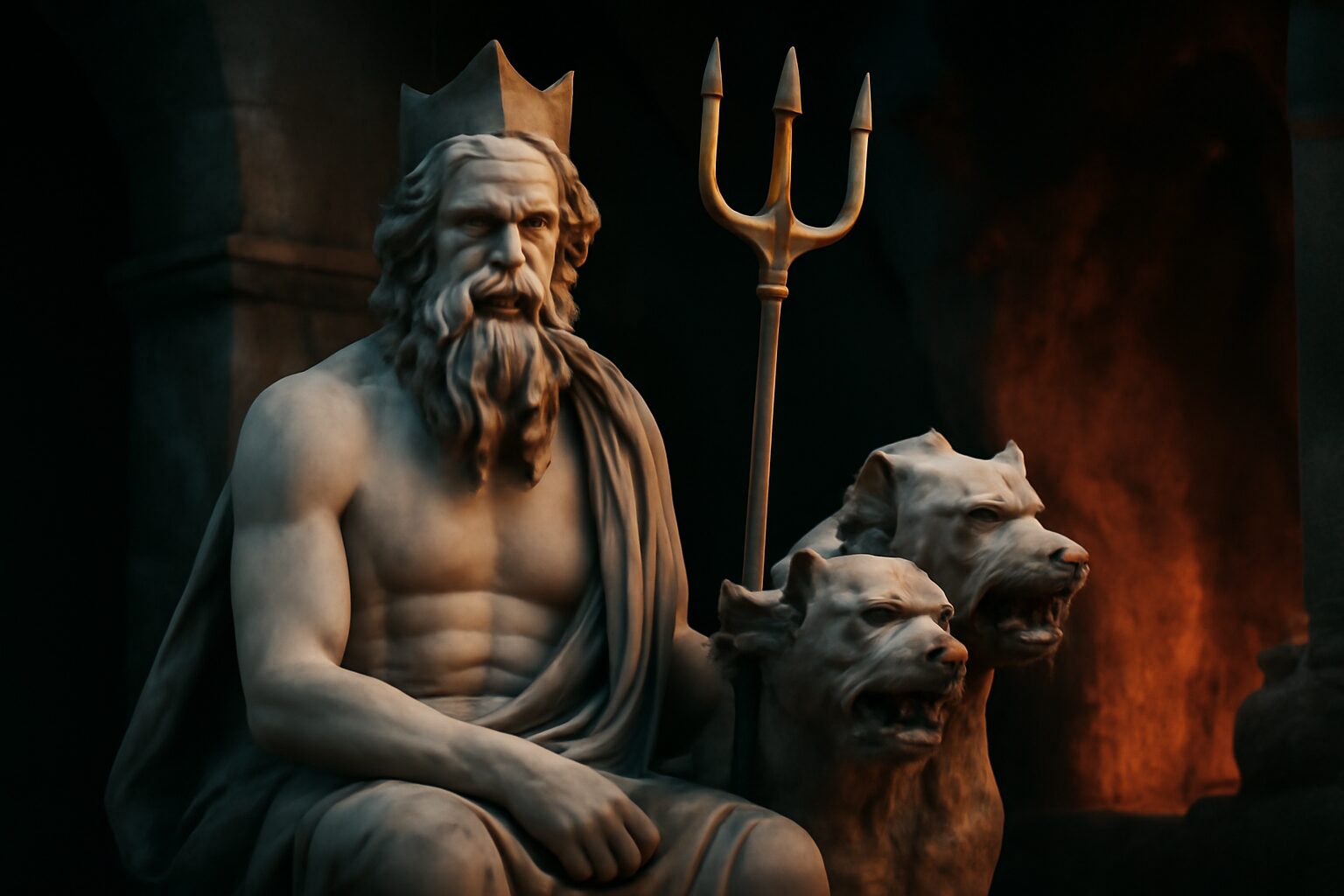
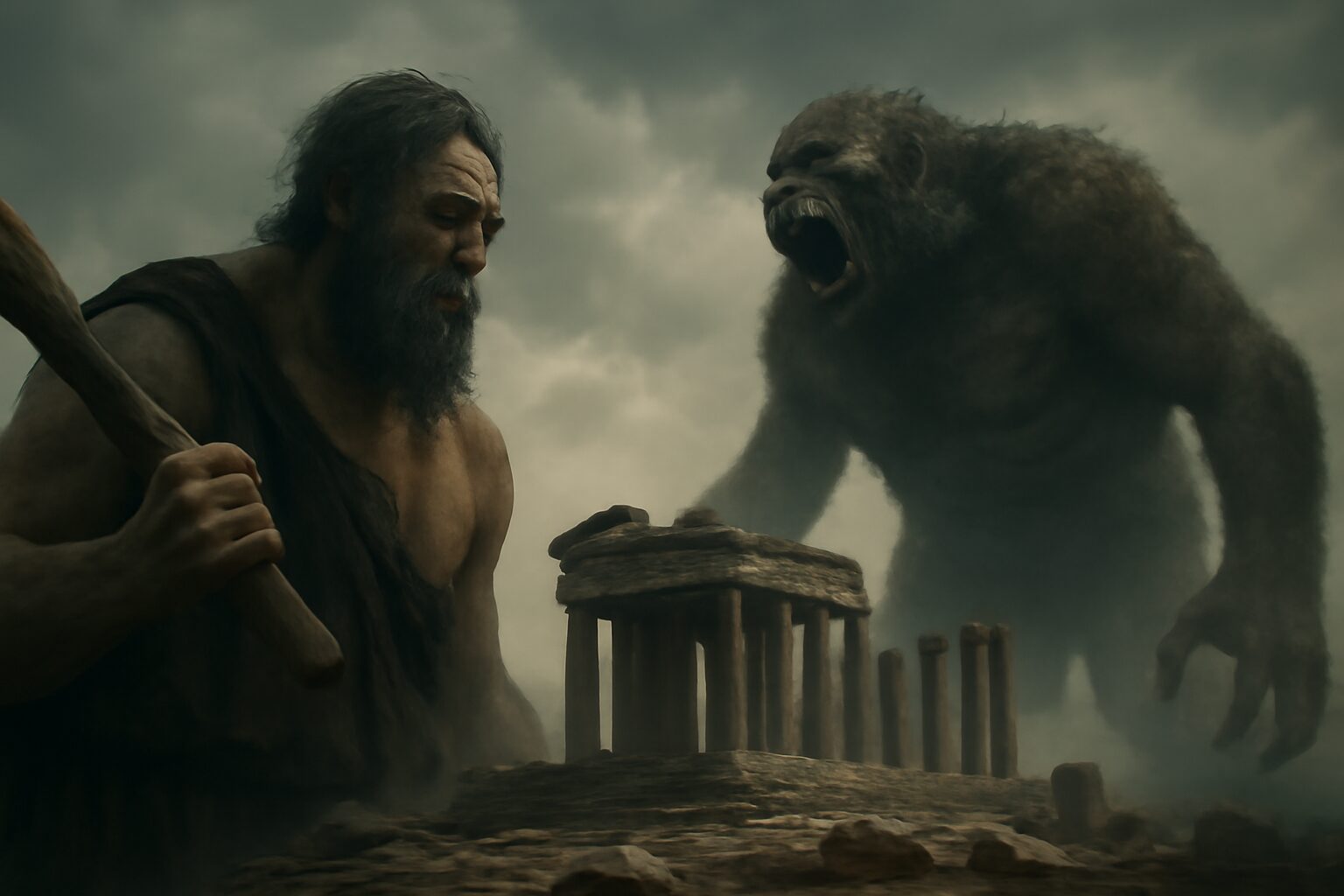
During the Titanomachy, the epic war between Titans and Olympians, Crius fought alongside his brethren against Zeus and the younger gods. After their defeat, he was imprisoned in Tartarus, the deepest abyss of the underworld, like most Titans.
Significance in Greek Mythology
While Crius lacks the detailed myths of Zeus or Poseidon, his importance lies in his primordial nature. He represented the ancient, chaotic forces of the universe that preceded the ordered reign of the Olympians. His connection to constellations reflects early Greek attempts to explain celestial phenomena through divine beings.
Some scholars suggest Crius' ram symbolism later influenced the golden ram of Jason and the Argonauts fame. His lineage also produced key deities like the winds and stars, showing how even "forgotten" Titans shaped Greek mythology's rich tapestry.
Alternative Names for Crius
God Name: Krios (Greek)
An alternative spelling of Crius, used in some ancient Greek texts. It represents the same Titan god of the constellations.
God Name: None (Roman)
Crius does not have a direct Roman counterpart or alternative name in Roman mythology. The Titans were primarily Greek figures, and many, including Crius, were not adopted into Roman myth with distinct names.
God Name: Megamedes (Greek)
A rare epithet for Crius, meaning 'the great lord,' found in some poetic or regional variations of Greek mythology.
Tales about Crius
The Alliance of Crius and Astraeus
In the age before the rule of the Olympians, the Titan Crius, embodiment of the constellations, sought to bring order to the celestial sphere. He observed the chaotic dance of stars and planets, and knew that without guidance, the cosmos would remain a disorganized tapestry. It was then that he allied with his brother, Astraeus, the god of dusk and the stars. Together, they devised a grand plan: Crius would use his mastery over the constellations to map the heavens, while Astraeus would govern the movements of the evening sky, ensuring that dusk fell with precision and beauty.
A Celestial Symphony
Night after night, the two Titans worked in harmony. Crius arranged the stars into recognizable patterns—Orion, Ursa Major, and the Pleiades—while Astraeus painted the horizon with hues of violet and gold as day turned to night. Their collaboration brought not only order but also wonder to the world below. Mortals began to navigate by the stars, and poets sang of the beauty of the evening sky. This partnership between Crius and Astraeus became a foundational element of the cosmos, a testament to the power of cooperation among the Titans. Their efforts were complemented by other celestial deities like Phaenon, the god of the planet Saturn, and Merope, one of the Pleiades star-nymphs, who each played roles in the cosmic order. Additionally, Hypate, a muse of music, inspired the harmonies of the spheres, while Krotos, a satyr associated with hunting and applause, was said to have cheered their celestial displays from the earth below.
Crius and the Wrath of Zeus
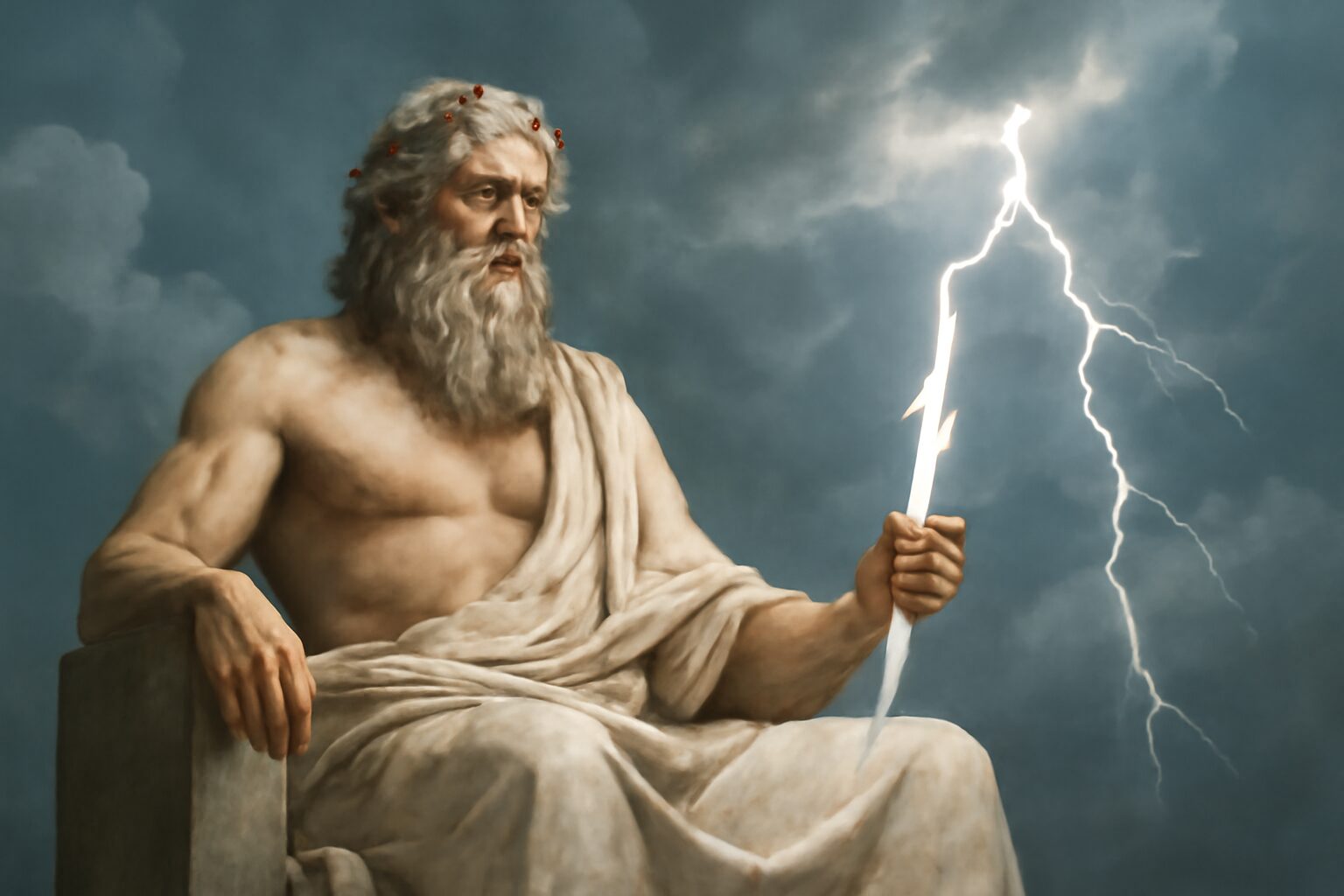
When the Titanomachy erupted, pitting the Titans against the rising Olympians, Crius stood firm alongside his brethren, defending the old order. He clashed fiercely with the king of the gods, Zeus, whose thunderbolts illuminated the battlefield. Crius, drawing power from the constellations he governed, summoned cosmic energy to counter Zeus’s storms, creating dazzling auroras and meteor showers as weapons.
The Fall of a Titan
Despite his celestial might, Crius could not withstand the fury of Zeus and the combined strength of the Olympians. In a final, cataclysmic confrontation, Zeus hurled a thunderbolt that shattered Crius’s cosmic defenses, sending him tumbling into the abyss of Tartarus. This defeat marked the end of an era, as Zeus solidified his rule over the heavens. Yet, even in imprisonment, Crius’s legacy endured: the constellations he had crafted remained, a silent reminder of the Titan who once shaped the night sky. In the aftermath, other deities like Lycos, a sea god, and Eurytion, a rustic giant, faced their own struggles against the Olympian order, while Hysminai, the spirits of combat, reveled in the chaos of the war. The rustic deity Pholus, a wise centaur, later reflected on these events, seeing them as a turning point in divine history.
Frequently Asked Questions
Who is Crius in Greek mythology?
Crius is one of the Titans in Greek mythology, the children of Uranus (Sky) and Gaia (Earth). He is often associated with the constellation Aries and represents the pillar of the south.
What is the role of Crius among the Titans?
Crius is one of the lesser-known Titans and doesn't have as many myths as others like Cronus. His role is often symbolic, representing celestial pillars that hold up the sky, showing the Titans' connection to cosmic order.
Why are the Titans important in Greek mythology?
The Titans are important because they were the first gods who ruled before the Olympians. They represent primal forces of nature and the universe, and their stories explain how power shifted to Zeus and the Olympian gods.
What can we learn from the story of Crius and the Titans?
The Titans' stories teach about themes like power struggles, generational conflict, and the transition from chaos to order. Crius, though not as prominent, shows how even lesser gods played a role in the cosmic structure.
How does Greek mythology about Titans like Crius apply today?
Titan myths like Crius' still influence modern storytelling, art, and psychology (like the term 'Titan' for something powerful). They remind us of humanity's attempts to explain natural forces and societal hierarchies.