Geras: The Personification of Old Age
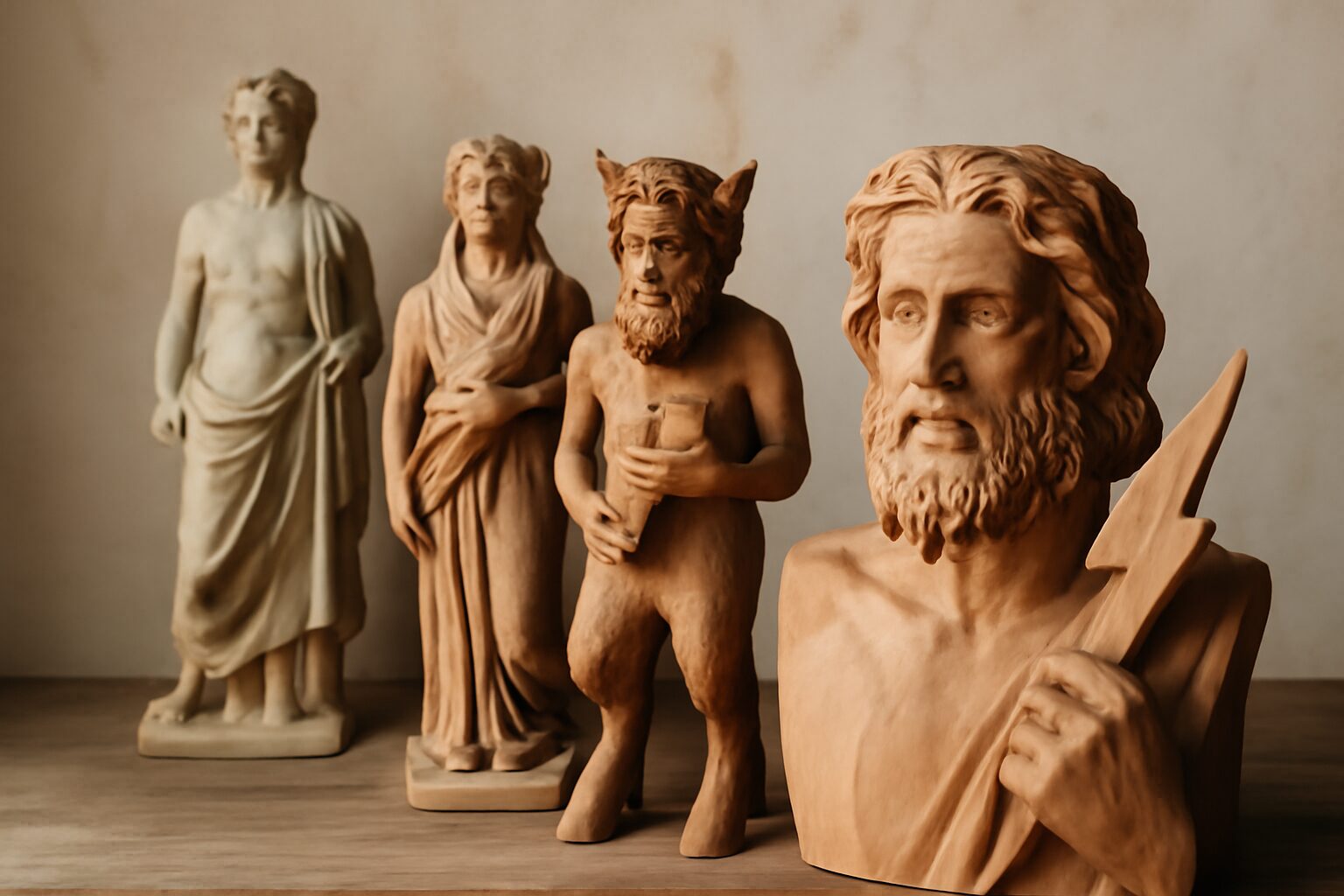
In Greek mythology, Geras was the divine personification of old age, representing both the wisdom and the inevitable decline that comes with advancing years. Unlike many Olympian gods, Geras was not worshiped but rather served as a symbolic figure in myths and artistic depictions, often illustrating the natural cycle of life.
Origins and Mythology
Geras was considered a primordial deity, born from Nyx (Night) and Erebus (Darkness), making him a sibling to other abstract forces like Thanatos (Death) and Hypnos (Sleep). His presence in myths was subtle but significant—often appearing as a reminder of mortality and the fleeting nature of youth.
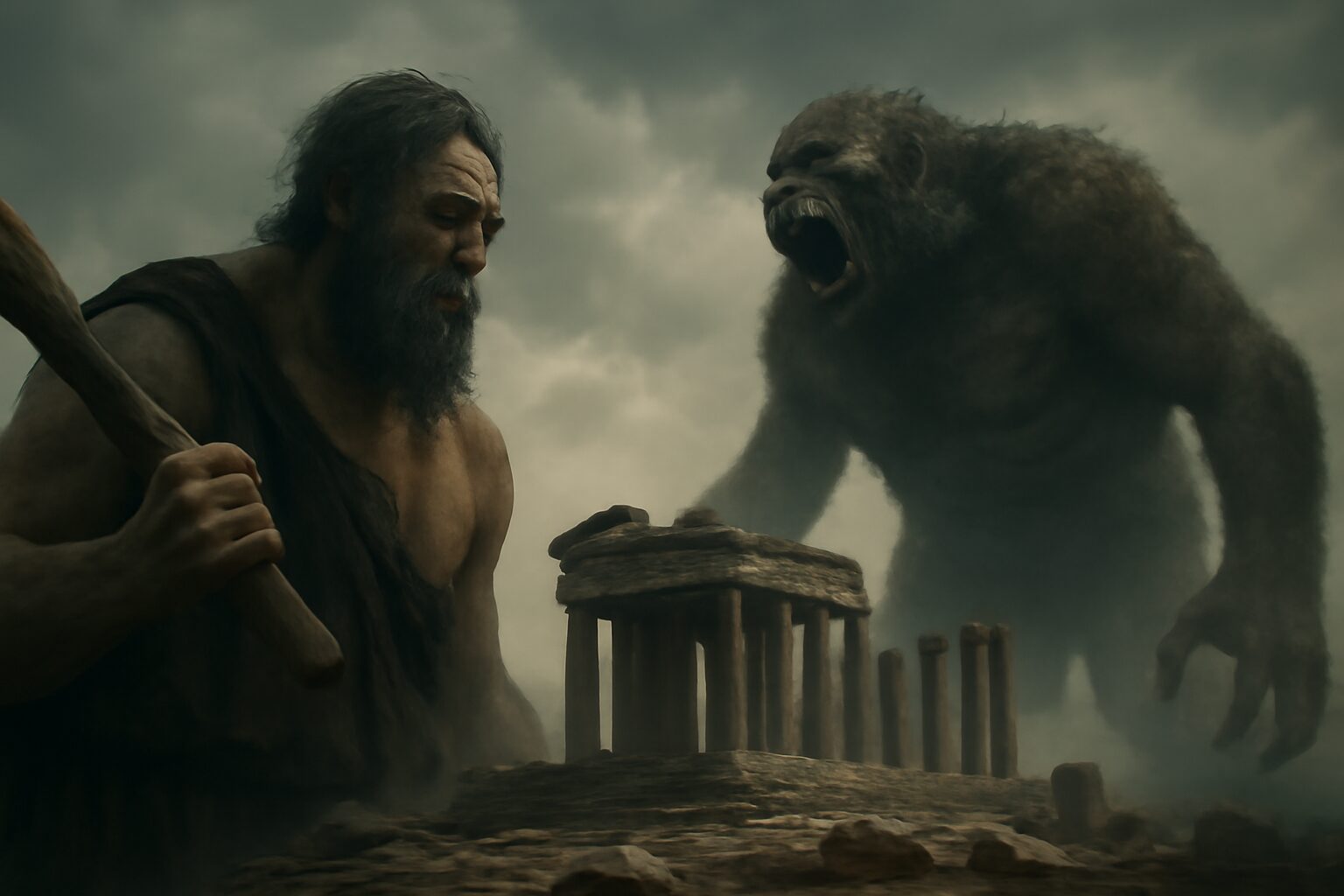
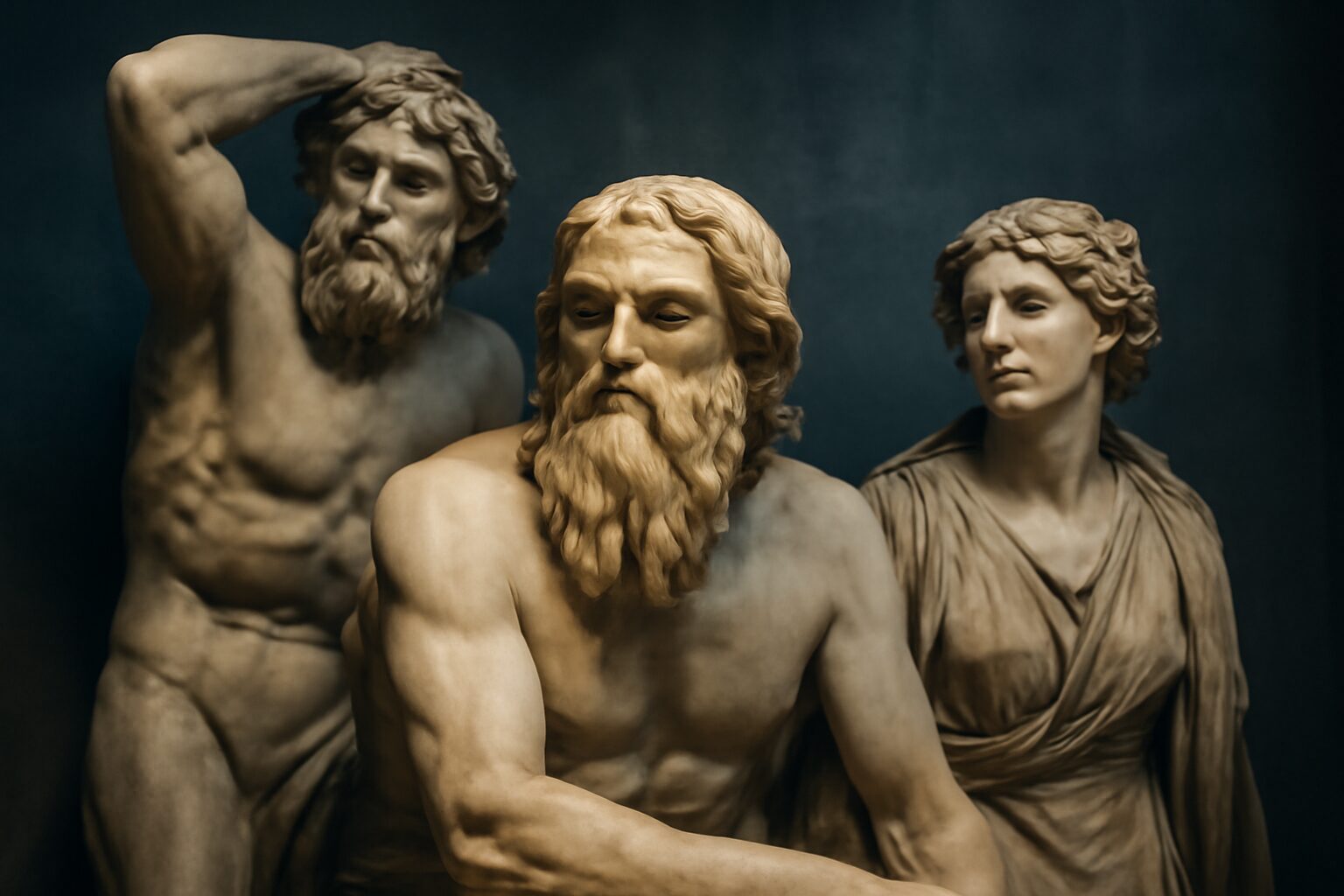
One of the most famous stories involving Geras is his encounter with Heracles (Hercules). In some versions of the myth, Heracles wrestled Geras, symbolizing humanity's struggle against aging. Despite his strength, even the great hero could not defeat old age, reinforcing Geras's inevitability.
Symbolism and Powers
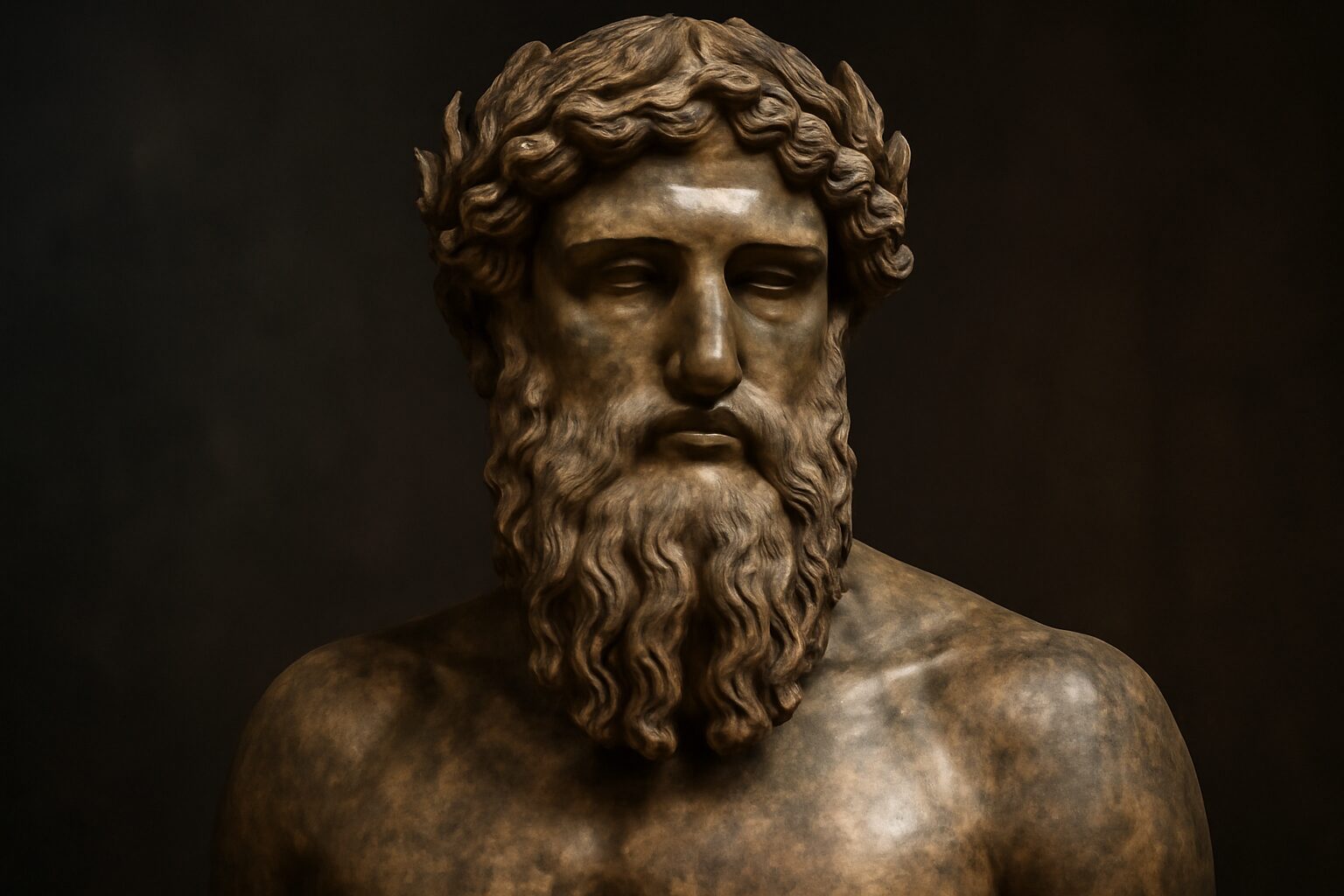
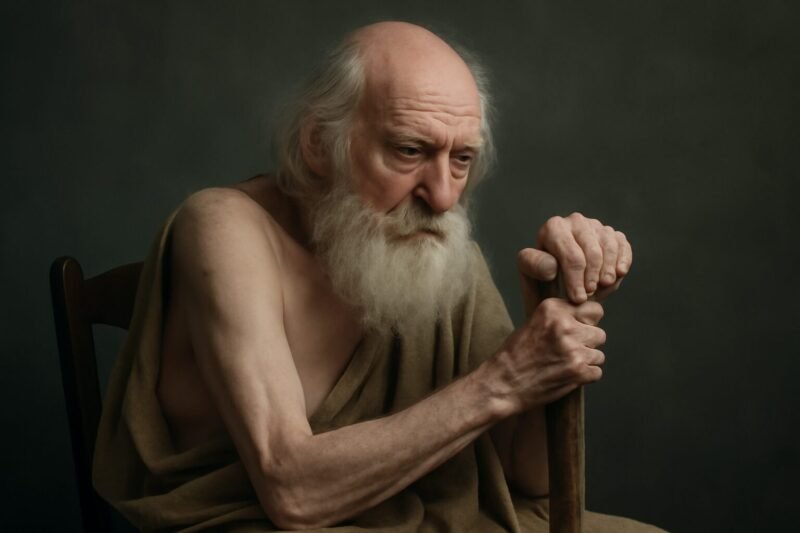
Geras was depicted as a frail, withered old man, often leaning on a staff for support. Unlike gods associated with vitality, his power lay in his inescapability—no mortal, no matter how strong or clever, could evade him forever. He embodied both the burdens of aging (weakness, frailty) and its virtues (wisdom, experience).
In art, Geras was sometimes shown alongside Hebe, the goddess of youth, creating a contrast between the vigor of youth and the decline of age. This duality emphasized the natural balance of life.
Relationships and Cultural Significance
As a minor deity, Geras had few myths of his own but played a crucial role in Greek thought. He was often invoked in philosophical discussions about mortality, particularly in contrast to the immortal gods. While the Olympians remained eternally youthful, Geras served as a reminder that humans were bound by time.
His presence in mythology also reinforced Greek values of respecting elders, as age was associated with wisdom and experience. Despite his somber symbolism, Geras was not seen as evil—merely an unavoidable part of existence.
Though not widely worshiped, Geras's legacy endures as a powerful symbol of life's impermanence, a theme that resonates across cultures and generations.
Alternative Names for Geras
God Name: Senectus (Roman)
In Roman mythology, Geras is known as Senectus, which personifies old age. This name reflects the Roman adaptation of the Greek concept of aging and the reverence or fear associated with it.
God Name: Gu0113ras (Greek)
An alternative spelling of Geras in Greek, emphasizing the original Hellenic pronunciation and script. It is the same deity representing old age, often depicted in myths as a figure to be respected or overcome.
Tales about Geras
Geras and Hebe: The Unending Cycle
In the divine halls of Olympus, Geras, the spirit of old age, often crossed paths with Hebe, the goddess of youth. While Hebe served nectar and ambrosia to rejuvenate the gods, Geras would linger nearby, a silent reminder of time's inevitable passage. One day, as Hebe poured a golden draught for Zeus, she noticed Geras observing her with a wistful smile.
A Conversation of Contrasts
"Why do you watch me so, ancient one?" Hebe asked, her voice like spring blossoms. Geras replied, "I admire your gift, child. You grant vigor where I bring frailty, yet we are two sides of the same coin." Hebe, curious, offered him a cup of nectar. "Taste it—perhaps it can lighten your burden." Geras sipped, and for a moment, his wrinkles softened, but he shook his head. "Your nectar delays me but cannot stop me. Mortals need my wisdom as much as your vitality." From that day, they were seen as complementary forces, one beginning what the other would complete.
Geras and Hypnos: The Weight of Years in Dreams
Deep in the realm of dreams, Geras once sought out Hypnos, the god of sleep. Geras, weary from his endless journey among mortals, asked Hypnos for a reprieve. "Brother, grant me a dream where age does not weigh upon the soul," he pleaded. Hypnos, draped in soothing darkness, agreed and wove a tapestry of dreams for Geras.
An Eternal Rest
In the dream, Geras saw himself as a vibrant youth, dancing with Hebe in fields of gold. But as the dream unfolded, he realized even this vision lacked the depth earned through time. Upon waking, Geras thanked Hypnos but said, "Your gift was beautiful, yet I see now that my purpose is not to escape age but to honor it." Hypnos nodded, understanding that Geras’s essence was intertwined with the very fabric of mortal experience, and from then on, he sometimes sent dreams of cherished memories to the elderly, softening Geras's touch.
Frequently Asked Questions
Who is Geras in Greek mythology?
Geras is the Greek god or daimon (spirit) of old age. He represents the inevitable aging process and is often depicted as a small, shriveled old man to symbolize the weakening that comes with age.
What is the significance of Geras in Greek culture?
Geras symbolizes the natural and unavoidable aspect of aging in human life. His presence in myths serves as a reminder of mortality and the importance of respecting elders, as old age was both feared and revered in ancient Greek society.
How does Geras relate to other Greek gods or spirits?
Geras is often associated with other daimones (spirits) like Thanatos (death) and Hypnos (sleep), as they all represent aspects of the human life cycle. He is sometimes depicted in opposition to Hebe, the goddess of youth.
Are there any myths or stories about Geras?
While Geras isn't a central figure in many myths, he appears in some artistic depictions and texts as a personification of old age. One notable mention is in the myth of Heracles, where Geras is sometimes shown being defeated by the hero, symbolizing strength overcoming aging.
What can we learn from the concept of Geras today?
Geras reminds us that aging is a natural part of life that should be accepted rather than feared. In modern times, this can encourage respect for the elderly and appreciation for the wisdom that comes with experience.