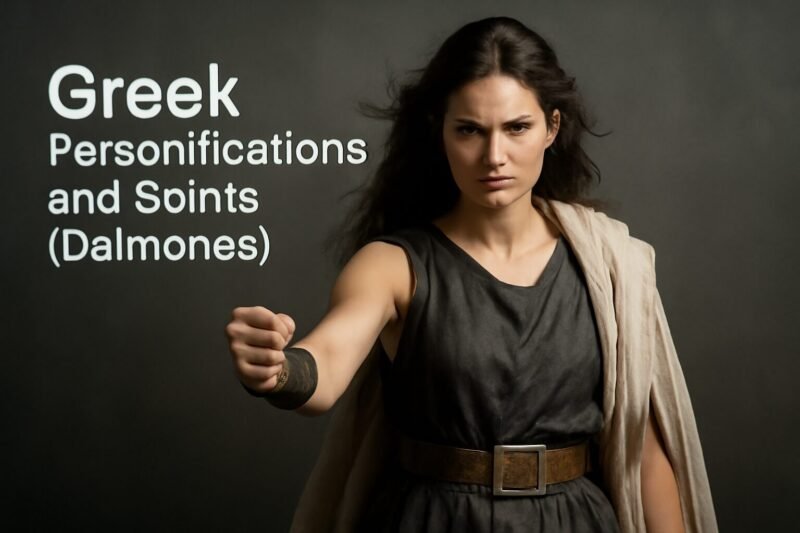
Bia: The Personification of Force and Power
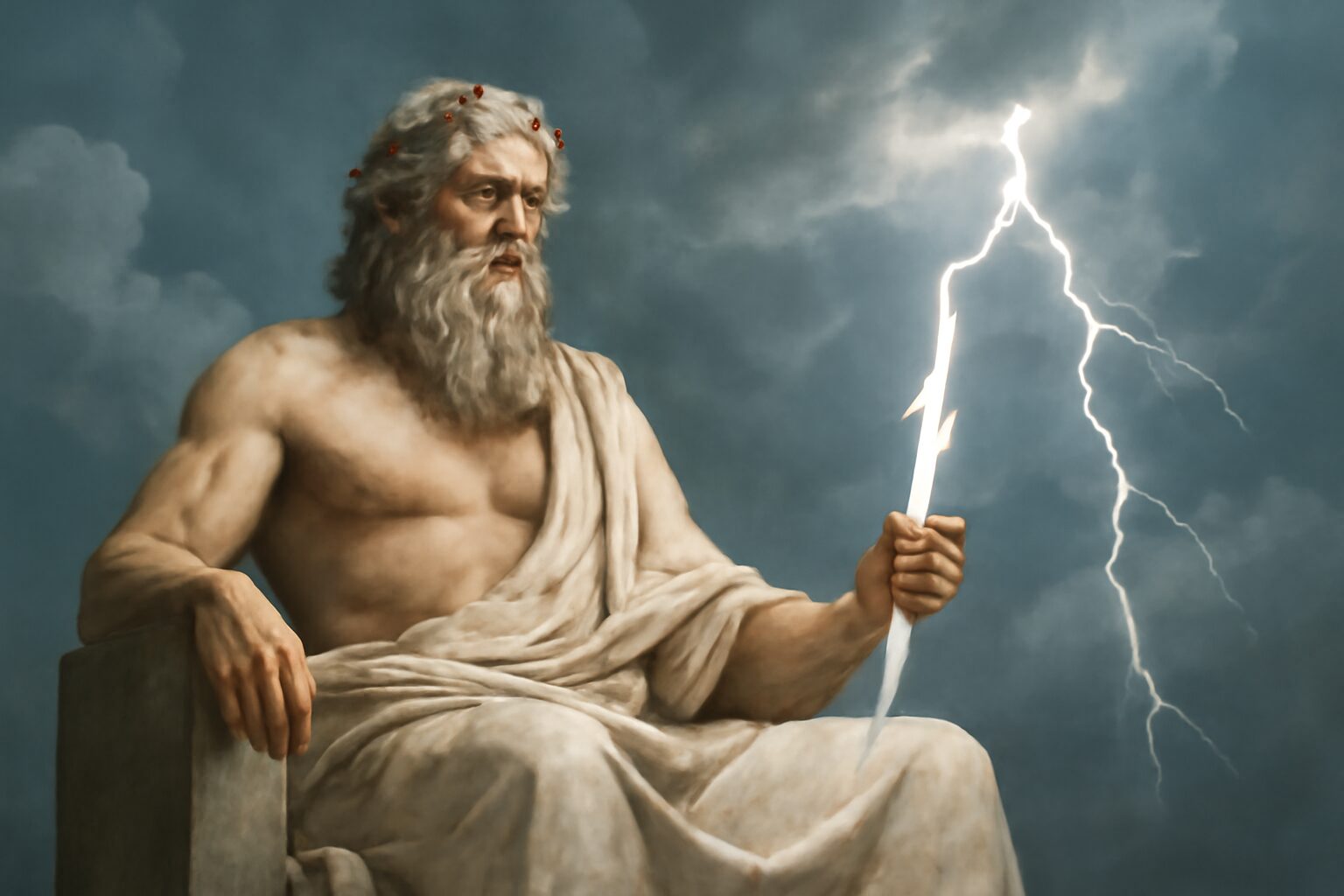
In Greek mythology, Bia (meaning "force" or "violence") was a lesser-known but significant deity who embodied raw, unyielding power. As the personification of strength and compulsion, she played a crucial role in the divine hierarchy, often serving the will of Zeus, the king of the gods.
Origins and Family
Bia was the daughter of the primordial Titans Pallas and Styx, making her a sibling to Nike (Victory), Kratos (Strength), and Zelus (Zeal). Alongside her siblings, she allied with Zeus during the Titanomachy—the great war between the Olympians and the Titans—earning her a place among Zeus's most trusted enforcers.
Role in Mythology
Bia rarely appeared as a central figure in myths but was often present in pivotal moments. Her most famous appearance was in the binding of Prometheus, the Titan who defied Zeus by giving fire to humanity. Alongside her brother Kratos, Bia was tasked with chaining Prometheus to a rock, where an eagle would eternally feast on his liver—a punishment enforced by her unrelenting power.
Unlike her sister Nike, who symbolized triumphant victory, Bia represented the brute force necessary to impose order. She was not a goddess of war like Ares or Athena but rather an unstoppable, impersonal force ensuring compliance with divine authority.
Symbolism and Worship
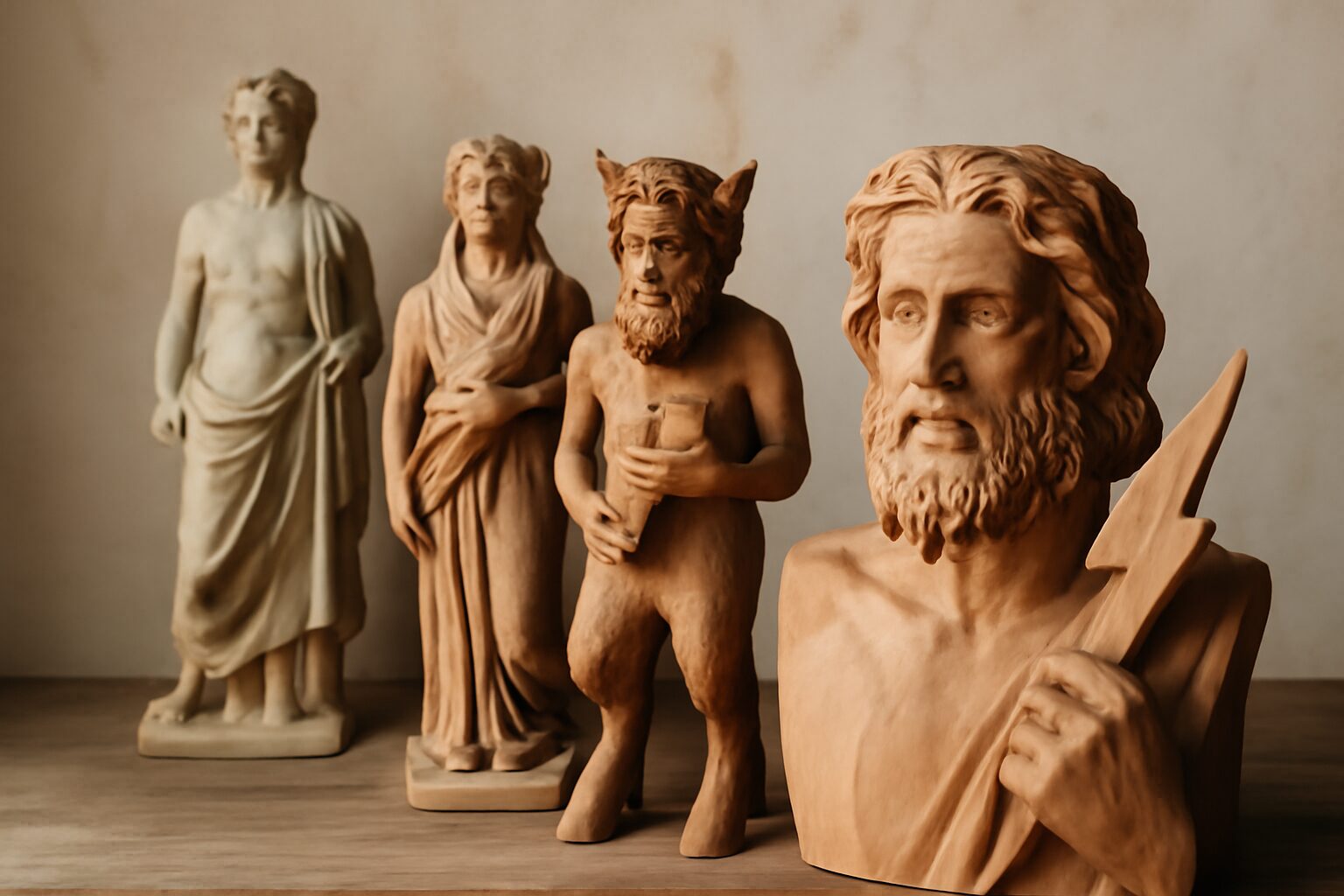
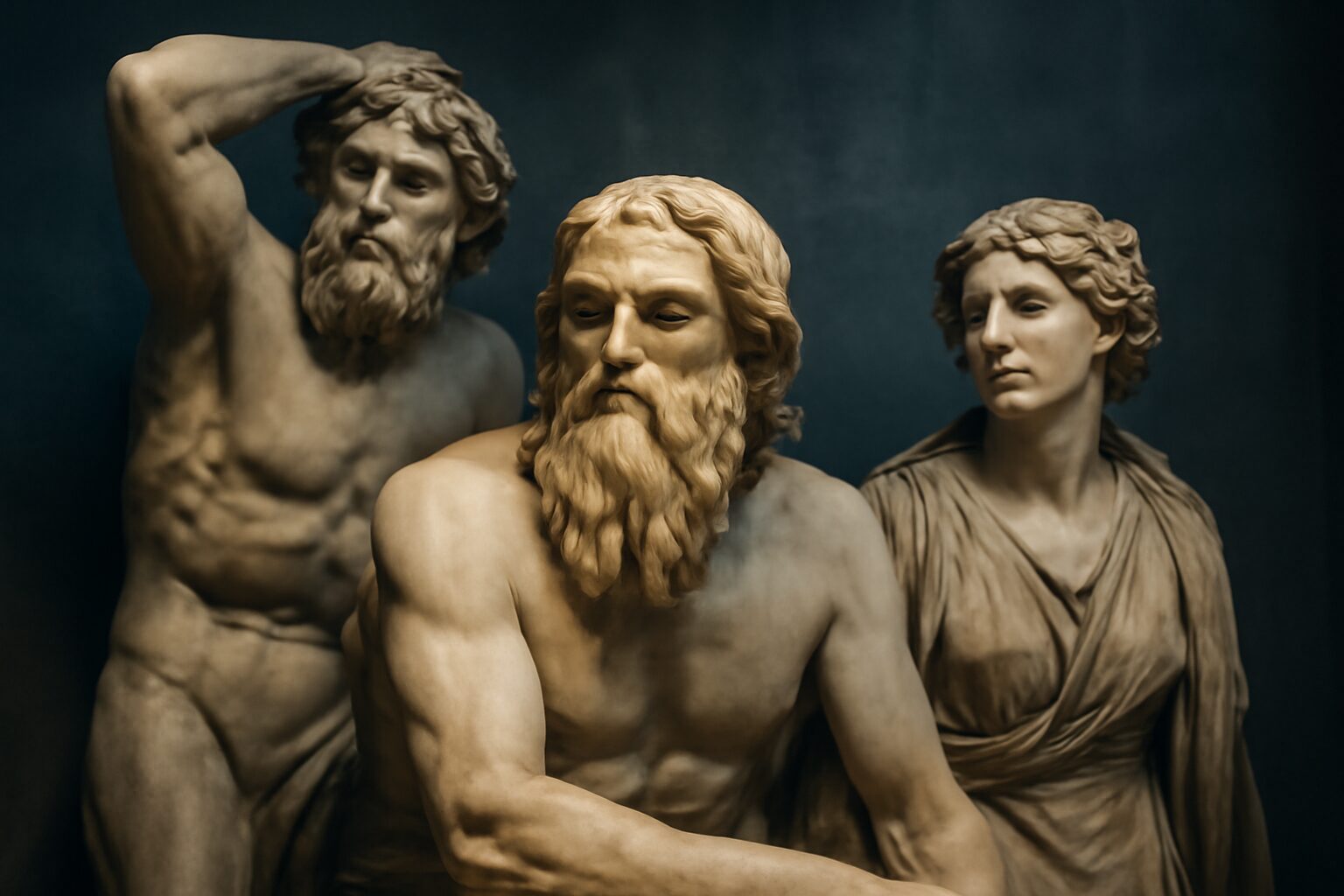
Though Bia did not have widespread cults or temples, her presence was acknowledged in oaths and invocations, particularly those sworn by the river Styx. Her association with Zeus's absolute power made her a symbol of the inevitability of divine will. Artists occasionally depicted her as a stern, muscular woman, often alongside her siblings, reinforcing her role as an enforcer of cosmic order.
Legacy
While overshadowed by more prominent Olympians, Bia's influence persisted in Greek thought as an essential aspect of power—unyielding and inexorable. Her legacy lives on in modern language, with words like "biophysics" and "biomechanics" subtly echoing her ancient domain of force.
Alternative Names for Bia
God Name: Bia (Greek)
The primary name of the goddess, meaning 'force' or 'power' in Greek. She is the personification of force and raw energy, often associated with her siblings Nike (Victory), Kratos (Strength), and Zelos (Rivalry).
God Name: Vis (Roman)
The Roman equivalent of Bia, meaning 'force' or 'power.' While not as prominently featured in Roman mythology as Bia is in Greek, Vis represents similar concepts of strength and coercion.
God Name: Kratos (Greek)
Though technically a separate deity, Kratos (meaning 'strength') is closely associated with Bia as her brother. They often appear together in myths, particularly in the binding of Prometheus, where both embody aspects of force and power.
Tales about Bia
Bia and the Binding of Prometheus
When Prometheus defied Zeus by stealing fire for humanity, the king of the gods decreed a punishment that would echo through the ages. He summoned Bia, the embodiment of force and raw power, to ensure the Titan’s imprisonment would be absolute.
The Unbreakable Chains
Bia, alongside her brother Kratos (Strength), journeyed to the desolate peaks of the Caucasus Mountains. There, with relentless might, she forged the adamantine chains that would bind Prometheus to the rock. Her hands, unyielding and fierce, fastened each link with a precision born of divine purpose. As the eagle descended daily to feast upon Prometheus’s liver, Bia’s force stood as a silent, eternal guardian of Zeus’s wrath—a reminder that no power could break the bonds she wrought.
Bia and the Titanomachy
During the cataclysmic war between the Olympians and the Titans, known as the Titanomachy, Bia fought fiercely alongside Zeus and his siblings. Her role was not one of strategy or wisdom, but of pure, undilated force, crashing against the defenses of the Titans like a tidal wave.
The Final Assault
In the climactic battle, Bia targeted the mighty Briareus, one of the Hecatoncheires allied with Zeus. With explosive power, she shattered the Titan’s mountainous limbs, enabling the Olympians to gain the upper hand. Her presence on the battlefield was a whirlwind of devastation, turning the tide where diplomacy and trickery had failed. After the victory, Zeus honored Bia by placing her beside his throne as a eternal symbol of the force that secured his reign.
Frequently Asked Questions
Who is Bia in Greek mythology?
Bia is the Greek goddess or spirit (daimona) of force, power, and raw energy. She is the personification of strength and compulsion, often associated with her siblings Nike (Victory), Kratos (Strength), and Zelos (Rivalry).
What are daimones in Greek mythology?
Daimones are minor deities or spirits in Greek mythology that personify abstract concepts, forces of nature, or human conditions. They are not full gods but rather embodiments of ideas like love, strife, or justice.
Why are personifications like Bia important in Greek myths?
Personifications like Bia help explain natural phenomena and human experiences through relatable characters. They make abstract concepts tangible and show how the Greeks viewed fundamental forces as divine influences in daily life.
How does Bia appear in Greek stories?
Bia appears most notably as one of Zeus's enforcers in myths. She and her brother Kratos are tasked with binding Prometheus to his rock as punishment for giving fire to humans, showing her role as an unstoppable force of divine will.
Are concepts like Bia still relevant today?
Yes, while we don't worship these figures today, the idea of personifying forces like power (Bia) or victory (Nike) persists in modern language, psychology, and storytelling. These concepts help us understand and discuss human experiences.