Alastor: The Spirit of Vengeance
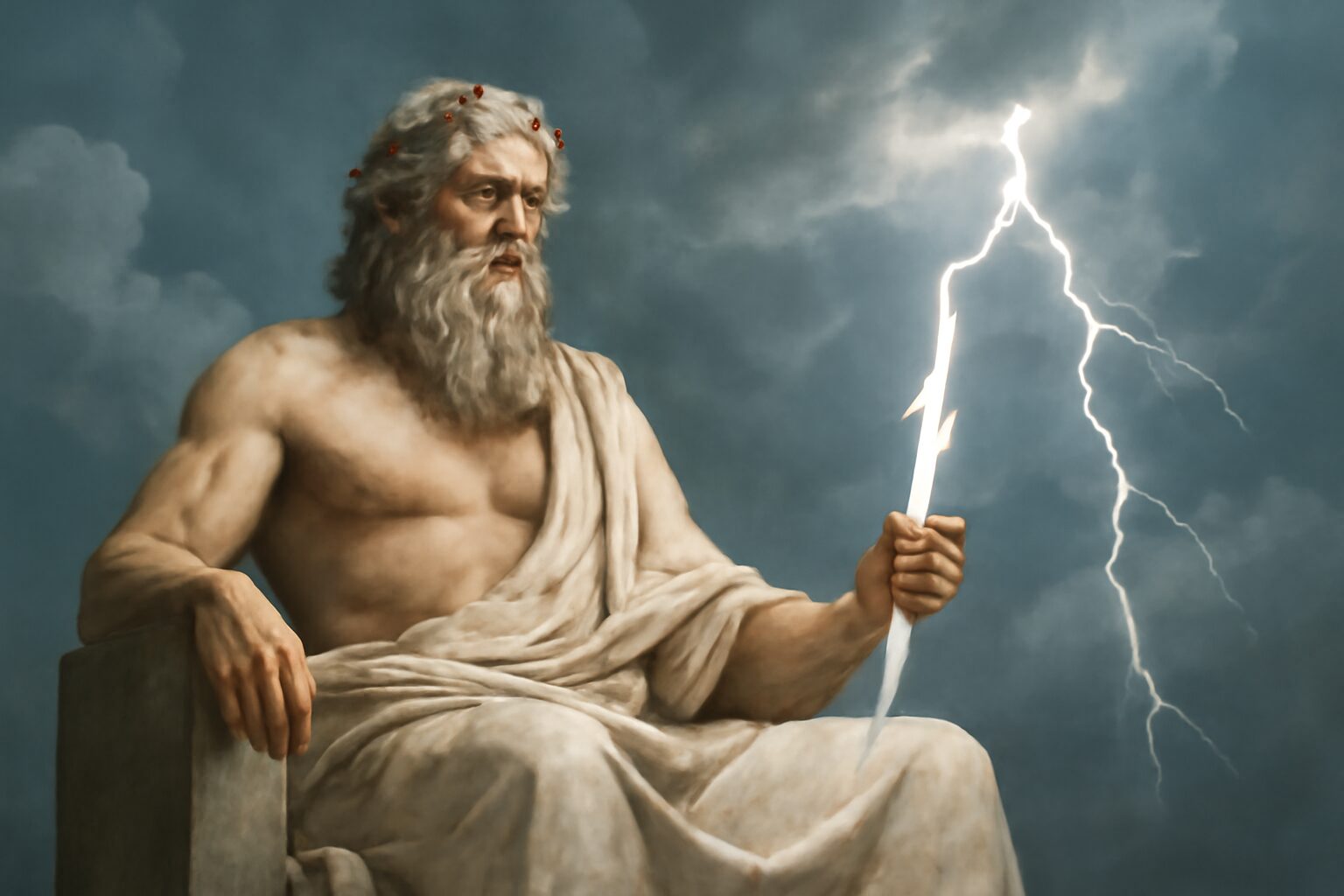
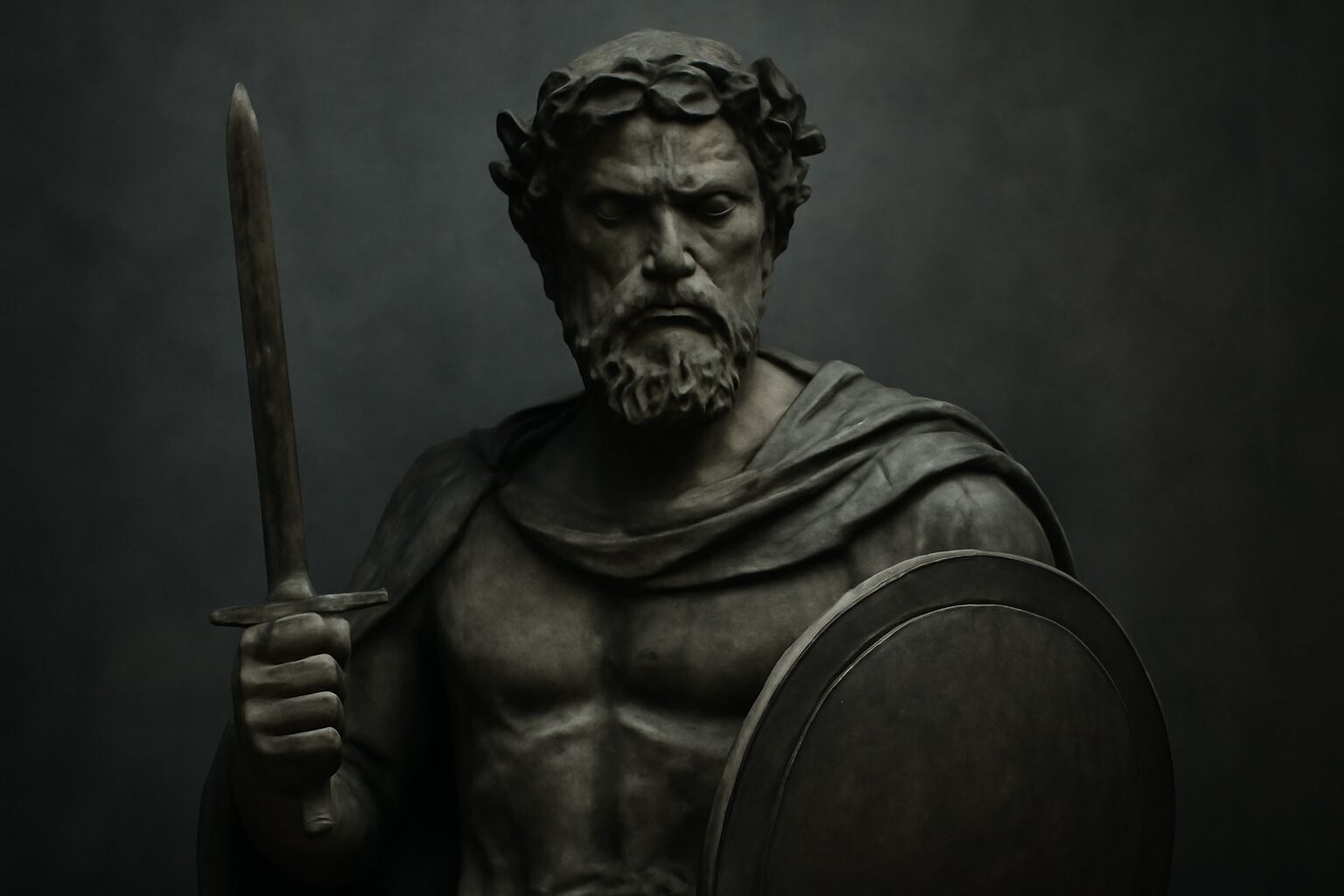
In Greek mythology, Alastor is a powerful and fearsome deity associated with vengeance, blood feuds, and familial curses. His name translates to "the avenger" or "he who does not forget," reflecting his role as an enforcer of divine justice, particularly in cases of murder and betrayal.
Origins and Role
Alastor was originally considered a daimon (spirit) rather than a full-fledged Olympian god. He personified the concept of retribution, especially within families where crimes like patricide or fratricide had been committed. Over time, his role expanded, and he became closely associated with the Erinyes (Furies), the terrifying goddesses of vengeance who pursued wrongdoers relentlessly.
Unlike the Olympians, who could be swayed by prayers or offerings, Alastor was unforgiving—once a curse or blood feud was set in motion, he ensured it would follow generations until justice was served.
Powers and Influence
Alastor's power lay in his ability to haunt those guilty of heinous crimes, driving them to madness or ensuring their downfall. He was often invoked in oaths and curses, as his presence guaranteed that vengeance would be exacted. In some myths, he is described as an invisible force, while in others, he takes on a more physical form—a shadowy, relentless pursuer.
One of his most famous associations is with the House of Atreus, where a cycle of murder and revenge spanned generations. Alastor ensured that the curse placed upon the family by Myrtilus (after Pelops betrayed him) continued to unfold, leading to tragedies like the deaths of Agamemnon and Orestes.
Relationships with Other Deities
Alastor worked closely with the Erinyes, though he was sometimes seen as a singular force rather than part of a group. He also had ties to Zeus, as the king of gods occasionally employed him to enforce divine law. In later traditions, he was conflated with Nemesis, the goddess of retribution, though Alastor remained more focused on familial and blood-related vengeance.
Legacy and Significance
Alastor’s role in Greek mythology highlights the ancient Greeks' belief in inescapable fate and the consequences of violating moral laws. Unlike gods who could be appeased, Alastor represented an unstoppable force—once wronged, the cycle of vengeance could not be broken without atonement.
His influence extended into later literature, where his name became synonymous with vengeful spirits or avenging entities. Even today, the term "alastor" is sometimes used to describe a relentless pursuer or an agent of retribution.
Alternative Names for Alastor
God Name: Alastor (Greek)
The primary name of the god, associated with vengeance and familial blood feuds in Greek mythology.
God Name: Ultor (Roman)
A Roman epithet meaning 'Avenger,' sometimes associated with Alastor's role as a deity of vengeance, though more commonly linked to Mars Ultor.
God Name: Erinys (Greek)
Though technically referring to the Furies, Alastor is sometimes conflated with or referred to as an Erinys due to his vengeful nature.
God Name: Nemesis (Greek)
Another deity of retribution, Alastor is occasionally linked or equated to Nemesis, though they are distinct figures in mythology.
God Name: Poine (Greek)
A personification of punishment and retribution, sometimes associated with Alastor's vengeful aspects in Greek literature.
Tales about Alastor
The Vengeance of Alastor and Nemesis
In the shadows of mortal hubris, Alastor, the spirit of familial blood feuds, once found a kindred force in Nemesis, the goddess of retribution. A mortal king, arrogant in his power, had defiled a sacred temple and boasted that not even the gods could humble him. Nemesis, hearing his pride, summoned Alastor to ensure his downfall would echo through generations.
Together, they wove a curse: the king’s own son, driven by Alastor’s influence, would challenge him for the throne, and the resulting strife would tear the royal lineage apart. As the king fell, his house crumbled into endless cycles of betrayal and violence, a testament to the collaboration between divine vengeance and the eternal spirit of the blood feud. In the aftermath, Mania, the spirit of madness, twisted the minds of the survivors, while Poine, the goddess of punishment, exacted further suffering, and Keres, the death-spirits, feasted on the ensuing carnage.
Alastor and the Wrath of Zeus
When the Titan Prometheus stole fire for humanity, Zeus’s fury knew no bounds. To punish not only Prometheus but all who might defy divine will, Zeus called upon Alastor to instill a relentless curse upon mankind: the spirit of vengeful strife would now haunt their bloodlines, turning kin against kin.
Alastor, empowered by the king of the gods, swept through the mortal world, igniting generational hatreds and ensuring that every act of defiance would be met with internal decay. From that day, no family was free from the shadow of vendetta, a perpetual reminder of Zeus’s wrath and Alastor’s dreadful purpose. This curse was amplified by Phonoi, the spirits of murder, who incited lethal violence, while Horkos, the god of oaths, punished those who broke sacred vows in the chaos, and Eirene, though not present, found her peace ever more elusive among the strife.
Frequently Asked Questions
Who is Alastor in Greek mythology?
Alastor is a spirit or daimon in Greek mythology associated with vengeance and family blood feuds. He personifies the concept of retribution, often ensuring that crimes, especially within families, do not go unpunished.
What are daimones in Greek mythology?
Daimones (or daemons) are minor deities, spirits, or personifications in Greek mythology. They represent abstract concepts, forces of nature, or human conditions, such as love, strife, or vengeance, and often act as intermediaries between gods and humans.
Why is Alastor important in Greek myths?
Alastor symbolizes the ancient Greek belief in divine justice and the inevitability of punishment for wrongdoing, especially within families. His role highlights the cultural importance of maintaining moral order and the consequences of violating it.
How does the concept of Alastor apply today?
While not worshiped today, Alastor's idea of retribution resonates in modern discussions about justice, karma, and the consequences of actions. His myth reminds us of the timeless human concern with fairness and accountability.
What can we learn from Greek personifications like Alastor?
These myths teach us about ancient Greek values, such as the importance of justice, familial duty, and the belief that natural and moral forces are governed by divine powers. They also reflect universal human themes still relevant today.