Cephisso: The Muse of Thought and Poetry
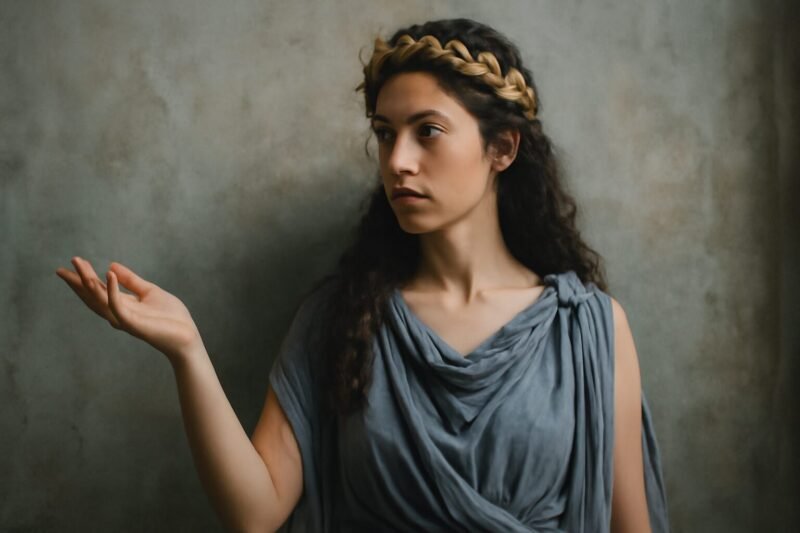
In Greek mythology, Cephisso (also spelled Kephiso) is one of the lesser-known but fascinating Muses, the divine sisters who presided over the arts, sciences, and intellectual pursuits. While the canonical nine Muses are more widely recognized, Cephisso belongs to an older tradition that sometimes lists her among a different grouping of Muses, often associated with springs and poetic inspiration.
Role and Significance
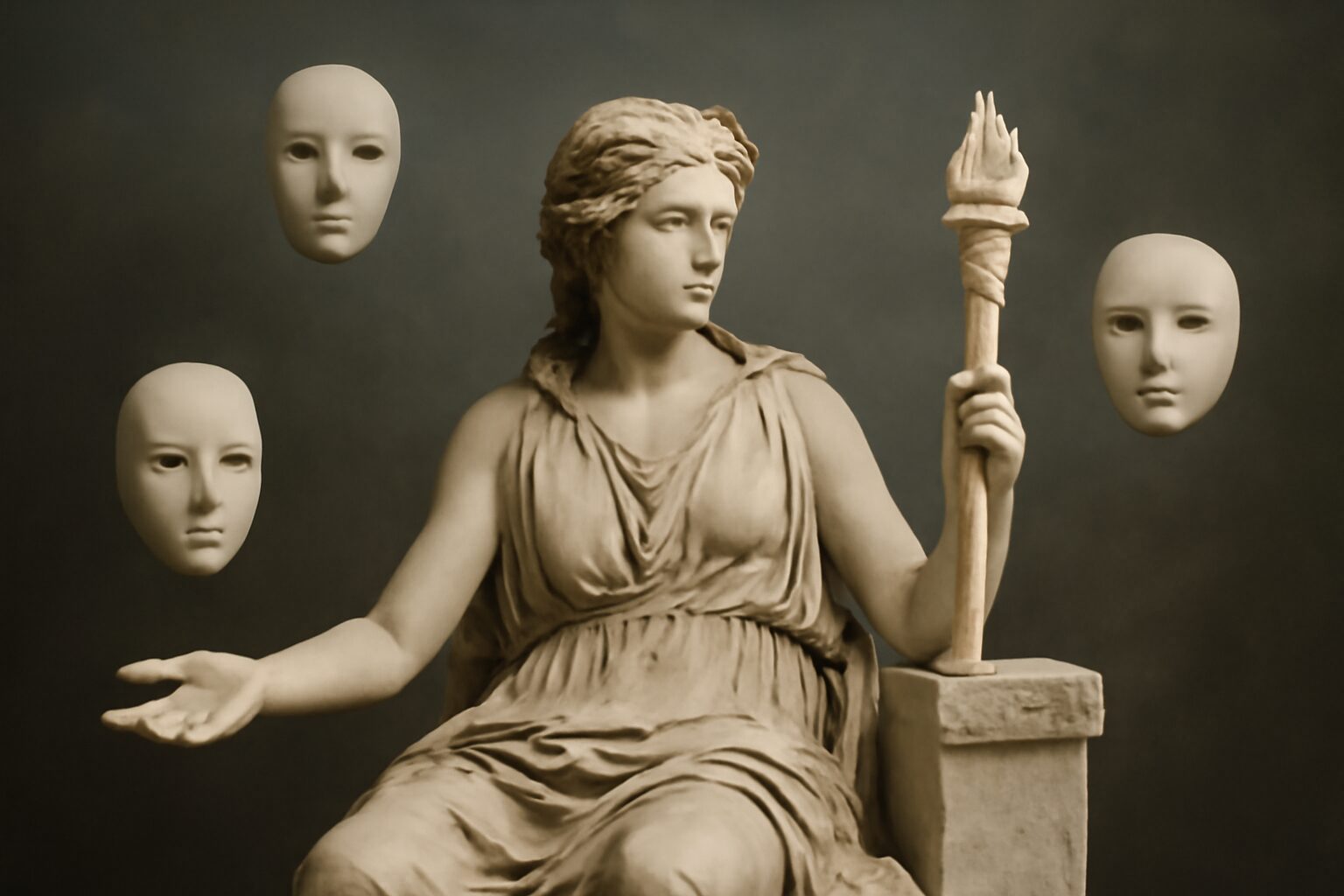
Cephisso was primarily linked to thought, meditation, and lyrical poetry. Her name is thought to derive from the Greek word kephisos, which may relate to the river Cephissus in Boeotia—a region closely tied to the Muses. Like her sisters, she served as a source of inspiration for poets, philosophers, and artists, guiding their creative and intellectual endeavors.
In some traditions, she is considered one of the three original Muses, alongside Melete (practice) and Mneme (memory), who represented the foundational aspects of artistic and scholarly work. This triad emphasized the importance of deep contemplation and disciplined thought in the creative process.
Powers and Attributes
As a Muse, Cephisso possessed the power to inspire profound ideas and eloquent expression. She was often invoked by those seeking clarity of thought or the ability to articulate complex concepts through poetry or song. Unlike the more performance-oriented Muses like Terpsichore (dance) or Calliope (epic poetry), Cephisso’s domain was the quiet, introspective side of creativity.
Her connection to water—particularly the river Cephissus—suggests a symbolic link to the flow of ideas and the nurturing of intellectual growth. Springs and rivers were often seen as sacred places of inspiration in ancient Greece, and Cephisso’s association with them underscores her role in fostering wisdom and poetic insight.
Relationships and Worship
Cephisso was one of the daughters of Zeus and Mnemosyne (the goddess of memory), making her part of the divine lineage that shaped Greek cultural and artistic traditions. While she did not have as many dedicated cults or temples as some of the Olympian gods, she was honored alongside her sister Muses in places like Mount Helicon and Delphi, where the arts were celebrated.
Her influence extended to famous poets and thinkers who sought her guidance. Though not as prominently featured in myths as figures like Apollo (the god of music and poetry), her presence was essential in the broader tapestry of Greek intellectual life.
Legacy
Though Cephisso’s name may not be as familiar as some of her sisters, her legacy endures as a symbol of deep contemplation and the power of words. In a world where creativity was seen as divine, she represented the quiet moments of reflection that give rise to great art and philosophy. Today, she serves as a reminder of the importance of thoughtfulness and inspiration in the creative process.
Alternative Names for Cephisso
God Name: Kephisos (Greek)
An alternative Greek spelling of Cephisso, often found in older texts or regional dialects.
God Name: Cephissus (Roman)
The Roman adaptation of the Greek name Cephisso, commonly used in Roman mythology and literature.
God Name: Kifisos (Greek)
A variant pronunciation and spelling of Cephisso, sometimes used in poetic or regional contexts.
God Name: Kephisios (Greek)
An epithet or extended form of Cephisso, possibly used in specific cultic or regional worship.
Tales about Cephisso
The Healing Melody of Cephisso and Aceso
In the sacred groves of Cephisso, where the muses often gathered to inspire poets and artists, a unique collaboration unfolded. Aceso, the goddess of the healing process, sought Cephisso's aid to soothe the suffering of mortals afflicted with lingering ailments. Cephisso, known for her enchanting music, composed a melody that echoed the rhythms of recovery—gentle, persistent, and full of hope.
Together, they visited the bedsides of the ailing, where Aceso applied her remedies while Cephisso played her lyre. The music wove through the air, easing pain and accelerating healing, as if each note carried the essence of wellness itself. This partnership became legendary, symbolizing the harmony between art and medicine.
Their efforts were sometimes joined by Eupraxia, the spirit of well-being, who ensured the treatments brought lasting comfort, and Soteria, the goddess of safety and deliverance from harm, who protected the healed from future afflictions. Hygieia, though not in the original list, was often invoked for her role in preventive health, completing the divine circle of care.
Cephisso and the River God Achelous
One summer, when drought threatened the lands, Achelous, the river god, grew weak and despondent. His waters, usually robust and life-giving, had dwindled to a mere trickle. Cephisso, moved by the plight of the earth and its divine guardian, descended to his riverbanks with her flute.
She played a composition that mimicked the rush of rain and the flow of streams, her music summoning clouds and stirring the heavens. Inspired and rejuvenated, Achelous felt his strength return, and soon, rain began to fall, replenishing his course. Grateful, he promised Cephisso that her melodies would forever be echoed in the babbling of his waters, a tribute to her power over nature's rhythms.
This restoration drew the attention of Euporie, the goddess of abundance, who blessed the land with fertility, and Euthenia, the spirit of prosperity, who ensured the harvests were plentiful. Lips, the god of the southwest wind, carried the moist air to sustain the renewed waters, sealing the pact between music and nature.
Frequently Asked Questions
Who is Cephisso in Greek mythology?
Cephisso is one of the lesser-known Muses in Greek mythology, often associated with inspiration and the arts. While not as prominent as the nine main Muses, she represents a divine figure connected to creativity and poetic expression.
Why are minor deities like Cephisso important in Greek mythology?
Minor deities like Cephisso help showcase the diversity and richness of Greek mythology. They often represent niche aspects of life, culture, or nature, providing deeper insight into how ancient Greeks viewed the world and their connection to the divine.
What can we learn from studying lesser-known figures like Cephisso?
Studying lesser-known figures like Cephisso helps us understand the broader cultural and religious context of ancient Greece. It reveals how even minor deities played roles in daily worship, art, and storytelling, reflecting the values and beliefs of the time.
How does the concept of Muses like Cephisso apply today?
The idea of Muses like Cephisso still resonates today as symbols of inspiration and creativity. Many artists, writers, and thinkers draw on the concept of a 'muse' to describe sources of motivation or imaginative spark in their work.
Are there any myths or stories specifically about Cephisso?
There are no widely known myths specifically about Cephisso, as she is a minor figure. However, her association with the Muses suggests she was part of the broader tradition of divine inspiration celebrated in ancient Greek culture.