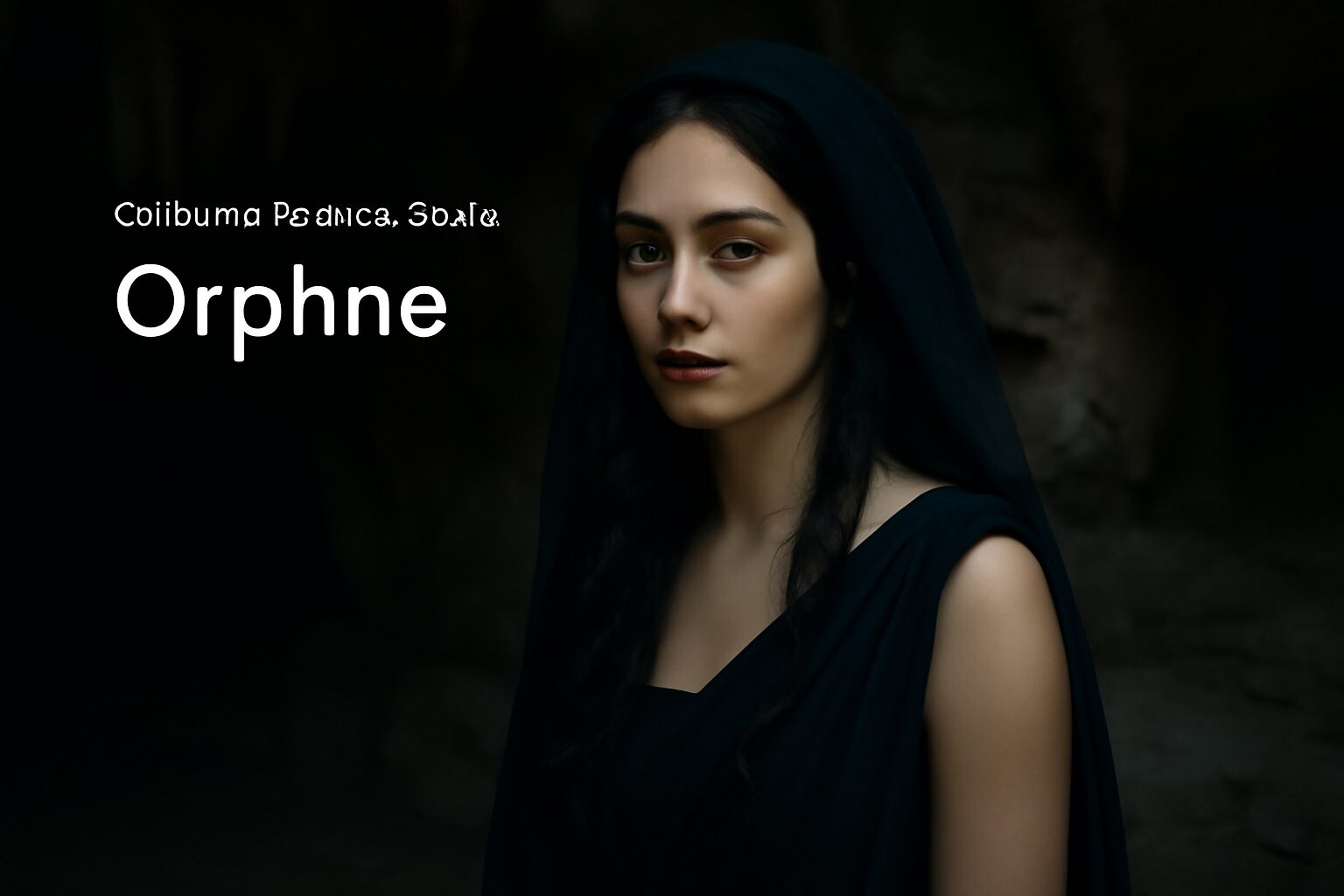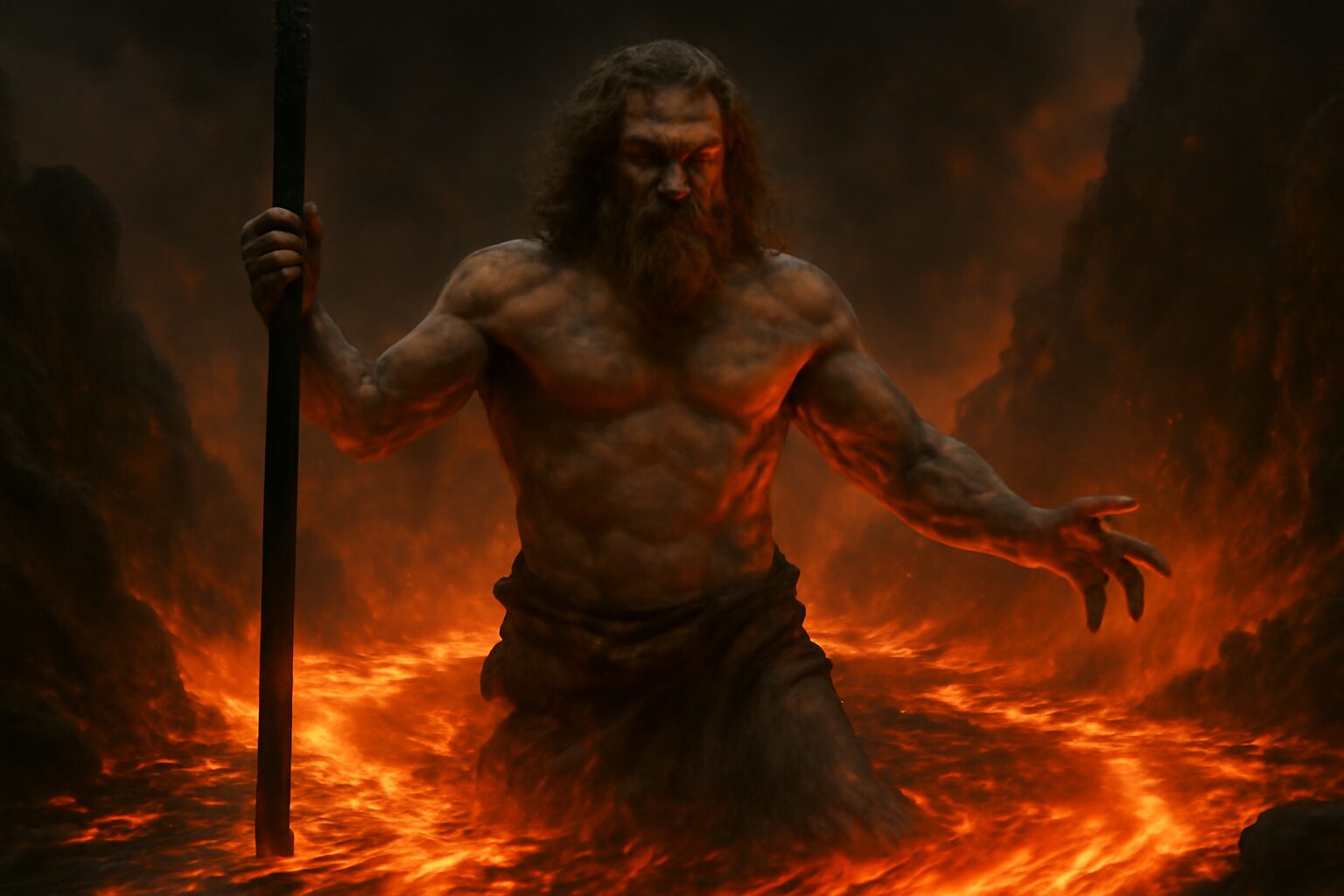
Chthonic Deities
Some Chthonic Deities
Chthonic Deities of Greek Mythology
Chthonic deities are gods and spirits associated with the underworld, earth, and the afterlife in Greek mythology. They often represent themes of death, rebirth, and the mysterious forces beneath the surface of the world.
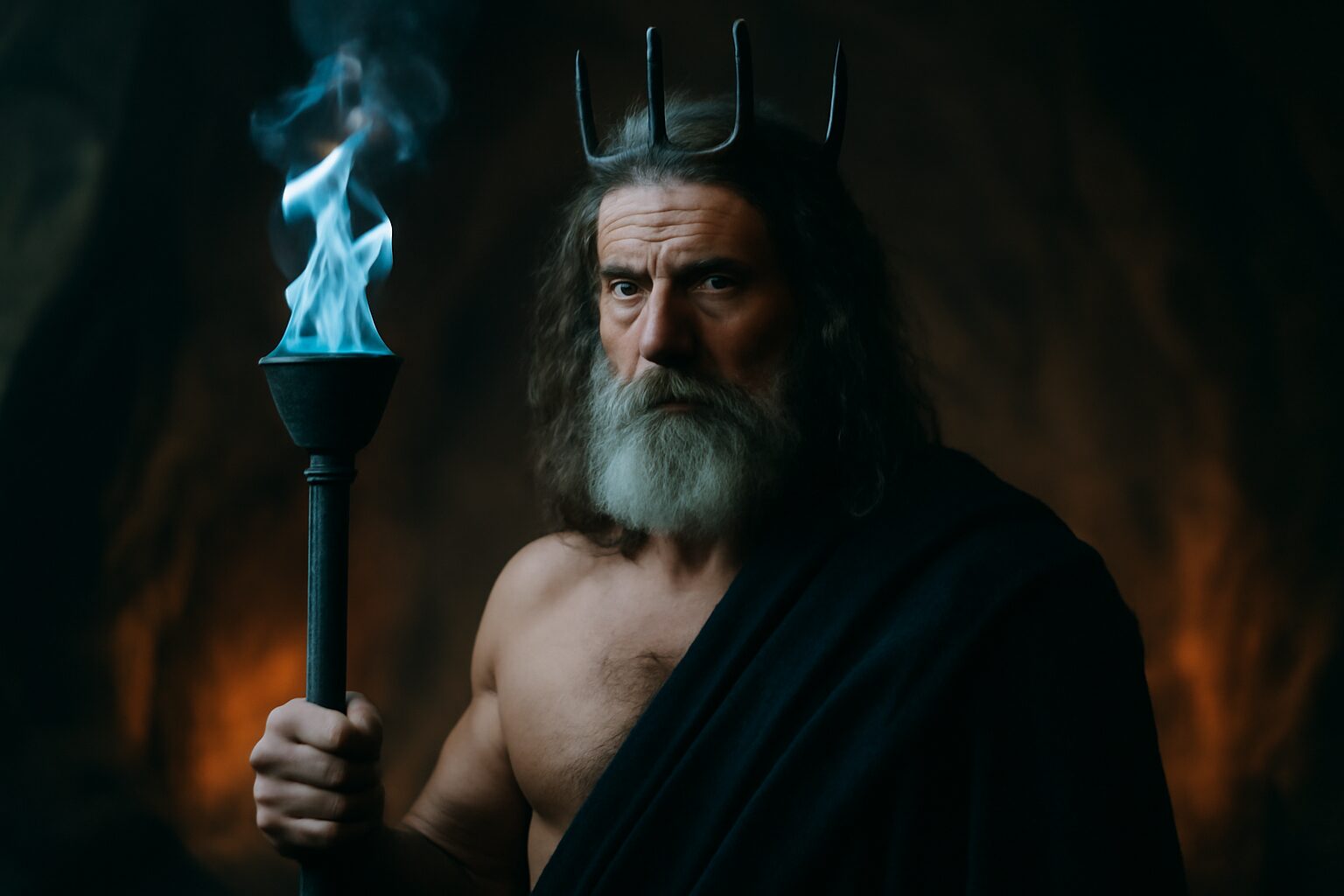
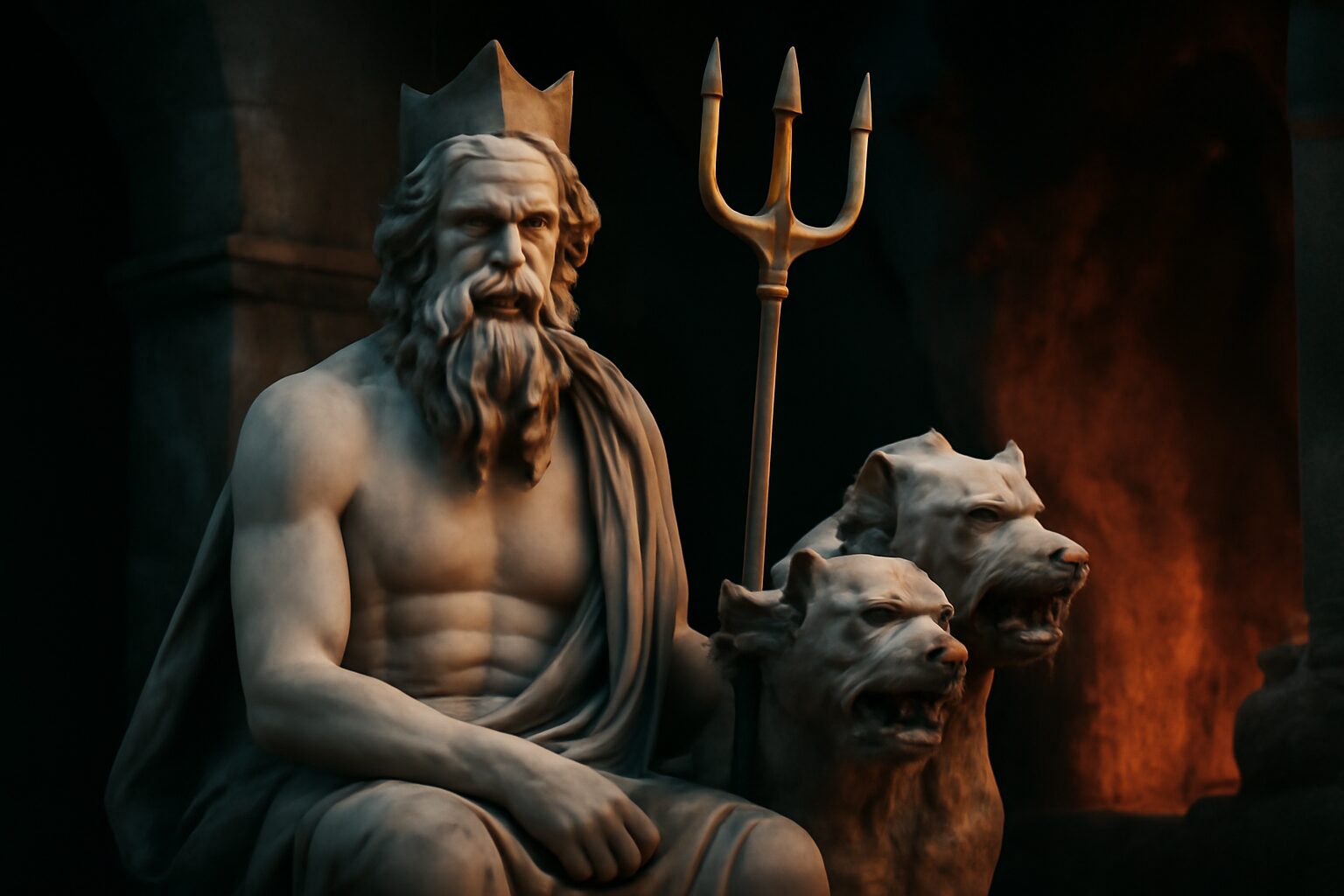
Hades
As the ruler of the underworld, Hades is the foremost chthonic deity, governing the dead and the riches of the earth. His domain, also called Hades, is the central realm for all chthonic figures.
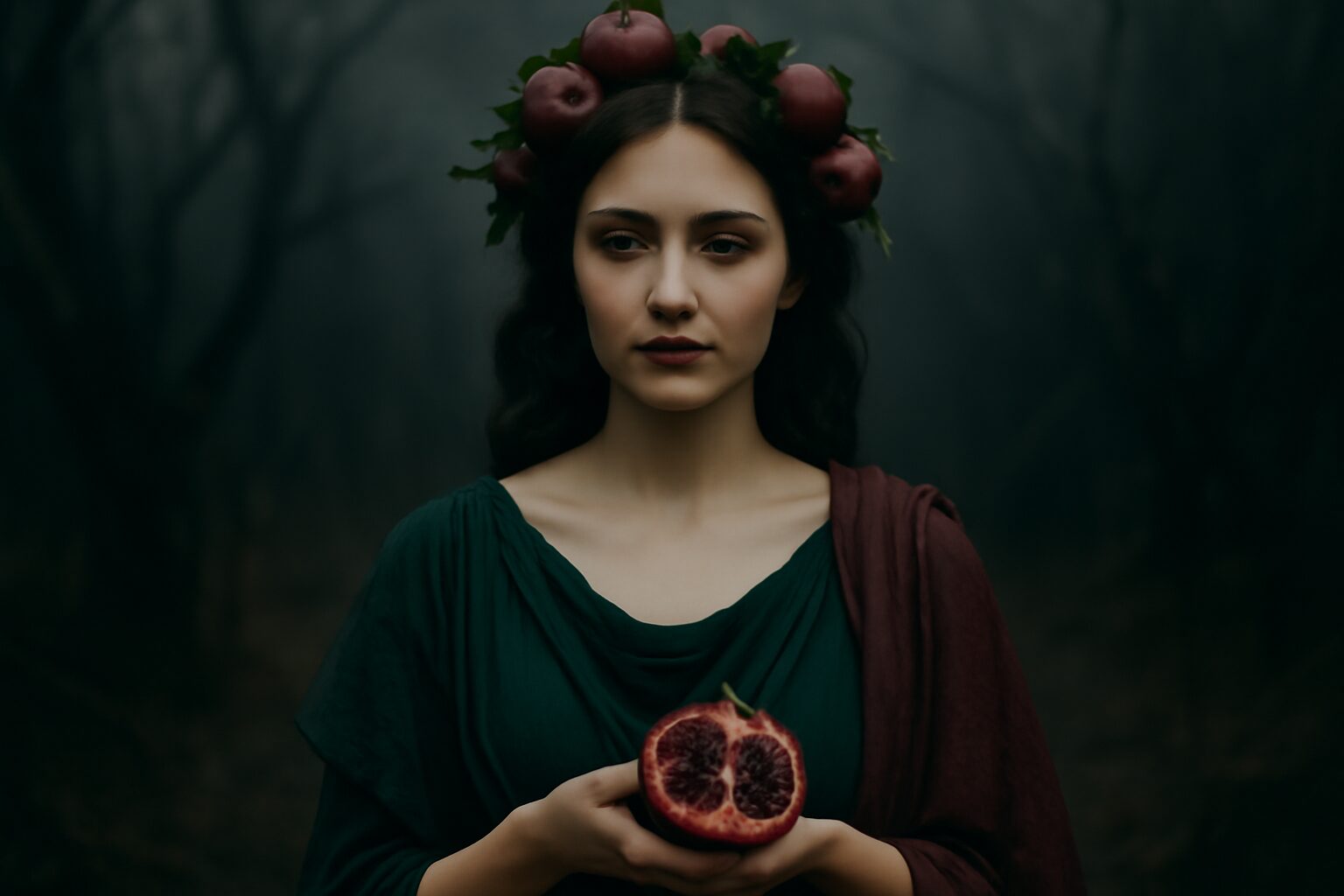
Persephone
Persephone, queen of the underworld and wife of Hades, embodies the cycle of life and death. Her annual return to the surface brings spring, linking chthonic powers to seasonal renewal.
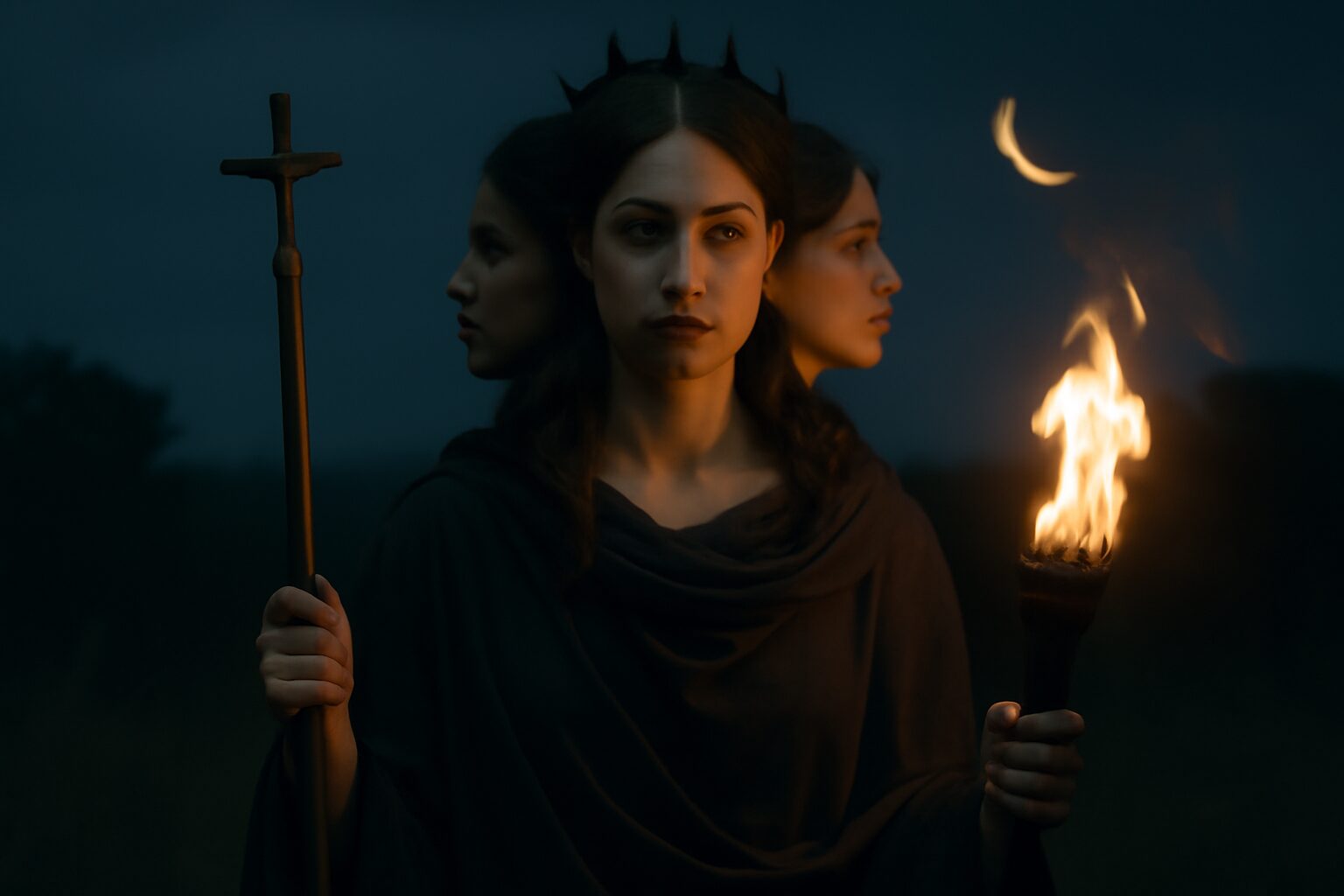
Hecate
Hecate is a chthonic goddess of magic, crossroads, and the night, often associated with guiding souls and wielding power over the boundaries between the living and the dead.
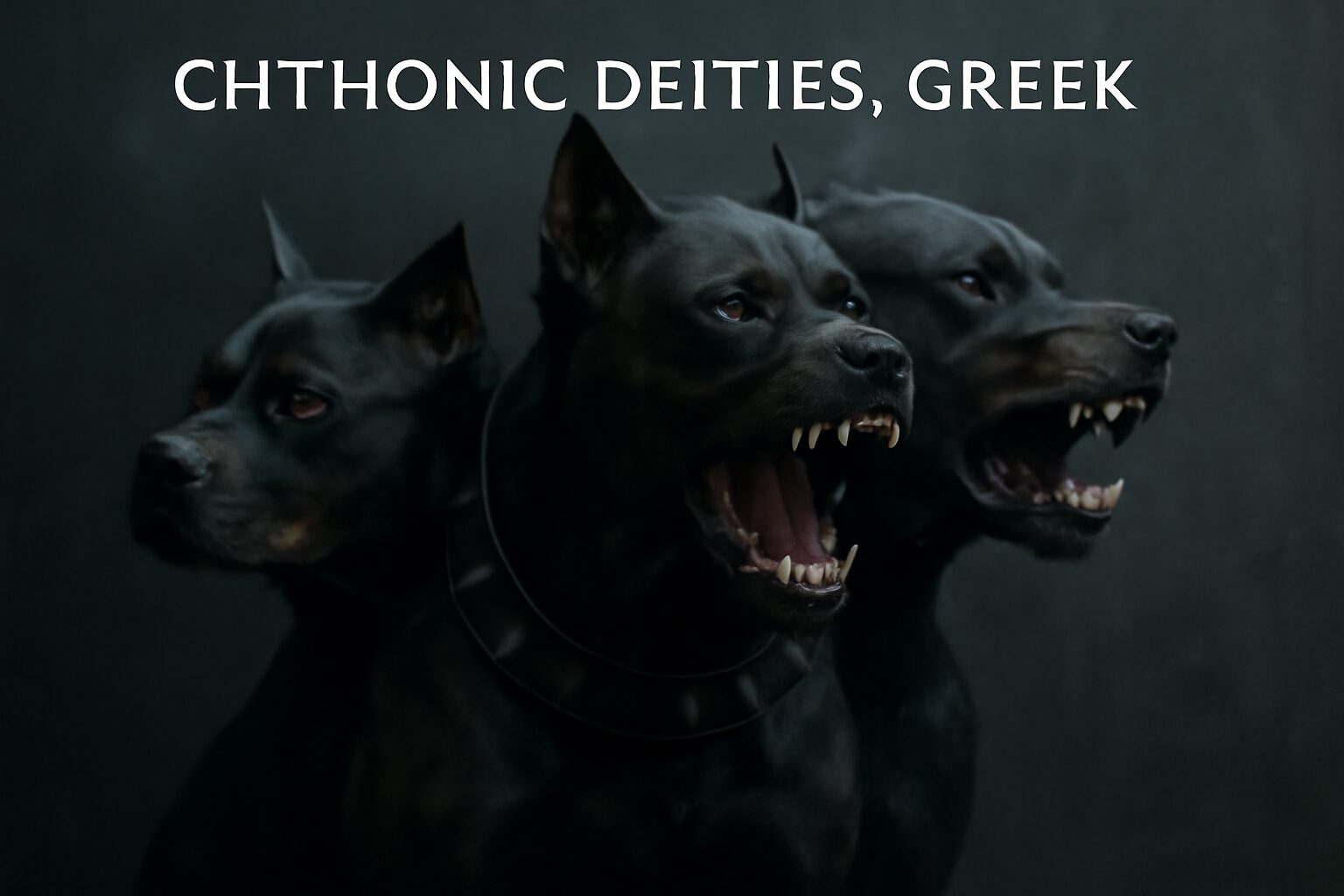
Cerberus
Cerberus, the multi-headed hound, guards the entrance to the underworld, preventing the dead from leaving and the living from entering unauthorized, symbolizing the impenetrable nature of the chthonic realm.
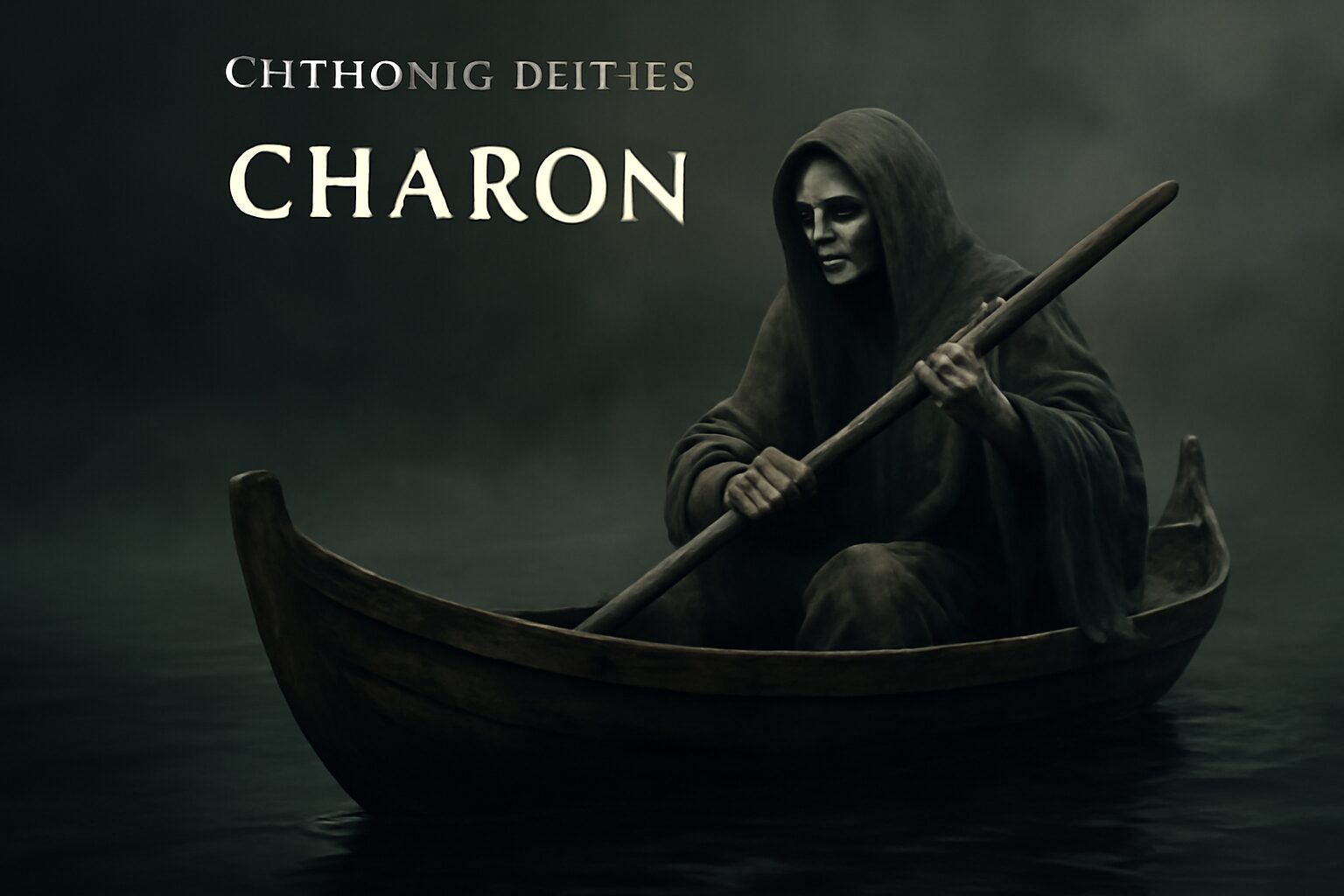
Charon
Charon is the ferryman who transports souls across the rivers of the underworld, such as the Styx, for a fee, acting as a crucial intermediary in the journey to the chthonic afterlife.
Melinoë
Melinoë, a daughter of Persephone and sometimes Zeus or Hades, is a chthonic nymph or goddess associated with ghosts and nightmares, haunting the living with apparitions.
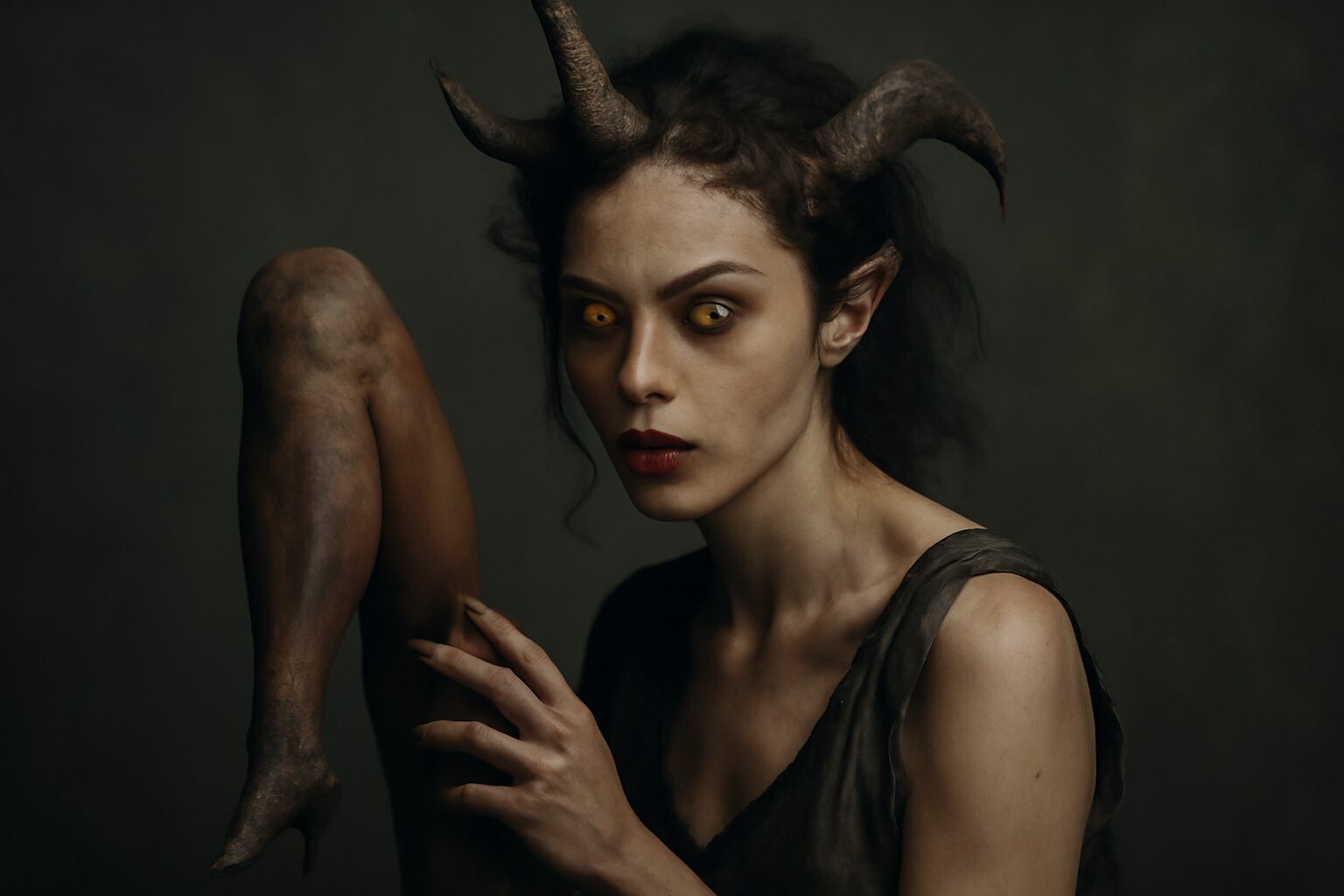
Empusa
Empusa is a shape-shifting, monstrous chthonic spirit under Hecate's command, known for frightening travelers and feeding on their flesh, representing the dangers of the night and underworld.
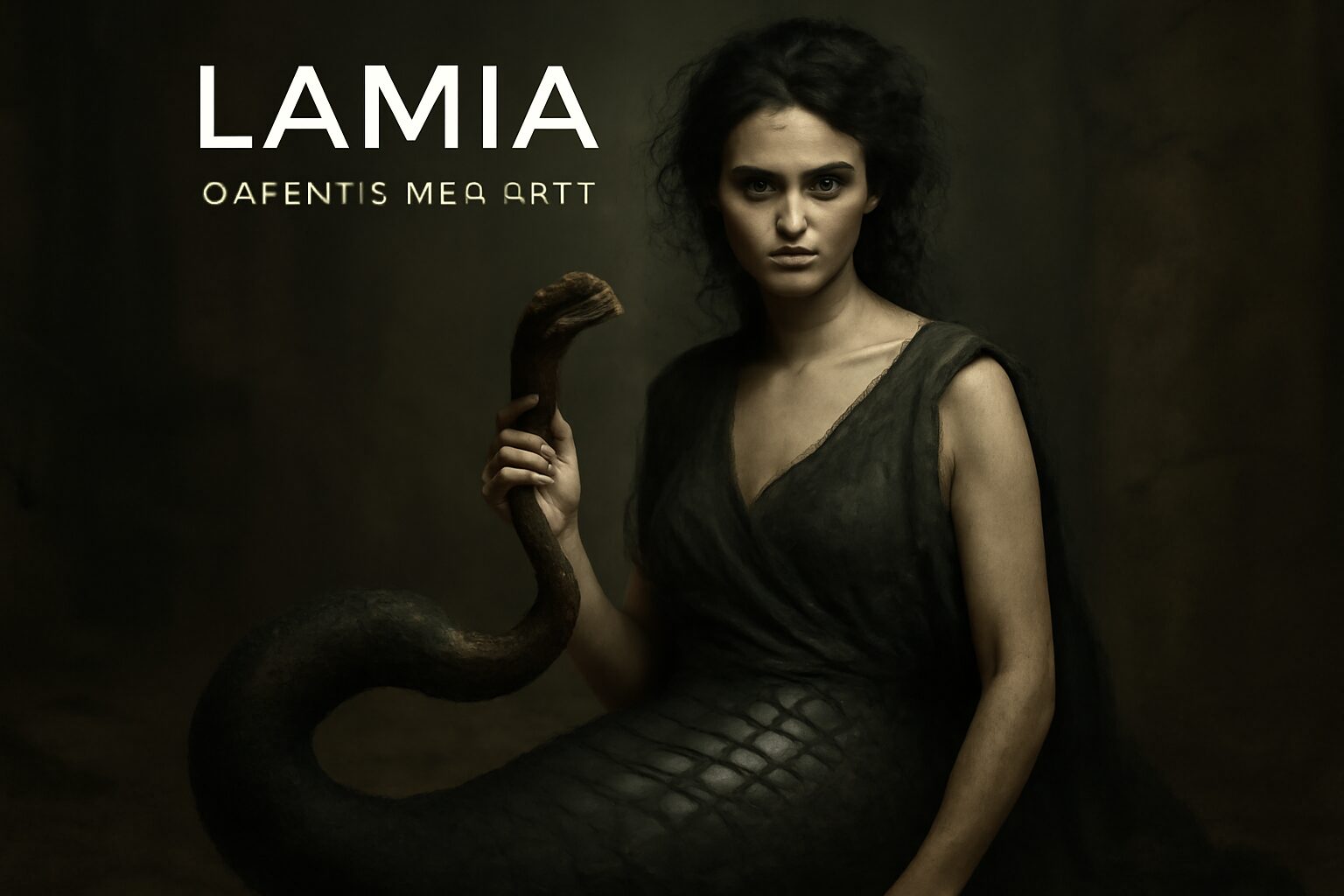
Lamia
Lamia, once a beautiful queen transformed into a child-devouring monster, is a chthonic figure symbolizing grief and vengeance, often linked to Hecate and the darker aspects of the underworld.
Frequently Asked Questions
What are Chthonic Deities in Greek mythology?
Chthonic deities are gods and spirits from Greek mythology associated with the underworld, earth, and the afterlife. They are often linked to death, fertility, and the hidden aspects of life, contrasting with the Olympian gods who rule the sky and heavens.
Who are some well-known Chthonic Deities?
Some of the most famous Chthonic deities include Hades (god of the underworld), Persephone (queen of the underworld), Hecate (goddess of magic and crossroads), and the Furies (spirits of vengeance). These figures play important roles in myths about death and the afterlife.
Why were Chthonic Deities important in ancient Greek religion?
Chthonic deities were important because they represented fundamental aspects of human existence - death, the afterlife, agricultural cycles, and the unseen forces of nature. The Greeks believed proper worship of these gods was essential for good harvests, peaceful deaths, and maintaining cosmic balance.
How were Chthonic Deities worshiped differently than Olympian gods?
Chthonic deities were often worshiped at night, with dark-colored animal sacrifices (like black sheep) where the blood was poured into the ground. Their rituals were more solemn and focused on appeasement, unlike the celebratory festivals for Olympian gods. Offerings were typically burned completely or buried rather than shared.
What can modern people learn from Chthonic Deities?
The chthonic deities remind us of the importance of acknowledging life's darker aspects - death, the unconscious, and the cycles of nature. Their myths explore themes of transformation, justice, and the connection between life and death that remain relevant to human psychology and environmental awareness today.