
Hegemone: The Goddess of Plants and Growth
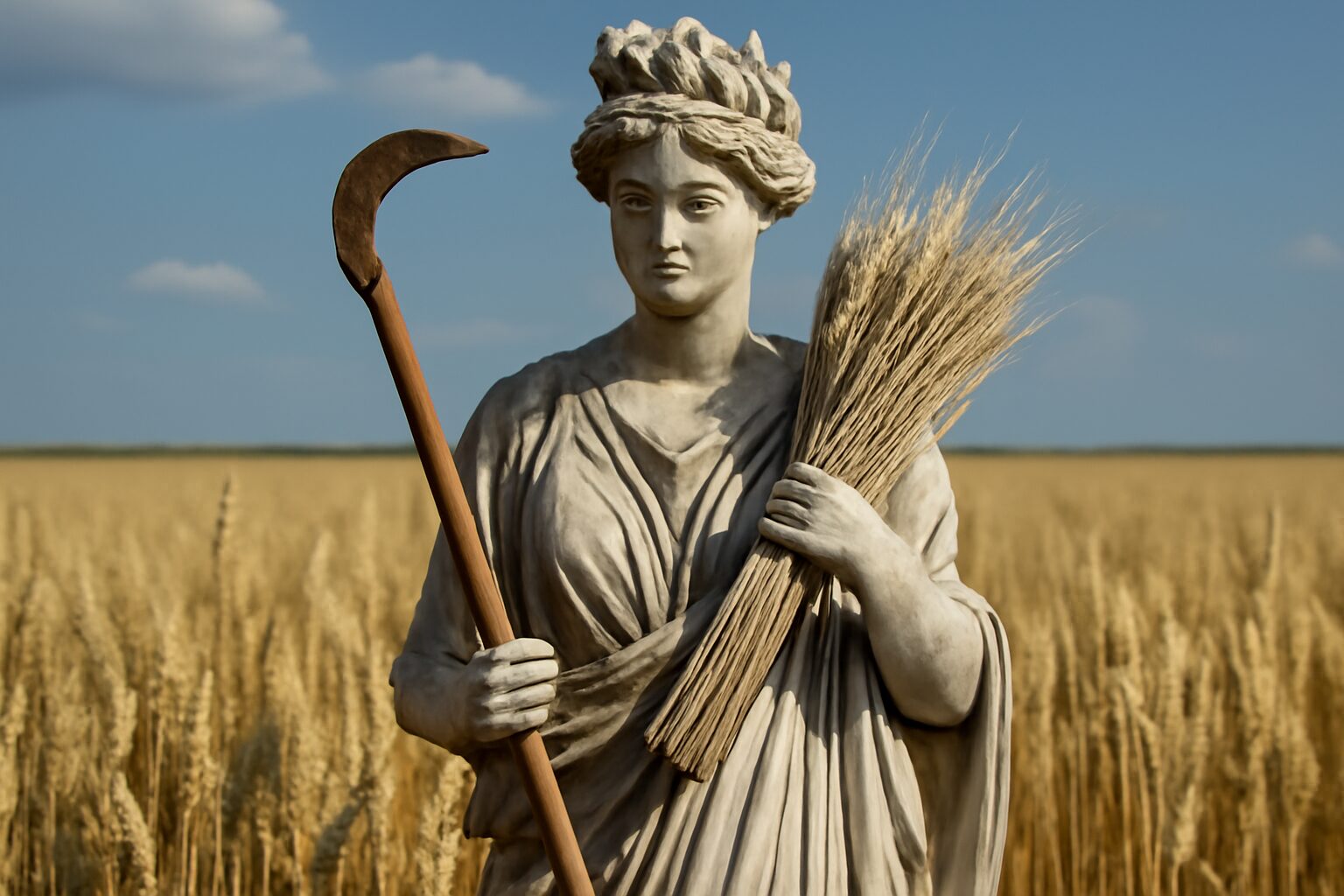
In the rich tapestry of Greek mythology, Hegemone (Ἡγεμόνη) is a lesser-known but fascinating goddess associated with plant life, growth, and the flourishing of vegetation. Her name translates to "Leader" or "Queen," reflecting her role in guiding and nurturing the natural world. Though not as prominent as deities like Demeter or Persephone, Hegemone played a vital role in the agricultural and botanical aspects of ancient Greek religion.
Mythology and Role
Hegemone is often linked to the Horae, the goddesses of the seasons and natural order. Alongside her sister Auxo (the grower), Hegemone represented the spring and early summer, embodying the vitality and abundance of plant life. Together, they were worshiped in Athens as attendants of Aphrodite, symbolizing beauty and fertility in nature.
As a goddess of growth, Hegemone was invoked by farmers and gardeners to ensure healthy crops and bountiful harvests. Her presence was believed to encourage the sprouting of seeds and the maturation of fruits, making her an essential figure in agrarian communities.
Powers and Symbolism
Hegemone’s powers centered around the life-giving forces of the earth. She was thought to influence the cycles of growth, helping plants thrive under the sun’s warmth. Unlike Demeter, who governed the broader aspects of agriculture, Hegemone’s domain was more specialized—focusing on the initial stages of plant development and the delicate balance required for nature to flourish.
Her symbolism often intertwined with themes of renewal and leadership in nature. The Greeks saw her as a guiding force, ensuring that the natural world followed its destined path. In art, she might be depicted holding a budding branch or surrounded by blossoming flowers, emphasizing her connection to vitality.
Relationships and Worship
Hegemone’s closest relationships were with her fellow Horae and Aphrodite, underlining her role in beauty and natural harmony. Some myths suggest she was also associated with Artemis, the goddess of the wilderness, further tying her to untamed growth and the wild aspects of flora.
Though not as widely worshiped as Olympian gods, Hegemone had a presence in local cults, particularly in Athens. Festivals honoring the Horae likely included tributes to her, celebrating the changing seasons and the earth’s generosity.
Significance in Greek Mythology
While Hegemone may not dominate the grand myths of heroes and gods, her importance lies in the quiet, essential processes she governed. She personified the unseen forces that made life possible—ensuring that fields turned green, flowers bloomed, and sustenance was plentiful. In a civilization deeply connected to the land, Hegemone’s influence was a reminder of nature’s delicate yet powerful rhythms.
Alternative Names for Hegemone
God Name: Hegemonia (Greek)
An alternative feminine form of Hegemone, used in some Greek texts to emphasize the goddess's leadership qualities.
God Name: Dux (Roman)
The Roman equivalent of Hegemone, meaning 'leader' or 'guide,' reflecting similar attributes of guidance and authority.
God Name: Archegetis (Greek)
A title meaning 'founder' or 'leader,' often used in Greek mythology for deities associated with beginnings or leadership.
God Name: Koryphe (Greek)
Meaning 'supreme' or 'top,' this name highlights Hegemone's role as a guiding or principal deity in certain contexts.
Tales about Hegemone
The Guiding Hand of Hegemone and Auxo
In the golden age of mortals, when the earth was young and humanity first learned to cultivate the land, the goddess Auxo watched over the growth of all living things. She nurtured the seeds and blessed the soil, but the people often struggled to know when to plant and when to reap. Seeing their confusion, Hegemone, the goddess of mastery and leadership, descended from Olympus. She taught the farmers to observe the stars, the seasons, and the behavior of animals, guiding them to make wise decisions. Together, Hegemone’s strategic insight and Auxo’s nurturing power brought abundance to the fields, and the people learned to thrive under their combined guidance. Their efforts were further supported by Karpo, who ensured the fruits ripened perfectly, Euthenia, who blessed the harvest with plenty, and Euporie, who brought prosperity to the agricultural cycle.
Colors of Cooperation
- Brown for the fertile earth tended by Auxo
- Gold for the leadership and wisdom of Hegemone
- Green for the flourishing crops they nurtured together
Hegemone’s Counsel to Eunomia
When the city-states of ancient Greece were torn by strife and lawlessness, the goddess Eunomia, embodiment of good order and lawful conduct, sought to restore harmony. Yet, laws alone could not inspire the people to follow a righteous path. Hegemone, with her gift for leadership and mastery, offered her counsel. She advised Eunomia to not only decree justice but also to teach the virtues of cooperation and civic duty. Hegemone showed how true order springs from willing hearts, not forced obedience. With this wisdom, Eunomia instituted fair governance that earned the people’s trust, and peace settled over the land like a gentle dawn. Their success was reinforced by Homonoia, who fostered unity among citizens, Eupraxia, who encouraged good conduct, and Sophrosyne, who instilled moderation and self-control.
Elements of Their Partnership
- Law and Order: Eunomia’s decrees provided structure.
- Inspired Leadership: Hegemone’s guidance fostered voluntary compliance.
- Result: A society built on respect rather than fear.
Frequently Asked Questions
Who is Hegemone in Greek mythology?
Hegemone is a minor Greek goddess whose name means 'mastery' or 'leadership.' She is often associated with the Charites (Graces) and represents the concept of control or guiding influence, particularly in the context of vegetation and growth.
What is the significance of Hegemone in Greek myths?
Hegemone symbolizes the guiding force behind natural and societal order. While not as prominent as major Olympian gods, her role highlights the ancient Greeks' belief in divine influences over growth, leadership, and harmony in both nature and human endeavors.
Are there any myths or stories about Hegemone?
Hegemone appears sparingly in Greek mythology, often mentioned alongside other minor deities like Auxo (growth) and Thallo (blossoming). She lacks major standalone myths but is sometimes referenced in hymns or poetic works celebrating the Charites.
How does Hegemone relate to modern concepts?
Hegemone's themes of leadership and natural guidance resonate today in discussions about environmental stewardship or mentorship. Her symbolism reflects timeless ideas about nurturing growthu2014whether in ecosystems, organizations, or personal development.
Why is Hegemone less known compared to other Greek gods?
As a minor deity, Hegemone was more of an abstract personification than a central mythological figure. Major gods like Zeus or Athena dominated myths with dramatic stories, while Hegemone represented subtle, everyday forces that ancient Greeks still considered divine.