Paeon: The Divine Healer of Greek Mythology
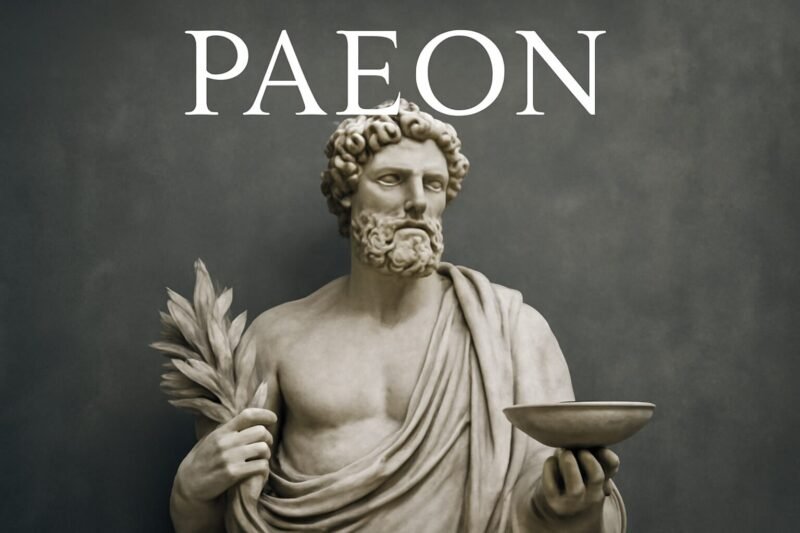
In Greek mythology, Paeon (or Paeëon) is a lesser-known but significant deity associated with healing and medicine. Often overshadowed by his more famous counterpart, Asclepius, Paeon holds a unique place in the pantheon as a divine physician who served the gods themselves.
Origins and Role
Paeon's origins are somewhat ambiguous, with different sources attributing varying parentage. Some myths suggest he was a son of Asclepius, while others claim he was an independent deity. His name, derived from the Greek word paian, meaning "healer" or "helper," reflects his primary role as a divine doctor.
Paeon is most famously mentioned in Homer's Iliad, where he heals Ares, the god of war, after the latter is wounded by Diomedes. This episode highlights Paeon's importance among the Olympians—his skills were trusted even by the mighty gods when they needed healing.
Powers and Significance
As a healing deity, Paeon possessed profound knowledge of medicinal herbs and remedies. Unlike Asclepius, who focused on mortal ailments, Paeon specialized in treating divine injuries—a rare and crucial role in mythology. His abilities extended beyond physical wounds; some traditions suggest he could also soothe emotional or spiritual distress.
The connection between Paeon and healing chants (paeans) is particularly interesting. These ritual songs, originally addressed to Apollo, later became associated with Paeon, blending medicine with music—a concept that foreshadowed modern understandings of music therapy.
Relationships with Other Deities
Paeon's relationship with Apollo is complex. Some sources identify him as an epithet of Apollo (Apollo Paean), while others maintain he was a separate deity who worked under Apollo's guidance. This ambiguity suggests Paeon may have originated as an independent healing god later absorbed into Apollo's cult.
His connection to Asclepius is equally intriguing. If Paeon was indeed Asclepius's son, it creates a fascinating lineage of healing gods. However, their overlapping domains also suggest possible regional variations in healing cults that eventually merged in Greek mythology.
Legacy and Worship
Though not as widely worshiped as Asclepius, Paeon's influence persisted in Greek culture. The term paean endured as both a healing chant and a song of triumph, demonstrating how his association with healing expanded into broader cultural expressions. Some scholars believe Paeon may represent an earlier, pre-Hellenic healing deity whose worship was later incorporated into the Olympian pantheon.
Today, Paeon remains an intriguing figure—a reminder that Greek mythology contained specialized deities for even the most specific divine needs, and that healing was considered important enough to warrant multiple divine practitioners at different levels of the cosmic hierarchy.
Alternative Names for Paeon (Paeëon)
God Name: Paian (Greek)
An alternative spelling of Paeon, often used in poetic contexts or hymns. It reflects the same healing deity associated with Apollo.
God Name: Iatros (Greek)
Meaning 'healer' or 'physician,' this name emphasizes Paeon's role as a divine healer, sometimes used interchangeably in mythological texts.
God Name: Aesculapius (Roman)
The Roman equivalent of the Greek healing god Asclepius, sometimes conflated with Paeon due to their shared associations with medicine and healing.
God Name: Apollo Paean (Greek)
A compound name linking Apollo with Paeon, highlighting Apollo's role as a god of healing, particularly in his aspect as a deliverer from plagues.
Tales about Paeon (Paeëon)
Paeon and Asclepius: The Healing Rivalry
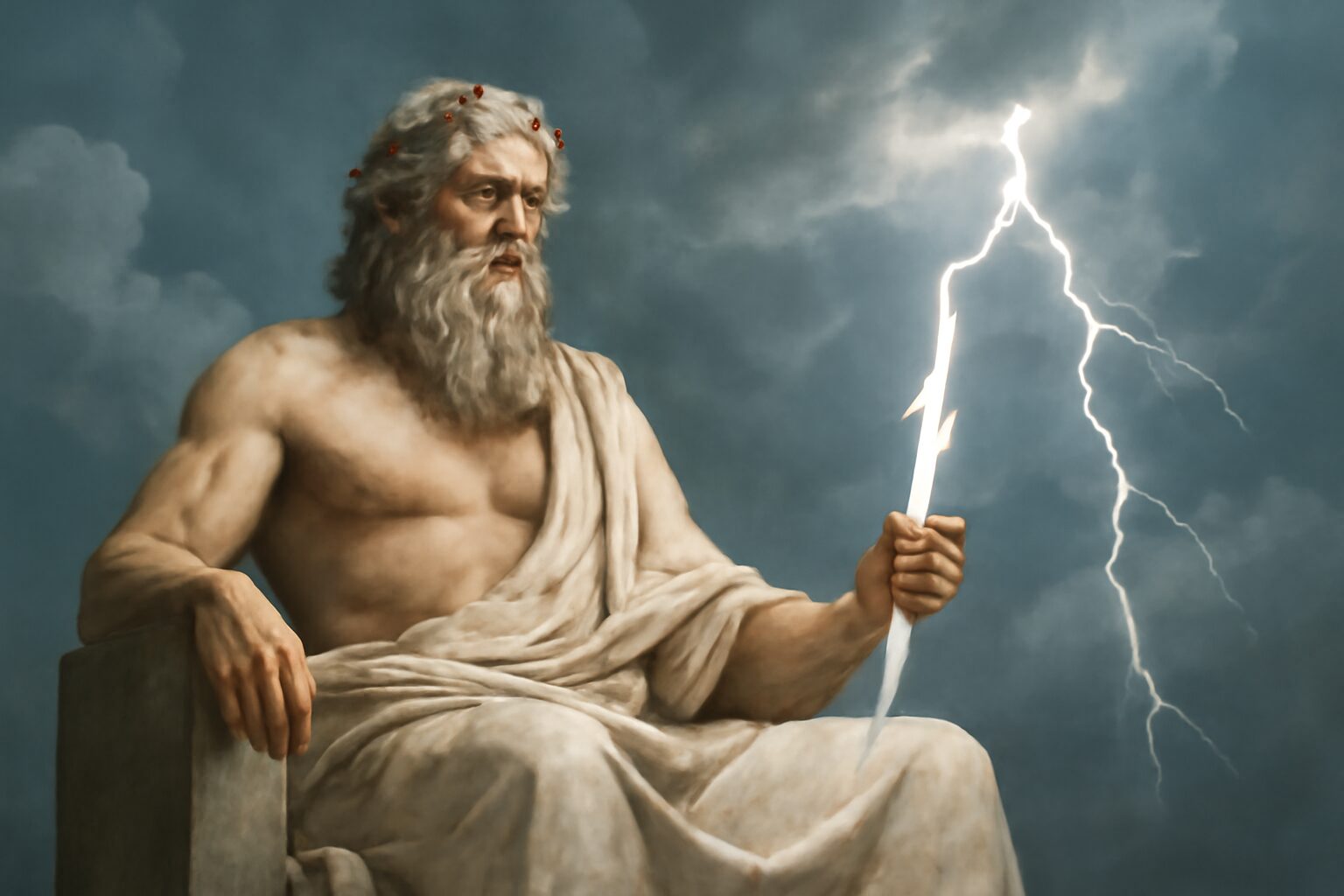
In the divine halls of Olympus, Paeon was renowned for his miraculous healing abilities, a talent that drew both admiration and envy. Asclepius, the god of medicine, watched Paeon’s growing reputation with unease. When Zeus suffered a grievous wound during the Titanomachy, it was Paeon who was summoned to apply a balm so potent that it soothed the king of gods instantly.
Asclepius, feeling overshadowed, confronted Paeon, challenging him to a contest of healing prowess. They were to revive a fallen hero, struck down by a Hydra’s venom. Asclepius used herbs and incantations, but Paeon employed a rare flower gifted by Gaia herself. As Paeon’s remedy began to work, Asclepius conceded, though a respectful rivalry blossomed between them, forever remembered in the annals of divine healers.
Paeon and Hades: A Pact in the Underworld
When Persephone fell ill from a mysterious blight in the Underworld, Hades, in desperation, sought out Paeon. Venturing into the realm of shadows, Paeon diagnosed the ailment as a touch of Achlys, the primordial mist of misery. Using a blend of light from Helios and nectar from Zeus's own cup, he crafted a cure.
Hades, grateful, offered Paeon a unique boon: the ability to heal souls tormented in Tartarus. Paeon accepted, and from that day, his influence extended even to the dead, easing their sufferings. This alliance between healer and death god became a testament to compassion transcending even the darkest realms.
Frequently Asked Questions
Who is Paeon in Greek mythology?
Paeon (also spelled Paeu00ebon) is a lesser-known deity in Greek mythology associated with healing. He is sometimes considered a physician of the gods or an epithet of Apollo, who is more widely recognized as the god of healing and medicine.
What is the significance of Paeon in Greek myths?
Paeon represents the ancient Greek understanding of healing and medicine. His presence highlights the importance of health and divine intervention in curing ailments, reflecting how Greeks viewed the connection between spirituality and physical well-being.
Is Paeon the same as Apollo?
Paeon is sometimes identified as an aspect or epithet of Apollo, particularly in his role as a healer. However, in some myths, Paeon is a separate deity who serves as a divine physician, showcasing the layered nature of Greek mythology.
How does Paeon's role apply to modern understanding of medicine?
Paeon symbolizes the ancient roots of medical practice, where healing was often linked to divine favor. Today, his legacy can be seen in the continued respect for the art of healing, even as modern medicine has evolved beyond mythological explanations.
Are there any myths or stories featuring Paeon?
One notable mention of Paeon is in Homer's 'Iliad,' where he heals Ares and Hades after they are wounded in battle. This underscores his role as a healer for even the most powerful gods, emphasizing his importance in mythological narratives.