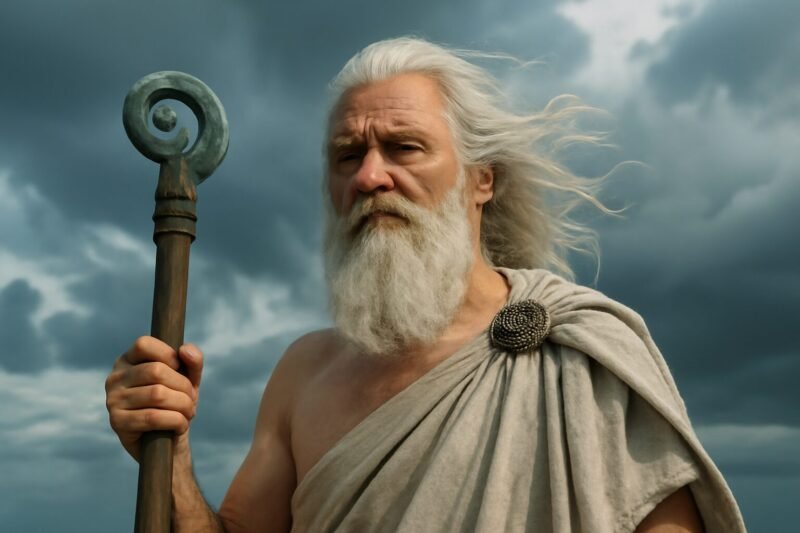
Skeiron: The Bandit God of the Winds
In Greek mythology, Skeiron (also spelled Sciron) was a notorious bandit who terrorized travelers along the coastal cliffs of Megara. Though not a major deity, his story is intertwined with divine figures and serves as a cautionary tale about hubris and justice.
The Infamous Cliffside Trap
Skeiron made his home on the steep cliffs between Megara and Corinth, where he would force passing travelers to wash his feet. When they knelt to perform this task, he would kick them off the cliff into the sea below, where they would be devoured by a giant sea turtle or, in some versions, a monstrous crab. This cruel practice earned him the nickname "the foot-washer."
Connection to Divine Figures
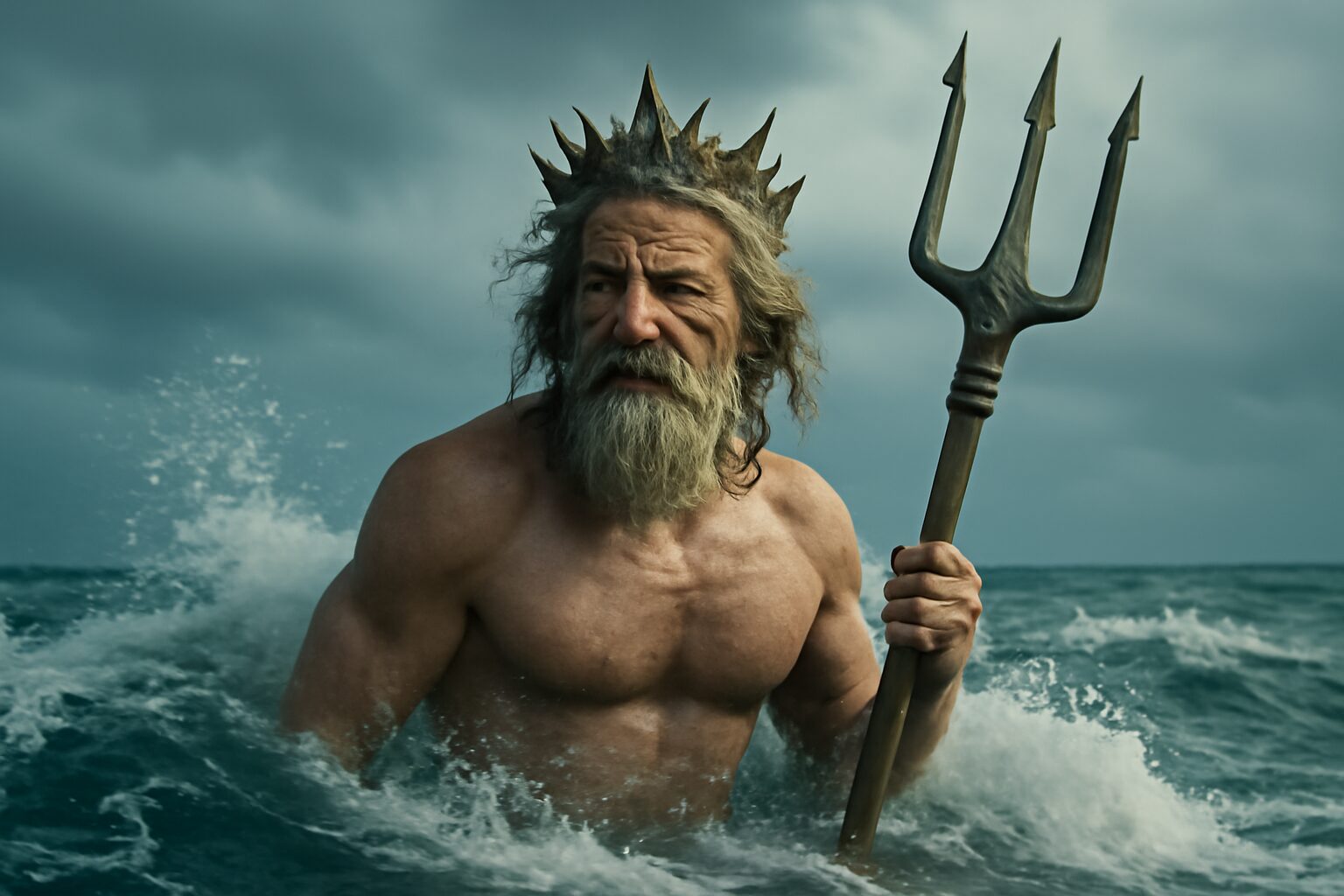
According to some myths, Skeiron was actually the son of Poseidon, god of the sea, or in other versions, the son of Pelops and brother to the hero Theseus. His divine or semi-divine lineage made his crimes particularly egregious, as he abused his privileged position.
Theseus and the End of Skeiron
The hero Theseus famously ended Skeiron's reign of terror during his journey from Troezen to Athens. When Skeiron attempted his usual trick on Theseus, the hero turned the tables - either by throwing Skeiron off the same cliff or, in some accounts, forcing him to wash Theseus's feet before kicking him into the sea. This act became one of Theseus's famous labors on the road to Athens.
Symbolism and Legacy
Skeiron's story represents several important themes in Greek mythology:
- The punishment of hubris and abuse of power
- The triumph of civilization (Theseus) over barbarism
- The dangerous liminal space between land and sea
The cliffs where Skeiron operated were later called the "Scironian Rocks," a dangerous stretch of coastline that remained notorious in Greek geography. His myth may have originated as an explanation for treacherous sea conditions in that area.
While not worshiped as a god, Skeiron's story survived as part of the Theseus legend and as a moral lesson about the consequences of preying on the weak and defenseless.
Alternative Names for Skeiron
God Name: Sceiron (Greek)
An alternative spelling of Skeiron found in some ancient Greek texts, reflecting regional or dialectal variations in pronunciation and spelling.
God Name: Sciron (Roman)
The Romanized version of Skeiron, used in Latin texts and mythology, often retaining the same mythological role and attributes.
God Name: Skeiru00f4n (Greek)
A variant transliteration from the original Greek, sometimes used in scholarly works to denote the original pronunciation more accurately.
Tales about Skeiron
The North Wind's Challenge
In the ancient tales, Skeiron, the mighty northwest wind, often found himself at odds with the gentle Zephyrus, the west wind of spring. One year, as winter clung stubbornly to the land, Skeiron refused to yield his icy grip, delaying the arrival of blossoms and warmth. Zephyrus, patient yet determined, challenged Skeiron to a contest of influence over a single valley.
The Contest of Blossoms and Frost
For three days, Skeiron blew his frigid gusts, coating the valley in frost each night. Yet each dawn, Zephyrus answered with soft, warm breaths that coaxed resilient crocuses and snowdrops to pierce the frozen earth. On the fourth day, the valley was awash with early flowers, their colors defiant against the retreating cold. Humbled by Zephyrus’s persistent gentleness, Skeiron relented, allowing spring to proceed—a lesson in balance between force and nurturing grace.
Skeiron and the Wrath of Zeus
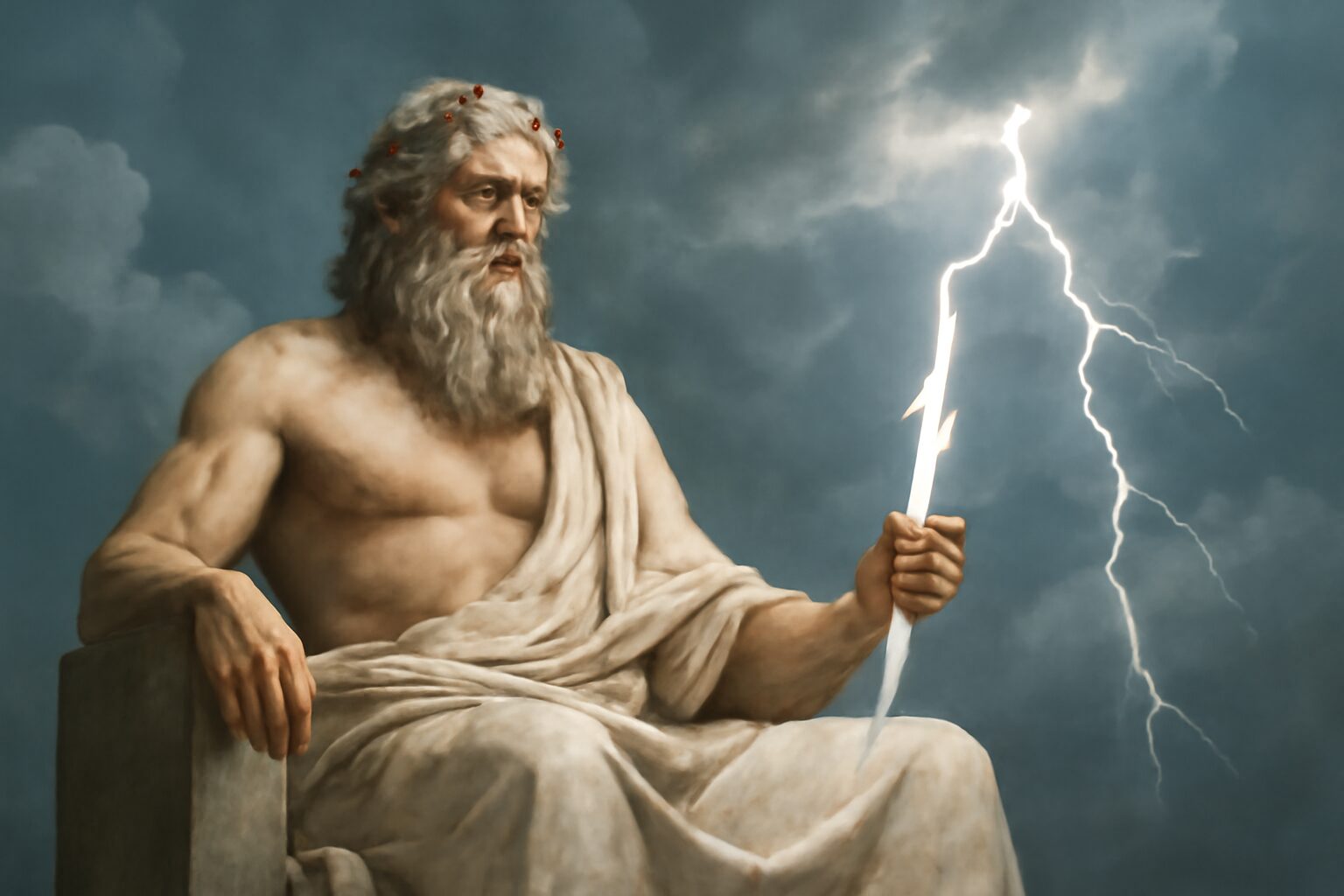
Another legend tells of a time when Skeiron, in a fit of arrogance, decided to test his strength against the king of the gods himself. He gathered his most violent storms and hurled them toward Olympus, aiming to disrupt the tranquility of the divine realm. Zeus, from his golden throne, observed the tempest with a furrowed brow.
The Thunderbolt's Rebuke
With a mere raise of his hand, Zeus summoned a thunderbolt of immense power, which he cast not to destroy, but to educate. The bolt split the sky, not with anger, but with authoritative resonance, shaking the very foundations of Skeiron’s gales. The wind god’s storms dissipated instantly, leaving him breathless and awestruck. Zeus’s voice echoed across the heavens: “Even the mightiest winds bow to order.” From that day forth, Skeiron channeled his power with reverence, remembering the might and wisdom of the Olympian ruler.
Frequently Asked Questions
Who is Skeiron in Greek mythology?
Skeiron is a lesser-known figure in Greek mythology, often associated with the sky or wind deities. He is sometimes depicted as a bandit or a figure who challenges heroes, like Theseus, during their journeys.
Why is Skeiron important in Greek myths?
Skeiron's importance lies in his role as a symbolic obstacle or test for heroes. His stories often highlight themes of justice, retribution, and the triumph of good over evil, which are central to many Greek myths.
What can we learn from the myth of Skeiron?
The myth of Skeiron teaches lessons about hubris and consequences. His downfall, often at the hands of heroes like Theseus, serves as a reminder that wrongful actions, such as harming travelers, are eventually punished.
How does Skeiron relate to other sky deities in Greek mythology?
While Skeiron is not a major sky god like Zeus, his connection to the sky or wind suggests a minor role within the broader pantheon of Greek deities. He may represent the unpredictable or destructive aspects of nature.
Are there modern interpretations or references to Skeiron?
Skeiron is not widely referenced in modern culture, but his myth can be seen as an early example of the 'villain who gets their comeuppance' trope, which appears in many contemporary stories and media.