
Enyo: The Fierce Goddess of War and Destruction
In Greek mythology, Enyo was a formidable goddess of war, often associated with bloodshed, destruction, and the chaos of battle. Her name means "warlike" or "horror," and she was frequently depicted alongside Ares, the god of war, as his sister or companion. While less famous than Athena, the goddess of strategic warfare, Enyo embodied the brutal, unrestrained fury of combat.
Enyo's Role in Mythology
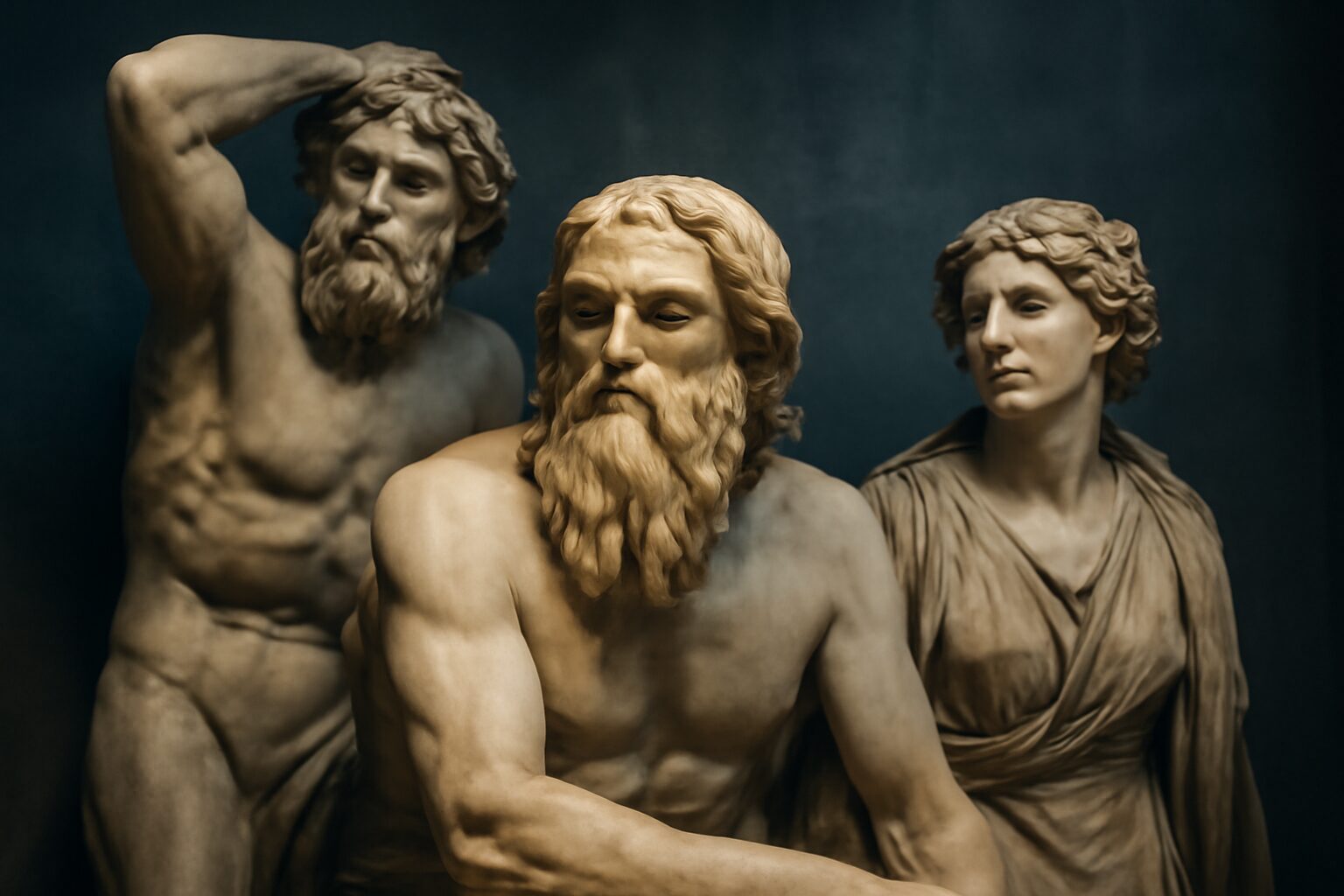
Enyo was one of the Graeae, a trio of ancient goddesses who personified the horrors of war. Alongside her sisters Deino (Dread) and Pemphredo (Alarm), she represented the terrifying aspects of battle. Unlike Athena, who symbolized disciplined warfare, Enyo reveled in the carnage, often inciting warriors to frenzy and delighting in the destruction of cities.
She played a key role in the Trojan War, where she was said to have spurred warriors into violent clashes. Some myths even describe her as the mother of the war god Enyalius, though this role is sometimes attributed to Ares or other deities.
Powers and Symbols
Enyo was a fearsome presence on the battlefield, wielding powers that amplified chaos and terror. She could:
- Inspire uncontrollable bloodlust in soldiers
- Summon storms and destruction upon cities
- Manipulate the tides of war to favor whichever side she chose
Her symbols included the spear, torch, and bloodstained armor, all representing her ruthless nature. Unlike Athena’s owl or Ares’ vulture, Enyo had no single sacred animal, but she was often depicted surrounded by the carnage of war.
Relationships with Other Deities
Enyo was closely linked to Ares, sometimes as his sister, consort, or even an aspect of his destructive power. In Roman mythology, she was equated with Bellona, the goddess of war. She also had ties to Eris, the goddess of strife, as both thrived in conflict.
Despite her fearsome reputation, Enyo was not widely worshiped in Greece. Unlike Athena, who had grand temples, Enyo’s cult was more obscure, possibly because her nature was too terrifying for regular veneration.
Legacy and Significance
Enyo’s legacy lies in her embodiment of war’s darkest aspects—uncontrolled violence, devastation, and the madness of battle. While other war deities represented strategy or honor, Enyo was pure destruction. Her myths serve as a reminder of war’s brutal reality, contrasting with the more glorified depictions of combat in Greek culture.
Today, she remains a fascinating figure in mythology, representing the untamed fury that even gods like Ares could not fully control.
Alternative Names for Enyo (Graeae)
God Name: Enyo (Greek)
Enyo is the primary Greek goddess of war, often associated with destruction and bloodshed. She is sometimes considered a counterpart to the Roman goddess Bellona.
God Name: Bellona (Roman)
Bellona is the Roman goddess of war, closely associated with Enyo. She was worshiped as a companion or counterpart to Mars, the god of war, and symbolized the destructive aspects of battle.
God Name: Graeae (Greek)
The Graeae were three sisters in Greek mythology who shared one eye and one tooth among them. Enyo is sometimes identified as one of the Graeae, linking her to their ominous and prophetic nature.
God Name: Eris (Greek)
Eris is the Greek goddess of strife and discord, often conflated with Enyo due to their shared associations with conflict and chaos. Eris is best known for inciting the Trojan War by tossing the Apple of Discord.
Tales about Enyo (Graeae)
Enyo and the Prophecy of Phorcys
In the shadowy depths of the sea, Enyo, one of the three Graeae sisters, shared a single eye and tooth with her siblings, Pemphredo and Deino. Their existence was a tapestry woven with threads of ancient knowledge and grim foresight. One stormy night, as they passed their shared eye between them, they foresaw a great disturbance brewing in the abyssal realms. Phorcys, the primordial sea god and their father, sought counsel from his daughters, for even he respected the eerie sight granted by their singular eye.
Enyo, taking the eye, peered into the murky future and whispered of a coming conflict between the sea nymphs and a monstrous offspring of Gaia. Phorcys, heeding her warning, fortified the ocean's depths, calling upon his other children, including the Gorgons and the Hesperides, to stand guard. Enyo’s vision proved true, and though the battle was fierce, the sea remained unbroken, thanks to the Graeae’s foresight. This tale is often recounted to illustrate how even the most feared beings hold keys to preservation and wisdom.
Enyo’s Encounter with Perseus
The hero Perseus, on his quest to slay Medusa, was directed to seek the Graeae for guidance, as they alone knew the location of the Gorgons. Finding the three sisters—Enyo, Pemphredo, and Deino—huddled in their cave, he watched as they passed their one eye between them. With cunning and speed, Perseus snatched the eye as Enyo extended her hand to receive it.
Plunged into darkness, the sisters cried out in unison, their voices echoing like waves against stone. Enyo, though blind and furious, recognized the determination in Perseus’s voice. She bargained with him: the eye in exchange for the information he sought. Reluctantly, Perseus agreed, and Enyo, her voice a low growl, revealed the path to the Gorgons’ lair. As Perseus departed, Enyo whispered a curse upon his journey, a reminder that even heroes must pay a price for meddling with ancient powers. This encounter highlights the thin line between aid and antagonism in the myths of old.
Frequently Asked Questions
Who is Enyo in Greek mythology?
Enyo is a lesser-known Greek goddess associated with war and destruction, often considered a counterpart or companion to Ares, the god of war. She is sometimes linked with the Graeae, who were three ancient sea deities known for sharing one eye and one tooth among them.
What are the Graeae in Greek mythology?
The Graeae were three sisters in Greek mythology, often depicted as sea deities or old women who shared one eye and one tooth. They are known for their role in the myth of Perseus, where he tricks them to obtain information about the location of Medusa.
Why are Enyo and the Graeae important in Greek myths?
Enyo and the Graeae represent different aspects of ancient Greek beliefsu2014Enyo symbolizes the chaos of war, while the Graeae embody the mysterious and often frightening forces of the sea. Their stories highlight themes of cunning, fate, and the supernatural in Greek mythology.
How does the story of the Graeae apply to modern storytelling?
The Graeae's unique traits, like sharing one eye, have inspired modern fantasy and horror genres, showcasing how ancient myths influence contemporary tales about supernatural beings and moral lessons about wisdom and deception.
What can we learn from Enyo and the Graeae?
These figures teach us about the Greeks' understanding of war, fate, and the unknown. Enyo's association with war reminds us of its destructive nature, while the Graeae's myth emphasizes the value of cleverness and resourcefulness in overcoming challenges.