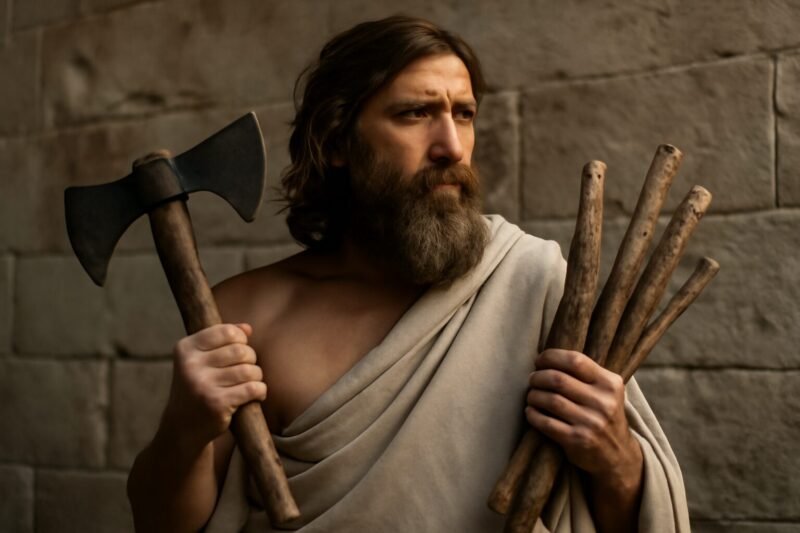
Hecaterus: The Obscure God of Rustic Dance
In the vast pantheon of Greek mythology, Hecaterus (also spelled Hekateros) stands as one of the more obscure deities, yet his influence touches upon some of the most joyful aspects of ancient Greek culture. As a rustic god associated with dance, skilled hands, and fertility, Hecaterus represents the communal celebrations of rural life.
Origins and Family
Hecaterus appears in few surviving myths, but according to some traditions, he was the son of Phoroneus, an early Argive king, and the nymph Teledice. More commonly, he is considered a primordial deity linked to the earth's fertility. He fathered the Hecaterides, five rustic nymphs who became the mothers of the Dactyls (minor deities associated with metalworking and magic) and the Oreads (mountain nymphs).
Role and Powers
Hecaterus was primarily worshiped as the god of the hekatis, a lively group dance performed with linked hands—a precursor to modern circle dances. His domain extended to manual dexterity, making him a patron of craftsmen, shepherds, and those who relied on skilled handiwork. Unlike the Olympians, Hecaterus embodied the earthy, communal spirit of rural festivals rather than grand cosmic power.
Significance in Greek Culture
Though not as prominent as gods like Zeus or Apollo, Hecaterus played a vital role in local traditions. His connection to dance and fertility rituals highlights the importance of music and movement in ancient Greek worship. The hekatis dance symbolized unity and joy, often performed during harvest festivals and rites honoring nature spirits.
His legacy also lives on through his descendants—the Dactyls, who were said to have taught metalworking to humanity, and the Oreads, who watched over mountains and wild places. In this way, Hecaterus bridges the gap between human craftsmanship and the untamed forces of nature.
Alternative Names for Hecaterus
God Name: Hecaterus (Roman)
The Roman name for Hecaterus is the same as the Greek, as there is no distinct Roman equivalent or alternative name recorded in classical mythology.
God Name: Hekateros (Greek)
An alternative Greek spelling or variation of Hecaterus, sometimes used in different texts or regional dialects.
God Name: Hekaterides (Greek)
A plural or collective form referring to Hecaterus and his associated nymphs or spirits, often linked to rustic dances and festivities in Greek mythology.
Tales about Hecaterus
The Dance of Hecaterus and the Nymphs
In the wild, untamed forests of ancient Greece, Hecaterus, the rustic god of the dance and skilled hands, once encountered the graceful Dryades nymphs. They were lamenting the stillness of the woods, for no new dance had been invented to celebrate the changing seasons. Moved by their sorrow, Hecaterus gathered them in a moonlit grove and taught them a vigorous, intricate dance involving swift hand movements and lively footwork. This dance, known as the Hecateris, became a sacred ritual performed to honor the fertility of the land and the artistry of movement. The nymphs, delighted, spread this dance throughout the forests, ensuring that Hecaterus’s legacy would echo in every rustling leaf and joyful step.
The Gift to Pan
Another tale tells of Hecaterus’s friendship with Pan, the god of the wild. Pan, though a master of the syrinx (panpipes), struggled to create music that could inspire coordinated dancing among his followers. Hecaterus, seeing his friend’s frustration, crafted a set of clappers from seasoned oak and taught Pan how to rhythmically strike them together. This percussion added a driving beat to Pan’s melodies, giving birth to ecstatic dances that swept through the mountains. From that day, Pan’s revels were never without the spirited accompaniment born from Hecaterus’s ingenuity, symbolizing the union of music and dance in nature’s celebration.
Frequently Asked Questions
Who are the Hecaterus in Greek mythology?
The Hecaterus are a group of rustic deities in Greek mythology, often associated with dance, music, and the wild aspects of nature. They are considered minor gods connected to rural life and festivities.
Why are the Hecaterus important in Greek mythology?
The Hecaterus represent the untamed and joyful aspects of nature, embodying the spirit of rural celebrations and communal harmony. They highlight the Greeks' appreciation for nature and the simpler, more primal aspects of life.
What can we learn from the Hecaterus?
The Hecaterus teach us about the importance of balance between civilization and nature, as well as the value of joy, music, and dance in human culture. They remind us to celebrate life's simple pleasures.
How do the Hecaterus apply to modern life?
Today, the Hecaterus can symbolize the need to reconnect with nature and embrace communal joy, much like modern festivals or outdoor gatherings that celebrate music, dance, and togetherness.
Are the Hecaterus related to other Greek gods?
Yes, the Hecaterus are often linked to other rustic deities like satyrs and nymphs, and sometimes associated with gods such as Dionysus, who embodies revelry and the wilder side of life.