Ekecheiria: The Spirit of the Olympic Truce
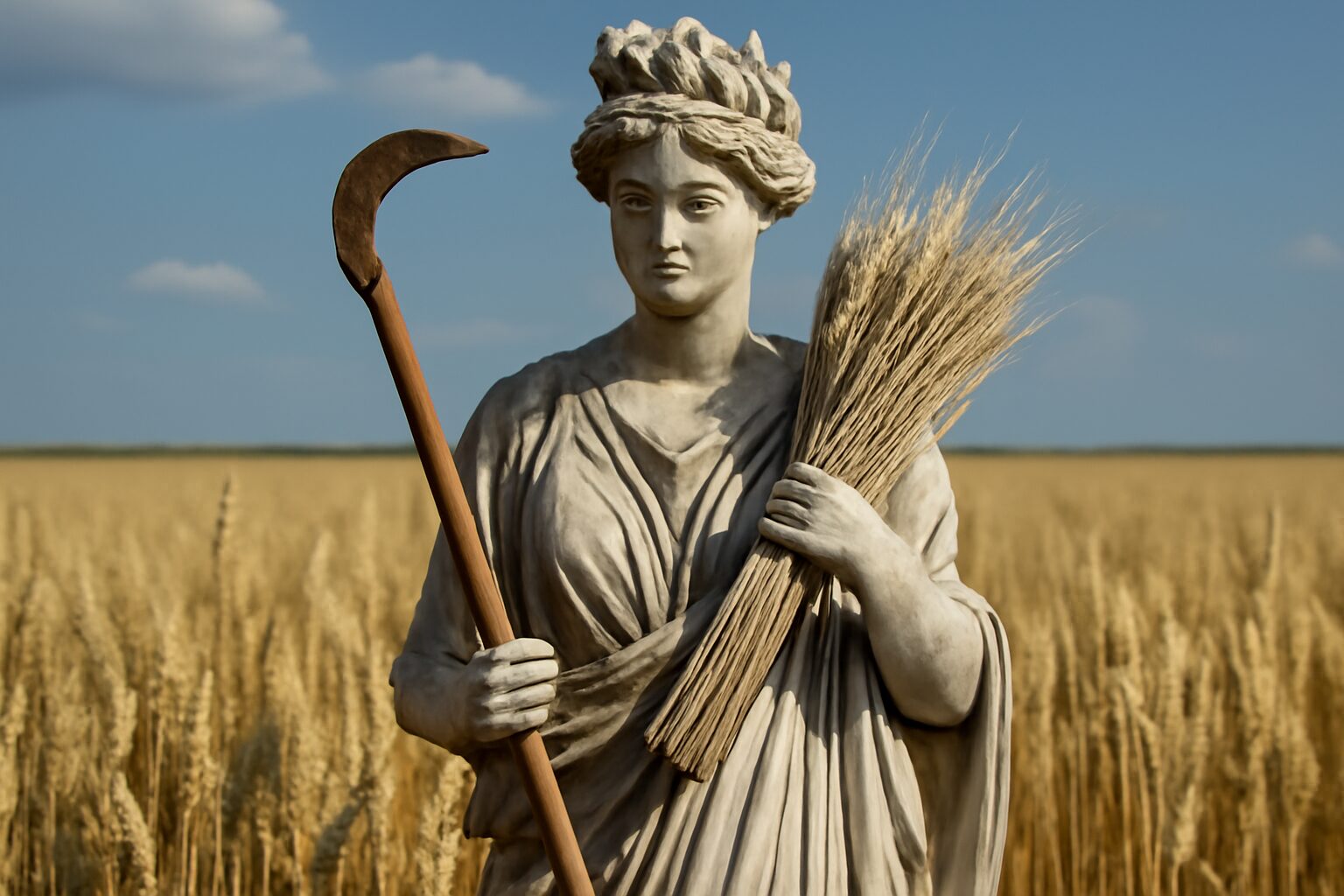
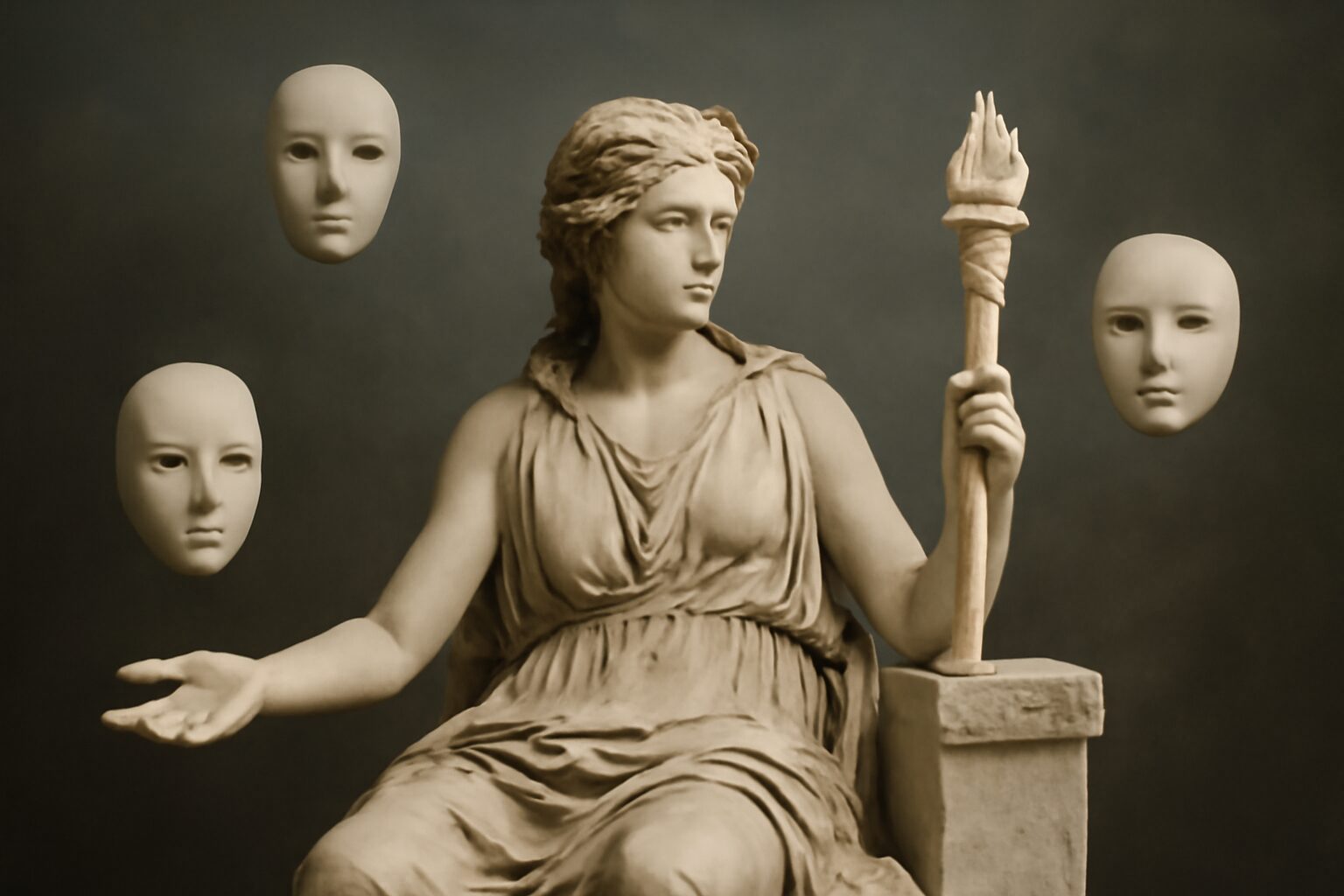
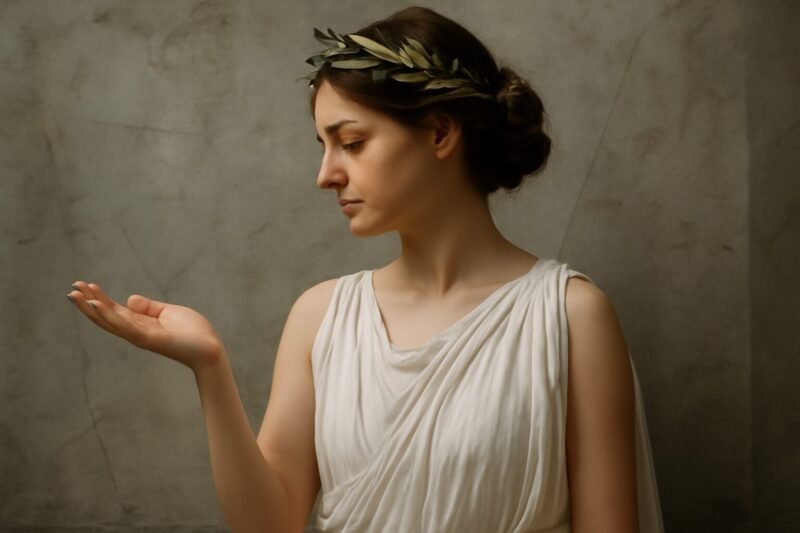
In Greek mythology, Ekecheiria (Ἐκεχειρία) was the divine personification of the Olympic Truce—a sacred peace agreement observed during the ancient Olympic Games. Her name translates to "holding of hands", symbolizing the cessation of hostilities and the unity fostered by the games.
Role and Significance
Ekecheiria played a crucial role in ensuring the safety of athletes, spectators, and pilgrims traveling to Olympia for the games. The truce, which lasted for several weeks before and after the Olympics, prohibited wars, legal disputes, and any form of violence among Greek city-states. This allowed participants to compete without fear, reinforcing the games as a celebration of peace and athletic excellence.
Mythological Origins
The tradition of the Olympic Truce dates back to the 9th century BCE, established by the kings of Elis, Sparta, and Pisa. According to legend, the truce was first instituted by Iphitos of Elis, who sought the Oracle of Delphi's guidance to end the wars plaguing Greece. The oracle declared that restoring the Olympic Games and enforcing a sacred peace would appease the gods.
Powers and Worship
Though not a major deity like Zeus or Athena, Ekecheiria was revered as a divine enforcer of harmony. Her presence was invoked during the proclamation of the truce, and violations were considered sacrilegious, punishable by fines or exclusion from future games. Temples and altars in Olympia honored her alongside Zeus, the patron god of the Olympics.
Legacy
The concept of Ekecheiria inspired the modern Olympic Truce, revived by the International Olympic Committee in 1992. Her spirit endures as a reminder that even in times of conflict, humanity can unite through sport and shared ideals.
Alternative Names for Ekecheiria
God Name: Ekecheiria (Greek)
The primary Greek name for the goddess of truce and armistice, associated with the Olympic Games.
God Name: Concordia (Roman)
The Roman equivalent of Ekecheiria, representing harmony, peace, and reconciliation, though not a direct counterpart.
God Name: Horkia (Greek (epithet))
An epithet sometimes associated with Ekecheiria, derived from 'horkos' (oath), emphasizing her role in upholding truces and oaths during the Olympics.
God Name: Spondophoros (Greek (alternative))
A less common name meaning 'libation-bearer,' referencing the ritual libations poured to seal truces in her name during the Olympic truce period.
Tales about Ekecheiria
The Truce of the Healer
During the Trojan War, as conflict raged and the wounded multiplied, Ekecheiria saw an opportunity to bring a moment of peace. She approached Iaso, the goddess of recuperation and healing, who was tirelessly tending to fallen warriors on both sides. Together, they devised a plan: a temporary ceasefire to allow for the collection and care of the injured.
Ekecheiria’s influence softened the hearts of generals and soldiers alike, creating a sacred pause in the bloodshed. Under this truce, Iaso moved freely across the battlefield, her presence a balm to the suffering. For a brief, shining interval, the clashing of swords was replaced by the gentle ministrations of healers, and even Ares, god of war, held his breath, respecting the solemnity of the moment.
The Legacy of Compassion
This collaboration between Ekecheiria and Iaso became a legendary example of mercy in the midst of chaos, reminding all that even in war, humanity and healing could find a place.
The Pact with the God of Oaths
In a time when petty disputes among mortals threatened to escalate into full-blown conflicts, Ekecheiria sought to reinforce the sanctity of agreements. She turned to Horkos, the divine personification of oaths, known for relentlessly punishing oath-breakers.
Ekecheiria proposed that Horkos lend his gravity to truces and peace treaties, ensuring that those who swore to cease hostilities would face dire consequences if they betrayed their word. Horkos, impressed by her dedication to order, agreed. From that day forward, every truce bore not only Ekecheiria’s spirit of ceasefire but also the formidable weight of Horkos’s justice.
An Unbreakable Bond
This alliance made peace accords more resilient, as the fear of divine retribution strengthened mortal resolve to honor their commitments, weaving a deeper respect for truces into the fabric of human dealings.
Frequently Asked Questions
Who is Ekecheiria in Greek mythology?
Ekecheiria is the Greek goddess or spirit (daimon) of truce, armistice, and the cessation of hostilities. She is best known for presiding over the Olympic Truce during the ancient Olympic Games, ensuring peace among warring city-states.
Why was Ekecheiria important in ancient Greece?
Ekecheiria was crucial because she symbolized and enforced the sacred Olympic Truce, allowing athletes, artists, and spectators to travel safely to and from the games. This temporary peace demonstrated how shared cultural events could transcend political conflicts.
What can we learn from the concept of Ekecheiria today?
Ekecheiria teaches us that even in times of conflict, humanity can create spaces for peace, cultural exchange, and friendly competition. The Olympic Truce tradition continues to inspire modern calls for ceasefires during major sporting events.
How is Ekecheiria different from other Greek peace deities?
While goddesses like Eirene represented peace as a general concept, Ekecheiria specifically personified temporary, ritualized peace agreements - particularly the Olympic Truce. She was more about practical ceasefire than abstract harmony.
Was Ekecheiria worshiped like other Greek gods?
Unlike major Olympian gods, Ekecheiria wasn't widely worshiped with temples or sacrifices. She was more of a symbolic personification invoked during the Olympic Truce, showing how the Greeks gave divine form to important social concepts.