Ichnaea: The Greek Goddess of Tracking and Investigation
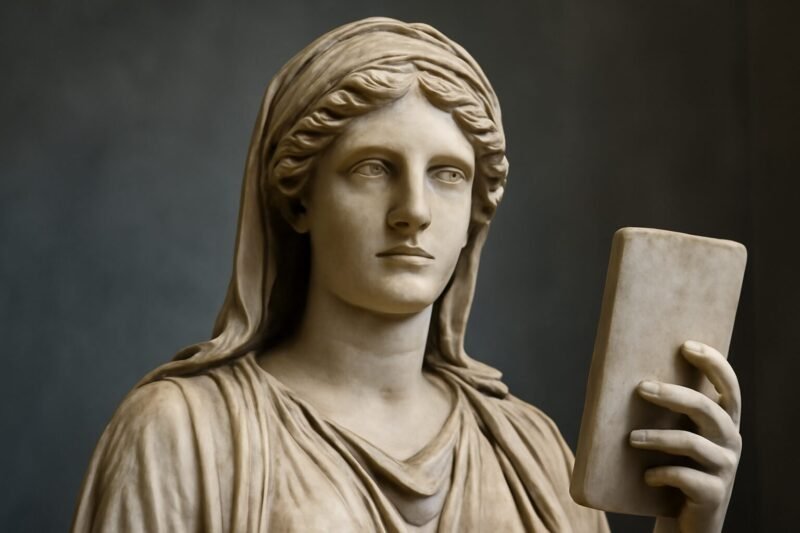
In the vast pantheon of Greek deities, Ichnaea stands as a lesser-known but fascinating figure. Her name, derived from the Greek word ichnos (meaning "track" or "footprint"), reveals her domain: she was the goddess of tracking, investigation, and discovery. Though not as prominent as Olympian gods, Ichnaea played a crucial role in myths involving pursuit and uncovering hidden truths.
Mythology and Role
Ichnaea was often invoked in situations requiring keen perception and the ability to follow clues. She was associated with both hunters and detectives, embodying the skill of tracing footsteps or uncovering secrets. Some myths suggest she aided gods and mortals alike in solving mysteries or finding lost individuals, acting as a divine force of revelation.
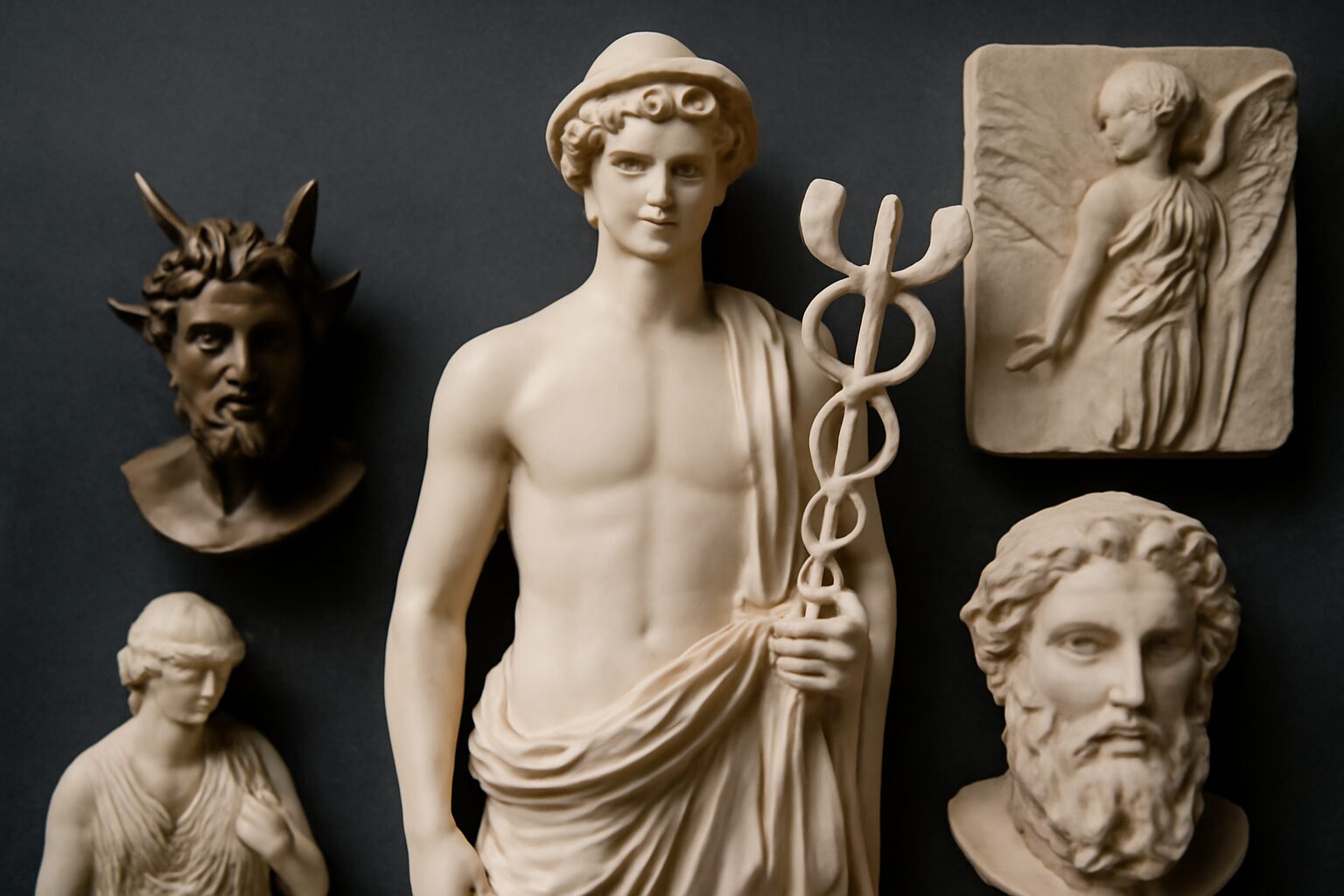
Her abilities made her a natural ally of gods like Artemis, the huntress, and Hermes, the trickster and messenger. In some traditions, she was considered an aspect of Themis, the goddess of divine law and order, reinforcing her connection to justice and truth-seeking.
Powers and Symbolism
Ichnaea's powers centered around perception and deduction. She could see what others missed—whether it was a faint trail, a hidden motive, or a disguised truth. Unlike gods who relied on brute strength or magic, Ichnaea's strength lay in her unwavering focus and analytical mind.
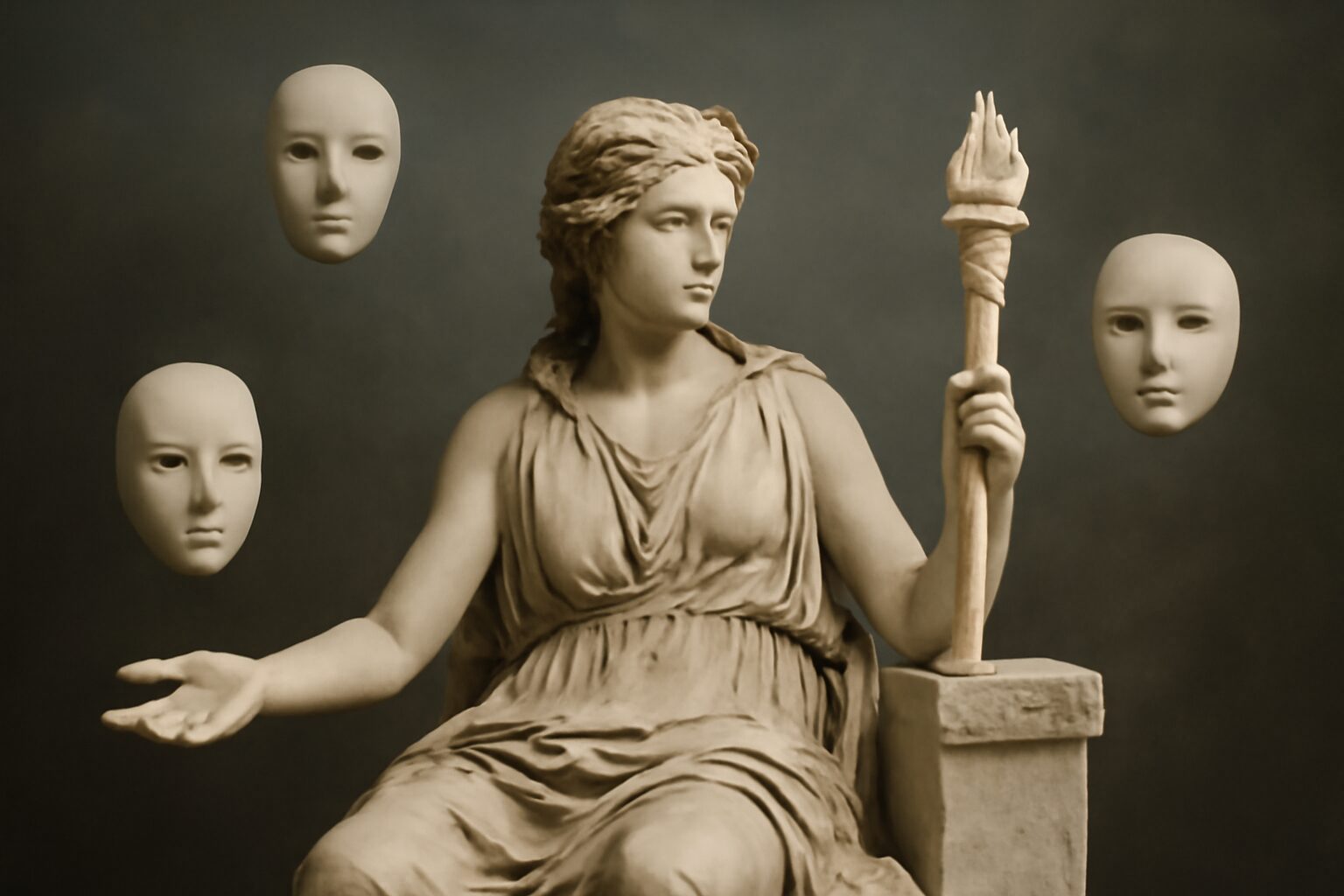
Her symbols included footprints, magnifying glasses (in later interpretations), and hunting dogs, which were often seen as extensions of her tracking abilities. Some depictions show her holding a torch, representing the illumination of hidden knowledge.
Significance in Greek Culture
While Ichnaea lacked grand temples or widespread worship, her influence was felt in everyday life. Hunters, shepherds, and even city officials might pray to her for guidance in finding lost animals, stolen goods, or fugitives. Her presence in myth highlights the Greek appreciation for intellect and problem-solving alongside physical prowess.
In modern terms, Ichnaea could be seen as the patron of detectives, forensic experts, and researchers—anyone who follows clues to uncover the truth. Her legacy endures as a reminder that wisdom and observation are just as powerful as strength in navigating the world's mysteries.
Alternative Names for Ichnaea
God Name: Ichnaia (Greek)
An alternative spelling or variation of 'Ichnaea,' possibly reflecting regional or dialectal differences in ancient Greek.
God Name: Venator (Roman)
A Roman epithet meaning 'Hunter,' possibly used to describe a deity with similar attributes to Ichnaea, who was associated with tracking or hunting.
God Name: Thero (Greek)
An epithet meaning 'Beast' or 'Hunter,' possibly linked to Ichnaea's role in hunting or tracking, derived from Greek mythology.
God Name: Euryode (Greek)
A lesser-known epithet meaning 'Wide-Wandering,' possibly referencing Ichnaea's association with tracking or searching across vast distances.
Tales about Ichnaea
The Hunt for the Stolen Cure
When the sacred herbs of Aceso were stolen by a cunning thief, the goddess of healing turned to Ichnaea, the divine tracker. The thief had covered his tracks with magic mist, but Ichnaea’s keen senses pierced through the deception. She followed the faintest scent of crushed mint and thyme across three mountain ranges until she cornered the thief at a riverbank. With Aceso’s herbs recovered, the two goddesses forged an alliance—wherever healing was needed, truth would pave the way.
The Colors of the Trail
Ichnaea’s pursuit was not merely a chase; it was an art. She read the earth-brown imprints of hurried footsteps, the forest-green brush of disturbed leaves, and even the sky-blue shimmer of residual magic. Aceso watched in awe, learning that every recovery begins with the truth of the path.
The Unseen Thief of the Winds
One season, the gentle breezes of Zephyrus went silent, and the west wind himself could not trace the source of the stillness. Suspecting foul play, he summoned Ichnaea to investigate. She discovered tiny, almost invisible footprints leading to the cave of Apate, the spirit of deceit, who had trapped the winds in a net of illusions. Ichnaea’s truth-revealing gaze dissolved the lies, and Zephyrus’s winds were freed, restoring balance to the skies.
Whispers in the Air
As Ichnaea worked, the very air seemed to speak to her—rustling with hints and half-truths. She taught Zephyrus that truth, like the wind, is always in motion, and even deception leaves a trail for those who know how to look.
Frequently Asked Questions
Who is Ichnaea in Greek mythology?
Ichnaea is a lesser-known Greek goddess associated with tracking and footprints. Her name means 'tracker' or 'footprint finder,' and she was believed to help in locating lost items or people by following traces.
Why is Ichnaea important in Greek mythology?
Ichnaea represents the ancient Greek understanding of tracking and investigation. While not as prominent as major gods, she highlights the cultural value placed on skills like hunting, navigation, and problem-solving in daily life.
What can we learn from the story of Ichnaea?
Ichnaea's role teaches us about the importance of observation and attention to detail. Her mythology reflects how ancient Greeks valued practical skills and the ability to solve problems through careful analysis of clues.
Are there any modern equivalents to Ichnaea?
Today, Ichnaea could be compared to modern detectives, forensic investigators, or even search-and-rescue professionals who use tracking skills. Her concept remains relevant in fields that rely on following evidence or traces.
How does Ichnaea relate to other Greek gods?
Ichnaea is sometimes associated with Artemis (goddess of the hunt) or Hermes (messenger god), as they all deal with movement and tracking in different ways. However, she has her own distinct identity focused specifically on footprints and traces.