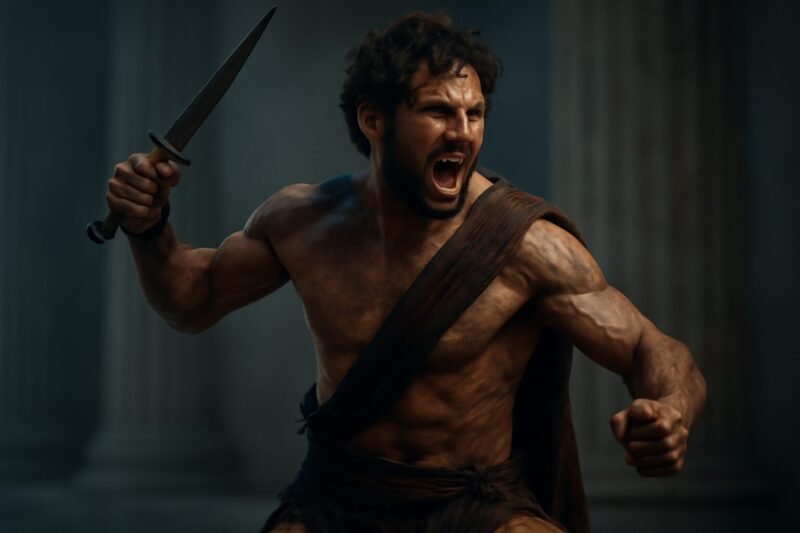
Makhai: The Spirits of Battle in Greek Mythology
In Greek mythology, the Makhai (or Machae) were fierce, lesser-known deities who personified the chaos and violence of battle. Their name translates to "battles" or "fighting spirits," and they were considered the offspring of Eris, the goddess of strife, and siblings to other destructive forces like the Hysminai (combat) and the Androktasiai (manslaughter).
Role and Powers
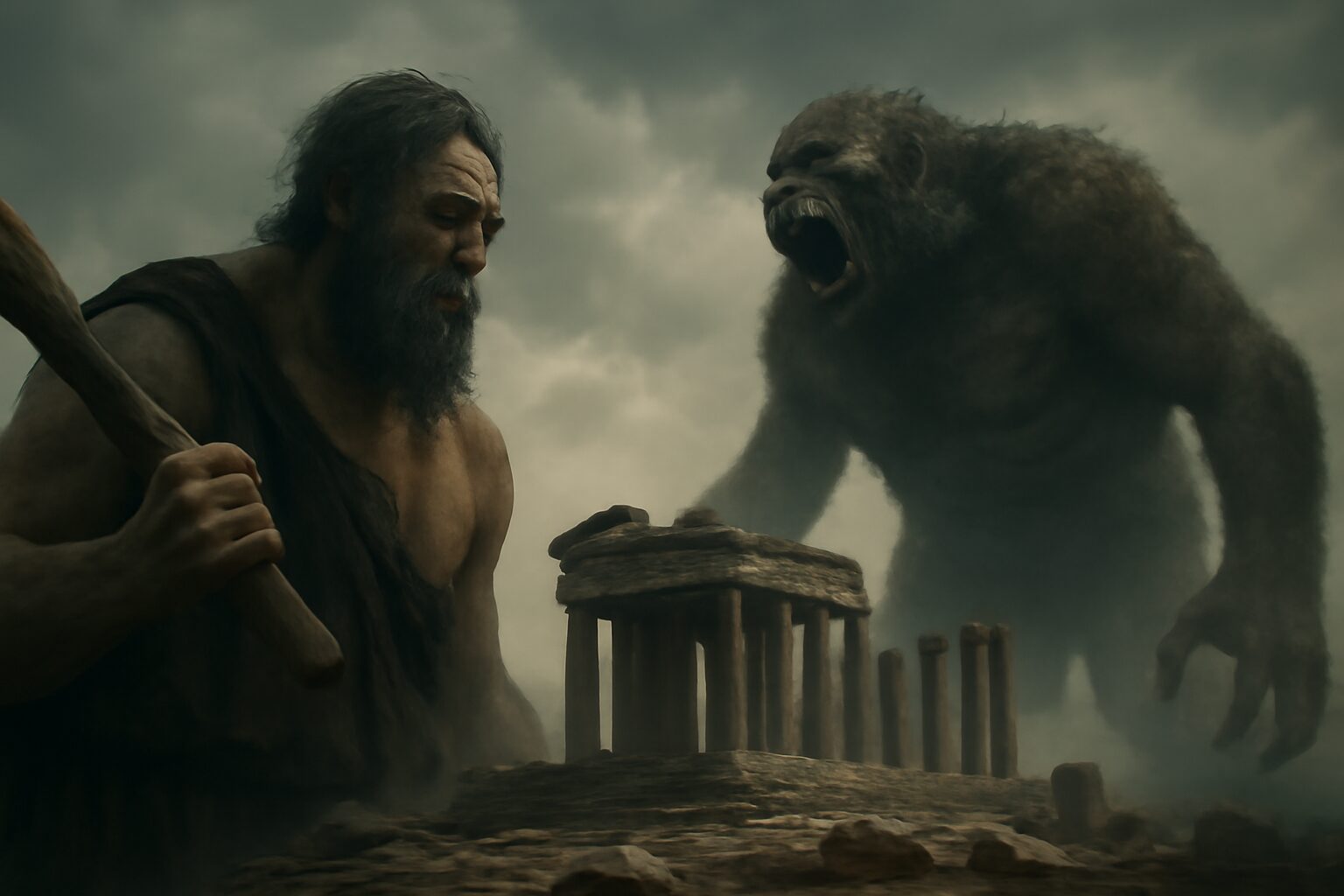
The Makhai were not individual gods but rather a collective of spirits embodying the brutal aspects of war. Unlike Ares, the god of war, who represented the strategic and heroic side of battle, the Makhai symbolized the raw, uncontrollable fury of combat—bloodshed, frenzy, and the indiscriminate destruction of war. They were often invoked in poetic and dramatic works to emphasize the horrors of battle.
Though not as prominent as other war deities, the Makhai were feared for their ability to incite violence and chaos. They were believed to roam battlefields, whispering in the ears of warriors, driving them to madness and bloodlust. Their presence was a reminder that war was not just about glory but also suffering and devastation.
Mythology and Relationships
As children of Eris, the Makhai were part of a dark and destructive lineage. Eris, known for sowing discord (famously sparking the Trojan War with the Apple of Discord), passed on her chaotic nature to her offspring. The Makhai were often grouped with other war-related spirits, such as the Keres (death spirits) and the Phonoi (murder), reinforcing their association with violence.
While they rarely appeared as distinct figures in myths, their influence was felt in epic battles. In Hesiod's Theogony, they are listed among the many destructive forces birthed by Eris, highlighting their role in the natural order of conflict. Unlike gods who took sides in wars, the Makhai were impartial—they thrived on battle itself, not its outcome.
Significance in Greek Culture
The Makhai served as a grim reminder of war’s true nature. Greek poets and playwrights used them to underscore the futility and brutality of combat, contrasting with the heroic ideals often associated with warriors like Achilles or Hector. Their existence reflected the Greeks' understanding that war was not just about honor but also about the uncontrollable forces of rage and destruction.
Though not widely worshiped, the Makhai’s legacy endures in their symbolic representation of battle’s darker aspects. They remain a fascinating, if terrifying, part of Greek mythology—embodiments of the chaos that lurks beneath the surface of every conflict.
Alternative Names for Makhai
God Name: Makhai (Greek)
The primary name of the god, representing battles or fights in Greek mythology.
God Name: Machae (Greek)
An alternative spelling or variant of Makhai, found in some ancient Greek texts.
God Name: Bellona (Roman)
While not a direct equivalent, Bellona is the Roman goddess of war, sometimes associated with the concept of battles similar to the Greek Makhai.
God Name: Hysminai (Greek)
A related term or minor deity associated with combat and fighting, sometimes grouped with the Makhai in Greek mythology.
Tales about Makhai
The Wrath of Ares and the Makhai
During the Trojan War, Ares, the god of war, summoned the Makhai to unleash chaos upon the battlefield. These spirits of battle thrived in the frenzy of combat, fueling the rage and bloodlust of warriors. As Ares charged into the fray, the Makhai swirled around him like a storm, whispering strategies of carnage and amplifying the cries of the fallen. Their presence turned the tide, making every clash more ferocious and every victory more brutal.
The Aftermath
Once the fighting subsided, the Makhai lingered, savoring the remnants of conflict before fading back into the ether, awaiting the next call to arms from their master, Ares.
Enyo's Dance with the Makhai
Enyo, the goddess of war and destruction, often joined forces with the Makhai to sow discord in mortal realms. In one tale, she led them into a city on the brink of rebellion, where their influence ignited long-simmering tensions into full-scale riots. The Makhai embodied the chaos, appearing as shadowy figures that incited violence and turned allies into enemies.
The Unseen Hand
As the city burned, Enyo watched with satisfaction, the Makhai dancing amid the flames—a testament to their power to corrupt and destroy even the strongest of civilizations.
Frequently Asked Questions
Who is Makhai in Greek mythology?
Makhai are the personifications of battle and combat in Greek mythology. They are spirits (daimones) representing the chaos and violence of war, often accompanying gods like Ares into battle.
What role did the Makhai play in Greek myths?
The Makhai symbolized the brutal and destructive aspects of war. They were not individual characters but collective spirits embodying the frenzy, bloodshed, and terror of battle, often invoked in stories involving warfare.
Are the Makhai gods or spirits?
The Makhai are considered spirits (daimones) rather than full-fledged gods. In Greek mythology, daimones were lesser divine beings or personifications of abstract concepts, like the Makhai representing the chaos of war.
Why are the Makhai important in Greek mythology?
The Makhai highlight the Greeks' understanding of war as an uncontrollable force. They serve as reminders of war's destructive nature and the human cost of conflict, reflecting ancient Greek views on morality and fate.
How do the Makhai relate to modern interpretations of war?
While not directly referenced today, the Makhai's symbolism resonates in discussions about the dehumanizing effects of war. They represent timeless themes of violence and the psychological impact of battle, still relevant in studying conflict.