
Himeros: The God of Desire
In Greek mythology, Himeros personifies the powerful force of desire and longing. As one of the Erotes—winged gods associated with love and passion—he is often depicted alongside Eros (Cupid) and Pothos, representing different aspects of love. While Eros embodies passionate love and Pothos symbolizes yearning, Himeros specifically represents the sweet ache of desire, the irresistible pull toward beauty and attraction.
Origins and Family
Himeros is traditionally considered the son of Aphrodite, the goddess of love, and Ares, the god of war—a union that reflects the intense, sometimes chaotic nature of desire. In some versions of myth, he is instead a primordial deity, emerging at the same time as Aphrodite herself, born from the sea foam. He is often seen in the retinue of his mother, accompanying her to inspire longing in both gods and mortals.
Role and Powers
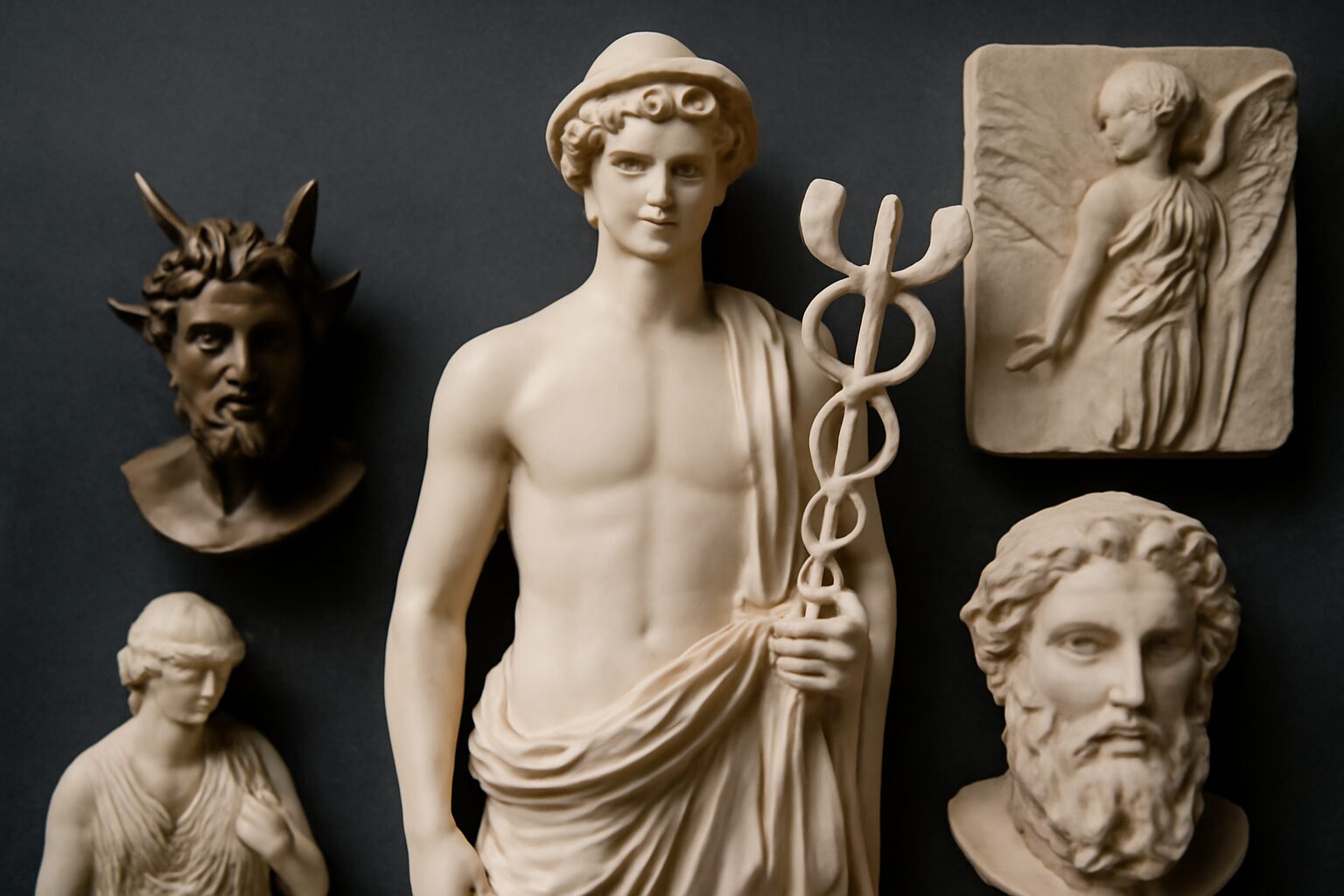
Unlike Eros, who actively shoots arrows to create love, Himeros' influence is more subtle. He represents the uncontrollable flutter of the heart, the magnetic pull one feels toward another. Ancient poets described his presence as intoxicating, capable of making even the gods lose their composure. In art, he is often shown with delicate wings, a youthful face, and a tender expression, sometimes holding a flower or a lyre to symbolize the poetic and fleeting nature of desire.
Mythological Significance
Himeros appears in several myths, usually as a background figure enhancing romantic tension. In the story of Psyche and Eros, his presence is felt in the overwhelming desire Psyche experiences. He also plays a role in the tales of mortal lovers, such as Paris and Helen, where his influence heightens their infamous passion. Though not as prominent as Eros, Himeros was still worshiped in some Greek cults, particularly in association with Aphrodite’s festivals.
Legacy and Symbolism
Himeros' concept endures as a timeless representation of human emotion—the bittersweet thrill of wanting something just out of reach. Unlike destructive lust or possessive love, his domain is the pure, aching beauty of desire itself, making him a poignant figure in poetry and art even beyond ancient Greece.
Alternative Names for Himeros
God Name: Himeros (Greek)
The primary Greek name for the god of sexual desire and longing, often depicted alongside Eros in mythology.
God Name: Cupid (in broader context) (Roman)
While Cupid is the Roman equivalent of Eros, Himeros is sometimes conflated or associated with Cupid in Roman interpretations due to their similar domains of desire and love.
God Name: Pothos (Greek)
In some Greek traditions, Pothos (longing or yearning) is closely associated with Himeros, representing a similar but slightly different aspect of desire, often linked to unfulfilled love.
Tales about Himeros
The Unwitting Desire of Ares
During the Trojan War, Ares, the god of war, was consumed by his passion for battle and bloodshed. One day, as he rallied the Trojan forces, Himeros, the personification of desire, decided to test the limits of his influence. He whispered into the ear of Ares, not of violence, but of an unexpected longing—a desire for peace and the gentle embrace of harmony. For a fleeting moment, Ares hesitated, his spear lowering as he envisioned fields of flowers instead of fields of corpses. This momentary lapse allowed the Greeks to gain ground, and though Ares quickly shook off the unnatural desire, the incident became a whispered legend among gods and mortals alike, a testament to Himeros’s unpredictable power. Even Makhai, the spirits of battle, paused in confusion, while Homados, the personification of the din of war, fell silent. Later, Palioxis, the spirit of retreat, saw an opportunity in the chaos, and Eirene, though not present, would have smiled at the brief respite.
Himeros and the Healing Touch of Asclepius
In the sanctuary of Asclepius, the god of medicine, patients came from far and wide seeking cures for their ailments. One young woman, afflicted by a mysterious melancholy, found no relief in herbs or potions. Asclepius, puzzled, called upon Himeros for aid. Himeros, with a gentle touch, ignited in her a fervent desire—not for a person, but for life itself. He inspired her to yearn for sunrise walks, the taste of fresh fruit, and the sound of laughter. This newfound longing revitalized her spirit, and her body began to heal. Asclepius marveled, realizing that sometimes the most potent medicine is not found in a vial, but in the heart’s deepest desires, masterfully awakened by Himeros. The experience drew the attention of Euthenia, the spirit of prosperity, who blessed her recovery, and Eupraxia, the personification of well-being, who ensured her continued health. Even Sophrosyne, the spirit of moderation, noted how balanced desires could lead to harmony.
Frequently Asked Questions
Who is Himeros in Greek mythology?
Himeros is the Greek god or daimon (spirit) of sexual desire and unrequited love. He is often depicted alongside Eros (Cupid) as a companion, representing the longing and yearning aspect of love.
What is the difference between Himeros and Eros?
While both are associated with love, Eros (Cupid) represents passionate love and physical attraction, often depicted with arrows. Himeros embodies the longing, desire, and unfulfilled aspect of love - the yearning rather than the consummation.
Why is Himeros important in Greek mythology?
Himeros represents an important psychological aspect of human experience - the powerful feelings of desire and longing that can exist without fulfillment. This concept helps explain the complex nature of love and attraction in Greek thought.
Are there any myths or stories about Himeros?
Unlike major gods, Himeros appears more as a personification than a character in myths. He's often shown in the retinue of Aphrodite, accompanying her and Eros, but doesn't have standalone stories like more prominent deities.
How does the concept of Himeros apply today?
The idea of Himeros resonates today as we still experience unrequited love and longing. Modern psychology might call this limerence or romantic yearning, showing how ancient Greek concepts still describe human emotions.