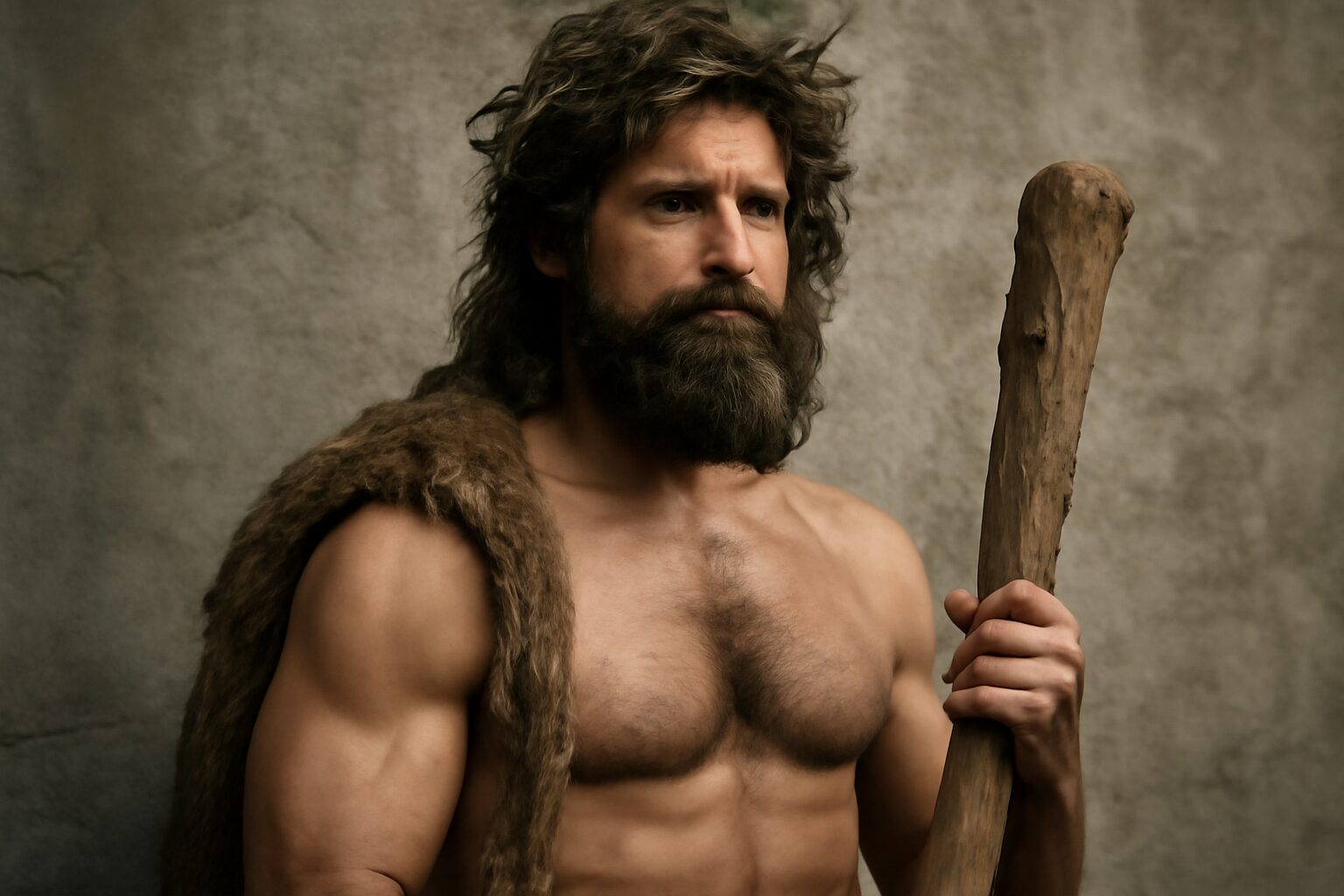
Heracles (Dactyl): The Mysterious Mountain Spirit
In the rich tapestry of Greek mythology, Heracles the Dactyl stands as a fascinating, lesser-known figure distinct from the famous hero Heracles (Hercules). This enigmatic deity was one of the Dactyls—ancient mountain spirits associated with Mount Ida in Crete, revered as inventors of metallurgy and magical incantations.
Origins and Role
The Dactyls ("Fingers" in Greek) were dwarf-like beings linked to the earth's primal energies. Heracles the Dactyl was said to be either their leader or one of their most prominent members. Unlike his Olympian namesake, this Heracles was a primordial figure tied to craftsmanship, mining, and the mysteries of nature. Some traditions suggest he taught humanity the art of forging metal, making him a patron of smiths.
Powers and Abilities
As a Dactyl, Heracles possessed magical knowledge and was believed to have powers over healing and protection. Ancient texts describe the Dactyls as creators of powerful spells, and Heracles was often invoked in rituals to ward off evil. His connection to Mount Ida—a sacred site—also linked him to the earth's fertility and the raw power of volcanoes.
Mythological Connections
Heracles the Dactyl occasionally appears in myths alongside gods like Rhea and Zeus. Some legends claim he assisted Rhea in protecting the infant Zeus from Cronus, using his magical incantations to conceal the future king of the gods. His role blurred the lines between deity, spirit, and cultural hero, reflecting the Greeks' reverence for ancient, pre-Olympian forces.
Significance in Greek Mythology
Though overshadowed by the later Heracles, this primordial figure represents an early layer of Greek religious thought—one that honored nature spirits and craftsmen. His legacy endured in Crete, where the Dactyls were worshiped alongside the Great Mother goddess. Heracles the Dactyl serves as a reminder of Greece's deep-rooted traditions of magic, metallurgy, and the untamed power of the earth itself.
Alternative Names for Heracles (Dactyl)
God Name: Hercules (Roman)
The Roman adaptation of the Greek hero Heracles, with slight phonetic changes to fit Latin pronunciation.
God Name: Alcides (Greek)
An alternative name for Heracles, derived from his grandfather Alcaeus. It was used before he was renamed Heracles by the oracle of Delphi.
God Name: Dactyl Heracles (Greek)
Refers to Heracles as one of the Dactyls, mythical beings associated with the Great Mother goddess. This name links him to older Cretan or Phrygian traditions.
God Name: Theodorus (Greek)
A rare epithet meaning 'gift of the gods,' sometimes associated with Heracles in certain local cults or poetic contexts.
Tales about Heracles (Dactyl)
The Healing of Heracles Dactyl and Aceso
In the rugged peaks of Mount Ida, Heracles Dactyl, one of the five Dactyls known for their mastery of metallurgy and magic, suffered a grievous wound while forging a divine shield. A shard of celestial iron pierced his arm, festering with a venom that resisted all mortal remedies. As agony threatened to overwhelm him, he recalled whispers of Aceso, the goddess of the healing process, whose touch could mend even immortal flesh.
A Desperate Journey
Heracles trekked through mist-shrouded valleys, following the scent of blooming herbs that grew more vibrant with each step. He found Aceso in a sun-drenched grove, her hands glowing with a soft, golden light as she tended to a wounded nymph. "Great Dactyl," she murmured, "your pain calls to me like a cracked bell." She laid her palms upon his wound, and the venom receded like a tide, replaced by the warmth of regeneration. Through her guidance, Heracles learned that healing is not a swift miracle but a sacred process—a lesson he later shared with smiths and healers across the mortal world. In gratitude, Heracles offered prayers to Eupraxia, the spirit of well-being, and Soteria, the goddess of safety, whose blessings ensured his continued protection. He also honored Techne, the embodiment of craft, whose wisdom had inspired his original forging.
Heracles Dactyl and the River God Achelous
When a drought plagued the lands surrounding Mount Ida, the rivers ran dry, and the forges of Heracles Dactyl fell silent. Desperate, he ventured to the banks of the great river Achelous, where the deity Achelous ruled as a shape-shifting god of fresh water. Heracles found him in the form of a mighty bull, his horns carved with swirling patterns of flowing streams.
A Clash of Strength and Cunning
"Why should I spare my waters for your fires?" roared Achelous, his voice echoing like rushing rapids. Heracles, undaunted, proposed a contest: if he could shift the river's course with his strength, Achelous would grant him a perpetual spring. The god agreed, transforming into a serpent and then a bull, but Heracles used his cunning to dig channels and alter the bedrock. Impressed by the Dactyl's resolve, Achelous relented, gifting him a crystal flask that never emptied. From that day, Heracles' forges blazed with the blessing of the river, and the two became allies in shaping the natural world. Their pact was witnessed by Horkos, the spirit of oaths, and celebrated with offerings to Euporie, the goddess of abundance, and Homonoia, the personification of concord.
Frequently Asked Questions
Who is Heracles (Dactyl) in Greek mythology?
Heracles (Dactyl) is a lesser-known rustic deity in Greek mythology, often associated with the Dactyls, ancient beings linked to metalworking, magic, and the worship of the mother goddess Cybele. Unlike the famous hero Heracles (Hercules), this figure is more obscure and tied to nature and craftsmanship.
What is the significance of the Dactyls in Greek mythology?
The Dactyls were mythical beings connected to the earth, metalworking, and mystical arts. They were considered protectors of nature and skilled craftsmen, often linked to the worship of Cybele. Their importance lies in their role as early deities representing primal forces and human ingenuity.
How does Heracles (Dactyl) differ from the hero Hercules?
Heracles (Dactyl) is a rustic deity associated with the Dactyls and nature, while Hercules (or Heracles) is the famous demigod known for his Twelve Labors. The two are distinct figures, with the former being a minor deity and the latter a major hero in Greek myths.
What can we learn from the myths about Heracles (Dactyl) and the Dactyls?
These myths highlight the ancient Greeks' reverence for nature, craftsmanship, and the mystical. They remind us of the importance of harmony with the earth and the value of skilled labor, reflecting early human attempts to explain and honor natural and creative forces.
Are there any modern connections to Heracles (Dactyl) or the Dactyls?
While not as widely recognized today, the themes of the Dactylsu2014craftsmanship, nature worship, and mysticismu2014resonate in modern eco-spirituality and artisanal traditions. Their legacy lives on in cultural appreciation for handmade goods and environmental stewardship.