Atropos: The Unyielding Fate
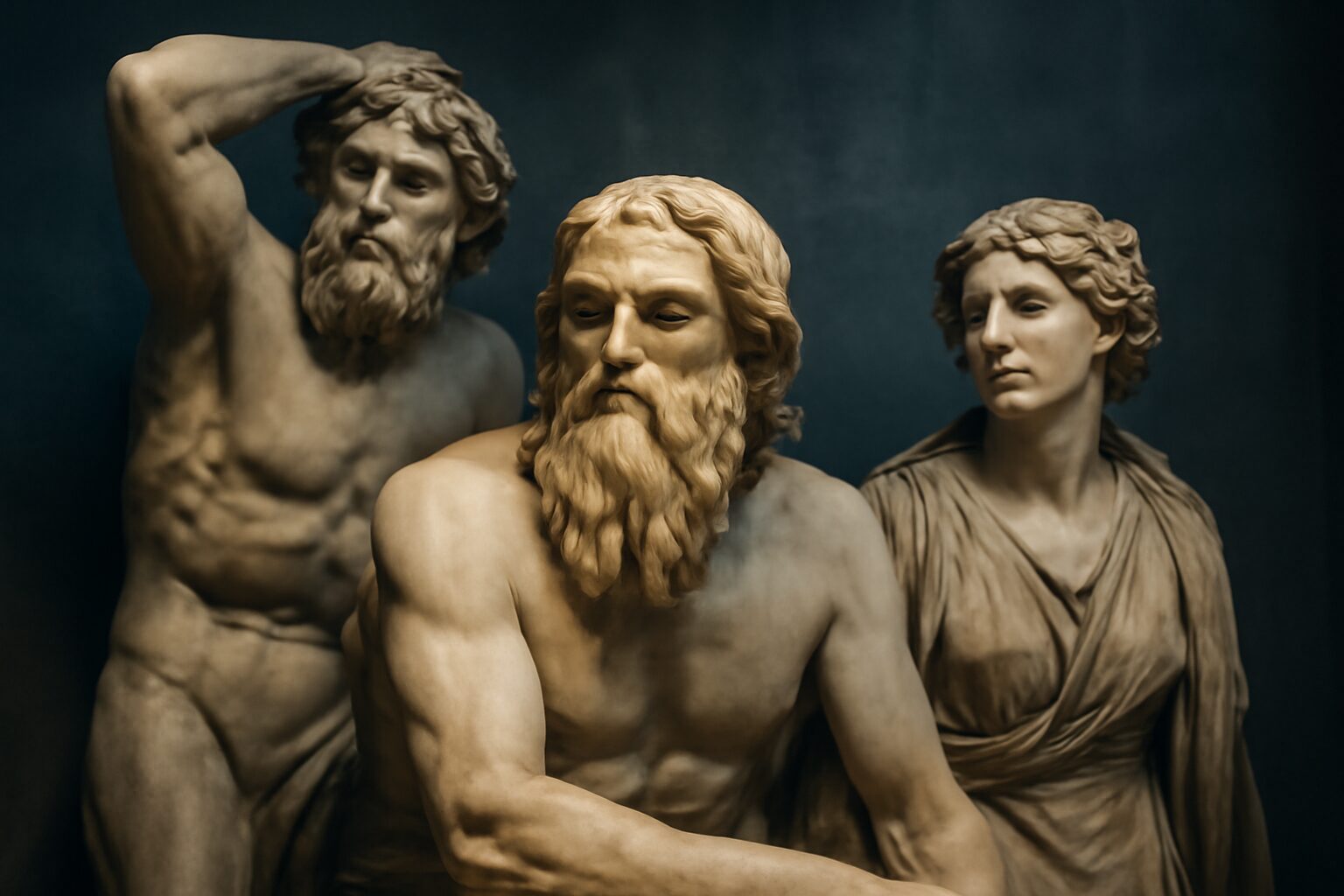
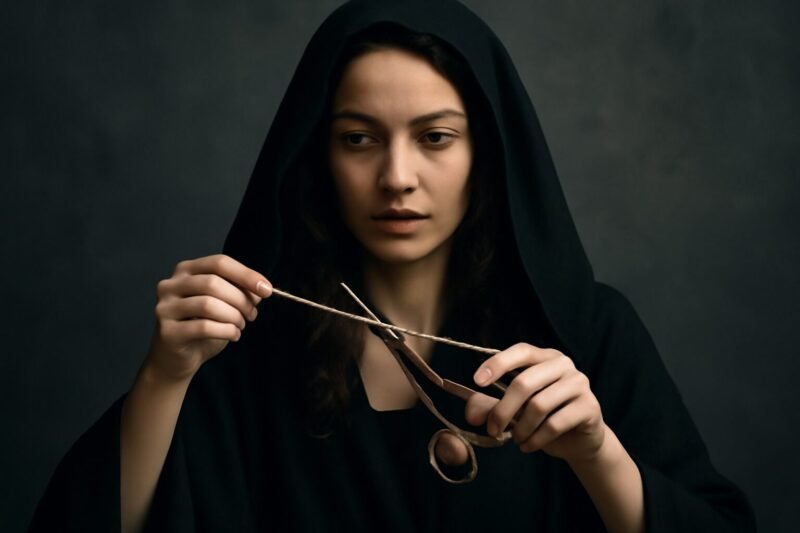
In Greek mythology, Atropos was one of the three Moirai, or Fates, who controlled the destinies of gods and mortals alike. Her name, meaning "inevitable" or "unalterable," perfectly captured her role as the one who cut the thread of life, determining the moment of death with her shears. Alongside her sisters Clotho (the spinner) and Lachesis (the measurer), Atropos ensured that no being, not even Zeus himself, could escape their predetermined fate.
The Power of the Moirai
The Fates were among the most feared and respected deities in Greek mythology. While Clotho spun the thread of life and Lachesis measured its length, Atropos wielded the final, irrevocable decision—when to sever it. Her shears symbolized the inevitability of death, a force beyond mortal or divine intervention. Even the Olympian gods, though they could influence fate, could not overturn the decisions of the Moirai.
Atropos in Myth and Legend
Though Atropos rarely appeared directly in myths, her presence loomed large in stories where fate played a decisive role. In the tale of Meleager, for example, the Fates decreed his death by placing a log in the fire—when his mother Althaea burned it, his life ended. Atropos' role was absolute, reinforcing the Greek belief that destiny was fixed and unchangeable.
Symbolism and Legacy
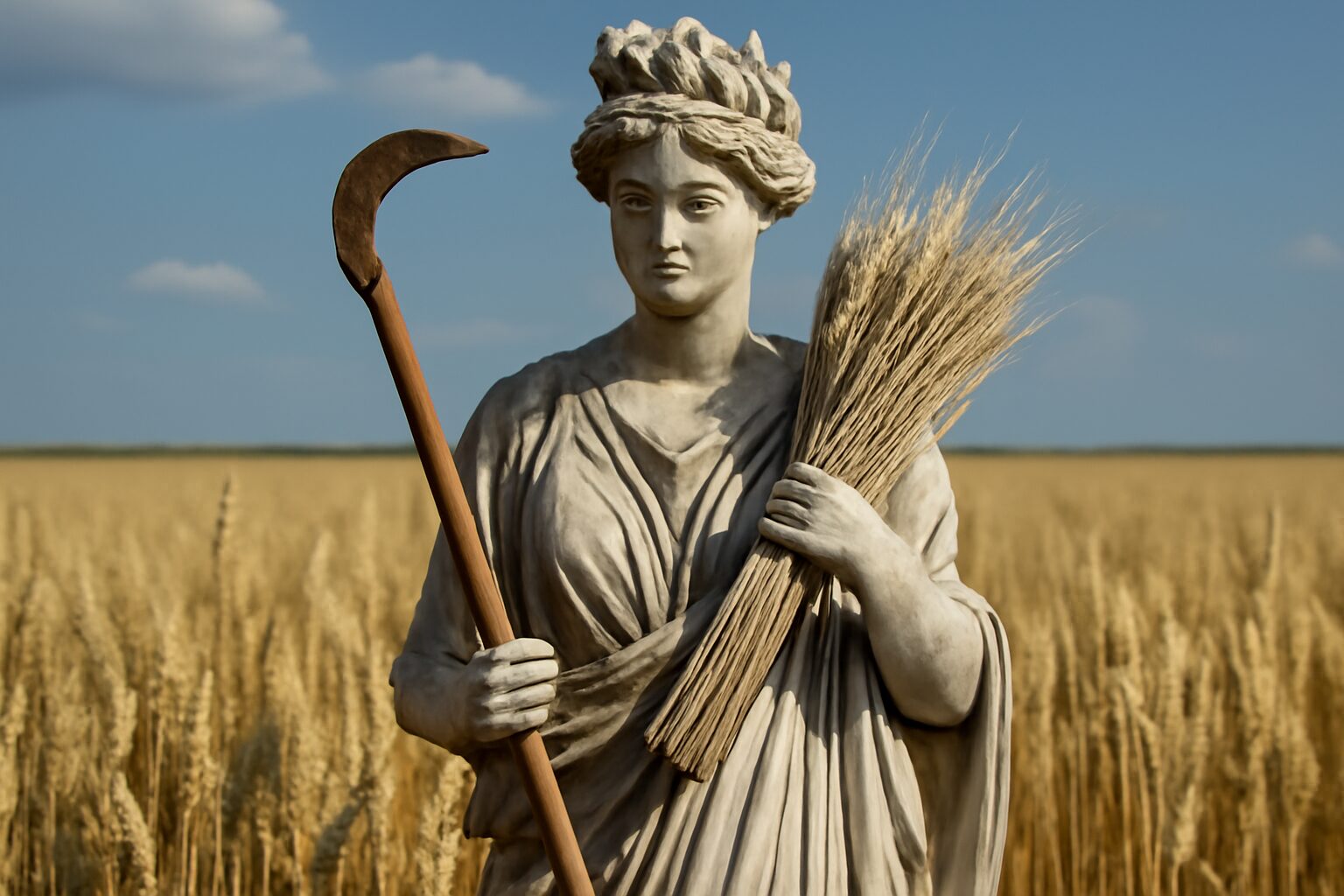
Atropos represented the inescapable nature of death, a concept that resonated deeply in Greek culture. Unlike other gods associated with destruction, such as Thanatos (Death personified), Atropos was not a bringer of death but its final arbiter. Her imagery—often depicted as an elderly woman with shears—endured in art and literature, symbolizing the inexorable passage of time and the certainty of mortality.
Today, Atropos remains a powerful symbol of fate’s unrelenting grip, a reminder that some forces are beyond even the gods’ control.
Alternative Names for Atropos
God Name: Morta (Roman)
Morta is the Roman equivalent of Atropos, one of the three Fates (Parcae in Roman mythology). She is responsible for cutting the thread of life, determining the moment of death.
God Name: Aisa (Greek (Epithet))
Aisa is an ancient Greek name or epithet sometimes associated with the concept of fate or destiny, and in some contexts, it is linked to Atropos as a personification of inevitable fate.
God Name: Moira (Greek (Alternative))
While 'Moira' (or 'Moirai' collectively) refers to the Fates as a group, it is sometimes used interchangeably for individual Fates, including Atropos, emphasizing her role in the weaving and cutting of life's thread.
Tales about Atropos
The Unyielding Decree: Atropos and Asclepius
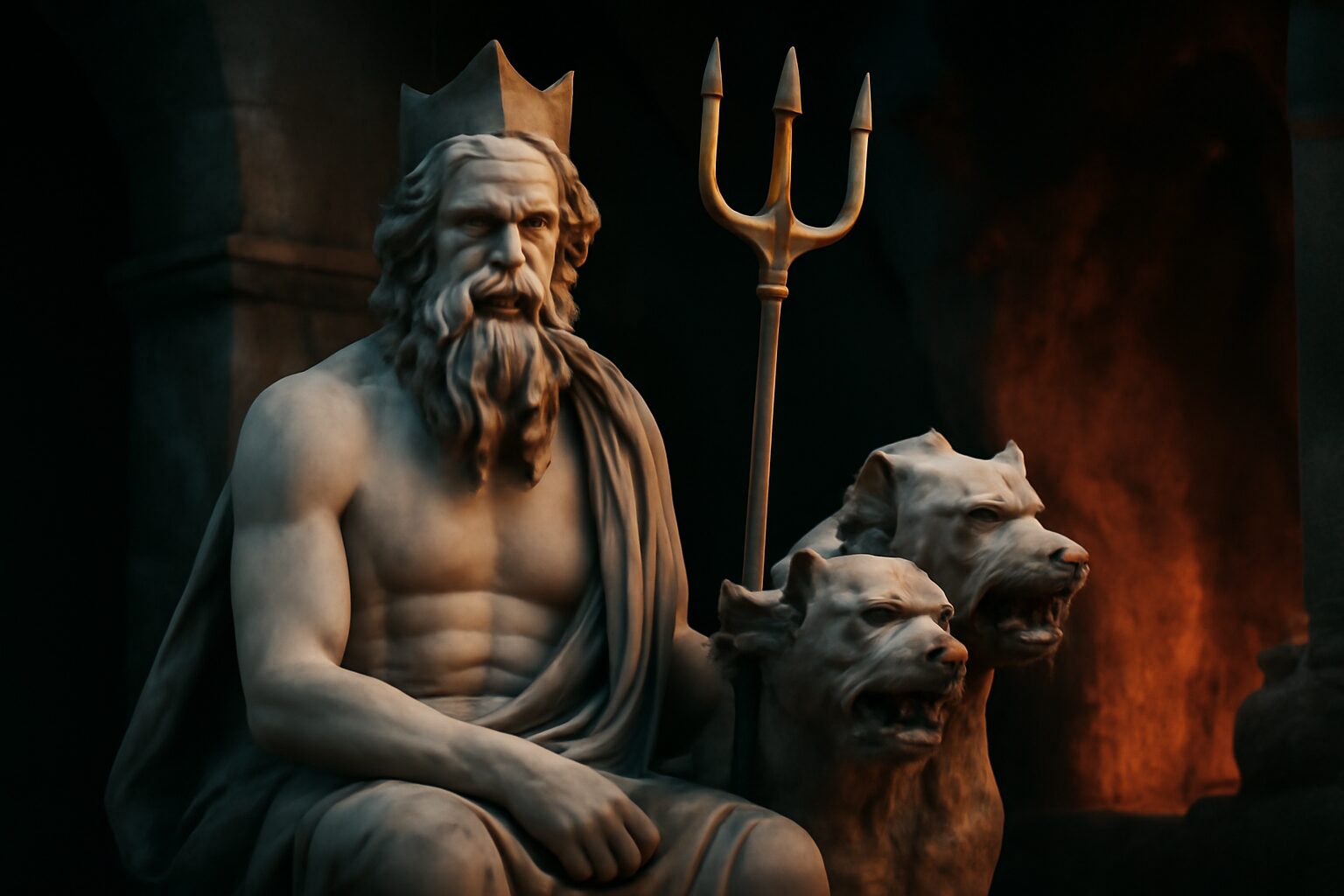
In the golden age of heroes, Asclepius, the divine healer, grew so skilled in medicine that he could restore the dead to life. His miracles drew the ire of Hades, who complained to Zeus that the natural order was being disrupted. Zeus, concerned about the balance of life and death, summoned Atropos, the inflexible one.
The Confrontation
Atropos appeared before Zeus, her shears gleaming with an eerie light. "No thread can be respun once I have cut it," she declared. To demonstrate the irrevocable nature of death, she approached Asclepius as he was reviving a fallen warrior. With a swift, decisive motion, she severed the warrior's life thread a second time—this time with such finality that not even Asclepius could mend it. The healer bowed his head, acknowledging the limits of his power against the primordial law she embodied.
The Final Breath: Atropos and Thanatos
When Sisyphus, the cunning king of Corinth, twice cheated death, Thanatos grew frustrated. He sought out Atropos for counsel. "How can I claim those who defy my grasp?" he asked. Atropos, seated beside her sisters Clotho and Lachesis, held up her shears.
The Pact
"The thread must be cut at its appointed time—no sooner, no later," she said. "But if a mortal evades you, it is because their thread has not yet reached its end." She showed Thanatos the thread of Sisyphus, which still had a measure to run. When the time finally came, Atropos nodded to Thanatos. Together, they descended to Corinth; Atropos severed the thread, and Thanatos claimed the soul without resistance, restoring the balance between life and death.
Frequently Asked Questions
Who is Atropos in Greek mythology?
Atropos is one of the three Fates (Moirai) in Greek mythology. She is responsible for cutting the thread of life, determining when a person's life will end. Her name means 'inevitable' or 'unalterable,' reflecting her role in destiny.
What are the Daimones in Greek mythology?
Daimones are spirits or minor deities in Greek mythology that personify abstract concepts, forces of nature, or human conditions. They are not gods but serve as intermediaries between gods and humans, influencing daily life and fate.
Why are the Fates like Atropos important in Greek mythology?
The Fates, including Atropos, are important because they control the destiny of both mortals and gods. They symbolize the inevitability of fate and the idea that some events are beyond human or divine control, teaching lessons about acceptance and the natural order.
How does the concept of Atropos apply to modern life?
Atropos represents the idea that some aspects of life, like death, are unavoidable. This can remind people to focus on what they can control and accept the natural cycles of life, offering a perspective on resilience and mindfulness.
What can we learn from the Daimones in Greek mythology?
The Daimones teach us about the ancient Greek understanding of unseen forces that influence human life. They highlight how people explained emotions, luck, and other abstract concepts through mythology, offering insight into human nature and cultural beliefs.