Oupis: The Mysterious Moon Goddess
In the rich tapestry of Greek mythology, Oupis (also spelled Opis) stands as a lesser-known but fascinating lunar deity. Often associated with Artemis, the goddess of the hunt, Oupis embodies the mystical and nurturing aspects of the moon. Her origins trace back to ancient Greek and possibly even earlier Anatolian traditions, blending elements of worship from different cultures.
Mythology and Role
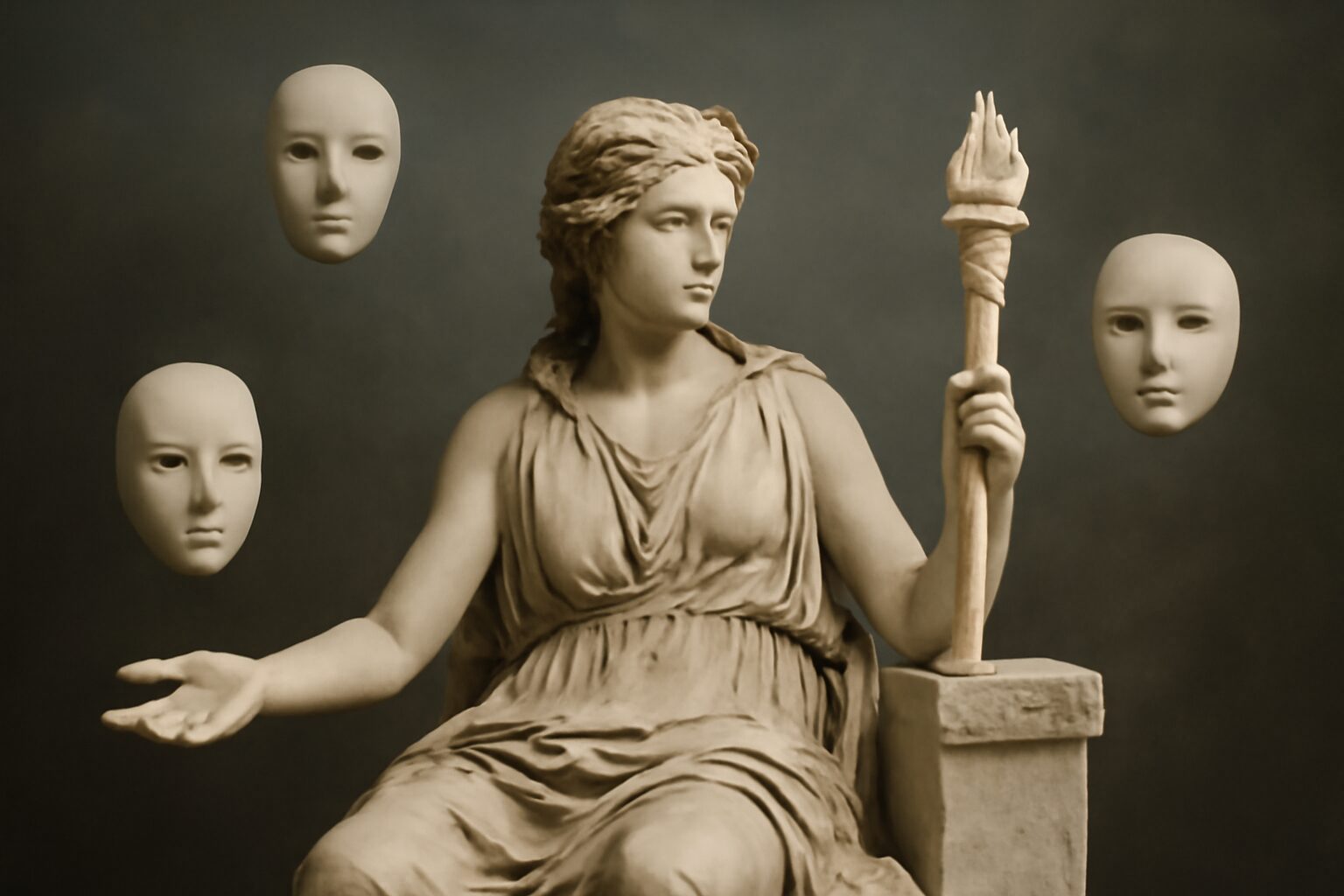
Oupis is primarily recognized as a moon goddess, though her exact role varies across sources. Some myths depict her as a companion or epithet of Artemis, reinforcing the latter's connection to the moon. In other traditions, she is an independent deity, revered for her gentle, protective influence over women, childbirth, and the night. The name Oupis itself is thought to derive from the Greek word for "sight" or "vision," hinting at her association with lunar illumination and prophetic insight.
Powers and Symbolism
As a lunar deity, Oupis wielded powers tied to the moon's cycles. She was believed to guide travelers by night, offer protection to mothers and newborns, and even influence fertility. Her connection to Artemis suggests she may have also been linked to wilderness and hunting, though her primary domain remained the celestial and maternal realms. The crescent moon and silver light were her symbols, often invoked in rituals seeking her blessings.
Relationships and Worship
Oupis's ties to Artemis place her within a broader network of divine figures, including Leto (Artemis's mother) and Apollo (her twin brother). Some accounts suggest she was worshiped alongside other moon goddesses like Selene and Hecate, forming a triad of lunar power. Though not as widely venerated as Olympian gods, Oupis held significance in local cults, particularly in Ephesus, where Artemis was the city's patroness. Devotees honored her with nocturnal rites, offerings of milk, and prayers for safe childbirth.
Legacy and Significance
While Oupis may not dominate mainstream Greek mythology, her presence highlights the diversity of ancient beliefs. She represents the moon's softer, nurturing side—a counterpoint to Artemis's fiercer aspects. Her worship reflects the Greeks' reverence for natural forces and their integration of foreign deities into their pantheon. Today, Oupis remains a captivating figure for those exploring the lesser-known corners of Greek myth, a reminder of the moon's enduring magic.
Alternative Names for Oupis
God Name: Opis (Greek)
An alternative Greek name for Oupis, often used interchangeably in ancient texts. The variation in spelling may reflect regional dialects or different historical periods.
God Name: Ops (Roman)
The Roman equivalent of Oupis, Ops was a goddess of fertility and abundance, often associated with Saturn. The name was adapted into Roman mythology from the Greek Oupis, with slight modifications to fit Latin phonetics.
God Name: Hyperborean Apollo (Greek)
In some Greek traditions, Oupis was identified with Apollo, particularly in his Hyperborean aspect. This association links Oupis to the mythical northern land of Hyperborea and Apollo's role as a solar deity.
God Name: Artemis Oupis (Greek)
In certain cults, Oupis was syncretized with Artemis, particularly in her role as a protector of women and childbirth. This name reflects her dual identity in these traditions.
Tales about Oupis
The Healing of the Mountain
Deep in the forests of Arcadia, the rustic deity Oupis tended to the sacred groves, her presence a balm to the wild creatures and ancient trees. One evening, she discovered a wounded stag, its leg pierced by a hunter’s arrow. Though skilled in woodland magic, the injury was grave, and the stag’s life ebbed away. Desperate, Oupis called upon Iaso, the goddess of recuperation, whose gentle touch could mend even the most dire wounds.
Iaso descended from the divine realms, her aura shimmering with restorative energy. Together, they worked through the night—Oupis soothing the stag with whispered incantations while Iaso channeled her healing powers. By dawn, the arrow had dissolved, the wound closed, and the stag bounded into the forest, renewed. In gratitude, Oupis wove a crown of ivy and laurel for Iaso, symbolizing their eternal bond between woodland guardianship and healing grace.
The Dance of the Moonlit Spring
On the banks of a secluded spring, Oupis often danced under the silver light of the moon, her movements echoing the rhythms of nature. One night, she sensed a disturbance—the waters had grown stagnant, and the surrounding flora wilted. Seeking aid, she journeyed to the realm of Arethusa, the nymph of springs, whose essence could purify and rejuvenate freshwater sources.
Arethusa, moved by Oupis’s plea, emerged from her crystalline abode. She sang a melody that stirred the spring, her voice weaving through the water like a current of life. Oupis joined in, her dance guiding the energy through the earth. As they harmonized, the spring bubbled anew, clear and vibrant, and flowers bloomed along its banks. To commemorate their collaboration, they created a ritual—each full moon, they would meet to ensure the waters remained blessed, a testament to the unity of forest and spring.
Frequently Asked Questions
Who are the Oupis in Greek mythology?
The Oupis were rustic deities or spirits in Greek mythology, often associated with nature, forests, and wild places. They were considered minor gods or nymphs who protected the wilderness and were sometimes linked to Artemis, the goddess of the hunt.
Why are rustic deities like the Oupis important in Greek mythology?
Rustic deities like the Oupis were important because they represented the connection between humans and nature in ancient Greek culture. They symbolized the untamed aspects of the world and served as reminders of the power and mystery of the natural environment.
What can we learn from the Oupis and other rustic deities?
The Oupis and other rustic deities teach us about the ancient Greeks' reverence for nature and their belief in spirits inhabiting natural spaces. They reflect a worldview where every part of the environment had divine presence and significance.
How do concepts like the Oupis apply to modern life?
While we don't worship these deities today, the concept of the Oupis reminds us of the importance of respecting nature and recognizing our connection to the environment. They can inspire modern ecological awareness and appreciation for wilderness.
Are the Oupis the same as nymphs in Greek mythology?
The Oupis are similar to nymphs and sometimes considered a type of nymph, but they were particularly associated with wild, remote places. While all nymphs were nature spirits, the Oupis had a more specific rustic and untamed character.