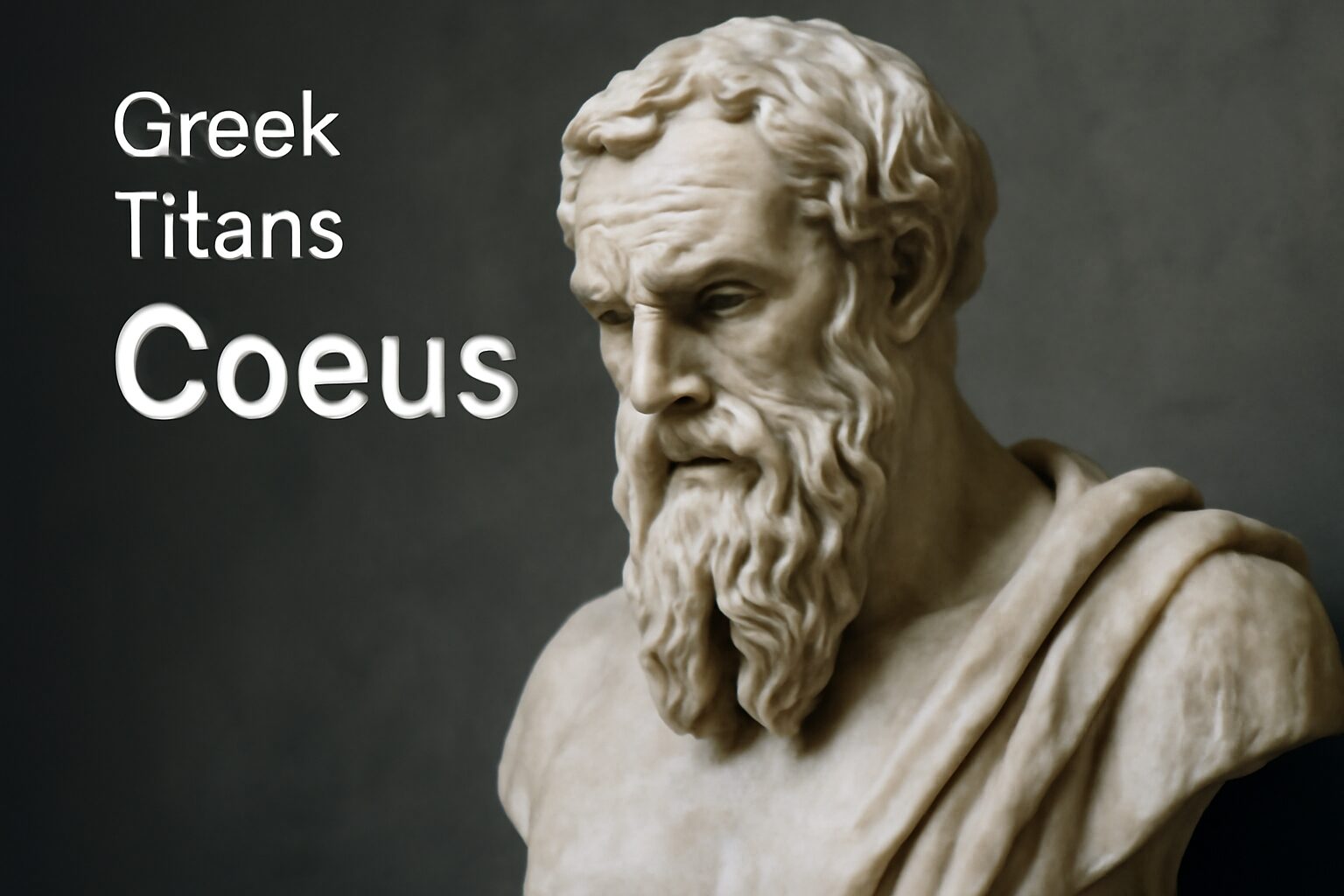
Coeus: The Titan of Intellect and the Celestial Axis
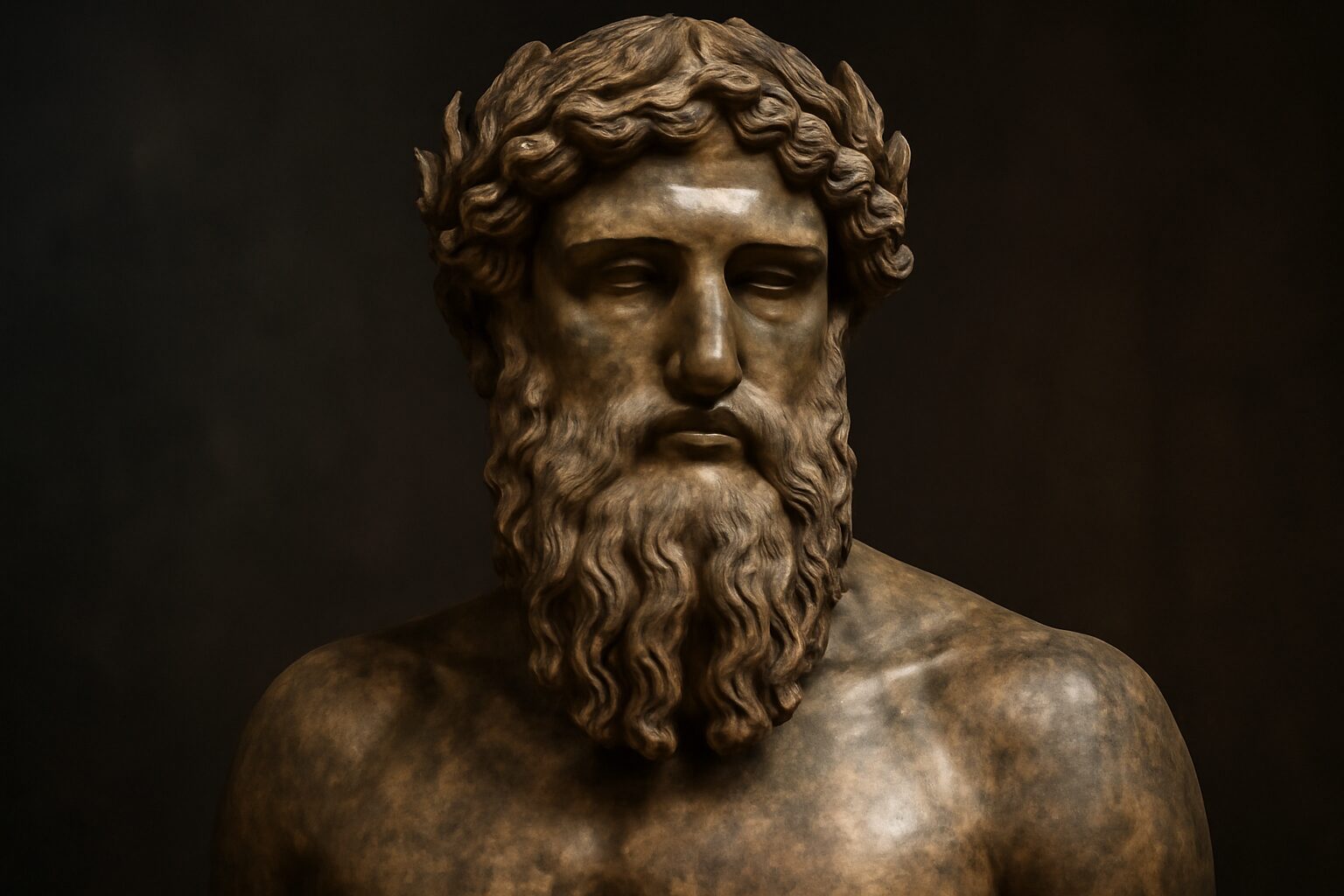
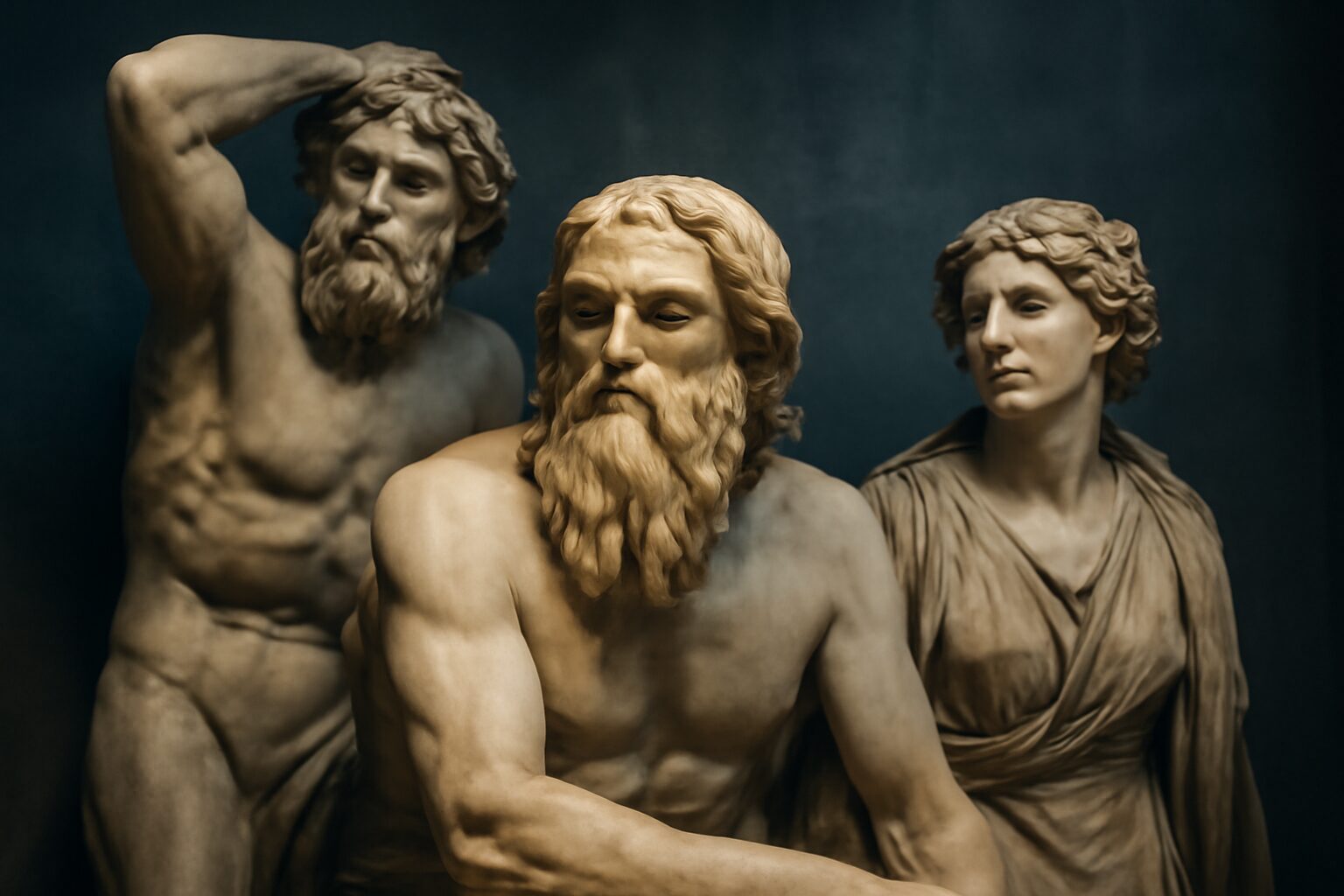
In Greek mythology, Coeus (also spelled Koios) was one of the twelve mighty Titans, the primordial deities who ruled before the Olympian gods. His name means "query" or "questioning," reflecting his association with intellect, wisdom, and celestial knowledge. As the Titan of the inquisitive mind, Coeus embodied the pursuit of understanding and cosmic order.
Origins and Role
Coeus was the son of Uranus (Sky) and Gaia (Earth), making him a brother to other Titans like Cronus, Oceanus, and Hyperion. Alongside his sister-wife Phoebe, the Titaness of prophecy, he fathered two significant figures: Leto (mother of Apollo and Artemis) and Asteria (goddess of falling stars and nocturnal oracles). This lineage tied him closely to the realms of prophecy and celestial navigation.
His domain extended beyond mere wisdom—Coeus was often linked to the celestial axis, the unseen pillar around which the heavens revolved. This connection positioned him as a cosmic force, maintaining the balance of the skies.
Powers and Symbolism
Coeus was revered for his sharp intellect and foresight, traits he passed down to his descendants. His influence was subtle but profound, shaping the oracular traditions through his daughter Asteria and granddaughter Hecate. Unlike war-like Titans, Coeus represented the quieter, contemplative side of divine power—questioning, learning, and interpreting the cosmos.
In some myths, he was associated with the north, a direction tied to stability and the axis of the world. This alignment reinforced his role as a foundational figure in the Titan hierarchy.
The Fall of the Titans
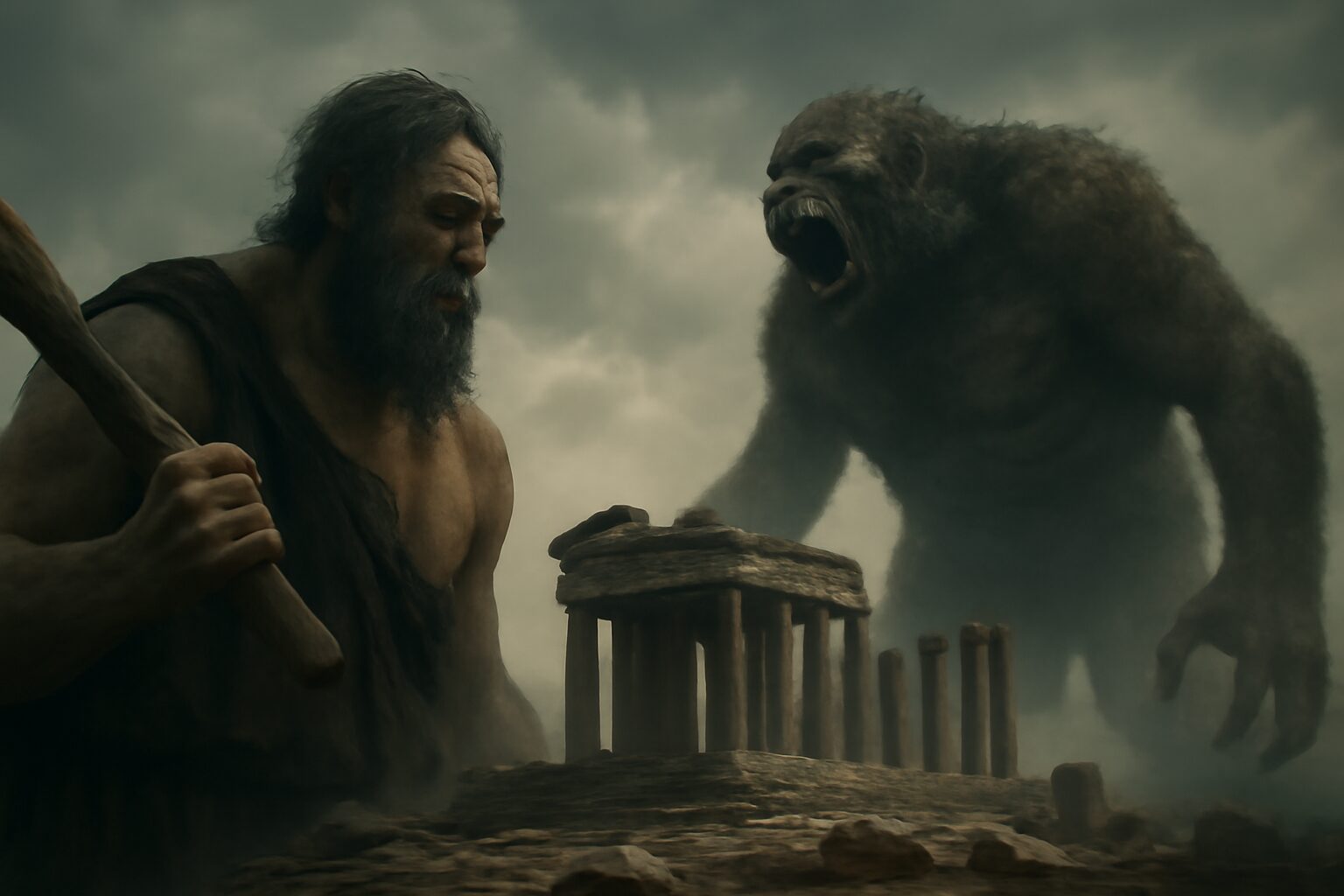
Like his siblings, Coeus participated in the Titanomachy, the great war against the Olympians led by Zeus. After their defeat, the Titans were imprisoned in Tartarus, the deepest abyss of the underworld. However, some versions of the myth suggest Coeus, due to his less aggressive nature, was spared eternal torment, fading into obscurity instead.
Legacy and Influence
Though not as widely worshiped as the Olympians, Coeus's legacy endured through his descendants. His grandson Apollo inherited his connection to knowledge, while Artemis and Hecate carried forward his ties to the night sky. His name and essence lingered in philosophical thought, symbolizing the quest for wisdom—a timeless pursuit that transcended even the fall of the Titans.
Alternative Names for Coeus
God Name: Polos (Greek)
Polos is an alternative name for Coeus, derived from the Greek word 'polos' meaning 'axis' or 'pivot,' symbolizing his role as the celestial axis around which the heavens revolve.
God Name: Polus (Roman)
Polus is the Romanized version of the Greek name Polos, another epithet for Coeus, emphasizing his association with the celestial pole and cosmic order.
God Name: Koios (Greek)
Koios is a variant spelling of Coeus in Greek mythology, often used interchangeably. It reflects the same Titan associated with intellect and the celestial axis.
Tales about Coeus
The Titan of the North and the Goddess of Healing
In the age before the Olympians, Coeus, the Titan of intellect and the celestial axis, once sought counsel for a grievous wound inflicted upon the earth by a falling star. The land cried out in pain, and its suffering reached the ears of Aceso, the gentle goddess of the healing process. Moved by the Titan’s earnest plea, Aceso descended from her serene abode, her presence like a balm to the scorched earth.
Together, Coeus, with his deep understanding of cosmic order, and Aceso, with her nurturing touch, worked to mend the wound. Coeus used his wisdom to align the energies of the land, while Aceso applied her remedies, causing vibrant flora to sprout where only desolation had been. Their collaboration not only healed the earth but also forged a bond between intellect and compassion, a testament to the power of unity in the face of adversity. Their efforts were later praised by Polymatheia, the muse of knowledge, who saw in their work the perfect blend of wisdom and care, and Clytie, the nymph of transformation, who admired how the healed land blossomed anew. Even Dexithea, a sea nymph known for her grace, was said to have visited the restored site, marveling at the harmony achieved.
The Inquisitive Mind and the River God
On another occasion, Coeus journeyed to the banks of the mightiest river in Greece, seeking to understand the nature of change and flow—concepts that fascinated the Titan of inquiry. There, he encountered Achelous, the shape-shifting river god known for his wisdom and strength. Intrigued by Achelous’s ability to transform from a raging bull to a serene serpent, Coeus engaged him in a dialogue that lasted for days.
Achelous, impressed by Coeus’s relentless curiosity, shared the secrets of adaptation and the essence of life’s perpetual motion. In return, Coeus offered insights into the cosmic patterns that govern all things. Their exchange became legendary, symbolizing the harmony between the eternal wisdom of the Titans and the dynamic force of nature, enriching the mythological tapestry with a story of mutual respect and enlightenment. This discourse attracted the attention of Hypate, the muse of harmony, who wove their insights into her melodies, and Krotos, the satyr known for his love of hunting and music, who celebrated their intellectual pursuit as a form of divine art. Additionally, Lycos, a sea god associated with prophetic waters, was inspired to reflect on how their dialogue mirrored the endless cycles of the ocean.
Frequently Asked Questions
Who is Coeus in Greek mythology?
Coeus is one of the Titans in Greek mythology, the children of Uranus (Sky) and Gaia (Earth). He represents intellect and the inquisitive mind, often associated with wisdom and knowledge.
What does the name Coeus mean?
The name 'Coeus' is derived from the Greek word 'koios,' which means 'query' or 'questioning.' It reflects his association with intellect, curiosity, and the pursuit of knowledge.
Why is Coeus important in Greek mythology?
Coeus is important because he is one of the original Titans who ruled before the Olympian gods. He symbolizes the power of intellect and inquiry, which were foundational concepts in Greek thought and philosophy.
What can we learn from the story of Coeus?
Coeus teaches the value of curiosity and wisdom. His story reminds us of the importance of questioning, learning, and seeking knowledge, which are timeless principles applicable even today.
How does Coeus relate to modern ideas?
Coeus' association with intellect and inquiry aligns with modern values of education, critical thinking, and scientific exploration. His legacy encourages us to embrace curiosity and lifelong learning.