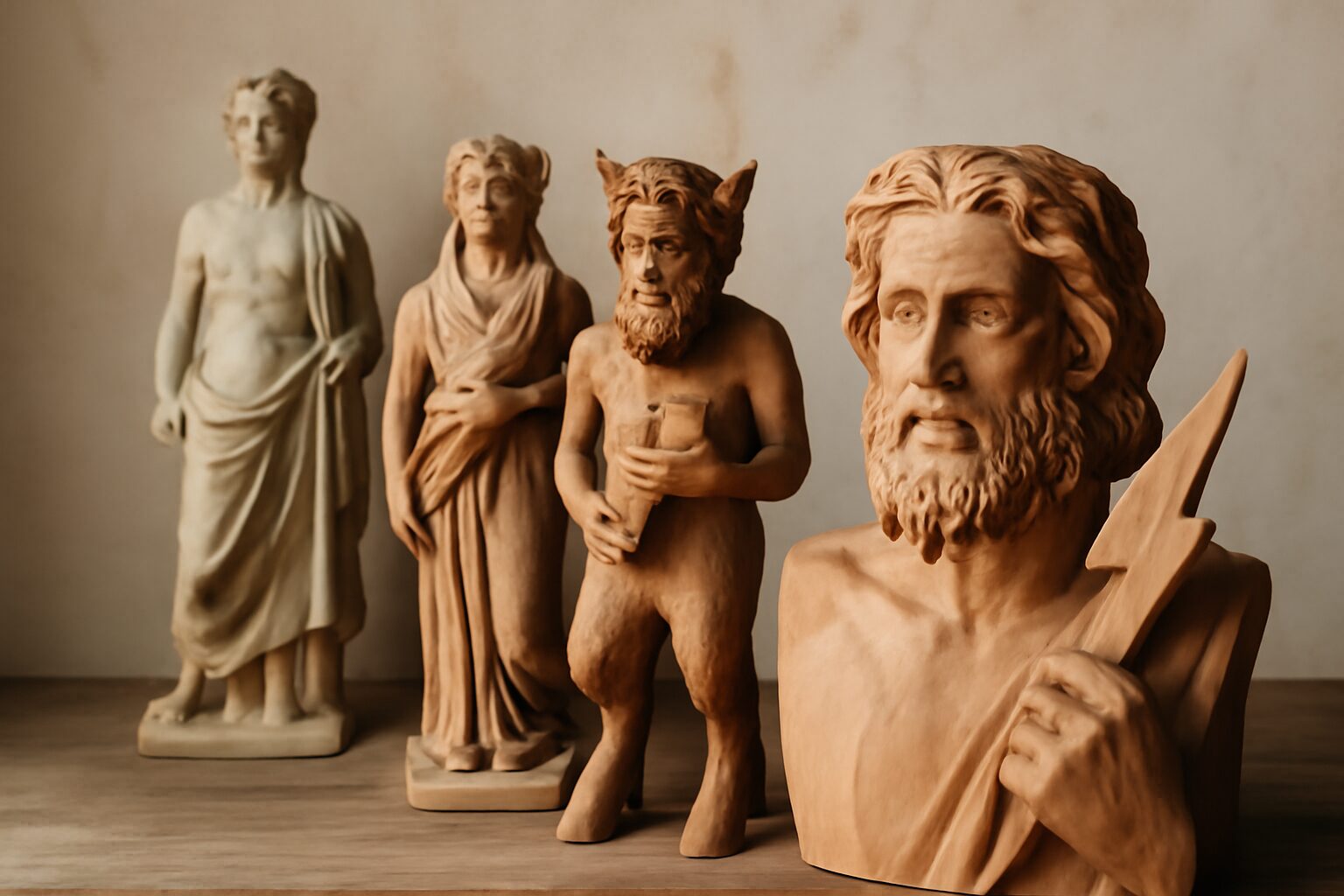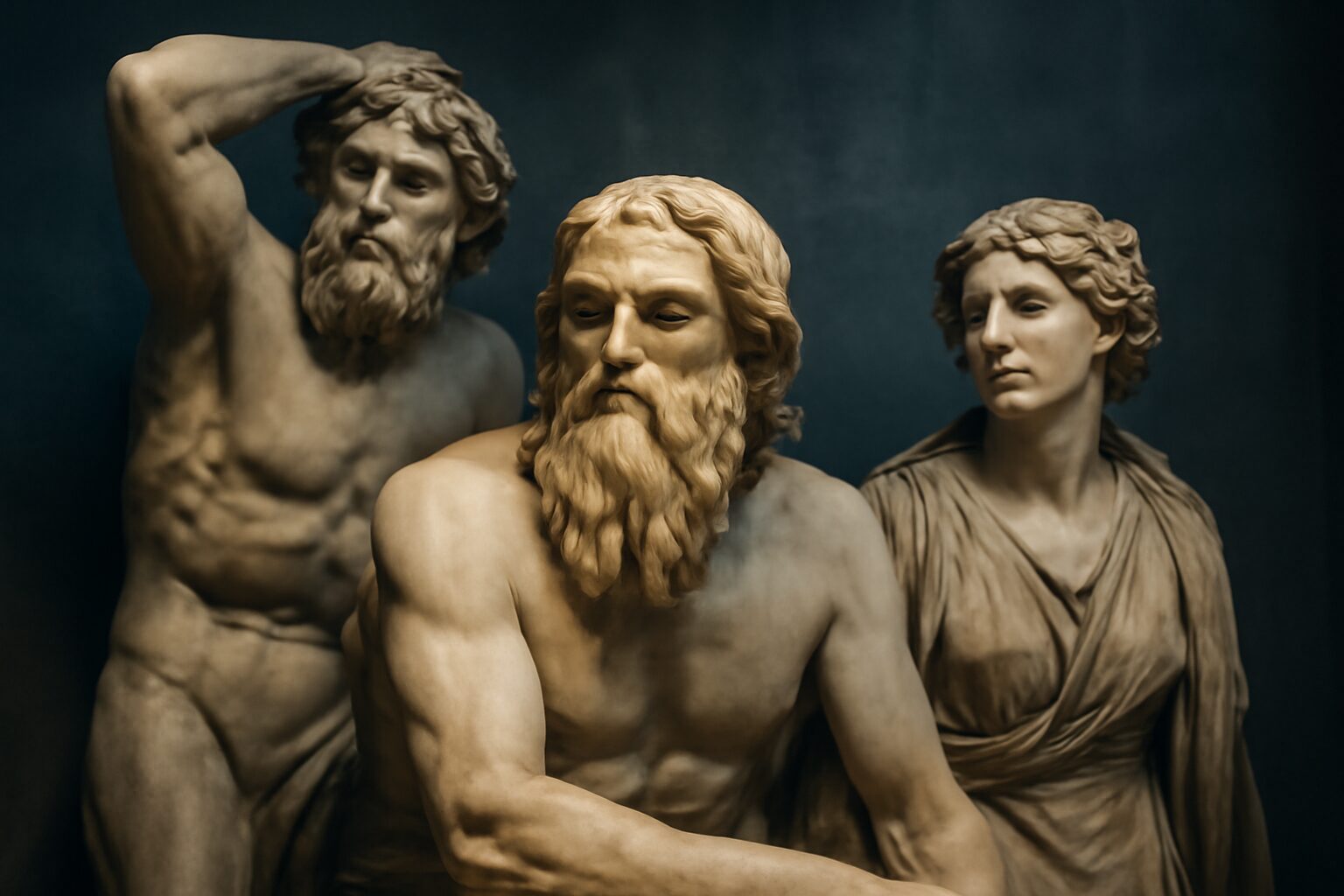
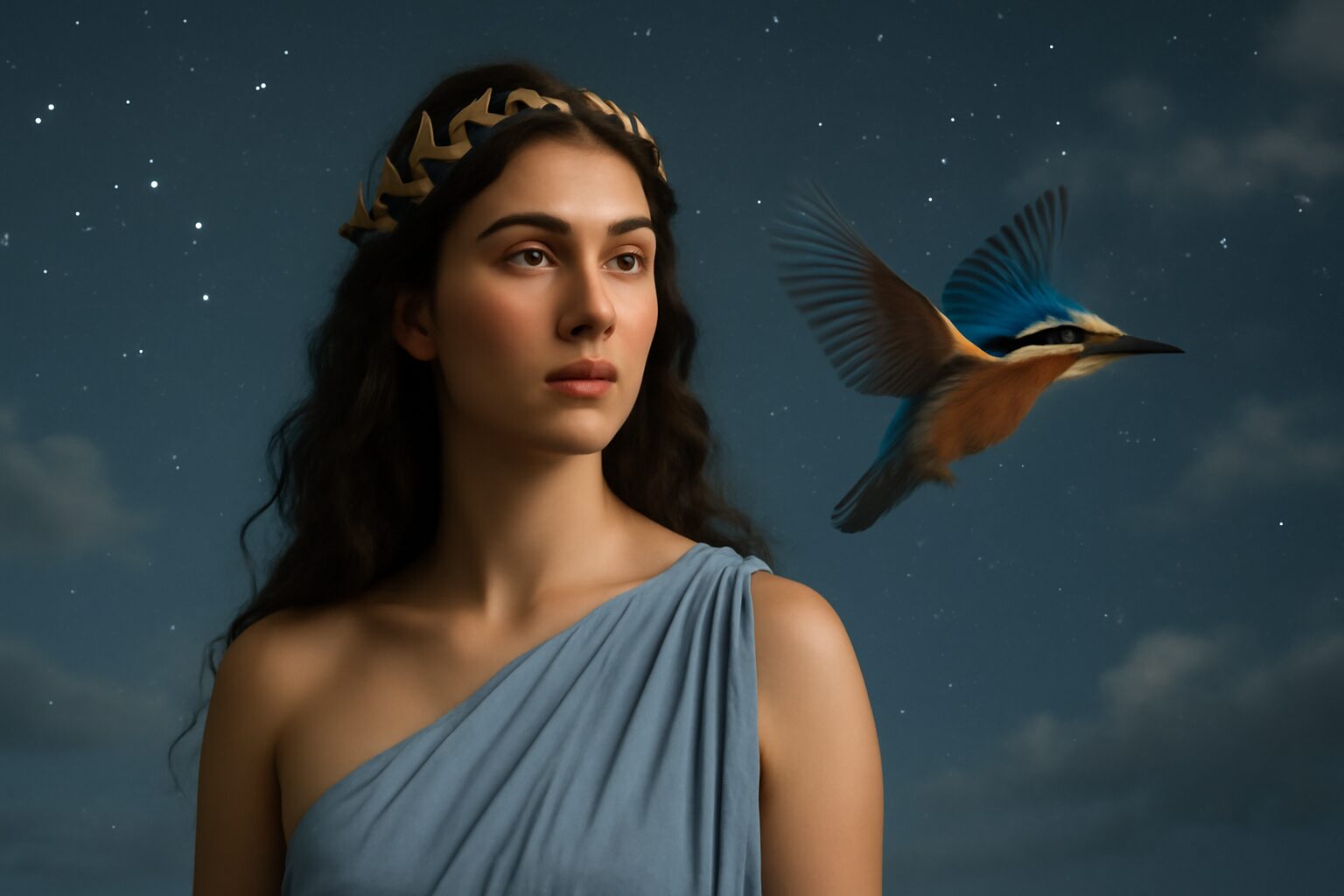
Alcyone: The Tragic Queen of the Skies
In Greek mythology, Alcyone (or Halkyone) is best known as the devoted wife of Ceyx, the king of Thessaly. Her story is one of love, tragedy, and divine transformation—a tale that still echoes in the natural world today.
Mythology and Legend
Alcyone was the daughter of Aeolus, god of the winds, and either Enarete or Aegiale. She married Ceyx, son of the Morning Star, and their love was so profound they often jokingly called each other Zeus and Hera, which angered the actual king of gods. When Ceyx perished in a shipwreck, Alcyone threw herself into the sea in grief. The gods, moved by their devotion, transformed them both into kingfishers (halcyon birds).
The Halcyon Days
Alcyone's father Aeolus calms the winds each winter so she can safely lay her eggs on the sea's surface. This period of calm weather—traditionally around the winter solstice—became known as the Halcyon Days, a term still used today to describe peaceful times. The myth explains this meteorological phenomenon while celebrating enduring love.
Symbolism and Powers
As a transformed being, Alcyone gained association with:
- Calm seas and safe navigation
- Marital devotion and conjugal love
- Transformation and rebirth
The halcyon bird became a symbol of peace and tranquility in Greek culture, often depicted on coins and artwork.
Cultural Significance
Alcyone's myth influenced:
- Ancient Greek understanding of seasonal weather patterns
- Later Roman poets like Ovid who retold her story
- Modern references in literature, astronomy (the star Alcyone in the Pleiades), and even psychology (the "halcyon years" concept)
Her tale represents the Greek belief in the gods' power to both punish hubris and reward true devotion through metamorphosis—a common theme in their mythology where human stories become part of the natural world.
Alternative Names for Alcyone
God Name: Halcyone (Roman)
Halcyone is the Roman equivalent of the Greek goddess Alcyone, often associated with the myth of the halcyon days, a period of calm weather during the winter solstice.
God Name: Alkyone (Greek)
Alkyone is an alternative spelling of Alcyone in Greek mythology, reflecting different transliterations from the original Greek alphabet.
God Name: Ceyx (Greek)
In some myths, Alcyone is closely associated with her husband Ceyx, and their names are sometimes used interchangeably in the context of their tragic love story and transformation into kingfishers.
Tales about Alcyone
Alcyone and Aeolus: The Halcyon Days
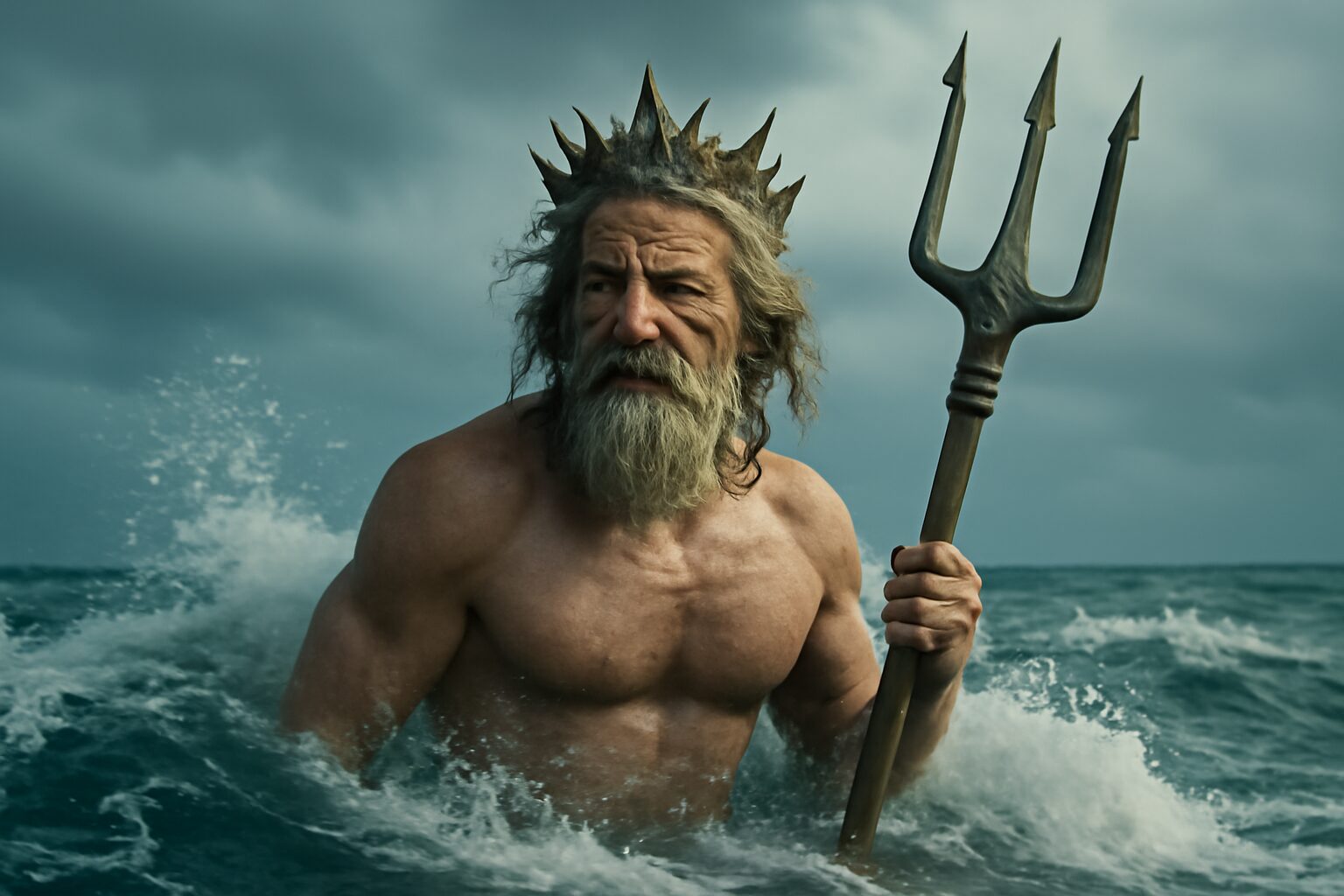
Alcyone, daughter of Aeolus, the master of the winds, was deeply in love with her husband Ceyx. When Ceyx perished in a shipwreck, Alcyone’s grief was so profound that she threw herself into the sea. Moved by her devotion, the gods transformed both into kingfishers. Aeolus, in his compassion, commanded the winds to remain calm for seven days before and after the winter solstice each year so that Alcyone could safely lay her eggs on the sea’s surface. This period became known as the "Halcyon Days," a time of peace and tranquility.
The Calm After the Storm
During these serene days, the sea is unusually still, reflecting the sky like a mirror—a testament to a father’s love for his daughter and the enduring power of devotion. Sailors still speak of this time with reverence, knowing that even the mightiest forces of nature can yield to the bonds of family and love. The gentle winds during this period are overseen by Lips, the god of the southwest wind, while the tranquil sea is watched over by Himerope, a sea nymph associated with soothing waters. The overall peace is further blessed by Eirene, the goddess of peace, and Homonoia, the spirit of concord, ensuring harmony prevails.
Alcyone and Zeus: A Plea for Mercy
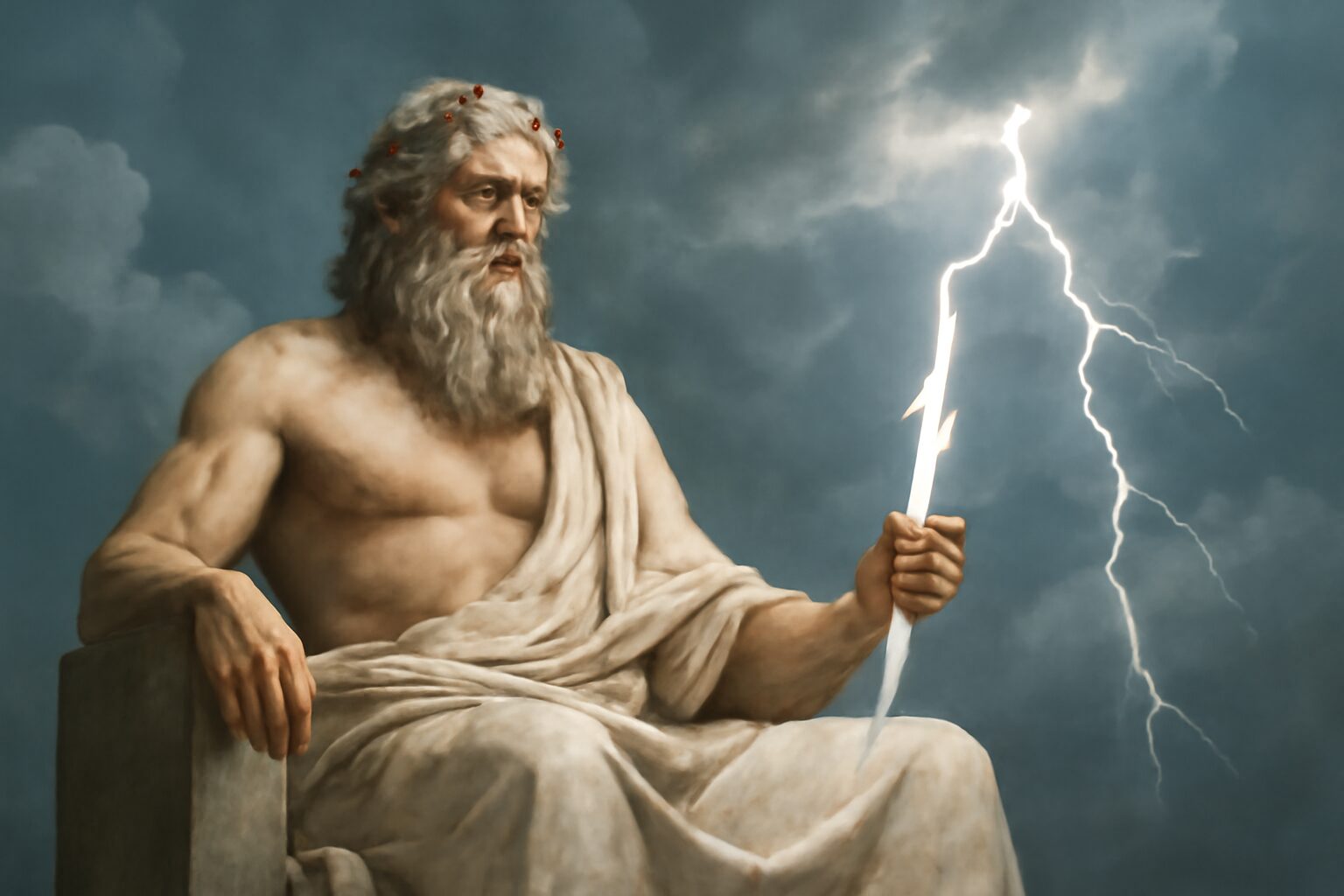
In another tale, Alcyone and Ceyx dared to compare their love to that of Zeus and Hera, invoking the king of the gods’ wrath. Offended by their hubris, Zeus struck Ceyx’s ship with a thunderbolt, drowning him. Alcyone, unaware of her husband’s fate, prayed ceaselessly for his safe return. When she discovered his body washed ashore, her cries of despair reached Zeus’ ears. Though stern, he was not without pity; he transformed the couple into kingfishers, granting them a second life together.
Divine Justice and Compassion
This story illustrates both the peril of challenging the gods and the capacity for mercy even in the most powerful of deities. Zeus’ actions remind us that while hubris is punished, genuine love and repentance can soften divine judgment. In this context, Litae, the spirits of prayer, may have interceded on Alcyone's behalf, while Eusebeia, the personification of piety, underscores the importance of reverence. The transformation itself echoes the influence of Techne, the goddess of art and craft, in shaping new forms, and Soteria, the goddess of safety, who ensures their protection in their new lives.
Frequently Asked Questions
Who is Alcyone in Greek mythology?
Alcyone is a figure in Greek mythology, often associated with the sky and sea. She is most commonly known as one of the Pleiades, the seven daughters of the Titan Atlas and the sea nymph Pleione. Alcyone's name is also linked to the myth of the Halcyon days, a period of calm weather believed to occur when she and her husband, Ceyx, were transformed into kingfisher birds.
Why is Alcyone important in Greek mythology?
Alcyone is important because her story symbolizes love, transformation, and the power of the gods. Her myth explains the origin of the Halcyon days, a time of peace and calm, which has been referenced in literature and culture for centuries. Her connection to the Pleiades also ties her to celestial mythology, making her a bridge between earth and sky.
What is the story of Alcyone and Ceyx?
Alcyone and Ceyx were a devoted couple. When Ceyx died in a shipwreck, Alcyone was overcome with grief and threw herself into the sea. The gods, moved by their love, transformed them into kingfisher birds (halcyons). Zeus also decreed that the seas would be calm during the nesting period of these birds, leading to the term 'Halcyon days.'
How does the myth of Alcyone apply today?
The myth of Alcyone reminds us of the enduring power of love and the natural world. The concept of 'Halcyon days' is still used metaphorically to describe periods of peace and tranquility. Her story also highlights themes of transformation and resilience, which resonate in modern storytelling and personal growth.
What can we learn from Alcyone's story?
Alcyone's story teaches us about loyalty, the pain of loss, and the possibility of renewal. It shows how the gods intervened to honor love, and how nature itself can reflect human emotions. The myth encourages us to find hope and beauty even in difficult times, much like the calm seas during the Halcyon days.