
Deino: The Dreadful Sister of the Graeae
In Greek mythology, Deino (also spelled Dino) was one of the three Graeae, ancient sea goddesses who personified the terrifying aspects of the ocean. Her name translates to "the dreadful" or "the terrible," reflecting her fearsome nature. Alongside her sisters Enyo ("the warlike") and Pemphredo ("the alarm"), Deino was a daughter of the primordial sea deities Phorcys and Ceto, making her part of a family of monstrous beings that included the Gorgons and other legendary creatures.
The Shared Eye and the Quest of Perseus
The Graeae were famously depicted as old women from birth, with gray hair and only one eye and one tooth among them, which they shared. This peculiar trait played a crucial role in the myth of Perseus. When the hero sought to slay the Gorgon Medusa, he needed the location of the nymphs who possessed tools to aid his quest. The Graeae, who guarded this knowledge, refused to help—until Perseus stole their single eye, forcing them to reveal the information in exchange for its return.
Deino and her sisters embodied the harsh, unpredictable nature of the sea—their very presence evoked fear and awe. Unlike the more famous Gorgons, the Graeae were not directly violent, but their role as keepers of secrets and their grotesque appearance made them figures of dread.
Symbolism and Legacy
Deino and her sisters represented the destructive power of the ocean, particularly the terror of storms and shipwrecks. Their shared eye symbolized the limited perception of mortals when facing the vast, unknowable dangers of the sea. In some interpretations, the Graeae also served as warnings against the consequences of hubris, as their knowledge was both coveted and perilous.
Though less prominent than other figures in Greek mythology, Deino and the Graeae remain fascinating examples of the Greeks' personification of natural forces. Their myth highlights the blurred line between wisdom and horror in ancient storytelling, where even the most monstrous beings could hold the keys to a hero's success.
Alternative Names for Deino
God Name: Deino (Greek)
The primary name of the goddess, often associated with dread or terror in Greek mythology.
God Name: Dino (Greek)
A variant spelling of Deino, sometimes used interchangeably in ancient texts.
God Name: Metus (Roman)
The Roman equivalent of Deino, representing fear or terror, though not a direct translation but a conceptual counterpart.
God Name: Graeae (Greek)
Deino is sometimes considered one of the Graeae, the three sisters who shared one eye and tooth, representing aspects of dread and old age.
Tales about Deino
The Graeae's Shared Vision
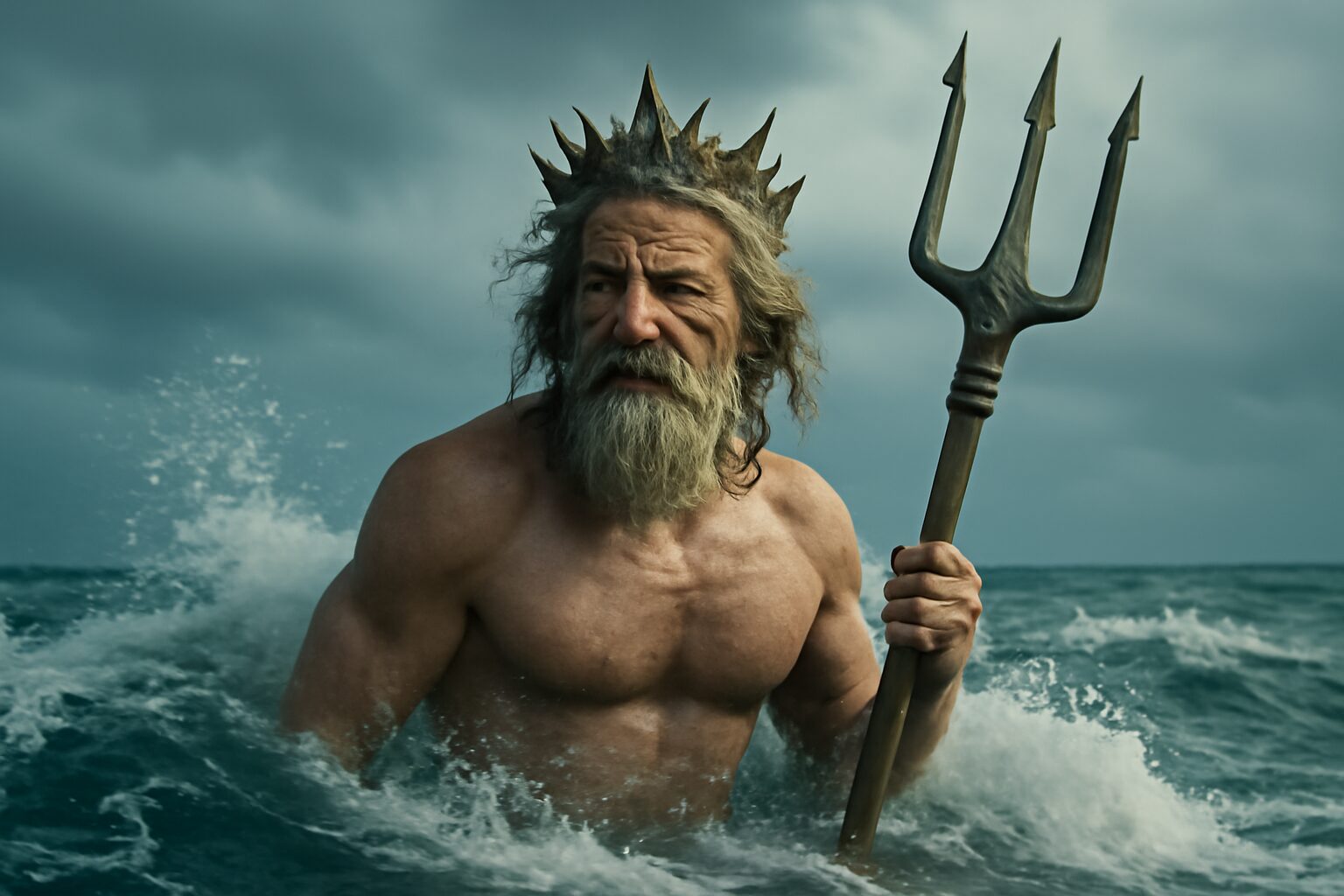
In the shadowy depths of the sea, Deino and her sisters, the Graeae, shared a single eye and tooth among them. One fateful day, as they passed the eye to one another, a vision flashed through it—a glimpse of Phorcys, their father, locked in a fierce struggle with the sea god Poseidon. The vision was fleeting, but it filled them with dread. Deino, whose name means "dread" or "terror," felt the weight of the prophecy more than her sisters. She urged them to warn Phorcys, but they hesitated, bound by their cyclical existence.
Driven by a rare moment of clarity and fear for their father, Deino seized the eye and refused to pass it on. For the first time, she held the power of sight alone and saw the full extent of the danger. She cried out to the sea, and her voice, amplified by terror, reached Phorcys just in time. Heeding the warning, Phorcys retreated from the conflict, avoiding a catastrophic clash. Grateful, he blessed Deino with a fragment of foresight, allowing her occasional visions beyond the shared eye, though she remained forever tied to her sisters' fate.
Deino and the Wrath of Zeus
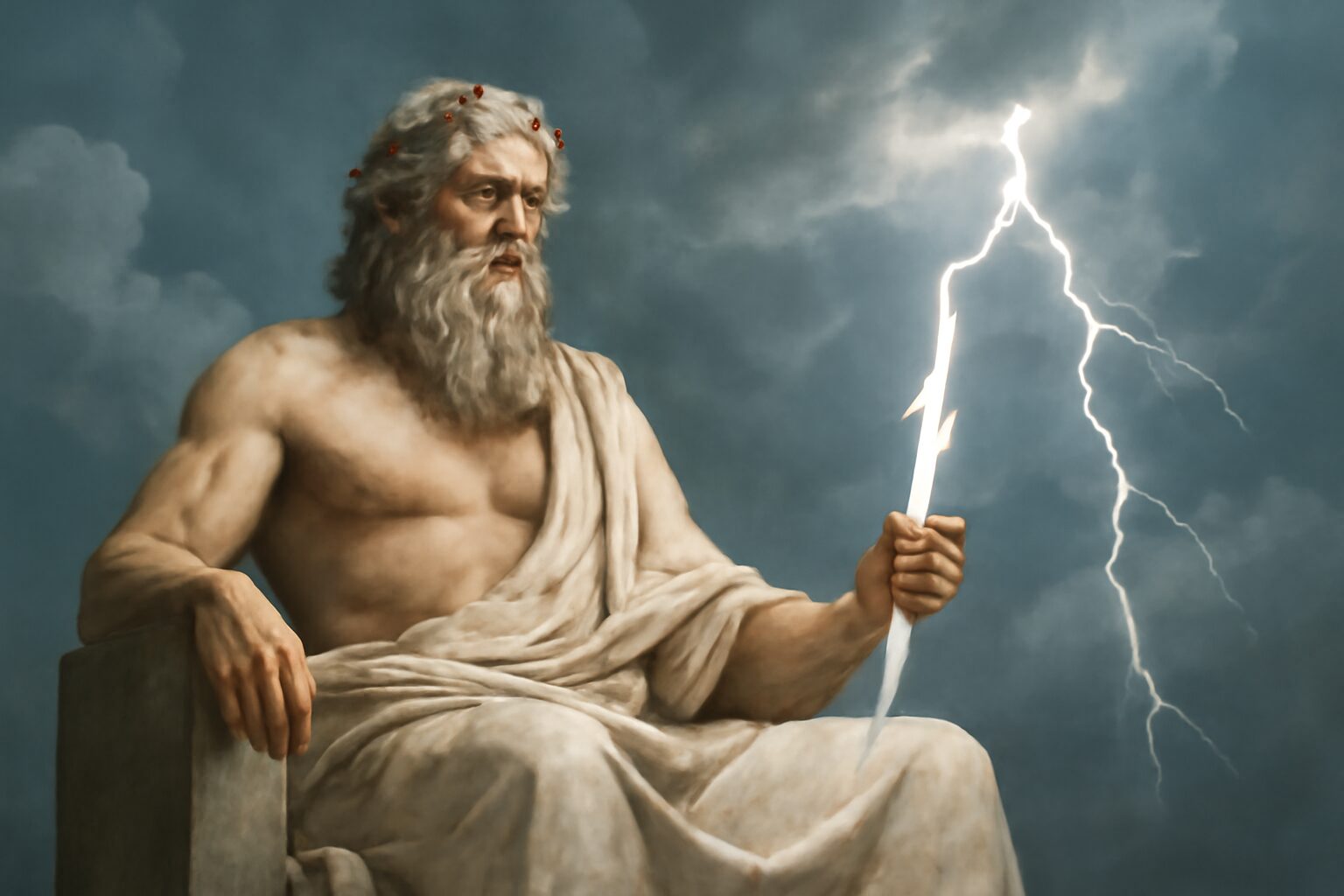
During the Titanomachy, the great war between the Titans and the Olympians, Deino and her Graeae sisters were caught in the crossfire. Their father, Phorcys, allied with the Titans, while the Olympians, led by Zeus, sought to overthrow them. One stormy night, as lightning crackled across the sky, Zeus himself descended near their coastal cave, his thunderbolts illuminating the raging sea.
Deino, peering through the shared eye, saw Zeus's fury directed at a Titan hiding nearby. Fear gripped her, but instead of cowering, she used her dreadful presence to create a diversion. She and her sisters let out a unified, terrifying shriek that echoed through the cliffs, momentarily startling Zeus. The delay allowed the Titan to escape, and though Zeus was angered by the interference, he recognized the Graeae's ancient power and chose not to punish them, instead warning them to stay out of the conflict. From that day on, Deino carried the memory of facing the king of the gods, and her dread was tinged with a strange respect for the Olympian's might.
Frequently Asked Questions
Who is Deino in Greek mythology?
Deino is one of the three Graeae, sea deities who were sisters and shared one eye and one tooth among them. She is often associated with the sea and is known for her role in the myth of Perseus.
What does the name Deino mean?
The name Deino translates to 'dread' or 'terror' in Greek, reflecting her fearsome nature as one of the Graeae, who were often depicted as ominous figures in mythology.
Why are the Graeae, including Deino, important in Greek myths?
The Graeae, including Deino, are important because they guard valuable knowledge and are pivotal in the story of Perseus. Their shared eye symbolizes the limited and guarded nature of wisdom in myths.
What can we learn from the myth of Deino and the Graeae?
The myth teaches about the themes of wisdom, perseverance, and cleverness, as Perseus outwits the Graeae to obtain information crucial for his quest, showing how ingenuity can overcome obstacles.
How does the story of Deino apply to modern life?
The story of Deino and the Graeae reminds us that knowledge is powerful but often guarded, and that perseverance and clever thinking are valuable traits in overcoming challenges today.