Damnameneus: The Lesser-Known Greek Deity of Subjugation
In the vast pantheon of Greek mythology, Damnameneus stands as one of the more obscure but fascinating figures. His name, derived from the Greek word damnami meaning "to subdue" or "to overpower," hints at his role as a deity associated with control and restraint. Though not as prominent as Zeus or Poseidon, Damnameneus played a unique part in the mythological world.
Origins and Role
Damnameneus was one of the Dactyls, a group of mythical beings associated with metalworking, magic, and craftsmanship. The Dactyls were often linked to the Great Mother goddess, Cybele, and were said to have originated from Crete. Damnameneus, along with his brothers, was believed to possess knowledge of metallurgy and the mystical arts, making him a figure of both practical and supernatural significance.
His primary role was tied to the concept of subjugation—whether it be taming wild forces, restraining unruly spirits, or even controlling the raw materials used in forging. In some traditions, he was invoked by blacksmiths and artisans to help master their craft, symbolizing the power to shape and dominate the elements.
Powers and Associations
Damnameneus was often depicted as a figure of strength and authority, wielding tools or chains that represented his ability to bind or control. His powers extended beyond the physical realm; some myths suggest he could subdue supernatural beings, making him a protector against chaotic forces. This aspect aligns him with other deities of restraint, such as the Titan Prometheus, who, despite his rebellion, was ultimately bound by Zeus.
In some lesser-known traditions, Damnameneus was also associated with initiation rites, particularly those involving the transition from chaos to order. His presence in these rituals underscored the importance of discipline and mastery, themes central to his mythology.
Relationships and Significance
As a Dactyl, Damnameneus was closely connected to his brothers, including Celmis and Acmon, who were also skilled in metallurgy and magic. Together, they were said to have taught humanity the secrets of metalworking, bridging the divine and mortal worlds. Their collective influence highlights the interplay between craftsmanship and mythology in ancient Greek culture.
Though Damnameneus rarely appears in major myths, his presence underscores a recurring theme in Greek mythology: the tension between chaos and control. His legacy endures as a symbol of the human desire to harness and shape the world, whether through physical labor or spiritual discipline.
Alternative Names for Damnameneus
God Name: Damnameneus (Greek)
The primary Greek name of the god, often associated with binding or subduing forces, possibly linked to metallurgy or craftsmanship.
God Name: Compressor (Roman)
A Latinized or Roman epithet that conveys a similar meaning to Damnameneus, emphasizing the god's role in binding or compressing, though this name is less commonly attested in primary sources.
God Name: Desmotes (Greek)
An alternative Greek epithet meaning 'the Binder,' highlighting the god's association with restraint or control, possibly used in poetic or regional contexts.
God Name: Adamas (Greek)
A name derived from Greek mythology, meaning 'unconquerable' or 'untameable,' sometimes linked to Damnameneus in later interpretations, though the connection is speculative.
Tales about Damnameneus
Damnameneus and the Wrath of Poseidon
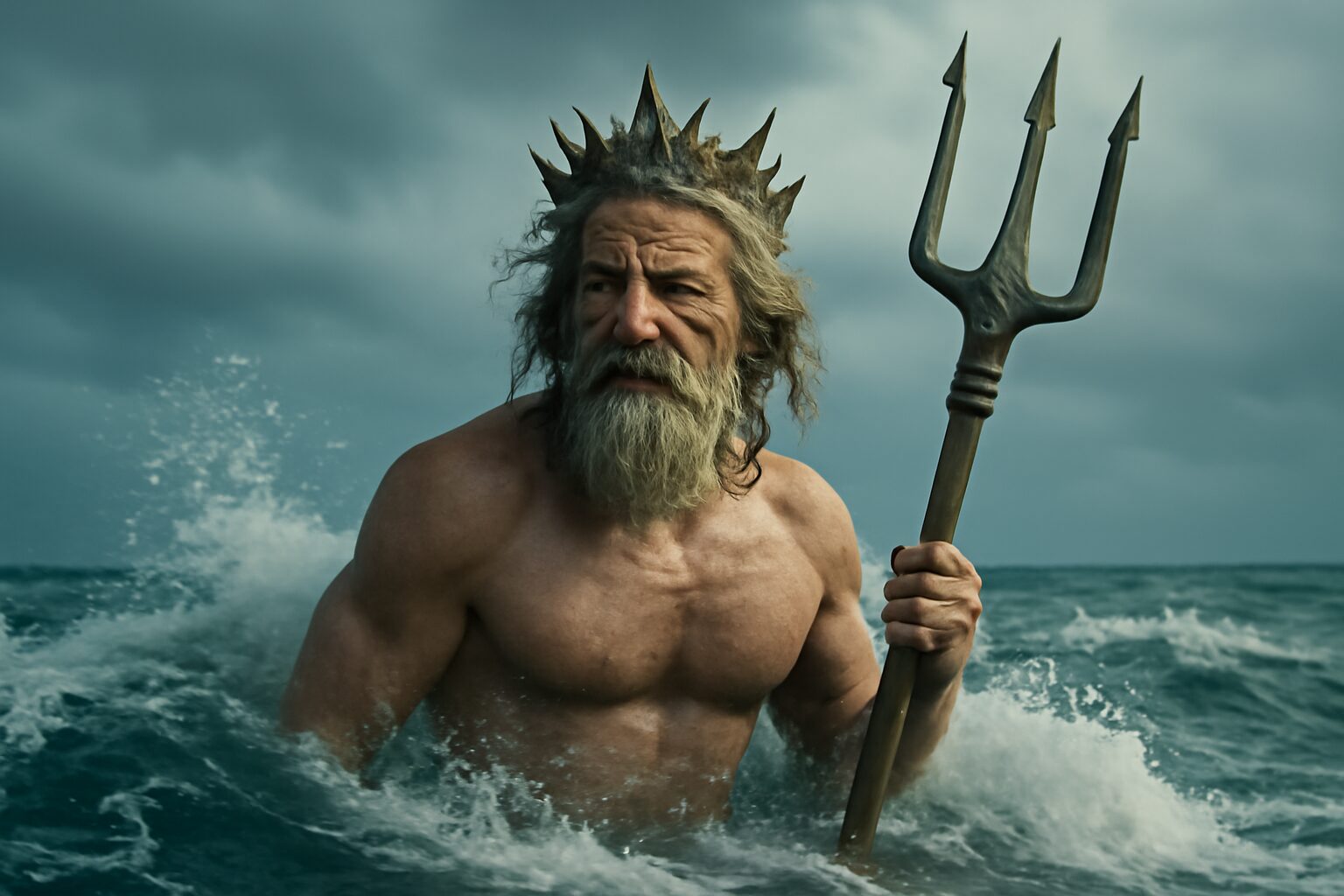
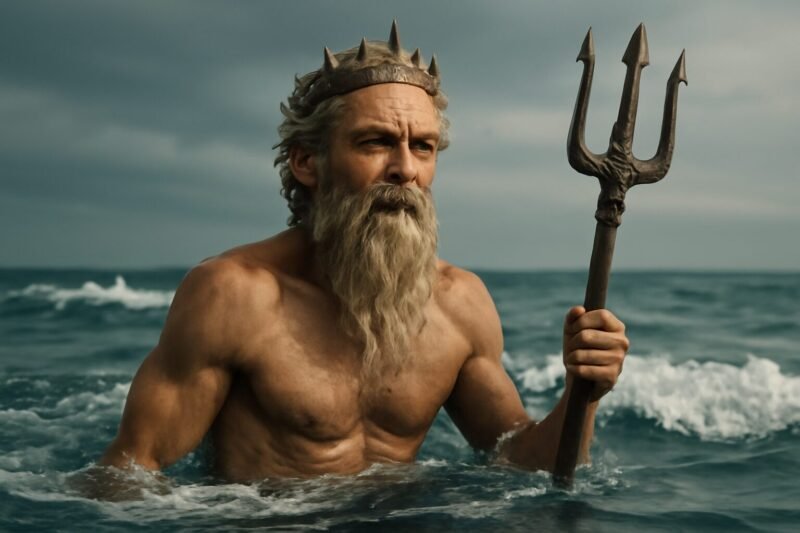
In the tempestuous depths of the Aegean Sea, Damnameneus, one of the mighty Telchines, was known for his skill in metalworking and sorcery. He once forged a trident of unparalleled power, intending to present it as an offering to Poseidon, the god of the sea. However, pride clouded his judgment, and Damnameneus boasted that his creation rivaled even the divine weapons of the gods.
The Divine Retribution
Enraged by such hubris, Poseidon summoned a colossal wave that swallowed Damnameneus's forge. The sea god's voice thundered, "No mortal or demigod shall claim equality with the Olympians!" Damnameneus, though powerful, was no match for the deity's wrath. His trident was shattered, and he was cursed to wander the ocean floor, his magical abilities diminished, serving as a eternal reminder of the peril of challenging the gods.
Damnameneus and the Cunning of Thetis
On another occasion, Damnameneus encountered Thetis, the revered Nereid known for her wisdom and prophetic gifts. She sought his expertise to craft a shield for her son, Achilles, destined for greatness in the Trojan War. Intrigued by the prospect of contributing to a hero's legacy, Damnameneus agreed, pouring his arcane knowledge into the metal.
A Test of Loyalty
As he worked, Thetis revealed her fears of Achilles's mortality and implored Damnameneus to imbue the shield with protective charms beyond mere physical defense. Moved by her maternal devotion, he wove spells of resilience and foresight into the design. However, Thetis, ever cautious, tested his loyalty by offering a priceless pearl in exchange for his silence on the shield's magical properties. Damnameneus accepted, and the shield went on to play a pivotal role in Achilles's exploits, its origins shrouded in the mysteries of the deep, a testament to the collaboration between sea divinity and Telchine craft.
Frequently Asked Questions
Who is Damnameneus in Greek mythology?
Damnameneus is one of the lesser-known sea deities in Greek mythology, often associated with the Telchines, a group of skilled craftsmen and magicians linked to the sea. He represents the mysterious and sometimes dangerous aspects of the ocean.
What does the name Damnameneus mean?
The name Damnameneus roughly translates to 'the subduer' or 'the tamer' in Greek, reflecting his connection to controlling or mastering the unpredictable forces of the sea.
Why is Damnameneus important in Greek mythology?
While not a major figure, Damnameneus represents the ancient Greeks' respect and fear of the sea's power. His association with the Telchines also highlights themes of craftsmanship, magic, and the blurred line between divine and mortal skills.
What can we learn from Damnameneus today?
Damnameneus reminds us of humanity's long-standing relationship with the seau2014both its bounty and its dangers. His story reflects how ancient cultures personified natural forces to understand and respect them.
How does Damnameneus relate to other sea gods like Poseidon?
While Poseidon is the king of the sea in Greek mythology, Damnameneus represents a more specialized aspectu2014perhaps the sea's hidden depths or its transformative powers. He shows how the Greeks saw different deities governing various facets of nature.