Kyrbas: The Obscure Deity of Greek Mythology
In the vast pantheon of Greek mythology, some deities remain shrouded in mystery, their stories fragmented or lost to time. One such figure is Kyrbas, a minor god whose origins and role are not widely documented in surviving ancient texts. Despite this obscurity, Kyrbas offers a fascinating glimpse into the diverse and complex world of Greek religious beliefs.
Origins and Possible Roles
Kyrbas is occasionally mentioned in connection with the Korybantes, a group of ecstatic, armored dancers who worshiped the goddess Cybele. Some scholars suggest Kyrbas may have been a leader or a personification of these frenzied worshippers. The Korybantes were known for their wild, drumming rituals, which were believed to induce trance-like states and protect the infant Zeus from his father, Cronus.
Alternatively, Kyrbas might have been a local deity, perhaps originating from Phrygia or Crete, where Cybele and the Korybantes were particularly venerated. His name could be linked to the word kyrbis, meaning "helmet" or "headpiece," reinforcing his association with the armored Korybantes.
Powers and Symbolism
Though details about Kyrbas' powers are scarce, his connection to the Korybantes suggests he may have embodied chaos, ecstasy, and divine protection. Like his followers, Kyrbas could have been a guardian figure, using music and dance to ward off evil or inspire spiritual awakening. The rhythmic pounding of drums and clashing of weapons in Korybantic rites were thought to drown out negative influences, symbolizing the triumph of order over chaos.
Relationships with Other Deities
Kyrbas' ties to Cybele, the Great Mother Goddess, place him within a broader mythological framework. Cybele's cult was deeply rooted in nature and fertility, and her attendants—whether Korybantes or Kyrbas—played a vital role in her worship. Some myths even blur the lines between Kyrbas and other divine figures, such as Sabazios, another Phrygian god associated with ecstatic rituals.
His possible involvement in the protection of the infant Zeus also links him to the Olympian pantheon, though this role is more commonly attributed to the Curetes, another group of shield-clashing guardians.
Legacy and Significance
While Kyrbas remains an enigmatic figure, his presence highlights the rich diversity of Greek mythology, where even lesser-known deities held importance in local cults and traditions. His association with ecstatic worship and protective rites reflects the Greeks' belief in the power of ritual to connect with the divine.
Today, Kyrbas serves as a reminder of how much of ancient mythology has been lost or fragmented—yet even in obscurity, these figures continue to intrigue and inspire those who seek to uncover the hidden layers of Greek religious life.
Alternative Names for Kyrbas
God Name: Korybas (Greek)
An alternative name for Kyrbas, often associated with the Corybantes, the mythical attendants of the goddess Cybele. The name Korybas is used in some Greek texts to refer to similar deities or figures in the cult of Cybele.
God Name: Corybas (Roman)
The Romanized version of Korybas, used in Roman mythology and cult practices. It refers to the same deity or a closely related figure, often linked to the rites of Cybele (Magna Mater) in Roman religion.
God Name: Kybeles (Greek)
A name sometimes used interchangeably with Kyrbas, particularly in contexts where the deity is closely associated with Cybele. It reflects the syncretic nature of the cult and the blending of divine identities.
Tales about Kyrbas
Kyrbas and the Healing Touch of Asclepius
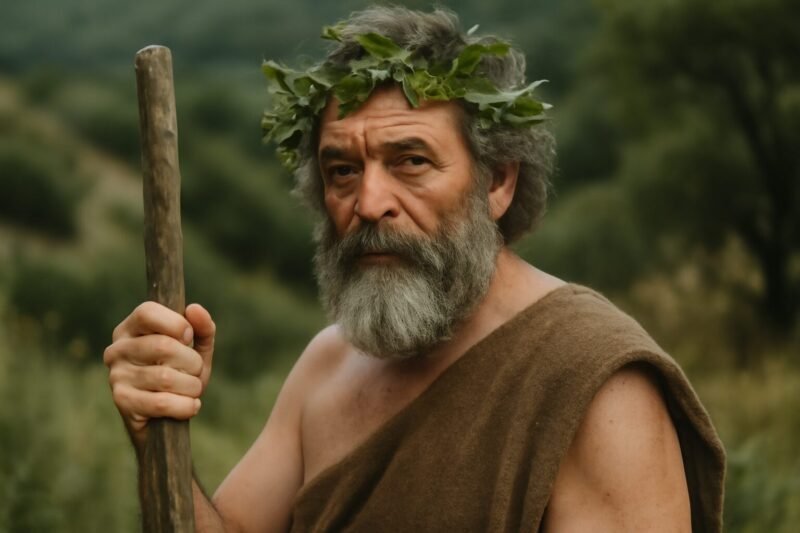
In the rugged highlands of Crete, Kyrbas, a rustic deity known for his wild nature and association with the Corybantes, once suffered a grievous wound during a frenzied dance ritual. His foot was pierced by a sharp rock, and infection set in, threatening to sap his vitality. Desperate, his followers carried him to the sanctuary of Asclepius, the god of medicine and healing.
Asclepius, moved by Kyrbas's plight and his importance to the rustic traditions, applied a poultice of rare herbs and invoked his sacred serpent to cleanse the wound. Under the god's care, Kyrbas's fever broke, and his strength returned. Grateful, Kyrbas incorporated healing rhythms into his dances thereafter, honoring Asclepius's gift by promoting vitality and health through ecstatic movement.
Kyrbas and the Revelry with Dionysus
During a vibrant festival on the slopes of Mount Ida, Kyrbas encountered Dionysus, the god of wine, ecstasy, and theater. Dionysus, impressed by Kyrbas's energetic dances and the fervor of his followers, invited him to join his retinue of maenads and satyrs. Together, they led a procession through the forests, their combined energies stirring the earth and vines into life.
Kyrbas taught Dionysus the pounding, hypnotic beats of the Corybantic rites, while Dionysus shared the secrets of the vine and the art of transformative ecstasy. Their collaboration birthed new forms of celebration that blended rustic vigor with divine intoxication, leaving a legacy of joyous, uninhibited worship that echoed through the ages.
Frequently Asked Questions
Who are the Kyrbas in Greek mythology?
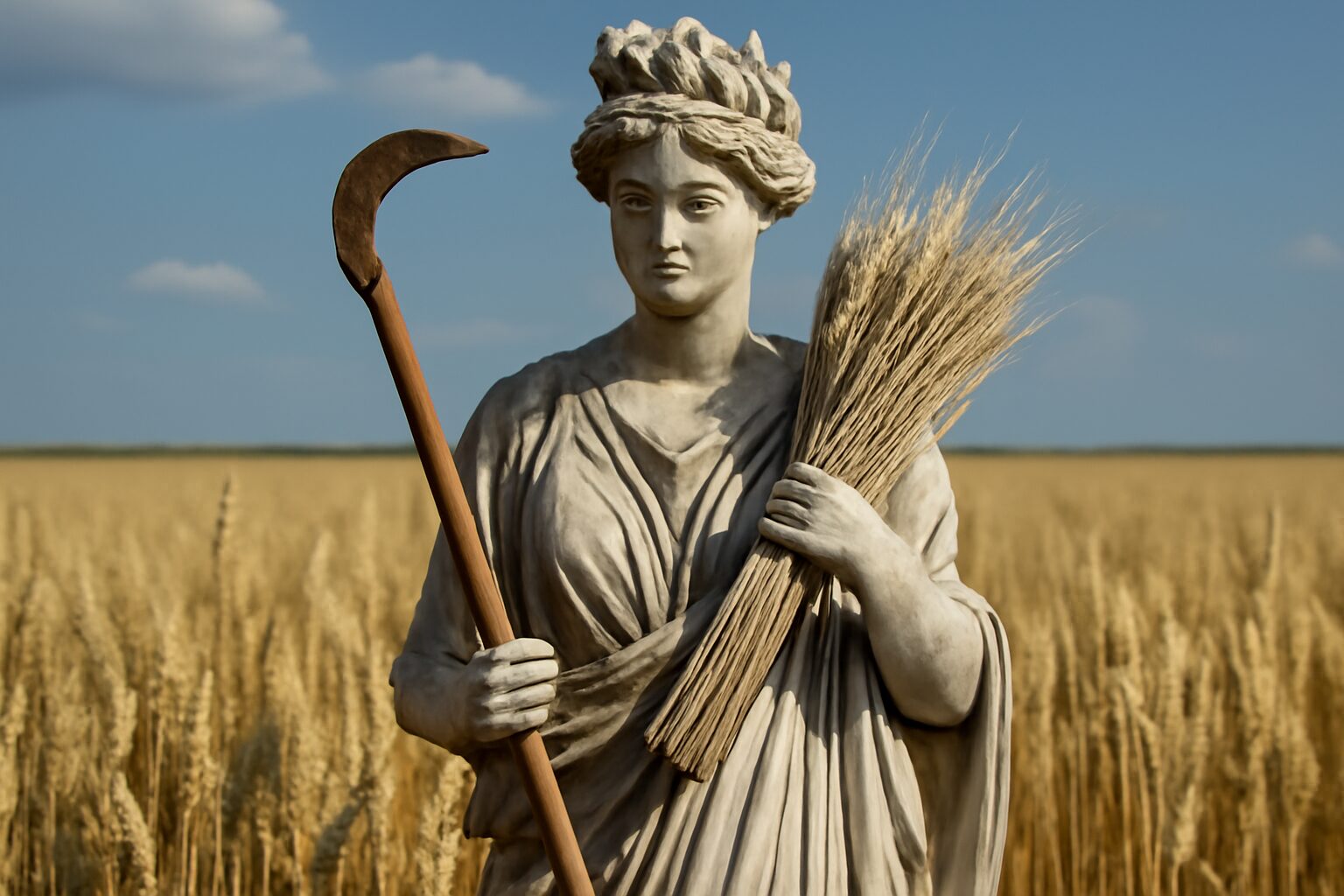
The Kyrbas are rustic deities or spirits in Greek mythology, often associated with rural life, nature, and the untamed wilderness. They are lesser-known compared to major gods like Zeus or Athena but played a role in local folklore and agricultural traditions.
Why are rustic deities like the Kyrbas important in Greek mythology?
Rustic deities like the Kyrbas represent the connection between ancient Greeks and the natural world. They were important for rural communities who relied on agriculture and nature, as these spirits were believed to influence fertility, harvests, and the health of the land.
What can we learn from the Kyrbas and other rustic deities?
The Kyrbas and similar deities teach us about the ancient Greeks' reverence for nature and their belief in divine forces governing everyday life. They highlight the cultural importance of rural traditions and the spiritual significance of the natural world in ancient times.
How do the Kyrbas compare to more well-known Greek gods?
Unlike major Olympian gods who ruled over broad domains like the sky or war, the Kyrbas were localized, rustic spirits tied to specific places or aspects of rural life. They were less prominent in myths but held significance for farmers and shepherds.
Are there modern interpretations or lessons from the Kyrbas today?
Today, the Kyrbas can remind us of the value of nature and sustainable living. Their symbolism resonates with modern environmental movements, emphasizing harmony with the earthu2014a concept that was central to ancient rural Greek life.