Kelmis: The Tragic Figure of Greek Mythology
In the rich tapestry of Greek mythology, Kelmis stands as a lesser-known but fascinating figure. Often associated with the Dactyls, a group of mythical beings connected to metalworking and craftsmanship, Kelmis plays a brief but memorable role in the stories of the gods.
The Myth of Kelmis
Kelmis was originally a loyal servant or companion of the infant Zeus. According to legend, when the god was hidden away in a cave on Mount Ida to protect him from his father, Cronus, Kelmis was one of his caretakers. However, his story takes a dark turn when he later mocked the goddess Rhea, Zeus's mother. As punishment for his insolence, Rhea transformed him into adamant, a hard, unyielding metal often associated with iron or steel.
Symbolism and Significance
Kelmis's transformation carries deep symbolic meaning. His fate reflects the ancient Greek belief in divine retribution and the consequences of hubris. By becoming metal, Kelmis was forever hardened—both physically and metaphorically—as a warning against disrespecting the gods. His story also ties into the broader themes of metallurgy and craftsmanship, as the Dactyls were often credited with discovering ironworking.
Connections to Other Myths
Kelmis is sometimes linked to the Curetes, another group of mythical beings who protected the infant Zeus by clashing their weapons to mask his cries from Cronus. Some versions of the myth suggest Kelmis was one of these guardians before his downfall. His tale also intersects with that of the Telchines, skilled metalworkers who, like Kelmis, faced divine punishment for their arrogance.
Though not as prominent as Olympian gods, Kelmis's story offers a glimpse into the complex world of Greek mythology, where even minor figures carry weighty lessons about power, loyalty, and the consequences of defiance.
Alternative Names for Kelmis
God Name: Kelmis (Greek)
Kelmis is a lesser-known figure in Greek mythology, sometimes associated with the Dactyls, mythical beings connected to the Great Mother Cybele. His name is primarily attested in ancient Greek sources.
God Name: Celmis (Roman)
In Roman mythology, Kelmis is occasionally referred to as Celmis, a variation of his Greek name. This name appears in some Roman texts that adapt Greek myths, though he remains a minor figure.
God Name: Daktylos Kelmis (Greek)
In some Greek traditions, Kelmis is identified as one of the Daktyloi (Dactyls), a group of mythical beings associated with metallurgy and magic. The name 'Daktylos Kelmis' emphasizes his connection to this group.
Tales about Kelmis
The Curse of Kelmis and the Wrath of Zeus
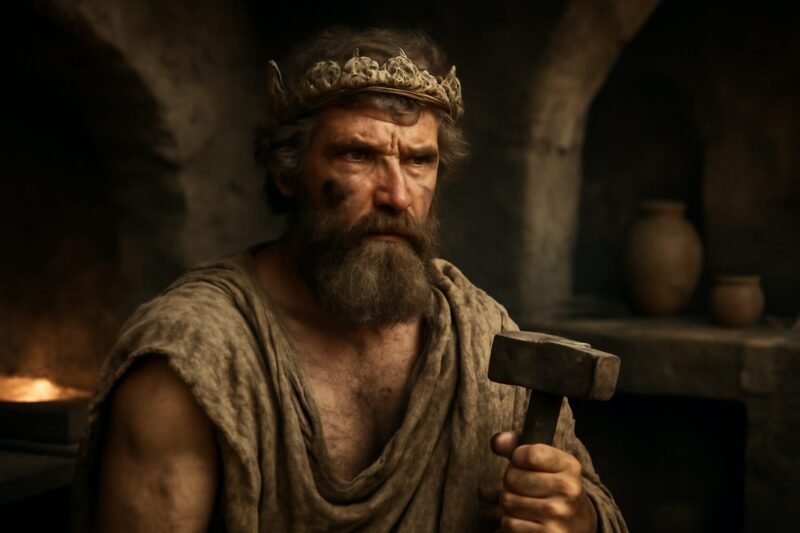
In the age when gods and mortals mingled freely, Kelmis, a rustic deity known for his association with iron and metallurgy, once served as a nursemaid to the infant Zeus. Hidden away in a Cretan cave to protect him from his father Cronus, Zeus was cared for by the gentle Kelmis, who used his knowledge of metals to forge toys and tools to amuse the future king of the gods.
The Fatal Misstep
As Zeus grew into his divine power, he began to assert his authority over the cosmos. Kelmis, however, grew arrogant, believing his early care granted him immunity from the god's wrath. When Zeus demanded universal reverence, Kelmis openly mocked him, claiming that a god raised by his hand owed him deference instead.
Divine Retribution
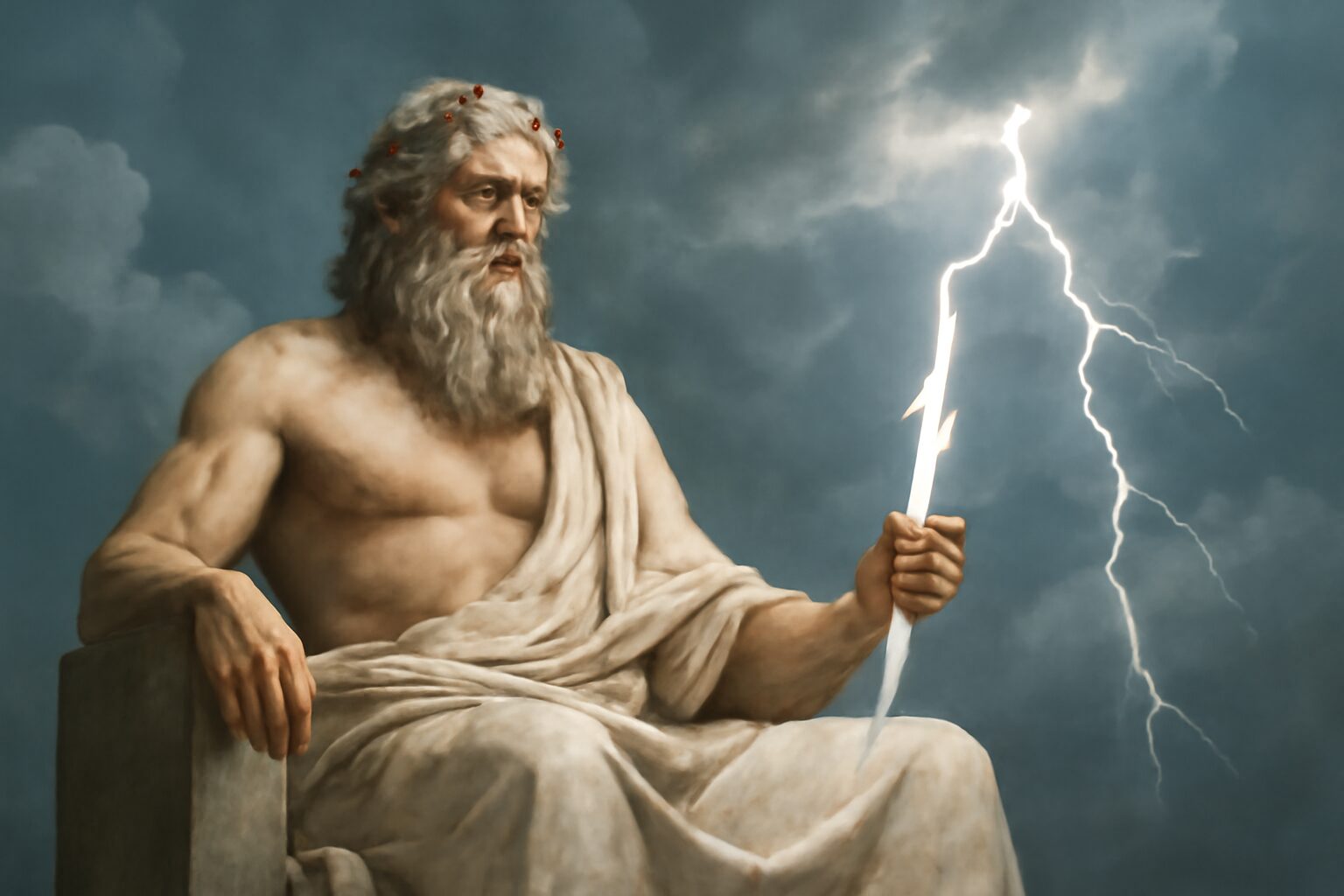
Enraged by this hubris, Zeus unleashed his thunderous fury. He transformed Kelmis into a wedge of iron—the very material the rustic god had mastered—condemning him to spend eternity as an inanimate object, a stark reminder of the consequences of defying the will of the Olympians.
Kelmis and the Healing Touch of Asclepius
Long after his transformation, the iron form of Kelmis lay forgotten in a secluded grove. It was here that Asclepius, the god of medicine, stumbled upon the metallic wedge during his wanderings to gather rare herbs and minerals for his healing arts.
A Discovery of Power
Intrigued by the unnatural iron, Asclepius sensed a lingering divine essence within it. Recognizing it as the cursed form of Kelmis, he sought to harness its unique properties. Using his unparalleled medical skills, he ground particles of the iron into a potent powder, believing it could aid in curing ailments related to strength and vitality.
The Limits of Compassion
Despite his efforts, Asclepius could not fully reverse the curse of Zeus. However, the iron of Kelmis became a valued component in his remedies, symbolizing the blend of divine punishment and the relentless pursuit of healing—a testament to the god's ingenuity even in the face of irreversible divine will.
Frequently Asked Questions
Who are the Kelmis in Greek mythology?
Kelmis is a lesser-known figure in Greek mythology, often associated with rustic deities or minor gods linked to nature, craftsmanship, or local traditions. He is sometimes mentioned as a companion or servant of more prominent gods like Hephaestus or Dionysus.
What are rustic deities in Greek mythology?
Rustic deities in Greek mythology are minor gods or spirits connected to rural life, nature, and the countryside. They include figures like Pan (god of shepherds), nymphs (spirits of trees and water), and satyrs (wild, nature-dwelling creatures). These deities represent the untamed aspects of the natural world.
Why are rustic deities important in Greek mythology?
Rustic deities are important because they embody the Greeks' reverence for nature and the unseen forces believed to inhabit it. They explain natural phenomena, teach moral lessons, and reflect the connection between humans and their environment, which was vital in ancient agrarian societies.
How do rustic deities apply to modern life?
Rustic deities symbolize humanity's enduring relationship with nature. Today, they inspire environmental awareness, art, and literature, reminding us of the beauty and power of the natural world. Their stories also highlight timeless themes like balance, respect for nature, and the consequences of hubris.
What can we learn from the story of Kelmis?
While Kelmis' stories are sparse, his association with rustic deities teaches humility and the importance of lesser-known figures in mythology. It shows that even minor characters contribute to the richness of Greek myths, reflecting the diversity of ancient beliefs and the value of every aspect of nature.