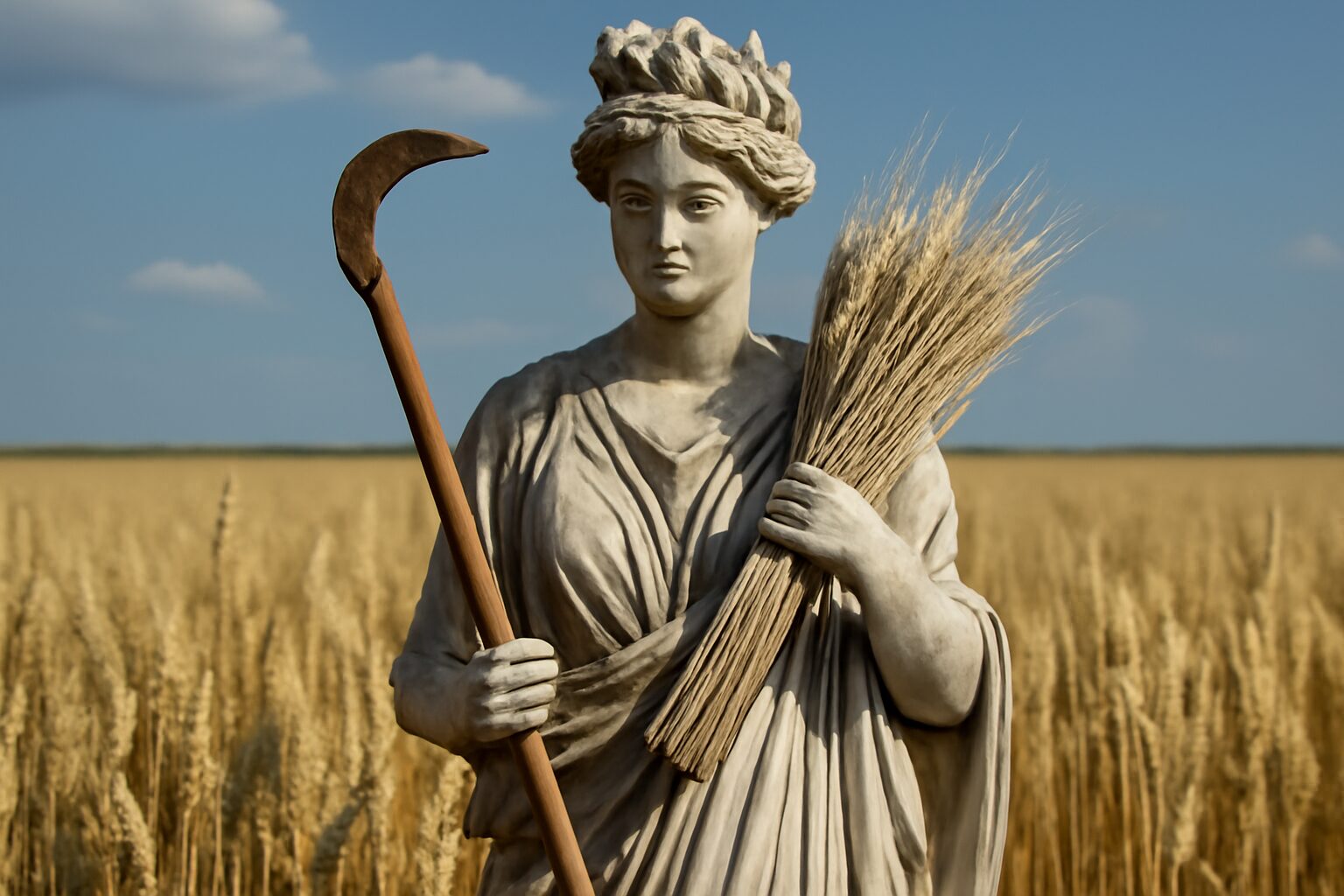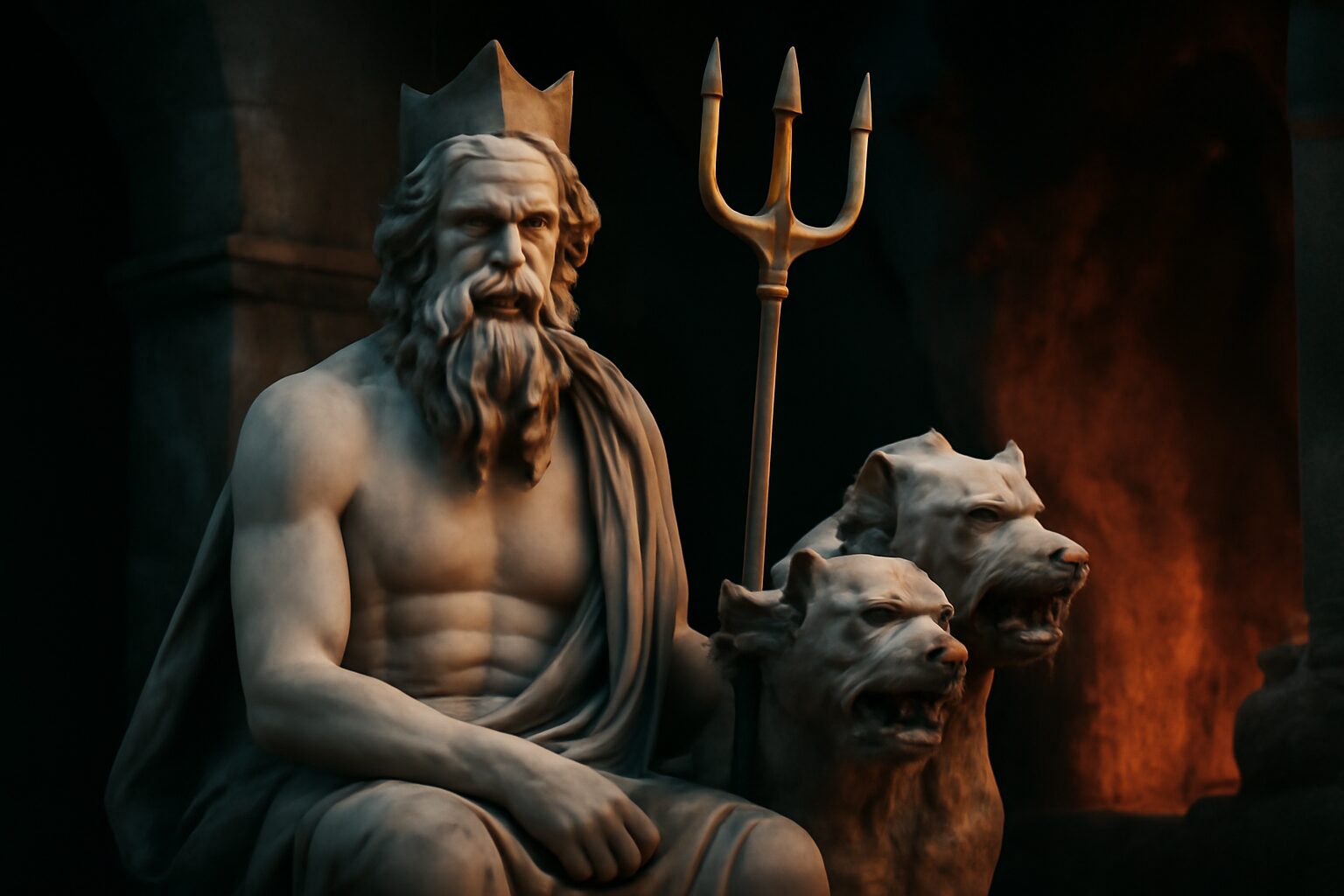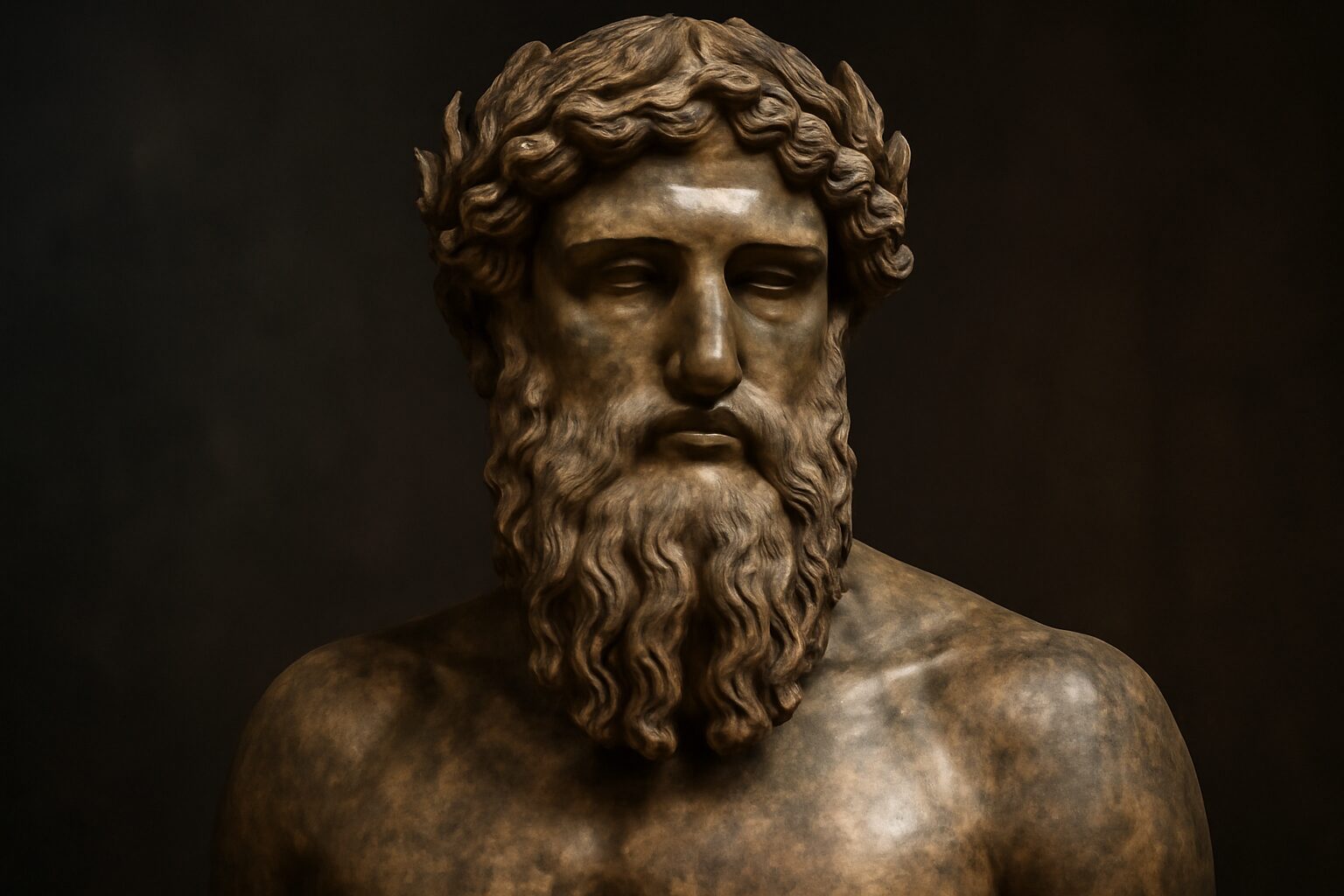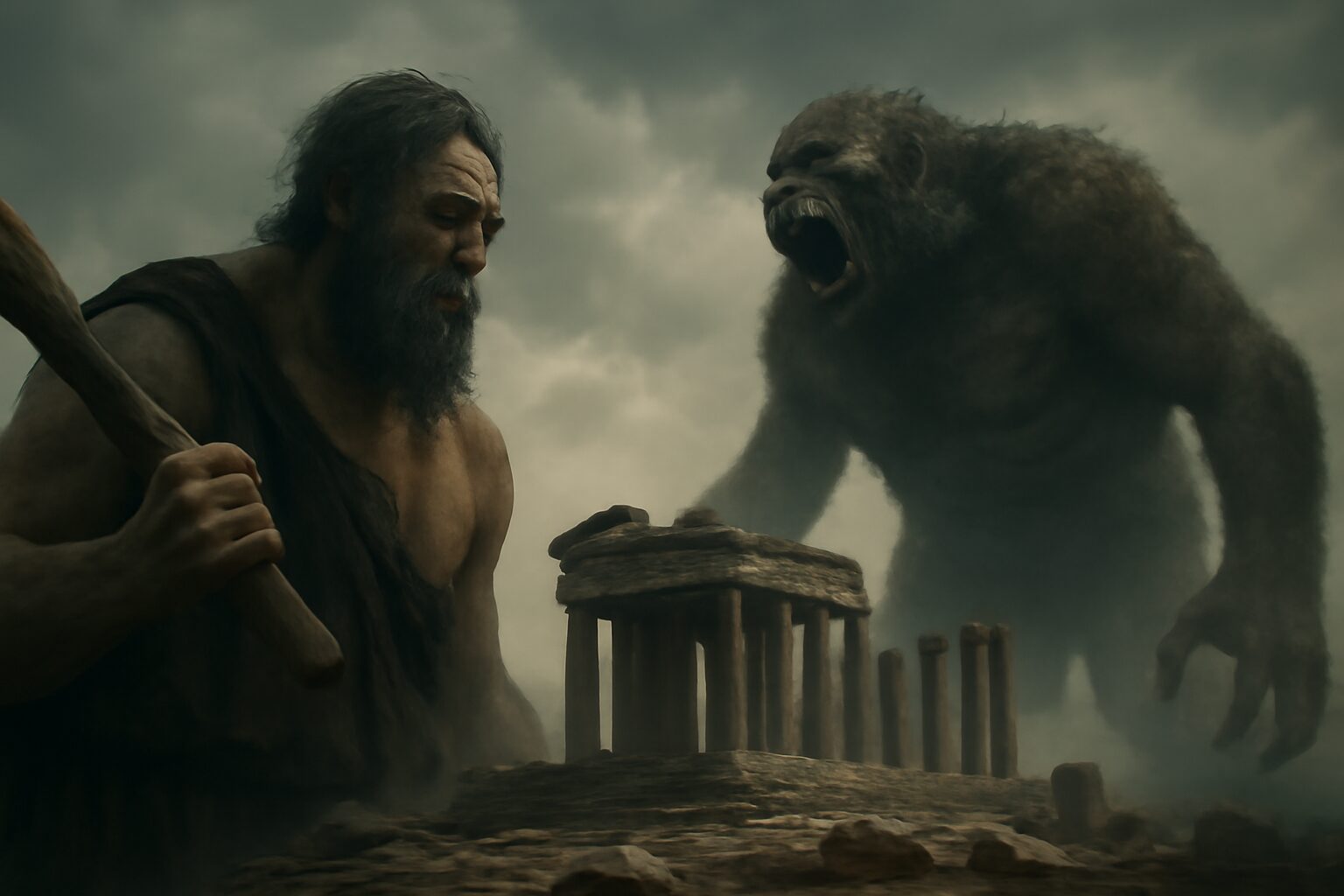
Epimedes: The Forgotten Titan of Greek Mythology
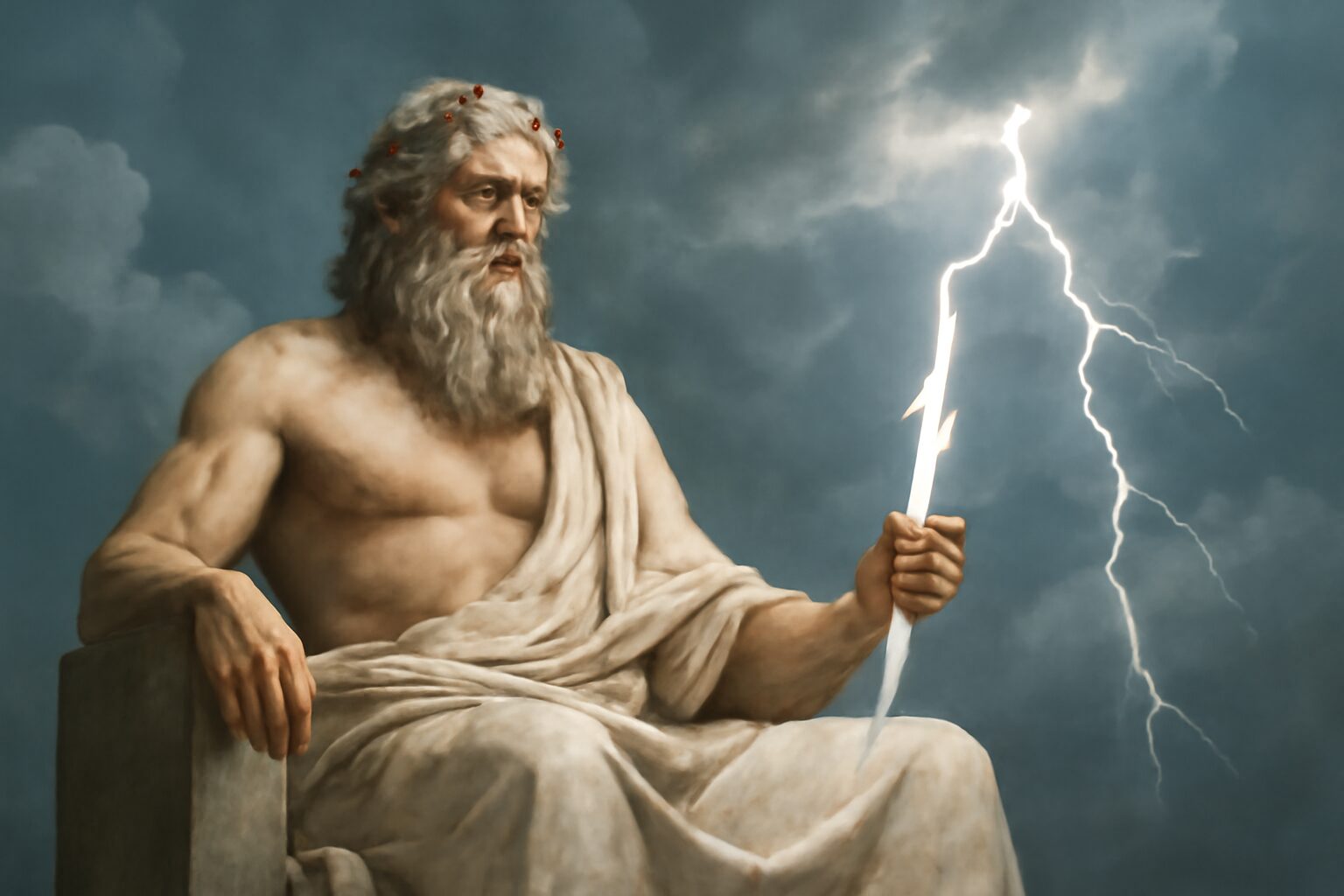
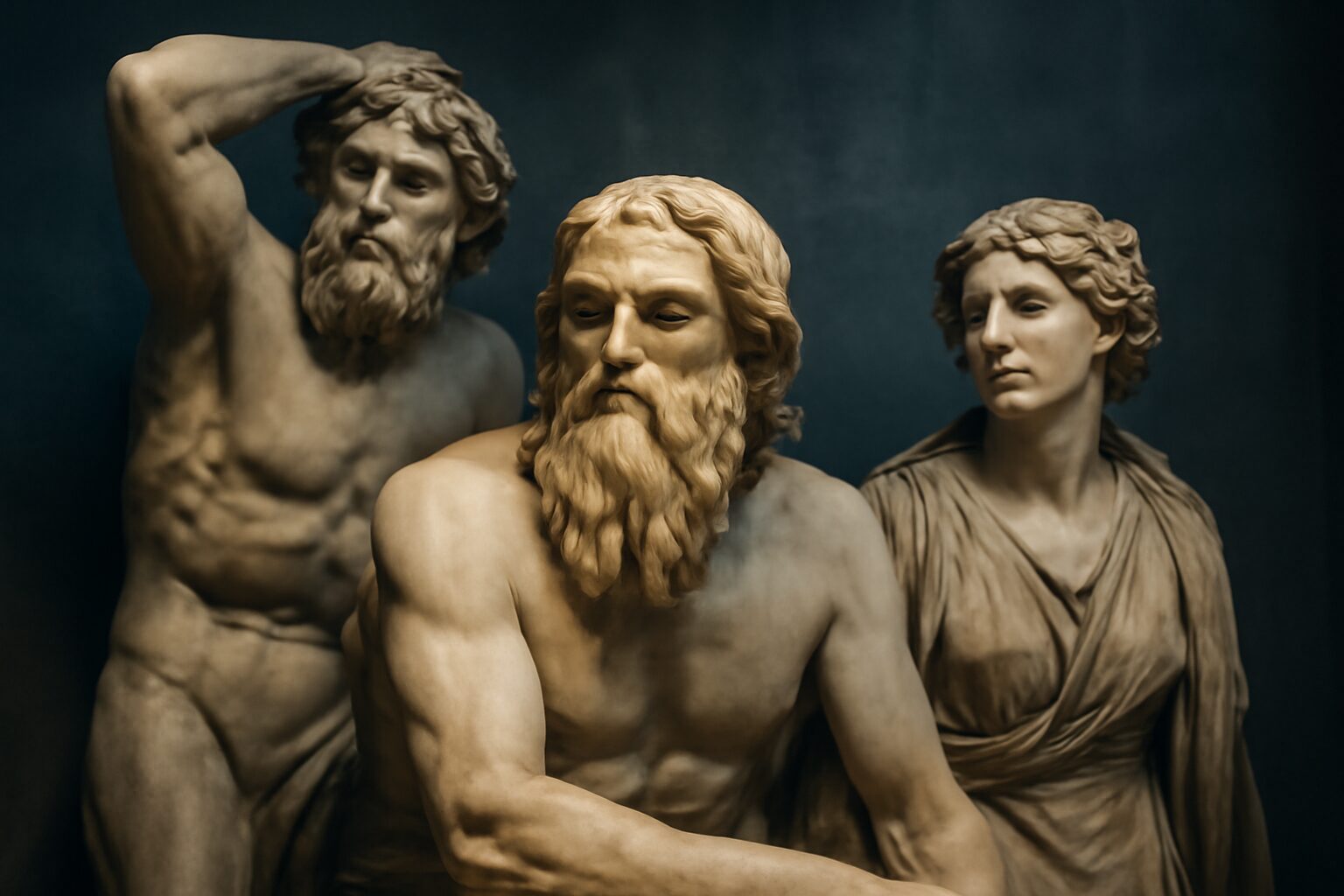
In the vast pantheon of Greek mythology, Epimedes stands as one of the lesser-known but intriguing figures. A member of the Titan race, he was the son of Iapetus and Clymene, making him the brother of more famous Titans like Atlas, Prometheus, and Menoetius. Though overshadowed by his siblings, Epimedes played a role in the early mythological narratives of creation and divine conflict.
Mythological Role and Significance
Epimedes' name translates to "afterthought" or "he who thinks too late," a fitting moniker given his mythological role. Unlike his brother Prometheus, who was known for his foresight, Epimedes was often depicted as impulsive or slow to act. Some myths suggest he assisted Prometheus in shaping humanity from clay, though his contributions were marred by mistakes—symbolizing human imperfection.
His most notable appearance comes in the context of the Titanomachy, the great war between the Titans and the Olympian gods. While his brothers took prominent roles—Atlas holding up the heavens, Prometheus aiding Zeus—Epimedes' involvement was minimal, reinforcing his reputation as a passive or indecisive figure.
Powers and Legacy
As a Titan, Epimedes possessed immense strength and longevity, traits common to his divine lineage. However, unlike his brothers, he lacked a defining domain or power. Some interpretations suggest he may have been associated with reflection or regret, embodying the consequences of hasty actions.
Despite his obscurity, Epimedes serves as a symbolic counterpoint to Prometheus' cunning and Atlas' endurance. His presence in myth highlights the diversity of the Titan race and the complexities of divine personalities. While not worshiped like the Olympians, his name occasionally appears in poetic and philosophical texts as a metaphor for missed opportunities or delayed wisdom.
Relationships and Family
Epimedes belonged to the second generation of Titans, born to Iapetus (a son of Uranus and Gaia) and Clymene (an Oceanid nymph). His siblings included:
- Atlas - Condemned to hold up the sky
- Prometheus - The trickster who gave fire to humanity
- Menoetius - Struck down by Zeus for arrogance
This family dynamic positioned Epimedes among figures of great consequence, making his relative obscurity all the more striking. Some scholars suggest his passive nature may have spared him the harsh punishments inflicted on his brothers by the victorious Olympians.
Alternative Names for Epimedes
God Name: Epimetheus (Greek)
Epimetheus is the more commonly known name in Greek mythology for the brother of Prometheus. Epimedes might be a variant or less common epithet. Epimetheus means 'afterthought', contrasting with Prometheus' 'forethought'.
God Name: Epimetheus (Roman)
The Romans adopted the Greek name Epimetheus directly, as they often did with Greek gods, without significant alteration. He retains the same mythological role and meaning.
God Name: Epimedes (Greek)
Epimedes might be a regional or lesser-known variant of Epimetheus, possibly derived from similar roots meaning 'upon thought' or 'after consideration'. Its exact origin is unclear but appears in some lesser-known texts or local traditions.
Tales about Epimedes
Epimedes and the Healing Touch of Aceso
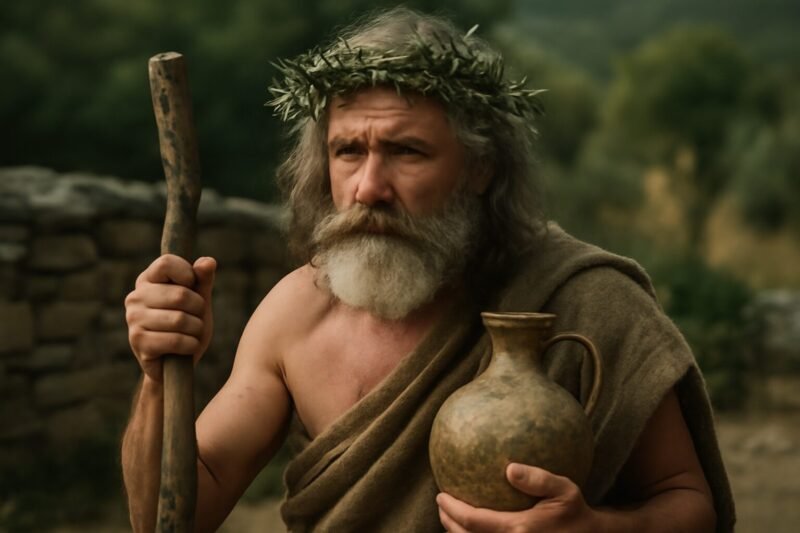
In the lush valleys of Arcadia, Epimedes, known for his rustic wisdom, once encountered a plague that withered both crops and mortals. Desperate, he journeyed to a sacred grove where Aceso, the goddess of the healing process, was said to dwell. He found her tending to a wounded deer, her hands glowing with a gentle, restorative light.
A Lesson in Patience
Epimedes pleaded for her aid, but Aceso smiled softly. "Healing is not a swift river but a steady rain," she told him. She taught him the value of patience and the art of nurturing recovery, showing him how to blend herbs and offer comforting words. Under her guidance, Epimedes became a beacon of hope in his village, embodying the slow, sure mending that Aceso championed.
Epimedes and the Mysterious Waters of Achelous
While wandering near the riverbanks of Thessaly, Epimedes stumbled upon the mighty river god Achelous, who often took the form of a bull or a serpentine water deity. Achelous, in a playful mood, challenged Epimedes to a contest of wits, promising a boon if the rustic god could solve his riddle.
The Riddle of the Currents
"I flow without end, yet I am bound by land; I give life to all, yet can take it in a hand. What am I?" Achelous roared, his voice echoing like rushing water. Epimedes, though not known for cleverness, pondered deeply and replied, "You are the river itself—both creator and destroyer." Impressed, Achelous granted him the ability to purify any water he touched, a gift Epimedes used to bless arid lands thereafter.
Frequently Asked Questions
Who are the Epimedes in Greek mythology?
The Epimedes are a group of rustic deities in Greek mythology, often associated with rural life, nature, and pastoral activities. They are lesser-known compared to the Olympian gods but played important roles in local folklore and daily life.
Why are rustic deities like the Epimedes important in Greek mythology?
Rustic deities like the Epimedes were important because they represented the connection between humans and nature. They were often invoked for protection, fertility of the land, and success in farming or herding, which were vital for survival in ancient Greece.
What can we learn from the Epimedes and other rustic deities?
The Epimedes and other rustic deities teach us about the ancient Greeks' reverence for nature and their reliance on the land. Their stories highlight the cultural importance of agriculture, community rituals, and the balance between humans and the natural world.
How do the Epimedes apply to modern life?
While not widely worshiped today, the Epimedes remind us of the timeless connection between people and the environment. Their legacy can inspire modern efforts in sustainability, conservation, and appreciating the simpler aspects of life.
Are the Epimedes mentioned in any famous Greek myths?
The Epimedes are not as prominent in major myths as gods like Zeus or Athena, but they appear in local tales and regional worship. Their stories often focus on rural challenges, such as protecting livestock or ensuring good harvests.