Cybele: The Great Mother of the Gods
Cybele, known as the Magna Mater (Great Mother) in Roman mythology, was a powerful and ancient Phrygian goddess later adopted into Greek and Roman pantheons. Revered as the mother of all gods, humans, and nature, she symbolized fertility, wild animals, and the untamed forces of the earth.
Origins and Mythology
Cybele's origins trace back to Phrygia (modern-day Turkey), where she was worshiped as early as the 6th century BCE. The Greeks identified her with Rhea, the Titaness mother of Zeus, while the Romans embraced her as a protector of their city. Her most famous myth involves her love for Attis, a mortal (or demigod) who, driven mad by her jealousy, castrated himself and died beneath a pine tree—a story symbolizing death and rebirth.
Powers and Symbols
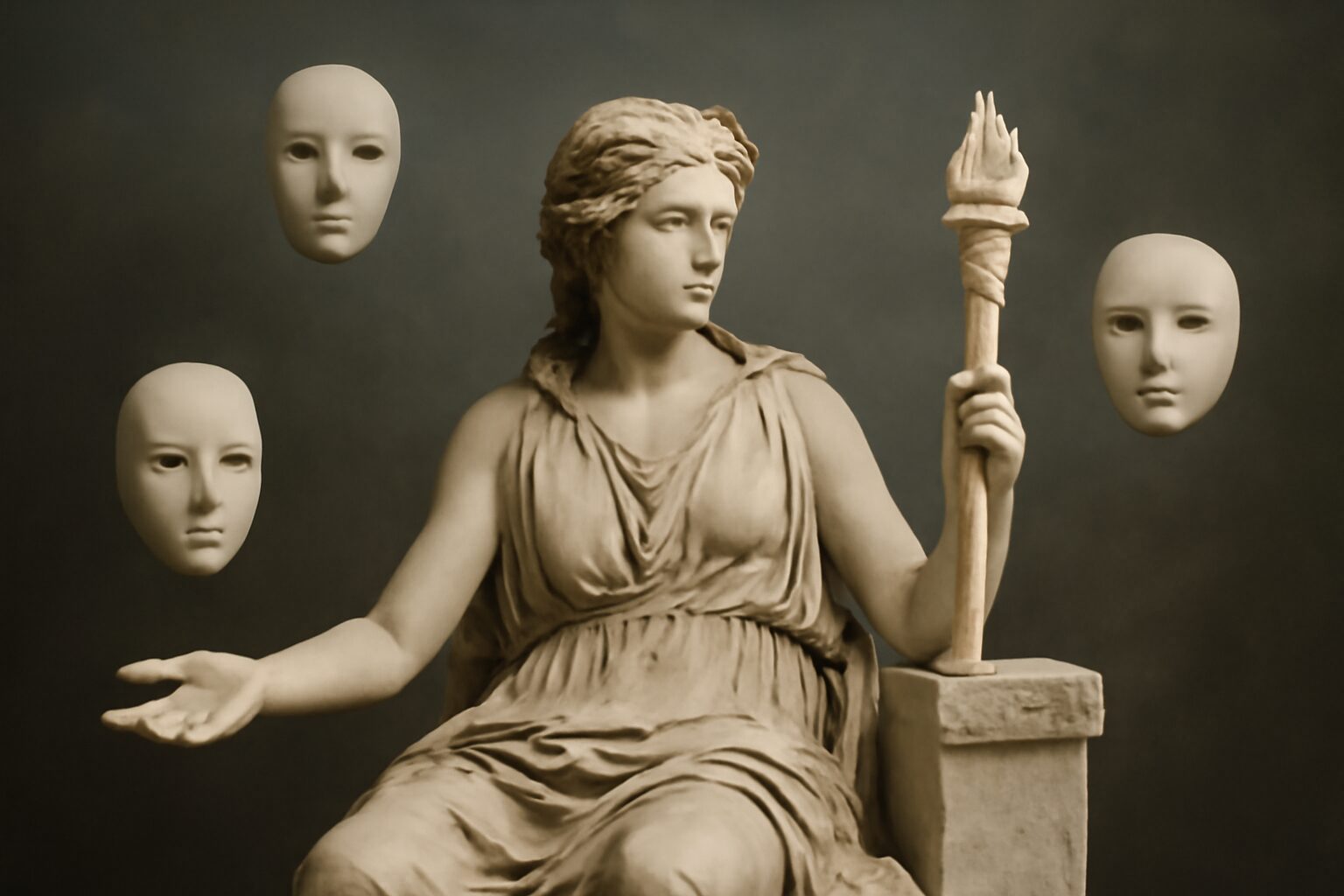
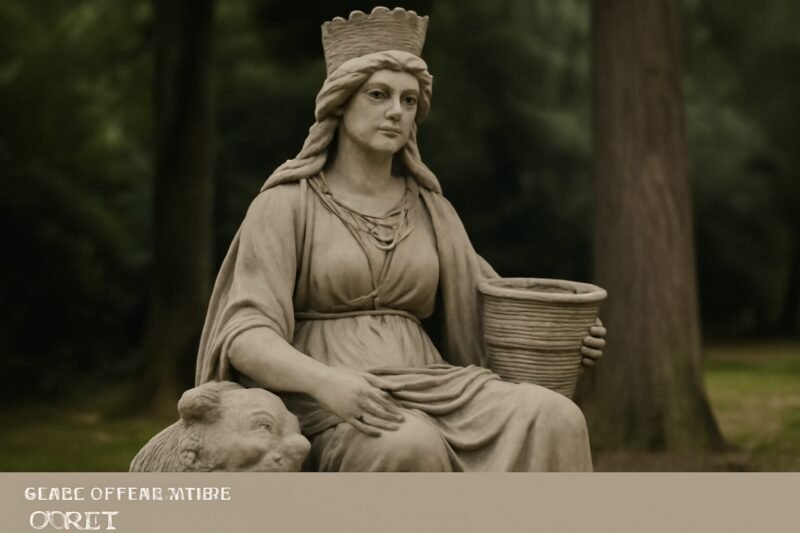
Cybele was a goddess of immense power, ruling over mountains, forests, and wild beasts, particularly lions, which often pulled her chariot. She was associated with ecstatic rituals, music, and dance, often depicted with a tympanon (a type of drum) and a crown shaped like a city wall, symbolizing her role as a protector. Her priests, the Galli, were known for their frenzied worship and, in some traditions, self-castration in emulation of Attis.
Worship and Influence
Cybele's cult spread across the Mediterranean, with major temples in Rome, Athens, and Pessinus. Her festivals, like the Megalensia, involved processions, music, and ecstatic rites. The Romans revered her after the Sibylline Books prophesied that she would help them defeat Carthage during the Second Punic War. Her worship emphasized themes of renewal, making her a central figure in mystery cults.
Legacy
Cybele's influence endured well into the Roman Empire, blending with other mother goddesses like Demeter and Gaia. Her imagery and themes of nature's cycles inspired later religious traditions, and she remains a fascinating figure in the study of ancient Mediterranean spirituality—a testament to the enduring power of the Great Mother.
Alternative Names for Cybele
God Name: Magna Mater (Roman)
The Romans adopted Cybele from the Greeks and referred to her as 'Magna Mater' or 'Great Mother', emphasizing her role as a mother goddess.
God Name: Matar Kubileya (Phrygian)
In her original Phrygian context, Cybele was known as 'Matar Kubileya', meaning 'Mother of the Mountain', reflecting her association with wilderness and mountains.
God Name: Mater Deum (Roman)
The Romans also called her 'Mater Deum', meaning 'Mother of the Gods', highlighting her supreme status among deities.
God Name: Agdistis (Greek)
In some Greek myths, Cybele was associated with the name 'Agdistis', a hermaphroditic being linked to her cult, representing her dual nature.
God Name: Dindymene (Greek)
The Greeks sometimes referred to Cybele as 'Dindymene', derived from Mount Dindymon in Phrygia, a sacred site associated with her worship.
Tales about Cybele
Cybele and Attis: A Tale of Devotion and Tragedy
In the wilds of Phrygia, the great mother goddess Cybele encountered a handsome mortal shepherd named Attis. Enchanted by his youth and beauty, she chose him as her priest and consort, demanding his eternal faithfulness. Attis pledged himself to her service, vowing celibacy in her honor.
The Fateful Festival
During a spring festival celebrating Cybele, Attis encountered a nymph whose beauty momentarily made him forget his vow. Consumed by passion, he broke his oath of chastity. When Cybele discovered his betrayal, her wrath was terrible to behold.
The Transformation
In her divine fury, Cybele struck Attis with madness. Running wild through the mountains, he fell beneath a pine tree and castrated himself, bleeding to death at its roots. Overcome with remorse at his suffering, Cybele preserved his body, preventing decay, and transformed him into an evergreen pine—a symbol of eternal life. From that day, her priests would commemorate Attis through rituals of mourning and renewal, celebrating death and rebirth each spring.
Cybele and Zeus: The Clash of Titans
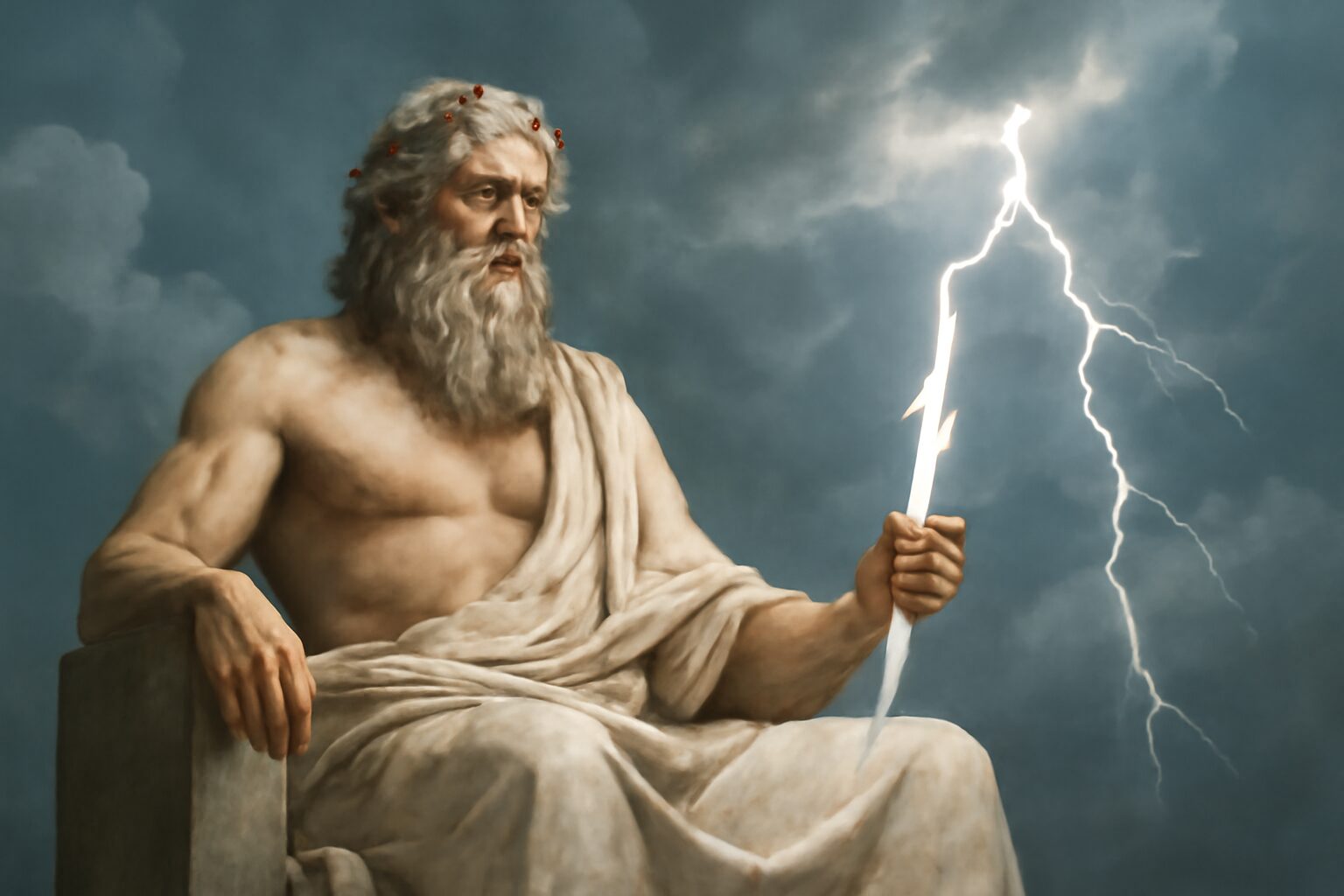
When the mighty Zeus, king of the Olympians, sought to expand his influence over all creation, he turned his attention to the ancient worship of Cybele in Anatolia. Determined to bring her cult under his dominion, Zeus sent eagles as messengers to command her submission to Olympic rule.
The Earth Shakes
Cybele, whose power predated the Olympians and stemmed from the very earth itself, refused to bow to Zeus's authority. In response, she caused the mountains to tremble and the forests to roar. Lions, her sacred animals, emerged from their dens to guard her temples, while her priestesses beat drums and cymbals in a deafening cacophony that reached Olympus itself.
A Compromise of Powers
Realizing he could not overpower the primordial mother goddess, Zeus instead proposed an alliance. He acknowledged her as Mother of the Gods and protector of cities, while she accepted a place in the Greek pantheon. This reconciliation brought Cybele's worship to Athens and eventually Rome, where she became known as Magna Mater, forever maintaining her distinctive character while finding a place among the Olympian order.
Cybele and Other Deities
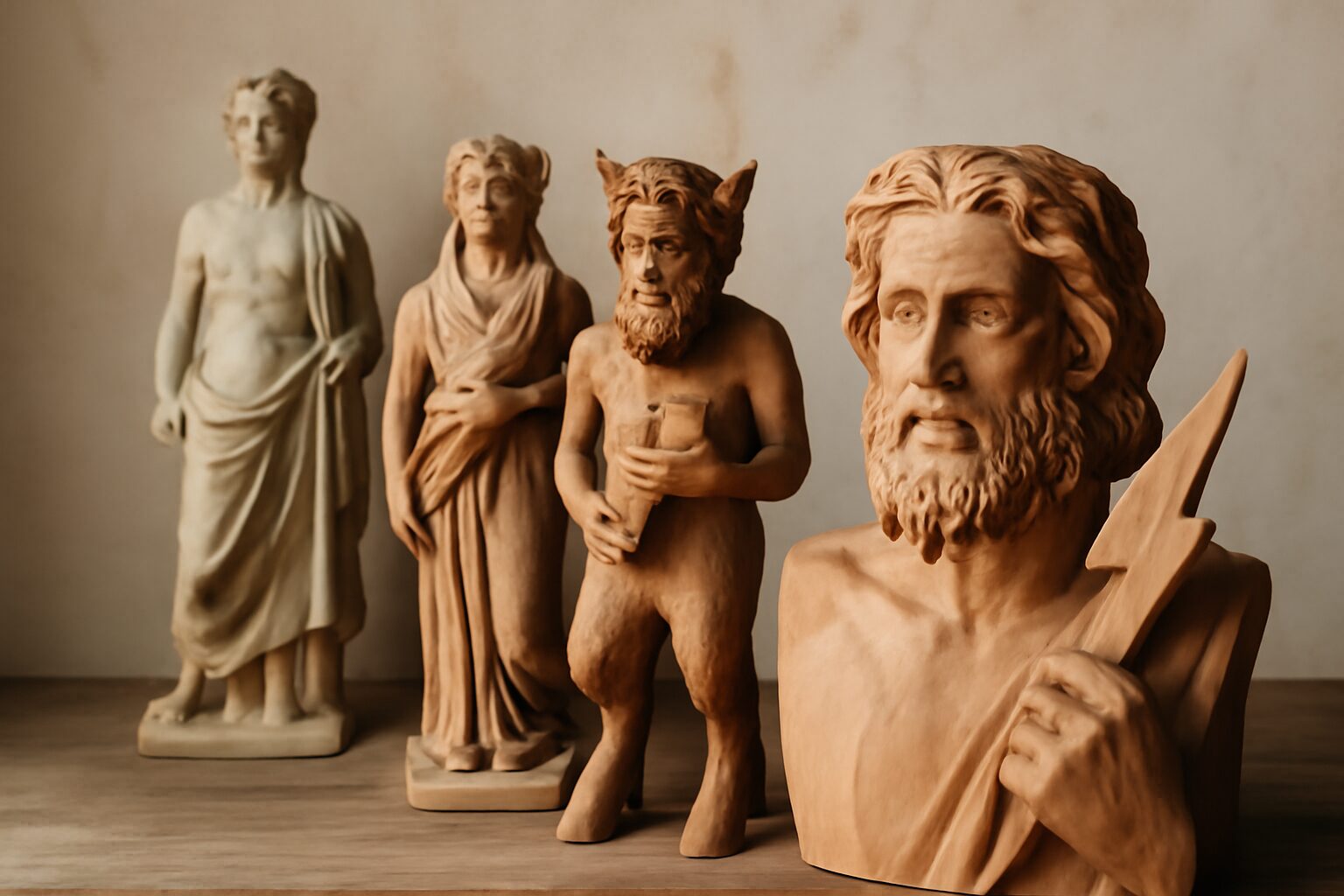
As an ancient mother goddess, Cybele's influence extended to many other deities in the Greek pantheon. She was particularly associated with rustic and nature deities like Pholus, the wise centaur who guarded the sacred wine of the gods. Her worship also intersected with sea deities such as Dexithea, one of the Rhodian Telchines known for their craftsmanship. Among the sky deities, Merope of the Pleiades shared connections to Cybele through their mutual associations with nature and fertility. Additionally, Cybele's cult showed parallels with Palici, the Sicilian twin gods of geysers and underworld springs, reflecting her chthonic aspects as an earth mother.
Frequently Asked Questions
Who is Cybele in Greek mythology?
Cybele is a Phrygian goddess who was later adopted into Greek mythology as a mother goddess associated with nature, fertility, and wild animals. She is often depicted with a crown shaped like a city wall and lions by her side.
Why is Cybele important in Greek mythology?
Cybele represents the power of nature and motherhood in Greek mythology. Her worship involved ecstatic rituals and symbolized the connection between humans and the natural world, making her an important figure in ancient religious practices.
What are rustic deities in Greek mythology?
Rustic deities in Greek mythology are gods and goddesses associated with the countryside, nature, and rural life. They include figures like Pan (god of shepherds), nymphs (spirits of nature), and Cybele (mother goddess of wild nature).
How does Cybele's story apply to modern life?
Cybele's themes of nature, fertility, and the sacred feminine resonate today in discussions about environmentalism, gender roles, and spirituality. Her mythology reminds us of humanity's deep connection to the natural world.
What can we learn from Cybele's mythology?
Cybele's story teaches about the ancient reverence for nature's cycles, the power of feminine divinity, and how cultures adapt foreign deities into their own belief systems through syncretism.