Aristaeus: The Forgotten God of Beekeeping and Rural Arts
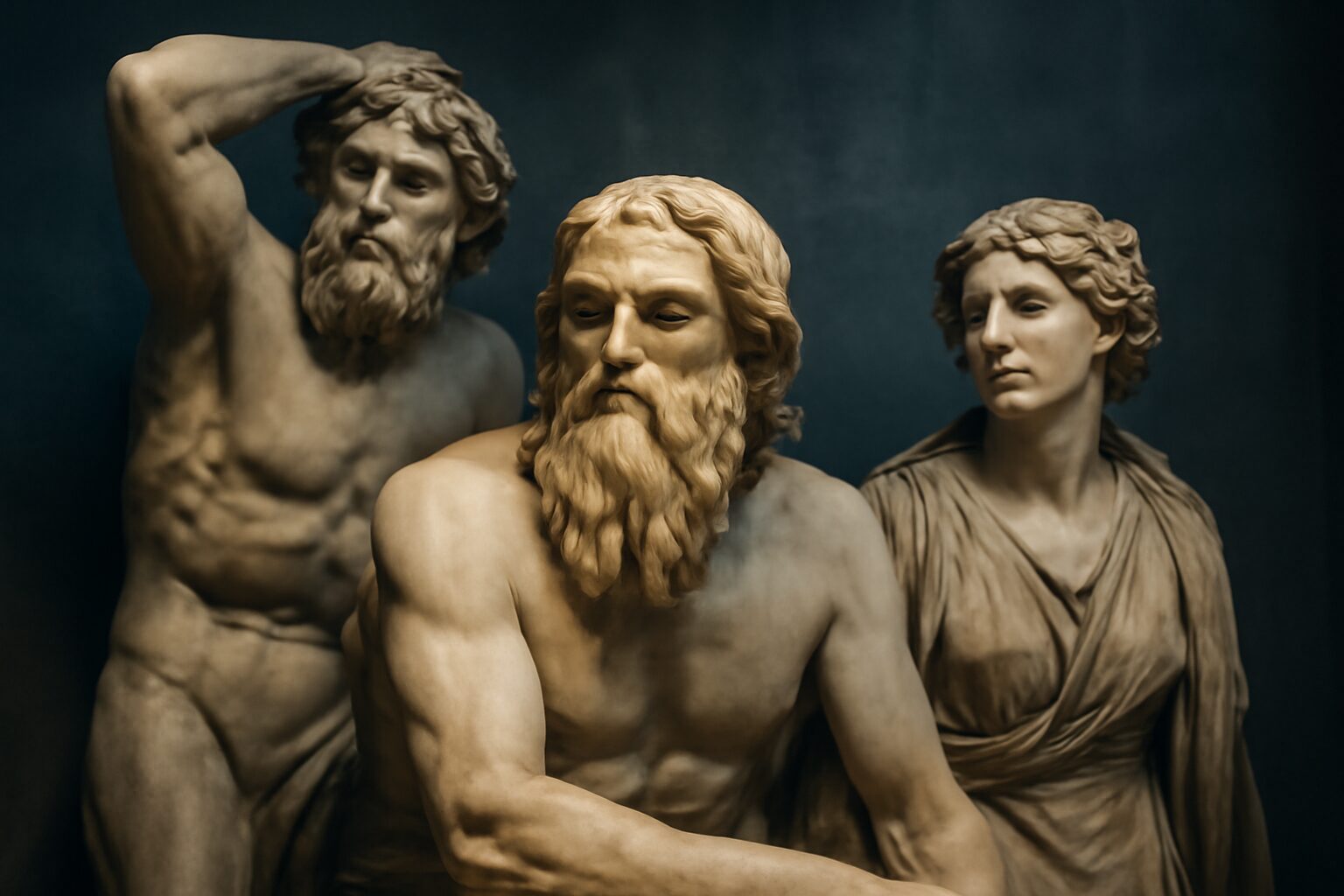
In the rich tapestry of Greek mythology, Aristaeus stands as a lesser-known but fascinating deity associated with rural life, agriculture, and the delicate art of beekeeping. The son of Apollo and the nymph Cyrene, Aristaeus was raised by the wise centaur Chiron, who taught him the secrets of medicine and prophecy. His name, meaning "the best," reflects his reputation as a benevolent god who brought useful skills to humanity.
Powers and Domains
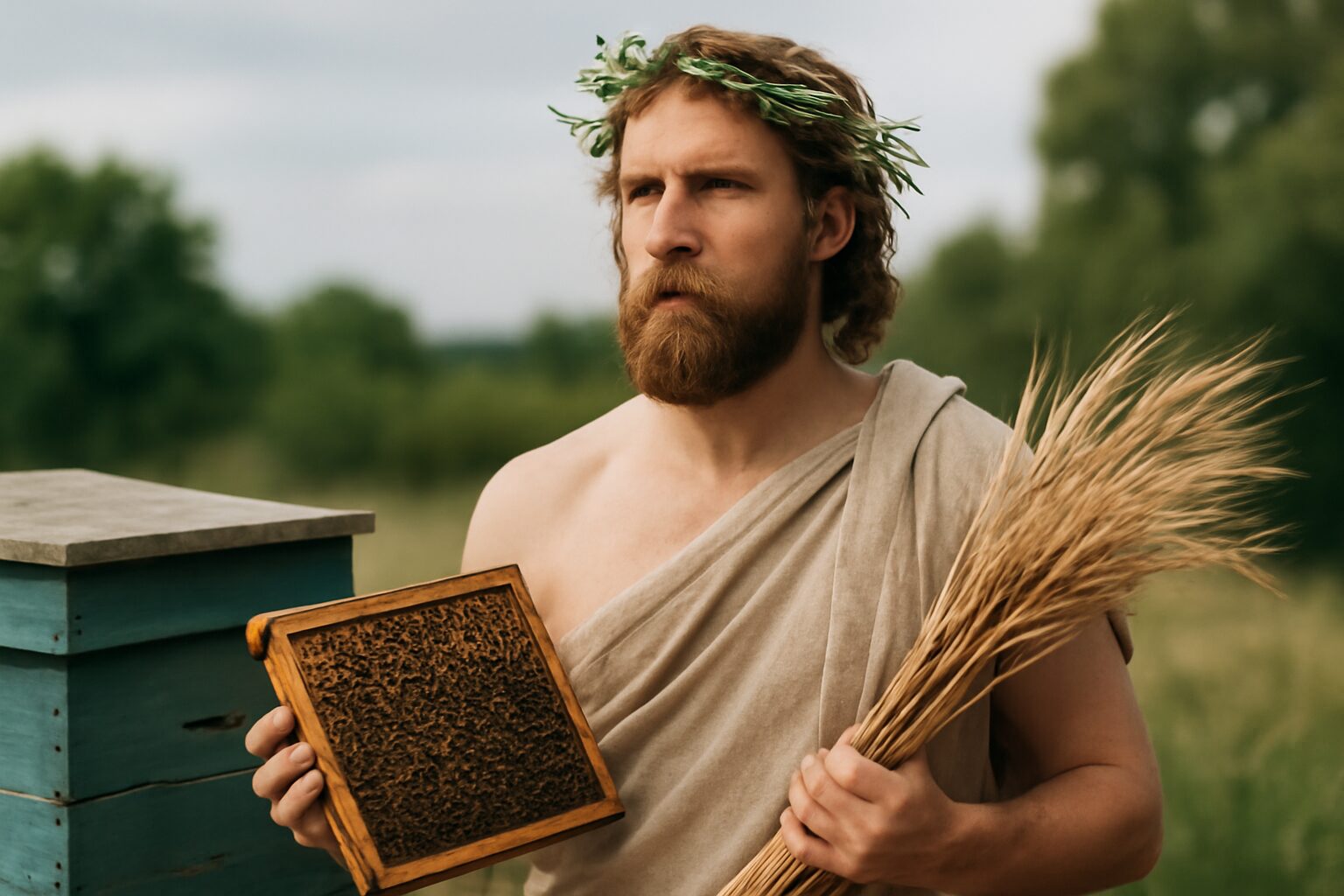
Aristaeus was the patron of beekeeping, cheese-making, olive cultivation, and herding. Unlike the more tempestuous Olympians, his influence was gentle but essential to daily survival. He was credited with teaching humans how to harvest honey, cultivate olives, and preserve milk as cheese—skills that transformed early Greek agriculture. His connection to bees was particularly sacred; when his bees died, he sought guidance from the sea nymphs and the prophetess Proteus, who revealed the rituals needed to restore them.
Myths and Relationships
One of the most poignant myths involving Aristaeus is his accidental role in the death of Eurydice, wife of Orpheus. While fleeing Aristaeus's advances, Eurydice stepped on a venomous snake and perished, setting in motion Orpheus's tragic journey to the Underworld. This story highlights Aristaeus's mortal flaws despite his divine status.
He was married to Autonoë, daughter of Cadmus, and their son Actaeon met a grim fate when he offended Artemis and was turned into a stag. Despite these sorrows, Aristaeus remained a figure of resilience, often depicted as a wanderer who spread knowledge across the Mediterranean, from Thessaly to Sicily.
Legacy and Worship
Though not as widely worshiped as Zeus or Athena, Aristaeus held a special place in rural communities. Farmers and beekeepers invoked him for bountiful harvests and healthy swarms. His cult was strongest in Boeotia and Ceos, where he was honored with festivals and sacrifices. In some traditions, he was later deified as a constellation, a testament to his enduring connection to the natural world.
Today, Aristaeus symbolizes humanity's dependence on nature's gifts—a reminder that even the quietest gods shaped the ancient world in profound ways.
Alternative Names for Aristaeus
God Name: Aristaeus (Roman)
The Roman name for Aristaeus is the same as the Greek, as he was directly adopted into Roman mythology without significant name changes.
God Name: Nomios (Greek (Epithet))
An epithet for Aristaeus meaning 'the Shepherd,' highlighting his association with pastoral life and herding.
God Name: Aguieus (Greek (Epithet))
An epithet for Aristaeus meaning 'the Protector,' emphasizing his role as a guardian of flocks and agriculture.
God Name: Melissaios (Greek (Cult Title))
A cult title for Aristaeus meaning 'of the Bees,' referencing his mythological connection to beekeeping and honey production.
God Name: Aristaios (Greek (Regional Variant))
An alternative Greek spelling or regional variant of the name Aristaeus, found in some ancient texts.
Tales about Aristaeus
Aristaeus and the Wisdom of Apollo
In the sun-drenched valleys of Thessaly, Aristaeus faced a dire crisis: his bees were dying, and the art of beekeeping he had perfected seemed lost. Desperate, he sought the counsel of the great Apollo, his divine father. Apollo, radiant with prophetic insight, advised him to journey to the sacred river Peneus and seek purification. There, Aristaeus performed a ritual sacrifice, offering four bulls and four heifers to the gods. From the carcasses, new swarms of bees emerged, revitalizing his hives. This tale highlights Apollo’s role as a guide in mastering rustic arts, blending prophecy with practical wisdom to restore balance to nature.
Key Lessons from the Encounter
- Divine Intervention: Apollo’s guidance proved essential for solving agricultural dilemmas.
- Ritual Significance: Sacrifices and purification rites were central to appeasing the gods and ensuring prosperity.
- Innovation in Rustic Arts: Aristaeus’s perseverance, aided by Apollo, cemented his legacy as a patron of beekeeping and olive cultivation.
Aristaeus and the Wrath of the Dryads
While wandering the forests of Arcadia, Aristaeus encountered the beautiful Eurydice, wife of Orpheus. In a tragic twist, his pursuit caused her to step on a venomous serpent, leading to her death. Enraged, the Dryades (Dryads), nymphs of the trees, punished Aristaeus by destroying his bees and livestock. To atone, he consulted the sea god Proteus, who revealed the cause of the Dryads’ fury. Aristaeus offered sacrifices to Eurydice’s spirit and the nymphs, who relented and restored his swarms. This story underscores the delicate harmony between humanity and nature, enforced by the spirited Dryads.
Elements of Redemption
- Consequences of Actions: Aristaeus’s unintended role in Eurydice’s death triggered divine retribution.
- Role of Nymphs: The Dryades embodied nature’s power to punish and forgive, guarding ecological balance.
- Atonement and Renewal: Through rituals and humility, Aristaeus mended his relationship with the natural world, reaffirming his devotion to rustic deities.
Frequently Asked Questions
Who is Aristaeus in Greek mythology?
Aristaeus is a lesser-known Greek god associated with rustic arts like beekeeping, olive growing, and cheese-making. He's considered a protector of shepherds and a bringer of prosperity in rural areas.
Why was Aristaeus important in ancient Greece?
Aristaeus was important because he represented essential agricultural skills that sustained rural communities. His knowledge of practical arts like honey production made him a valuable figure for farmers and herders.
What can we learn from the myth of Aristaeus?
The myths of Aristaeus teach us about the ancient Greeks' respect for nature and practical knowledge. His stories highlight how civilizations depended on agricultural wisdom and the balance between humans and the environment.
How is Aristaeus connected to bees in Greek mythology?
Aristaeus is famously connected to bees as the god who discovered beekeeping. According to myth, he learned to cultivate honey after being taught by nymphs, making him a patron of apiculture.
Are there modern connections to Aristaeus today?
While not widely worshiped today, Aristaeus' legacy continues through sustainable agriculture and beekeeping practices. His mythology reminds us of humanity's enduring connection to nature and food production.