Amphictyonis: The Goddess of Sacred Leagues
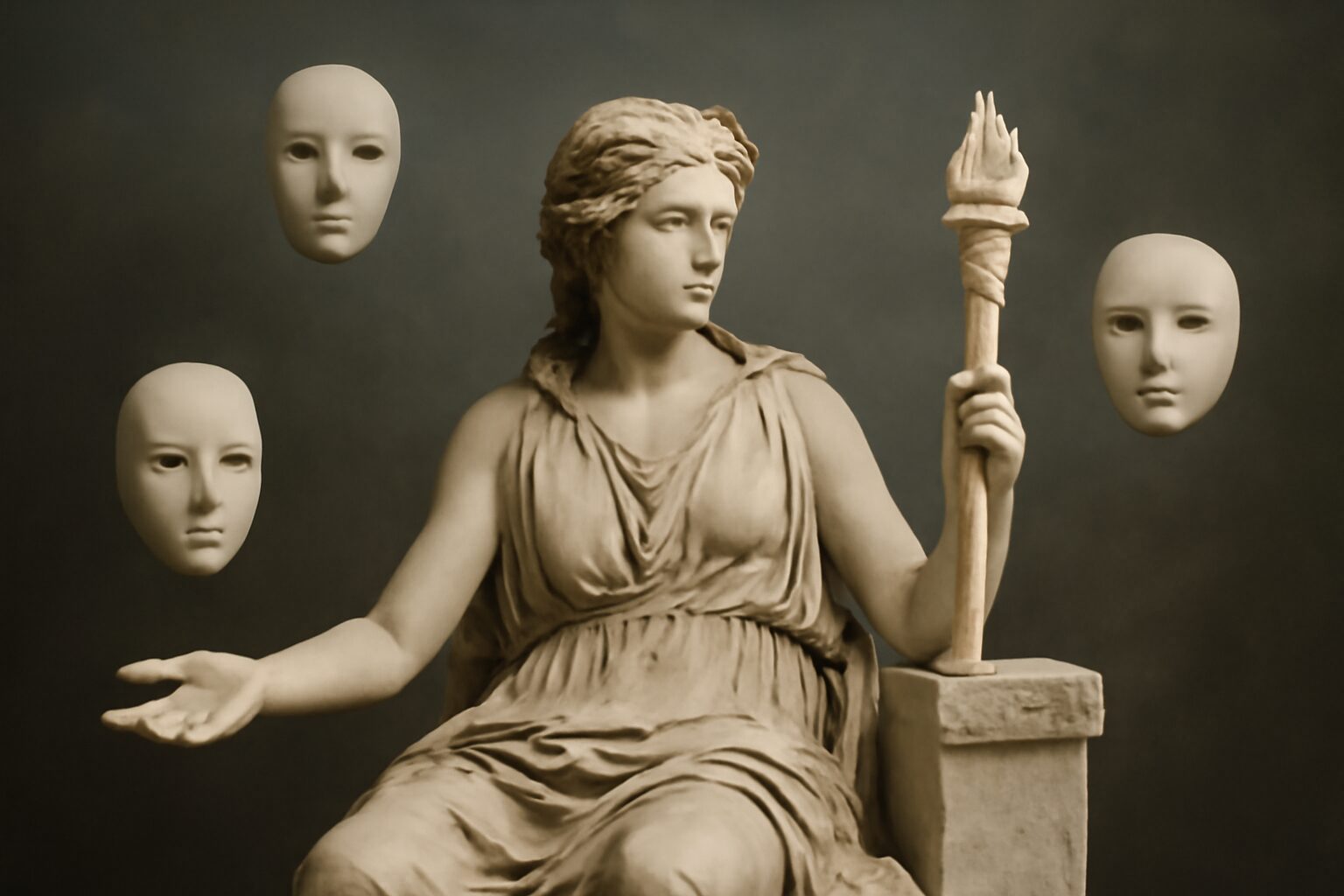
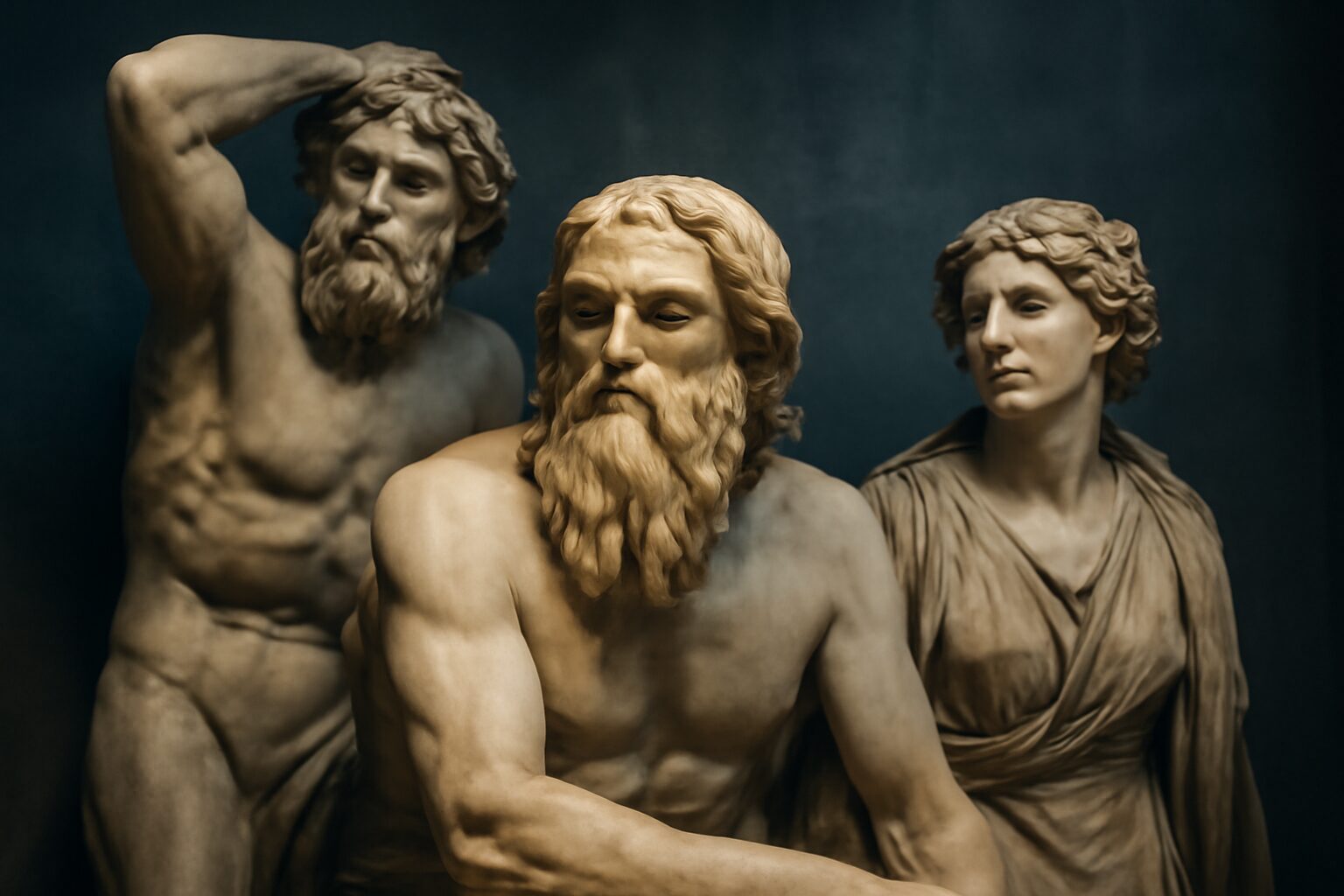
In the rich tapestry of Greek mythology, Amphictyonis stands as a lesser-known but fascinating deity associated with sacred alliances and communal bonds. She was primarily worshiped as the goddess of the Amphictyonic League, a religious and political alliance of ancient Greek tribes that protected shared sanctuaries, most notably the Oracle of Delphi.
Origins and Role
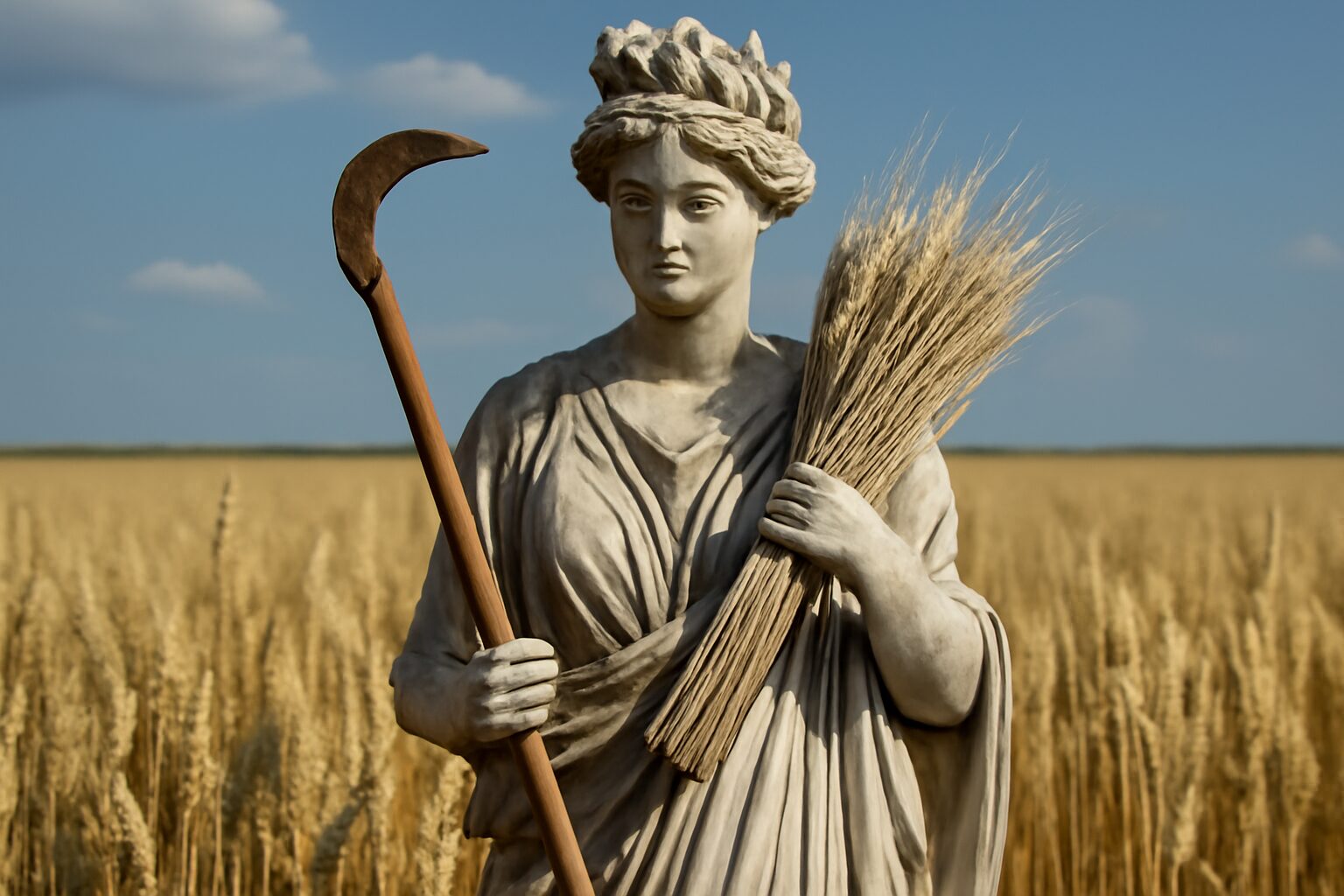
Amphictyonis was often considered an epithet or aspect of Demeter, the goddess of agriculture and harvest. Her name derives from amphictyony, meaning "those dwelling around," reflecting her connection to the cooperative leagues that united neighboring communities. As a divine protector of these alliances, she symbolized peace, mutual defense, and the sanctity of shared religious sites.
Her worship was particularly prominent in Anthela, near Thermopylae, where the earliest Amphictyonic Council met. Here, she was honored alongside Demeter and Dionysus, reinforcing her ties to fertility, communal feasts, and the bonds formed through shared rituals.
Powers and Symbolism
Though not a major Olympian, Amphictyonis held significant influence in matters of diplomacy and sacred law. She was believed to oversee oaths and treaties, ensuring that member states upheld their commitments. Violators of these agreements were said to incur her wrath, often facing divine retribution or exclusion from the league's protections.
Her symbols included the sheaf of grain (linking her to Demeter’s agricultural domain) and the libation bowl, used in ceremonial offerings to seal alliances. Some myths suggest she also had a role in protecting travelers and pilgrims journeying to Delphi, reinforcing her connection to unity and safe passage.
Relationships and Legacy
As an extension of Demeter, Amphictyonis shared close ties with other chthonic deities, including Persephone and Hecate. Her association with the Amphictyonic League also connected her to Apollo, whose oracle at Delphi was central to the league’s authority.
Though her individual myths are sparse, Amphictyonis’ legacy endures in the concept of cooperative governance. The Amphictyonic League itself became a model for later political and religious alliances in Greece, showcasing the enduring power of unity under divine protection.
Alternative Names for Amphictyonis
God Name: Amphictyon (Greek)
Amphictyon is a variant or masculine form of Amphictyonis, often associated with the same deity or a related figure in Greek mythology. The name is linked to the Amphictyonic League, an ancient religious association of tribes.
God Name: Amphictyonia (Roman)
Amphictyonia is the Romanized version of Amphictyonis, reflecting the adaptation of Greek deities into Roman culture. The name retains the connection to the Amphictyonic League and its religious significance.
God Name: Demeter Amphictyonis (Greek)
In some traditions, Amphictyonis is identified as an epithet of Demeter, the Greek goddess of agriculture. This association highlights her role in the Amphictyonic League's rituals and her protection of sacred lands.
Tales about Amphictyonis
Amphictyonis and Demeter: The Bond of Harvest and Hearth
In the fertile plains of Thessaly, where the earth was rich and the people devout, Amphictyonis watched over the sacred gatherings and communal feasts. One season, a mysterious blight threatened the crops, and the people turned to her in desperation. Sensing the disturbance was beyond her domain, she journeyed to seek counsel from Demeter, the great goddess of the harvest.
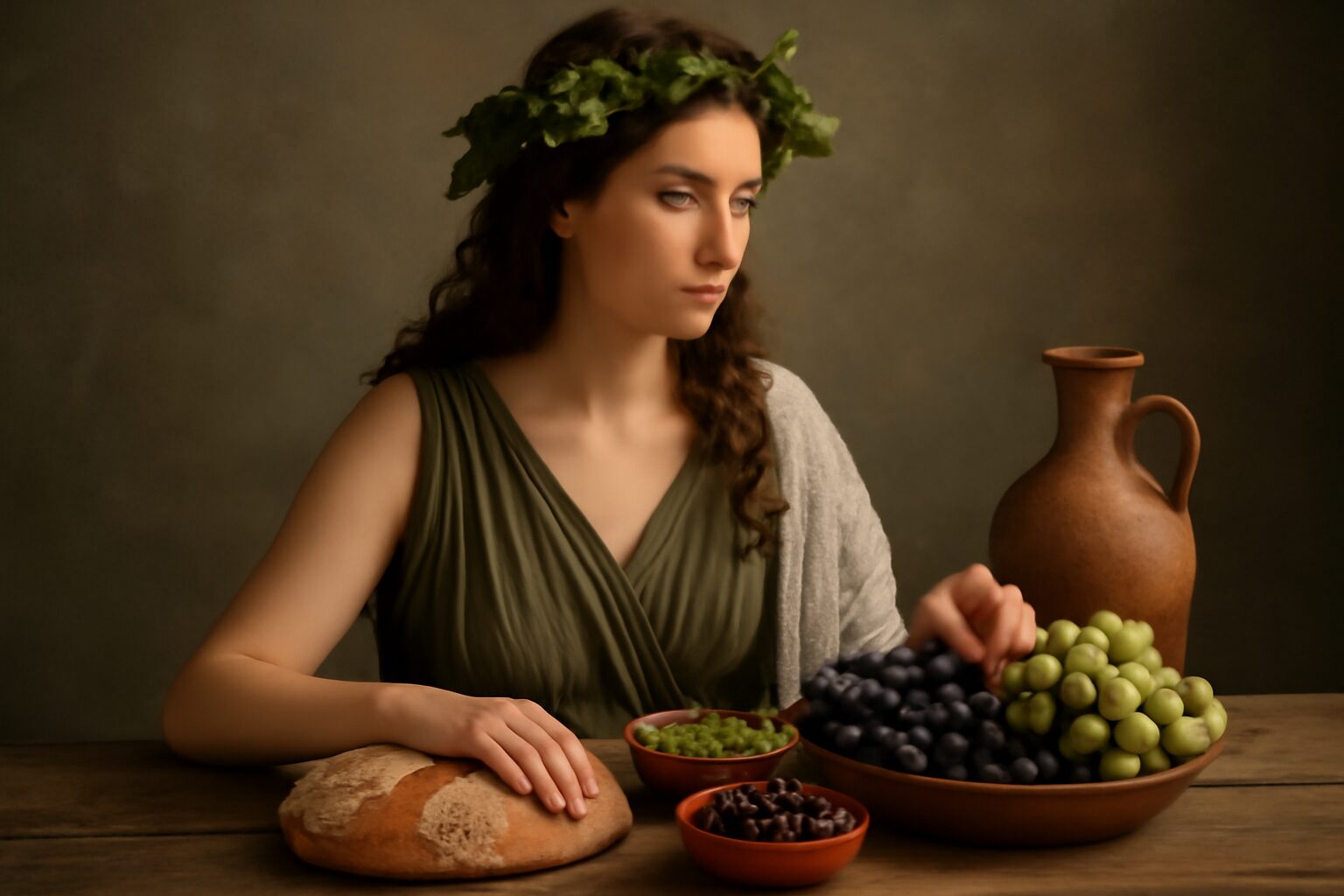
Demeter, grieving the loss of her daughter Persephone, had withdrawn her favor from the land. Amphictyonis approached her with offerings of wine and grains, symbols of unity and sustenance. Moved by Amphictyonis’s dedication to community and nourishment, Demeter shared her wisdom: the blight was a result of neglected rites and fractured bonds among the people.
Together, they instructed the communities to hold a grand festival, blending Demeter’s agricultural rites with Amphictyonis’s emphasis on fellowship. The people feasted, shared stories, and honored the land, and as unity was restored, the blight receded. From that day, Amphictyonis and Demeter were revered as complementary forces—one fostering connection, the other ensuring abundance. In these gatherings, the people also invoked Homonoia for concord, Euthenia for prosperity, and Karpo for the fruits of the harvest, weaving their blessings into the fabric of community life.
Amphictyonis and Dionysus: The Revelry of Unity
During a vibrant autumn festival, Amphictyonis presided over a gathering of tribes near the slopes of Mount Parnassus. The celebrations were orderly but lacked the fervor that stirs the soul. Noticing this, Dionysus, the god of ecstasy and wine, descended with his entourage of maenads and satyrs, bringing wild music and untamed joy.
At first, Amphictyonis was wary, fearing chaos would disrupt the sacred unity she cherished. But Dionysus, with a mischievous smile, offered her a chalice of his finest wine. "True fellowship," he declared, "is not just in solemn vows, but in shared laughter and liberated spirits."
Amphictyonis, inspired, embraced his wisdom. She wove his exuberance into the rituals, encouraging dance, poetry, and uninhibited merriment. The festival transformed into a legendary event where boundaries between tribes dissolved in collective joy. This synergy between Amphictyonis’s structured unity and Dionysus’s divine madness became a cherished tradition, celebrating both harmony and ecstasy in human connection. The festivities were further enriched by the presence of Comus for revelry, Hedone for pleasure, and Methe for the spirit of intoxication, ensuring every moment was filled with divine inspiration.
Frequently Asked Questions
Who is Amphictyonis in Greek mythology?
Amphictyonis is a minor Greek goddess associated with wine and friendship, often linked to the Amphictyonic League, an ancient religious and political alliance in Greece.
Why is Amphictyonis important in Greek mythology?
Amphictyonis symbolizes unity and cooperation among Greek city-states through her connection to the Amphictyonic League, which played a key role in maintaining peace and shared religious practices.
What can we learn from the myth of Amphictyonis?
Her story highlights the importance of community, shared rituals, and diplomacy, showing how ancient Greeks valued collaboration over conflict.
How does Amphictyonis relate to rustic deities?
As a rustic deity, Amphictyonis represents the simpler, agrarian aspects of life, such as wine-making and local traditions, which were central to rural Greek communities.
Is Amphictyonis still relevant today?
While not widely worshiped today, her themes of unity and cultural exchange remain relevant, especially in discussions about international cooperation and shared heritage.