Poine: The Vengeful Spirit of Greek Mythology
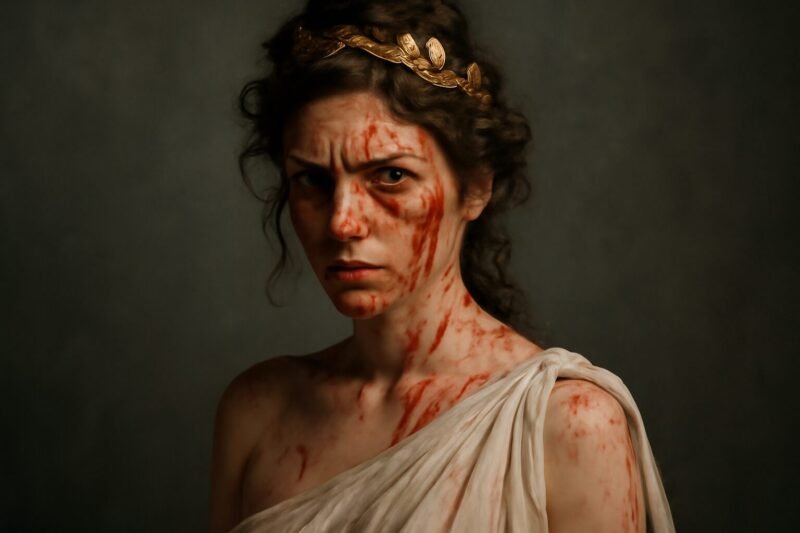
In Greek mythology, Poine (also spelled Poena) was the personification of punishment, vengeance, and retribution. Her name translates directly to "penalty" or "retribution," reflecting her role as an agent of divine justice. Unlike the more well-known Furies (Erinyes), who pursued those guilty of blood crimes, Poine represented a broader concept of punishment, often acting as an instrument of the gods' wrath.
Origins and Role
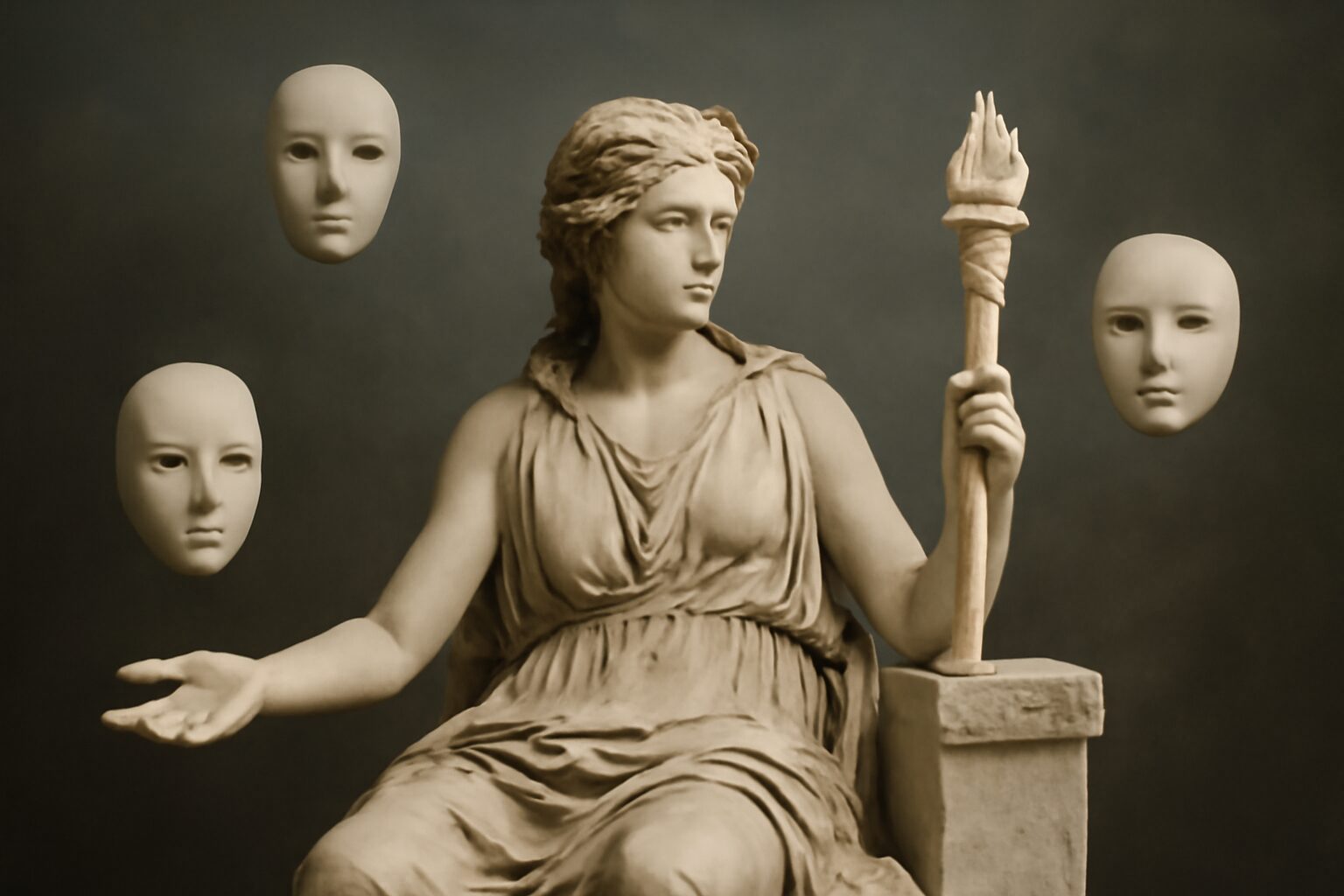
Poine was often depicted as a winged spirit, swift and relentless in carrying out her duties. She was sent by the gods to exact vengeance on mortals who had committed grave offenses, particularly those who defied divine will or broke sacred oaths. Her presence was feared, as she embodied the inevitable consequences of wrongdoing.
One of the most famous myths involving Poine is her role in the story of Apollo and Coronis. When Coronis, Apollo's lover, was unfaithful, the god sent Poine to punish the city of Argos, where Coronis resided. Poine brought plague and suffering until the people of Argos appeased Apollo with sacrifices and rituals.
Powers and Symbolism
Poine's powers were closely tied to her function as a bringer of divine retribution. She could inflict suffering, disease, or misfortune upon those deemed guilty. Unlike the Furies, who were chthonic deities associated with the underworld, Poine operated as an extension of the Olympian gods' will, ensuring that justice was served swiftly and decisively.
Her symbolism extended beyond mythology into Greek culture, where the concept of poine was integral to their understanding of justice. The idea that wrongdoing would inevitably be punished was a cornerstone of Greek moral and legal thought.
Relationships with Other Deities
Poine was often associated with Nemesis, the goddess of retribution, and the Erinyes, the Furies who pursued blood guilt. While Nemesis dealt with hubris and arrogance, Poine focused on enforcing the penalties decreed by the gods. She was also linked to Apollo and Zeus, who frequently employed her to deliver punishment.
In some traditions, Poine was considered a daughter of Gaea (Earth) or Nyx (Night), placing her among the primordial forces of the cosmos. This lineage emphasized her role as an ancient and inescapable aspect of divine order.
Legacy and Influence
Though not as widely worshiped as other deities, Poine's influence persisted in Greek literature and philosophy. The concept of retributive justice she embodied shaped Greek legal systems and moral teachings. Even today, the word "poena" survives in modern languages, such as the English "penalty," a testament to her enduring legacy.
Poine serves as a reminder of the ancient Greeks' belief in cosmic balance—where every crime demanded a proportionate punishment, and no offense against the gods would go unanswered.
Alternative Names for Poine
God Name: Poena (Roman)
Poena is the Roman equivalent of the Greek goddess Poine, representing punishment and retribution. She was often associated with vengeance and the enforcement of justice.
God Name: Erinys (Greek)
In some Greek traditions, Poine is associated with or identified as one of the Erinyes (Furies), who were goddesses of vengeance. The Erinyes pursued and punished wrongdoers, particularly those guilty of familial crimes.
God Name: Nemesis (Greek)
Nemesis is another Greek goddess associated with retribution and divine justice. While not identical to Poine, their roles overlap significantly, as both deal with punishment and balancing the scales of justice.
Tales about Poine
The Vengeance of Poine and the Judgment of Zeus
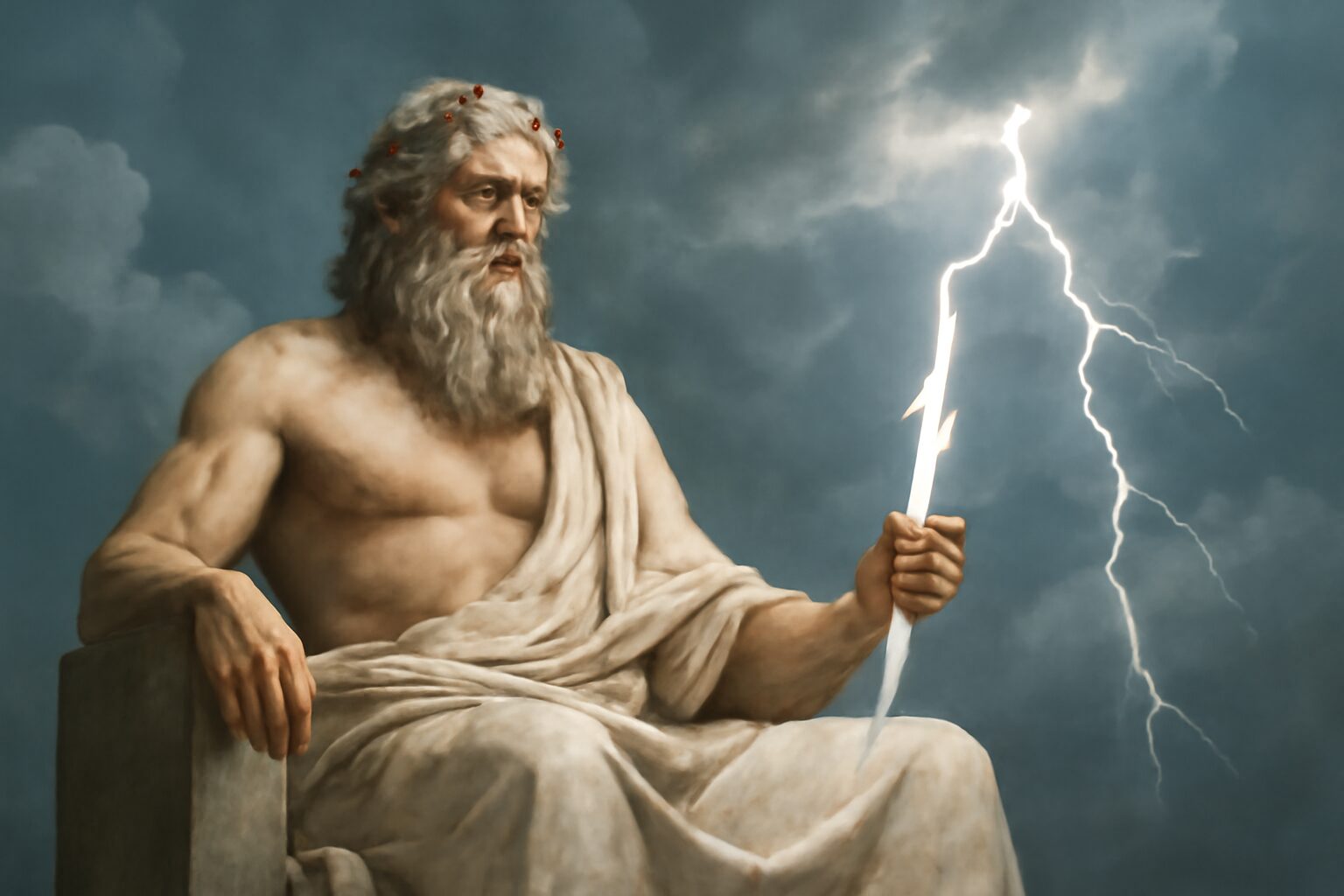
In the age when mortals first dared to defy the gods, a king of Argos committed a grievous sacrilege by slaying a priestess of Zeus within his own temple. Enraged, Zeus summoned Poine, the spirit of retribution, and commanded her to descend upon the city. "Let your presence be a lesson," thundered the king of gods, "that no act against the divine goes unpunished."
Poine swept into Argos like a shadow, her form shifting between a fearsome beast and a weeping maiden. She haunted the streets, bringing plague and despair, her very touch withering crops and chilling hearts. The people pleaded for mercy, but Poine’s purpose was unwavering—each life lost mirrored the priestess’s unjust end. Only when the king himself fell, consumed by guilt and madness, did Zeus recall Poine, his justice served through her relentless wrath.
Poine’s Pursuit and the Mercy of Apollo
When a gifted musician arrogantly challenged Apollo to a contest, the god of music struck him down in divine fury. Yet Apollo, regretful of his hastiness, sought to temper the consequences. He called upon Poine to deliver not vengeance, but penance. "Let your pursuit inspire reflection, not ruin," Apollo instructed, his lyre humming with sorrow.
Poine followed the musician’s spirit into the underworld, her presence a constant reminder of his hubris. Instead of torment, she offered haunting melodies that echoed his regret, guiding him to understand the weight of his defiance. Moved by this transformative punishment, Apollo later interceded, allowing the musician’s soul to find peace. Poine’s role, though fearsome, had become a instrument of redemption, blending justice with compassion under the sun god’s watchful eye.
Frequently Asked Questions
Who is Poine in Greek mythology?
Poine is a lesser-known spirit (daimon) in Greek mythology, representing punishment, retribution, and vengeance. She was often associated with divine justice and the consequences of wrongdoing.
What is the role of Poine in Greek myths?
Poine's role was to enact punishment on behalf of the gods, particularly for crimes like murder or betrayal. She ensured that wrongdoers faced consequences, embodying the idea of divine retribution.
How does Poine relate to other Greek spirits or daimones?
Poine is one of many personified spirits (daimones) in Greek mythology, similar to Nemesis (retribution) or the Erinyes (Furies). These spirits often worked together to uphold moral and cosmic order.
Why is Poine important in understanding Greek mythology?
Poine highlights the Greek belief in balance and justiceu2014actions had consequences, often enforced by divine beings. She reflects the cultural importance of morality and accountability in ancient Greek society.
Are there any myths or stories featuring Poine?
Poine appears in some versions of the myth of the Corinthian tyrant Periander, where she is sent to punish the city for its crimes. However, she is less prominent than other spirits, with fewer surviving stories.