
Pistis: The Personification of Trust and Good Faith
In Greek mythology, Pistis (Πίστις) is the divine personification of trust, good faith, and honesty. Though not as widely known as the Olympian gods, Pistis played a crucial role in the moral and social fabric of ancient Greek thought, embodying the virtues of reliability and sincerity in both human interactions and divine relationships.
Mythology and Role
Pistis was one of the many daimones (spirits or minor deities) in Greek mythology who represented abstract concepts. She was often associated with oaths, contracts, and bonds of trust, making her an essential figure in both personal and civic life. Unlike the more dramatic tales of gods like Zeus or Athena, Pistis's influence was subtle but foundational—her presence ensured that agreements were honored and that people could rely on one another.
She was sometimes linked with Dike (Justice) and Eirene (Peace), forming a triad of virtues that upheld societal harmony. In some traditions, Pistis was also connected to Elpis (Hope), emphasizing how trust and hope were intertwined in the human experience.
Symbolism and Worship
Pistis was rarely worshiped in grand temples like the major gods, but her presence was acknowledged in everyday life. Greeks invoked her name in oaths and legal agreements, trusting that she would ensure fairness and honesty. Her symbolism extended to the concept of pistis in philosophy, where it represented a form of faith or belief that was rational and earned, rather than blind.
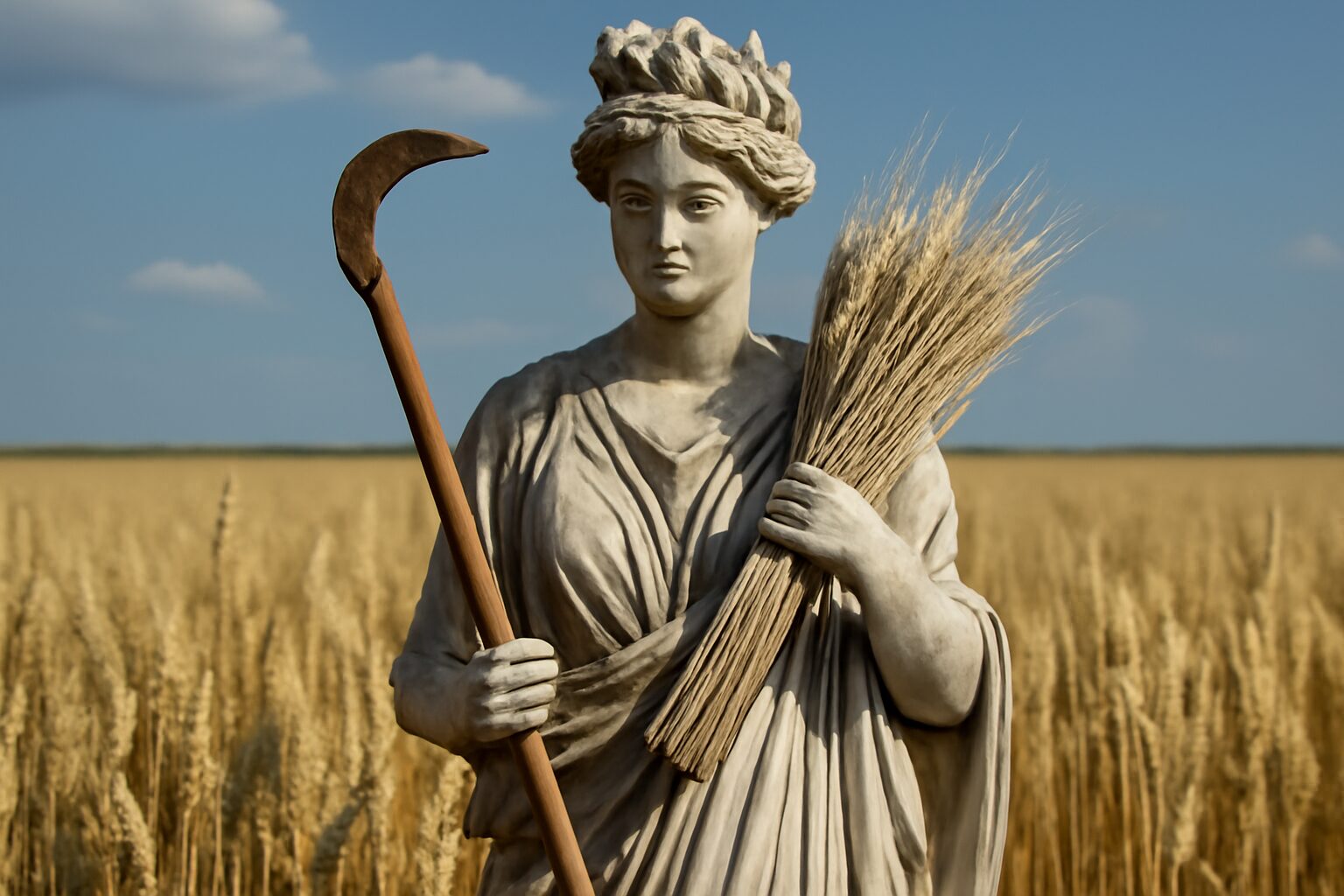
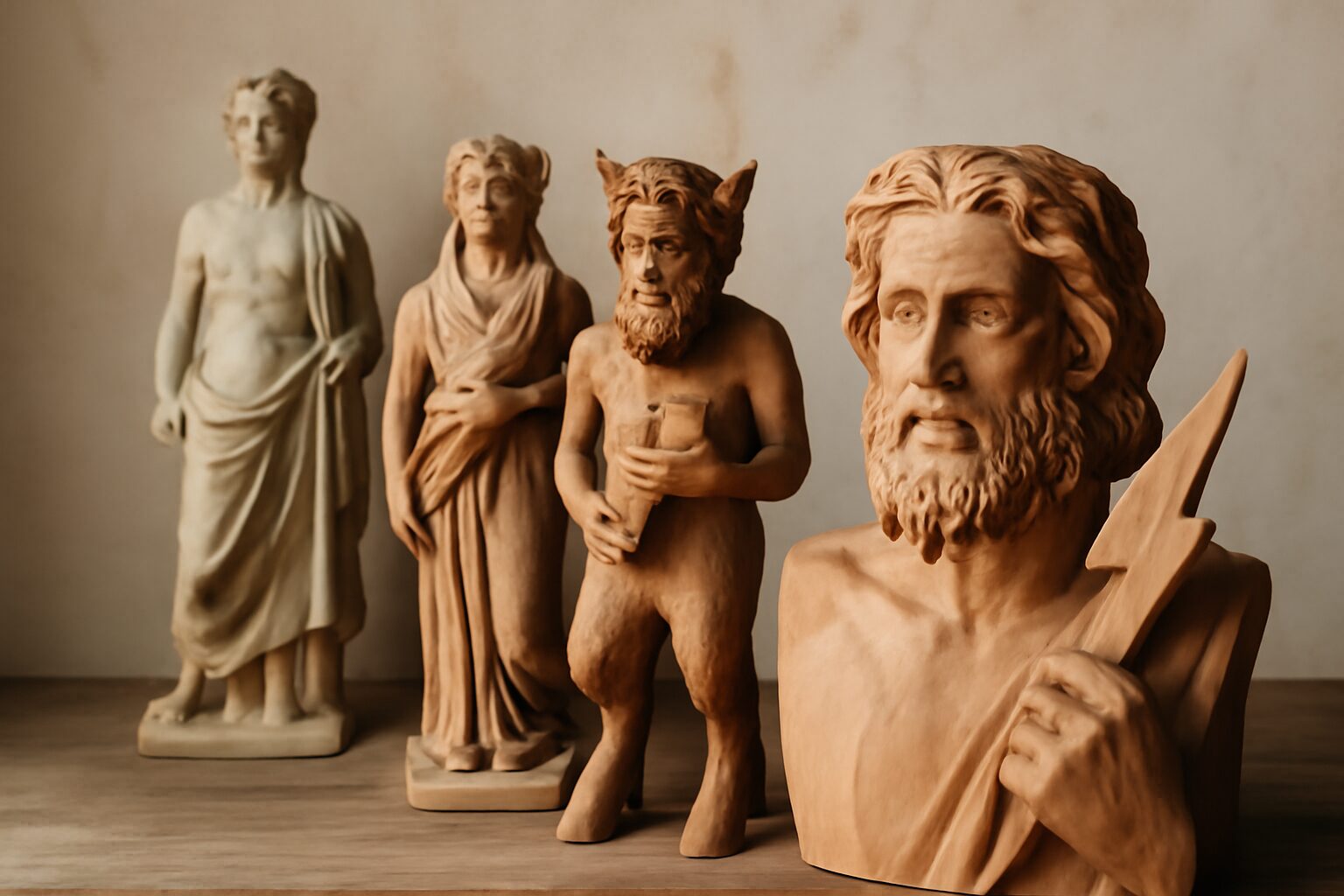
In art, Pistis was occasionally depicted as a modestly dressed woman holding a scroll or a handshake, symbolizing her role in binding agreements. Though she lacked the dramatic myths of other deities, her quiet influence was a cornerstone of Greek ethics.
Legacy and Influence
The concept of Pistis endured beyond ancient Greece, influencing Roman culture (where she was known as Fides) and even early Christian thought, where pistis came to mean "faith" in a religious context. Her legacy reminds us that trust and good faith are timeless virtues, essential for both mortal and divine relationships.
While Pistis may not have the epic tales of Hercules or the allure of Aphrodite, her role in Greek mythology underscores the importance of integrity—a virtue as vital today as it was in antiquity.
Alternative Names for Pistis
God Name: Fides (Roman)
Fides is the Roman equivalent of the Greek goddess Pistis. Both represent the concept of trust and good faith. Fides was a significant deity in Roman religion, symbolizing the trust between parties, especially in legal and state matters.
God Name: Elpis (Greek)
While not a direct alternative, Elpis (Hope) is closely associated with Pistis (Trust/Faith) in Greek mythology. Both are personified virtues and often appear together in philosophical and mythological contexts, representing interconnected ideals.
Tales about Pistis
The Bond of Trust and Healing
In the golden age of mortals, when illness was rare and trust was abundant, Pistis wandered the earth, inspiring faith in the hearts of all. One day, she encountered a village stricken by a mysterious plague. The people had lost hope, and their trust in the gods wavered. Pistis knew she needed the aid of Aceso, the goddess of the healing process.
Pistis approached Aceso, who was tending to a grove of sacred herbs. "Great Aceso," Pistis implored, "the mortals suffer, and their faith fades. Without trust, even your remedies may fail. Will you join me?"
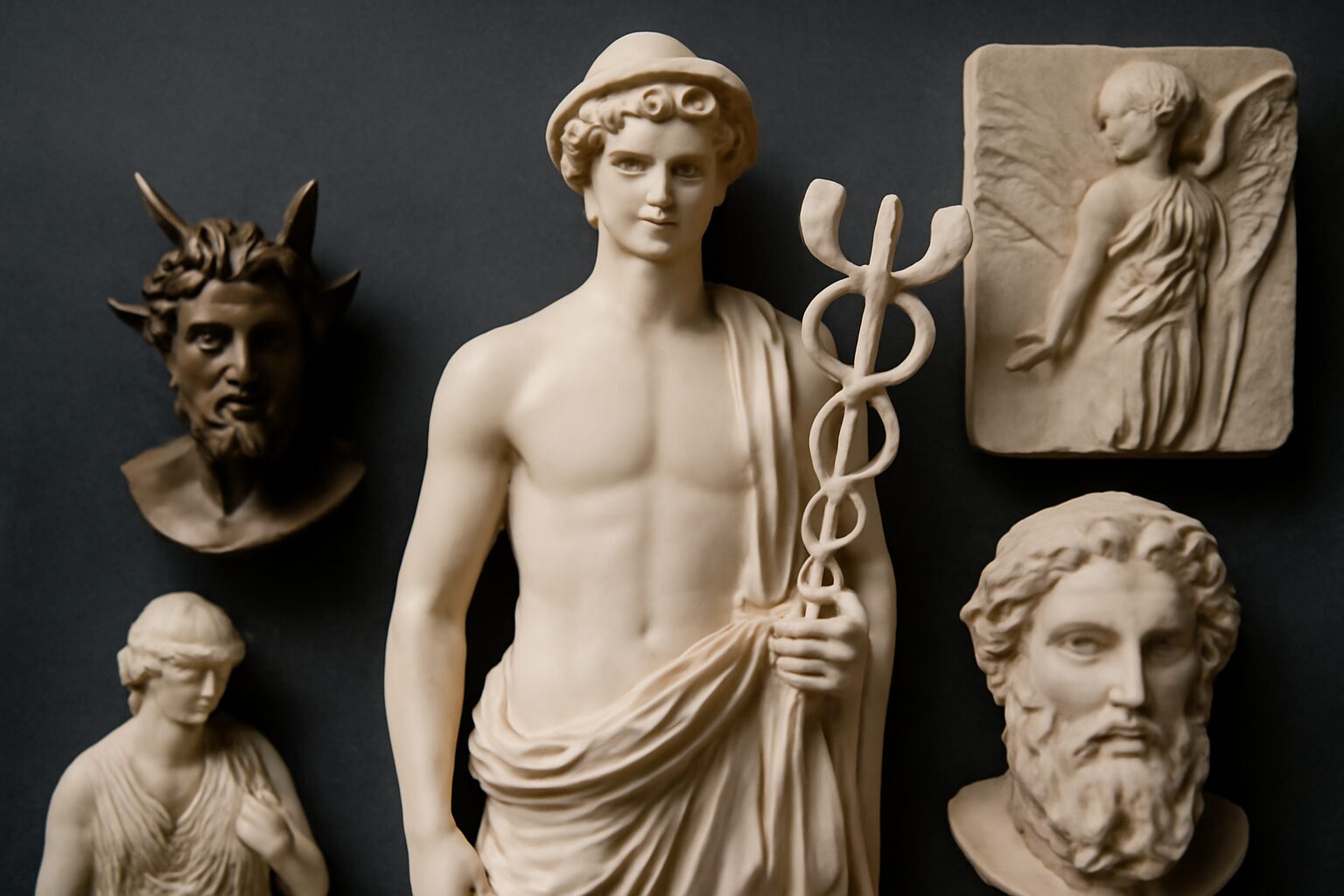
Aceso, moved by Pistis's sincerity, agreed. Together, they visited the village. Aceso applied her salves and potions, while Pistis whispered words of encouragement, restoring the villagers' belief in recovery. As the plague receded, the people learned that true healing required not just medicine, but unwavering trust. Their bond exemplified how faith and healing are intertwined, each empowering the other.
The Trial of Faith and Truth
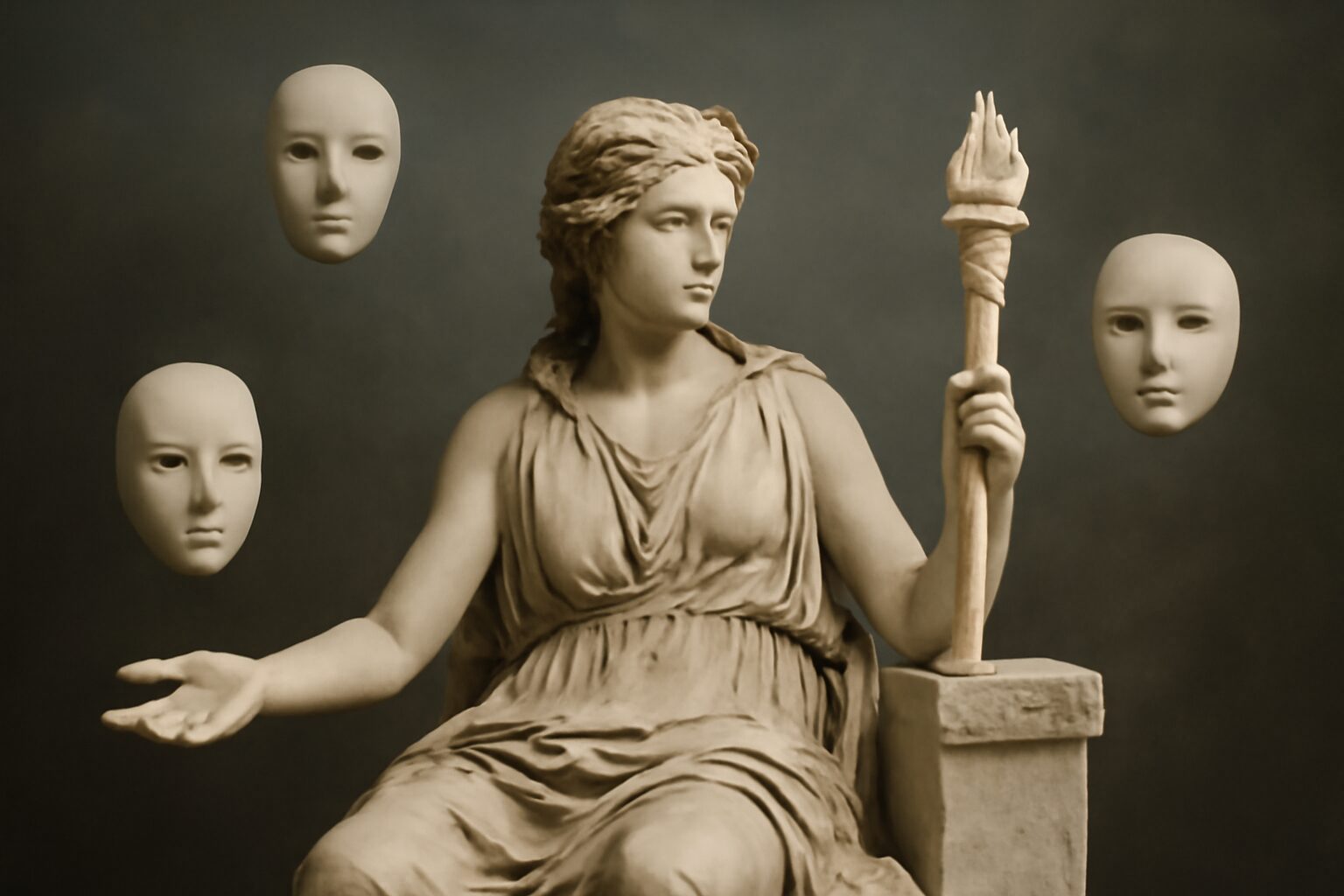
During a time of great deception, when falsehoods clouded the minds of mortals, Pistis found her influence waning. She sought counsel from Aletheia, the embodiment of truth. "Sister," Pistis lamented, "how can trust flourish when lies abound?"
Aletheia, radiant and unwavering, replied, "Faith must be anchored in truth, or it is but a fleeting shadow. Let us journey together to the court of the gods and demonstrate their union."
They appeared before Zeus, where Aletheia unveiled a hidden deceit among the Olympians, while Pistis advocated for trust in divine justice. Zeus, impressed by their synergy, decreed that henceforth, trust and truth would be inseparable guides for humanity. This alliance reminded all that genuine faith is built on a foundation of honesty, and that without truth, trust could not endure.
Frequently Asked Questions
Who is Pistis in Greek mythology?
Pistis is the personification of trust, honesty, and good faith in Greek mythology. She is one of the lesser-known daimones (spirits) who represent abstract concepts and virtues.
Why is Pistis important in Greek mythology?
Pistis represents the essential virtues of trust and reliability, which were highly valued in ancient Greek society. Her presence highlights the importance of honesty and faith in human relationships and divine interactions.
What can we learn from Pistis today?
Pistis teaches us the timeless value of trust and good faith in personal and professional relationships. Her symbolism reminds us that these virtues are foundational for building strong, lasting connections with others.
How does Pistis relate to other Greek personifications?
Pistis is often associated with other daimones like Elpis (Hope) and Aidos (Shame), as they all represent moral and ethical concepts. Together, they embody the ideals that guided behavior in ancient Greek culture.
Is Pistis worshiped like other Greek gods?
Unlike major Olympian gods, Pistis was not widely worshiped in temples. However, she was honored in philosophical and ethical contexts, as her virtues were considered essential for a harmonious life.