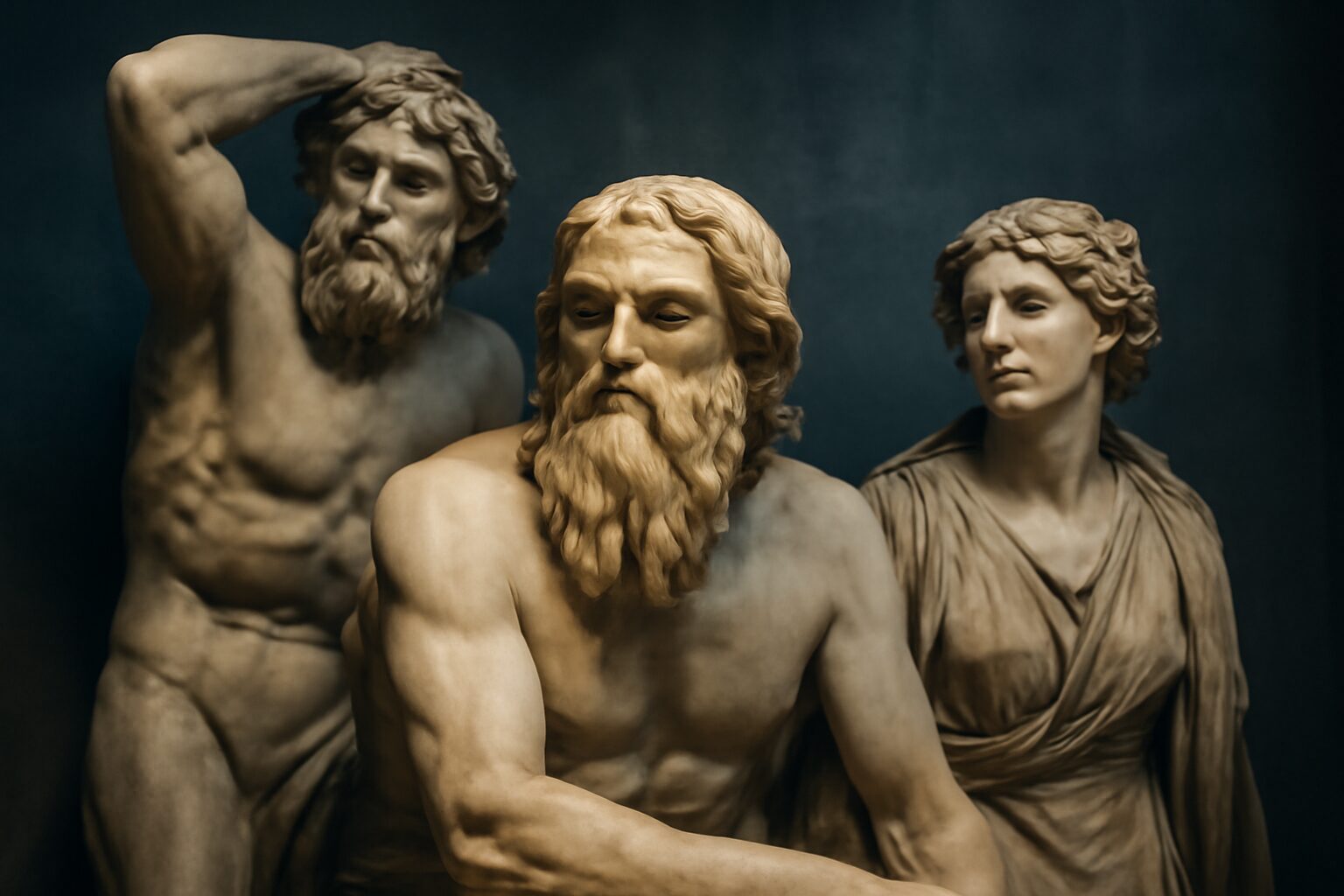

Limos: The Greek Goddess of Famine
In Greek mythology, Limos (also spelled Limos) was the personification of hunger, starvation, and famine. As a minor but fearsome deity, she embodied the devastating effects of scarcity and was often invoked in times of drought or war when food supplies dwindled. Unlike gods associated with abundance, such as Demeter, Limos represented the cruel opposite—relentless hunger that could bring even the mightiest to their knees.
Origins and Mythology
Limos was the daughter of Eris, the goddess of strife and discord, making her a sibling to other malevolent spirits like Ponos (Toil) and Lethe (Forgetfulness). She appears in Hesiod's Theogony as one of the destructive forces born from chaos. Later myths describe her as a gaunt, hollow-eyed figure, her presence spreading suffering wherever she went.
One of the most famous stories involving Limos comes from Ovid's Metamorphoses, where she is summoned by the goddess Ceres (Demeter) to punish King Erysichthon of Thessaly. After he arrogantly cut down a sacred grove, Ceres cursed him with insatiable hunger. Limos crept into his body, making him devour everything in sight—even his own limbs—until he wasted away completely.
Powers and Influence
Limos was not a goddess to be worshiped but rather feared. She had the power to drain the vitality of both mortals and immortals, leaving them weak and desperate. Unlike physical deities, she was more of an abstract force, embodying the terror of famine rather than actively causing it through divine will. Her presence was often linked to natural disasters, wars, or divine punishments.
In some traditions, she was considered an agent of Nemesis, the goddess of retribution, ensuring that those who defied the gods or committed hubris would suffer the agonies of starvation.
Significance in Greek Culture
While Limos was not a major figure in Greek religion, her myth served as a cautionary tale about the consequences of greed, disrespect for the gods, and the fragility of human life. Ancient Greeks understood famine as one of the worst possible fates, and Limos symbolized that dread. Her story also reinforced the importance of honoring deities like Demeter, who controlled the harvest and fertility of the land.
Today, Limos remains a haunting figure in mythology, a reminder of how closely ancient civilizations lived with the threat of starvation—and how deeply they feared its power.
Alternative Names for Limos
God Name: Fames (Roman)
Fames is the Roman equivalent of the Greek god Limos, representing hunger and starvation. In Roman mythology, Fames was often depicted as a gaunt and emaciated figure, similar to the Greek portrayal of Limos.
God Name: Limos (Greek)
Limos is the primary Greek deity personifying hunger and famine. Often depicted as a terrifying figure, Limos was said to bring suffering and starvation to both gods and mortals, as described in Hesiod's works and other ancient Greek texts.
Tales about Limos
The Curse of Limos and the Wrath of Demeter
In the age when mortals first learned to till the soil, the goddess Demeter bestowed upon them the gift of agriculture, ensuring that famine would never plague humanity. However, Limos, the embodiment of starvation and hunger, grew envious of the abundance that Demeter provided. She wandered the earth, whispering insatiable cravings into the hearts of kings and peasants alike, causing hoarding and greed to spread.
Demeter, witnessing the suffering caused by Limos’s influence, confronted the spirit of famine. "You twist my blessings into curses," Demeter declared, her voice like the rustle of ripe wheat. "For every field you blight, I will nurture two more. For every stomach you empty, I will fill a thousand."
Limos, gaunt and relentless, merely laughed—a dry, rasping sound. "Hunger is eternal," she hissed. "You may delay me, but you cannot destroy me. I am as ancient as want itself."
Though Demeter’s power ensured that most of the world remained fertile, Limos found footholds in times of war and poor harvest, a reminder that even the gods’ gifts could be undermined by her pervasive presence.
Limos and the Torment of Prometheus
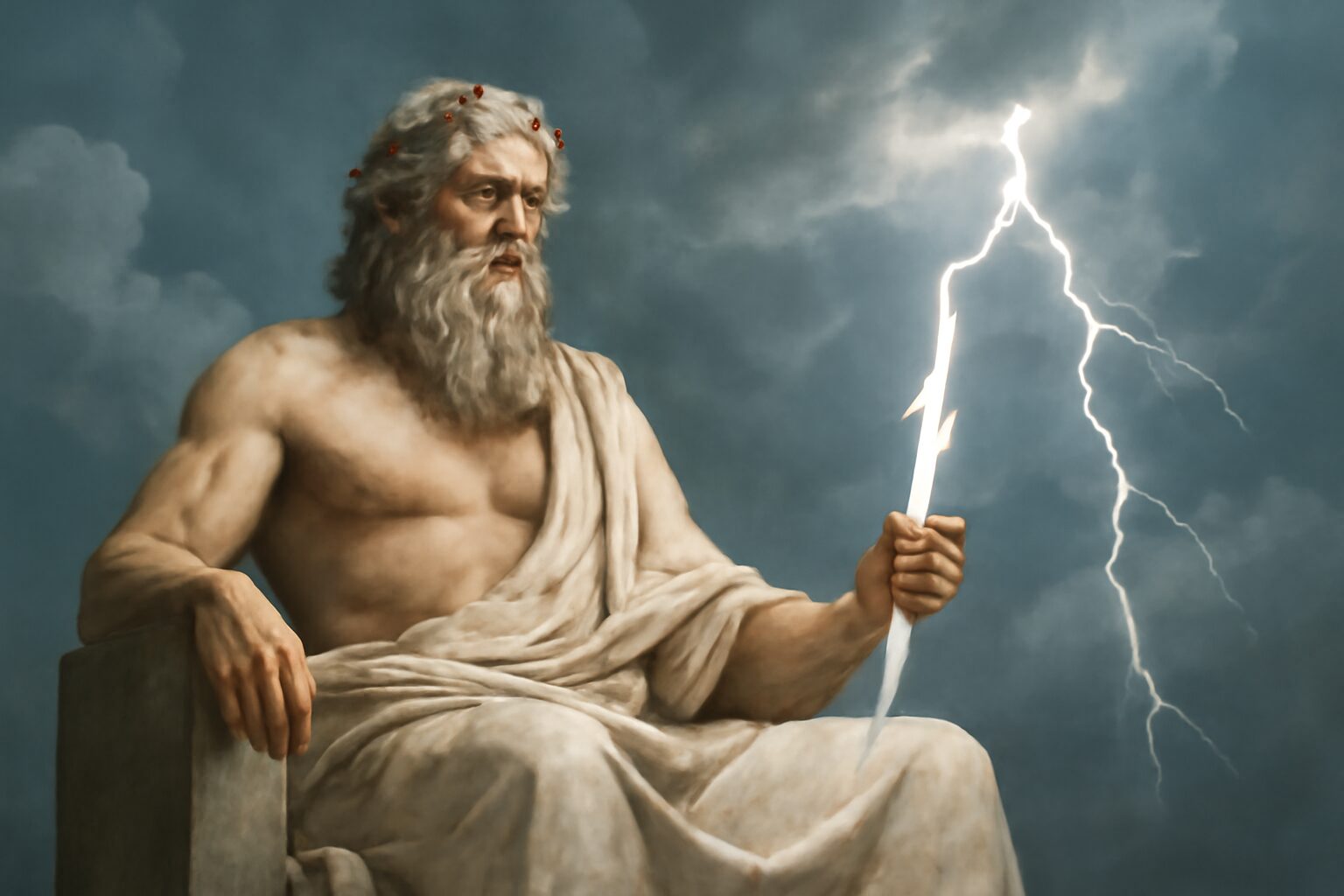
When Prometheus stole fire from the gods to aid humanity, he invoked the ire of Zeus. As punishment, he was bound to a rock, where an eagle fed daily on his liver. But Zeus, seeking to compound the Titan’s suffering, summoned Limos to the desolate crag.
"Let starvation be his constant companion," Zeus commanded, "though he cannot die. Let the ache of emptiness remind him of the consequences of defiance."
Limos settled beside Prometheus, her hollow eyes fixed upon him. Though he felt no physical need for sustenance, her presence inflicted a deep, metaphysical hunger—a craving for freedom, for relief, for an end to his agony. Each day, as the eagle tore into him, Limos whispered of endless want, amplifying his pain beyond the physical.
Prometheus, in his torment, came to understand a new dimension of suffering: the hunger for hope, for reprieve, for the simple comfort of satiety. It was only when Heracles eventually freed him that Limos withdrew, her purpose fulfilled, but her memory lingering as a testament to the cruelty of divine vengeance.
Frequently Asked Questions
What are Limos in Greek mythology?
Limos is the Greek goddess or personification of starvation and famine. She represents extreme hunger and was often depicted as a gaunt, emaciated figure. Limos was considered a destructive force that could bring suffering to both mortals and gods.
What are Daimones in Greek mythology?
Daimones (or Daemones) are minor deities, spirits, or personifications in Greek mythology. They represent abstract concepts, emotions, or natural forces. Unlike major gods, daimones typically embody single ideas like love (Eros), strife (Eris), or in Limos's case, famine.
Why were personifications like Limos important in Greek myths?
Personifications helped ancient Greeks explain natural phenomena and human experiences. By giving human forms to concepts like famine (Limos) or death (Thanatos), they could better understand and relate to these powerful forces that affected their lives.
How does Limos appear in Greek myths?
Limos appears in several myths as a punishing force. In one story, she's sent by Zeus to punish King Erysichthon who cut down a sacred grove. She curses him with insatiable hunger, causing him to literally eat himself out of house and home.
What can we learn from the concept of Limos today?
Limos reminds us how ancient cultures understood and explained scarcity. While we now understand famine scientifically, the myth shows how Greeks saw starvation as both a natural and divine punishment, reflecting their views on morality and the gods' power over human welfare.