Eupraxia: The Goddess of Good Conduct
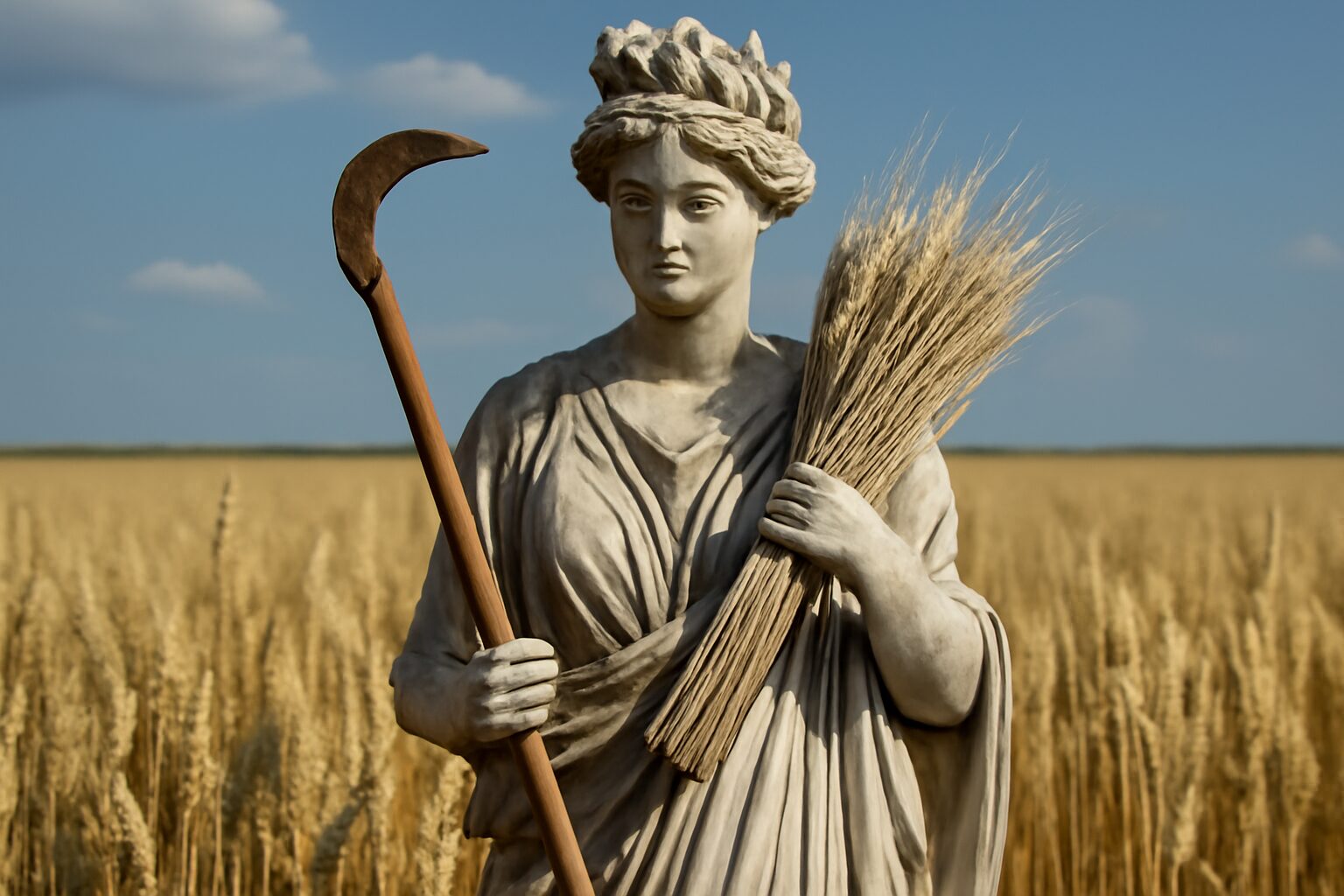
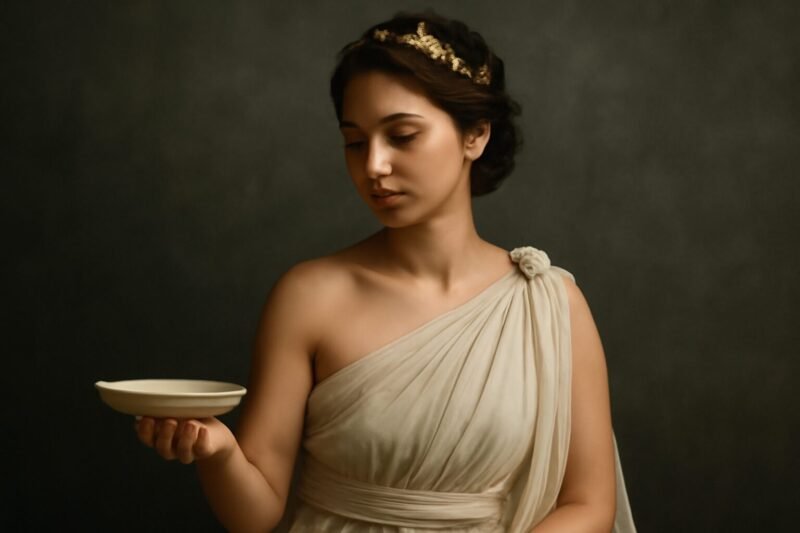
In Greek mythology, Eupraxia (Εὐπραξία) was a lesser-known but significant deity representing good conduct, prudent action, and proper behavior. Her name translates to "right action" or "good practice," reflecting her association with moral excellence and virtuous living. Though not as prominent as Olympian gods, Eupraxia played a vital role in the ethical and social ideals of ancient Greek culture.
Mythology and Role
Eupraxia was often considered one of the daughters of Praxidike, the goddess of judicial punishment and exactor of justice. Alongside her sisters, Arete (virtue) and Homonoia (concord), she embodied ideals that upheld societal harmony. Eupraxia's influence extended to both personal conduct and civic duty, encouraging individuals to act with wisdom, fairness, and integrity.
Unlike gods associated with dramatic myths, Eupraxia's presence was subtle, woven into daily life. She was invoked in oaths, legal proceedings, and educational contexts, where her principles guided ethical decision-making. Philosophers and lawmakers often referenced her ideals when discussing the foundations of a just society.
Powers and Symbolism
Eupraxia's power lay in her ability to inspire righteous behavior. She was not a goddess of punishment but rather a guiding force, rewarding those who acted with prudence and moral clarity. Her symbols included the scales of balance (shared with her mother Praxidike) and the olive branch, representing peace and reasoned judgment.
In some traditions, she was also linked to eutaxia (good order), emphasizing discipline and structure in both personal and political spheres. This connection made her a patron of well-governed cities and orderly households.
Relationships and Worship
Eupraxia was closely associated with other personified virtues, particularly her sisters Arete and Homonoia, forming a triad of moral excellence. She also had ties to Themis, the Titaness of divine law, and Dike, the goddess of justice, reinforcing her role in ethical governance.
Though no major temples were dedicated solely to Eupraxia, she was honored in small shrines and through personal devotion. Ancient Greeks might offer prayers to her before important decisions or public duties, seeking her guidance to act honorably.
Significance in Greek Culture
Eupraxia's enduring legacy lies in her embodiment of practical wisdom. While not as flashy as war gods or love goddesses, her ideals were foundational to Greek philosophy, particularly in schools like Stoicism, which emphasized virtuous living. Her influence persists in modern concepts of ethics, reminding us that "right action" remains timeless.
Alternative Names for Eupraxia
God Name: Eutychia (Greek)
An alternative Greek name meaning 'good fortune' or 'success', often associated with Eupraxia as both names emphasize positive outcomes and well-being.
God Name: Felicitas (Roman)
The Roman equivalent of Eupraxia, representing good luck, happiness, and prosperity. Felicitas was worshiped in Roman religion as a personification of these positive attributes.
God Name: Eusebia (Greek)
Another Greek name meaning 'piety' or 'reverence', sometimes linked to Eupraxia in contexts where divine favor and moral goodness are emphasized.
God Name: Salus (Roman)
A Roman goddess associated with safety, health, and well-being, sharing conceptual similarities with Eupraxia's domain of prosperity and good conduct.
Tales about Eupraxia
Eupraxia and the Healing of Aceso
In the divine realm, where gods and spirits intermingle, Eupraxia—the personification of well-being and good conduct—once encountered Aceso, the goddess of the healing process. Aceso was tending to a grove of sacred herbs, her hands glowing with a soft, restorative light. Eupraxia, drawn by the aura of harmony, approached and offered to assist in organizing the herbs to maximize their efficacy.
A Partnership of Wellness
Together, they devised a system where each plant was placed according to its properties, ensuring that their energies complemented rather than conflicted. Eupraxia’s sense of order and Aceso’s healing touch created a sanctuary where mortals could find not only cure but also lasting health. This collaboration became a symbol of how proper conduct and healing are intertwined, celebrated in rituals where offerings were made to both deities for holistic well-being.
Eupraxia and the Guidance of Dike
On another occasion, Eupraxia crossed paths with Dike, the goddess of justice, who was weighing the deeds of humanity. Dike’s scales trembled under the weight of deceit and disorder, and she sighed in frustration. Eupraxia, embodying virtuous action, stepped forward and proposed a method to instill fairness through example rather than punishment.
Teaching Through Example
They traveled to a strife-ridden village, where Eupraxia demonstrated acts of kindness, honesty, and cooperation, while Dike ensured that these actions were recognized and rewarded. The villagers, inspired by this divine duo, began to emulate their behavior, leading to a community where justice and good conduct flourished naturally. This tale underscores the idea that true justice is upheld not by force, but through the practice of virtue, a lesson echoed in many Greek philosophical teachings.
Frequently Asked Questions
Who is Eupraxia in Greek mythology?
Eupraxia is the Greek spirit (daimon) or personification of good conduct, excellence in action, and well-being. She represents the ideal of virtuous and prosperous living in ancient Greek culture.
What are daimones in Greek mythology?
Daimones (or daemons) are minor deities, spirits, or personifications in Greek mythology. They often represent abstract concepts, emotions, or natural forces, like Eupraxia (good conduct) or Nike (victory).
Why were personifications like Eupraxia important to the Greeks?
Personifications like Eupraxia helped the Greeks explain and embody abstract ideas in relatable ways. They served as cultural ideals, reminding people of virtues (like good conduct) to strive for in daily life.
How does the concept of Eupraxia apply today?
Eupraxia's focus on virtuous action and well-being remains relevant. Modern discussions about ethics, mindfulness, and personal growth echo her ancient ideals of living with purpose and excellence.
Are daimones like Eupraxia considered gods?
Daimones are lesser than the Olympian gods but still divine beings. They occupy a middle ground between gods and mortals, often acting as intermediaries or symbols rather than full deities.