Pannychis: The Goddess of Nighttime Revelry
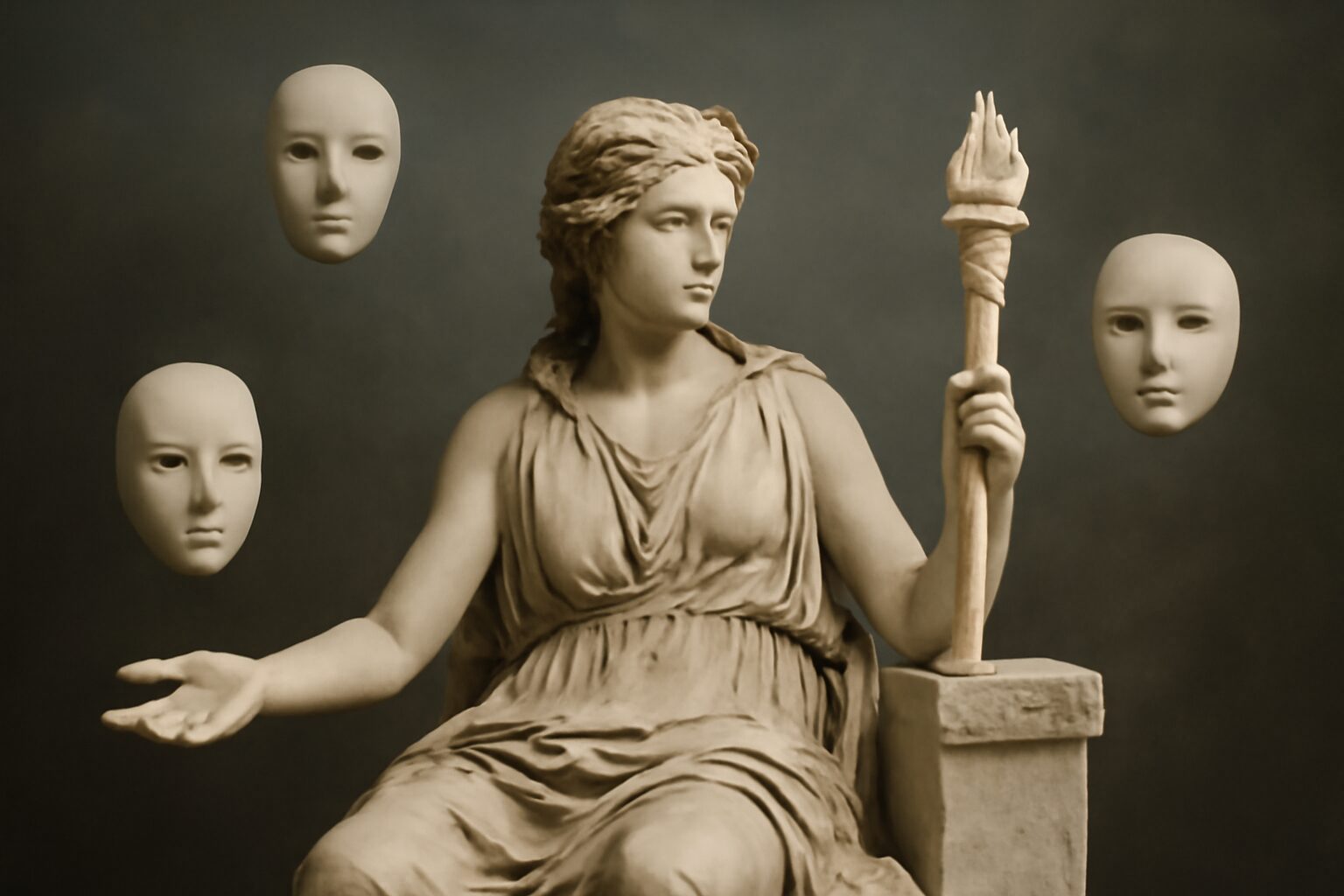
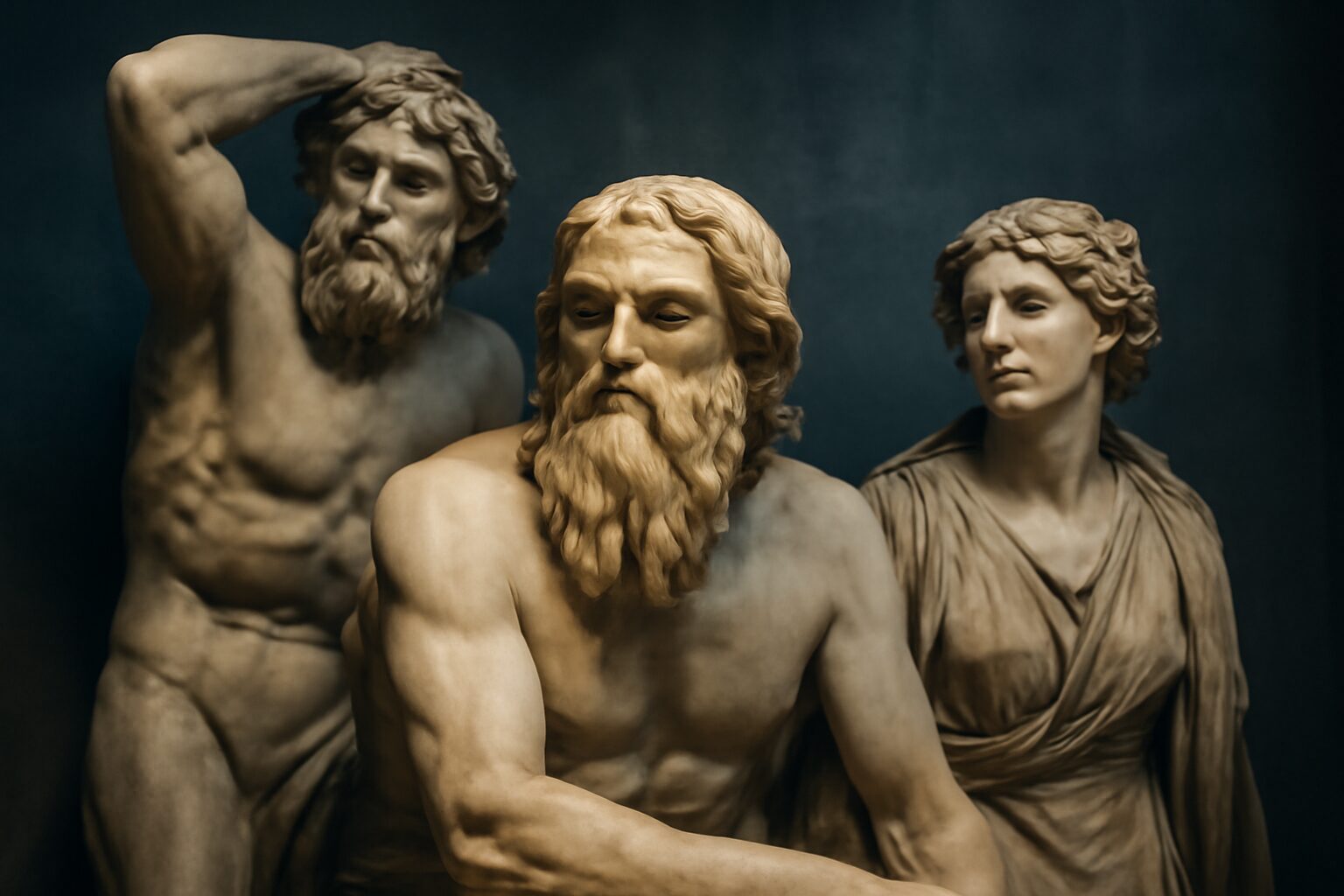
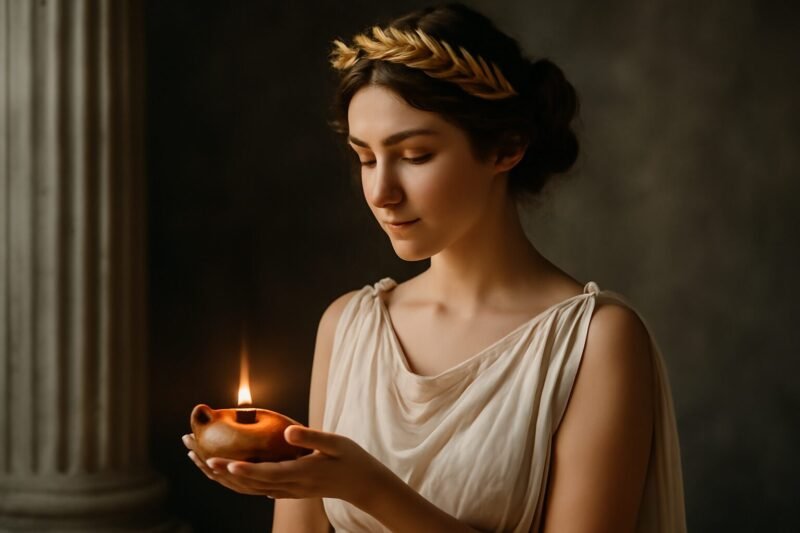
In the rich tapestry of Greek mythology, Pannychis (Greek: Παννυχίς) is a lesser-known but fascinating deity associated with nighttime festivities, revelry, and all-night celebrations. Her name translates to "all-night" or "through the night," reflecting her domain over nocturnal gatherings, particularly those involving music, dance, and ecstatic worship.
Role and Significance
Pannychis personified the spirit of nighttime celebrations, often linked to religious festivals honoring gods like Dionysus, Aphrodite, or the moon goddess Selene. She was not a major Olympian but rather a nymph or minor goddess who embodied the joyous, unrestrained energy of nighttime rituals. Her presence was invoked during pannychides—all-night feasts held in honor of deities, where worshippers engaged in singing, dancing, and communal bonding.
These celebrations were especially prominent in the cults of Dionysus, where ecstatic rites blurred the lines between mortal and divine. Pannychis symbolized the freedom and abandon that came with the cover of darkness, a time when social norms relaxed and the divine felt closer.
Mythology and Relationships
Though Pannychis appears sparingly in surviving myths, she is sometimes depicted as a companion of Dionysus, the god of wine and ecstasy, or Aphrodite, the goddess of love. In some traditions, she is associated with the Charites (Graces) or the Horae (Seasons), who presided over natural cycles and festivities.
One fragmentary myth suggests Pannychis was among the nymphs who joined Dionysus in his wild processions through Greece, spreading his cult of liberation and joy. Her connection to night also links her to deities like Nyx (Night) and Hecate, the goddess of magic and crossroads, who held sway over the mysteries of darkness.
Legacy and Worship
While no major temples were dedicated solely to Pannychis, her influence was felt in the many nocturnal festivals of ancient Greece. The Anthesteria, a Dionysian festival, and the Adonia, honoring Aphrodite and Adonis, featured all-night vigils where her presence was likely invoked.
Pannychis represents a vital but often overlooked aspect of Greek religion—the sacredness of night as a time for communion, ecstasy, and transformation. Her legacy endures in modern interpretations of Greek myth, where she symbolizes the timeless human desire to celebrate life under the stars.
Alternative Names for Pannychis
God Name: Pannykhis (Greek)
An alternative spelling of Pannychis, reflecting a different transliteration from the original Greek.
God Name: Nox (Roman)
The Roman equivalent of Pannychis, associated with night and darkness, derived from the Latin word for 'night.'
God Name: Nyktelios (Greek)
An epithet meaning 'nocturnal,' sometimes associated with Pannychis, emphasizing the god's connection to nighttime rituals.
God Name: Erebos (Greek)
Though primarily a distinct deity of darkness, Erebos is sometimes conflated with Pannychis in later interpretations due to shared associations with night.
Tales about Pannychis
The All-Night Festival of Pannychis and Dionysus
In the heart of ancient Athens, as twilight descended, the city prepared for the grandest of celebrations—the Pannychis, the all-night festival. It was said that on this night, the boundary between the mortal and divine grew thin, and no deity embodied this more than Dionysus, the god of wine, ecstasy, and revelry.
A Divine Invitation
As torches were lit and hymns began, Dionysus himself descended from Mount Olympus, drawn by the fervor of the festivities. He found Pannychis, the spirit of the nocturnal celebration, orchestrating the rhythms of dance and song among the mortals. With a mischievous smile, Dionysus offered a chalice of ambrosial wine, whispering, "Let us make this night unforgettable."
The Ecstasy of the Night
Together, they wove magic into the air—Pannychis extending the hours of darkness to stretch joy and communion, while Dionysus infused the crowds with uninhibited euphoria. Mortals danced with nymphs and satyrs, their laughter echoing under the starlit sky. By dawn, the revelers awoke with hazy memories of divine encounters, forever cherishing the night when Pannychis and Dionysus turned celebration into transcendence.
The Silent Vigil of Pannychis and Hypnos
Not all nights were filled with revelry; some were draped in quietude and rest. In the realm of dreams, Hypnos, the god of sleep, presided over the gentle descent into slumber. It was during these hushed hours that he often crossed paths with Pannychis, whose domain included the peaceful, watchful night.
A Pact of Tranquility
One evening, as Hypnos sprinkled his sleep-inducing poppies over the world, he noticed Pannychis weaving a blanket of stillness over a weary village. Intrigued, he approached her and proposed a collaboration: "Your gift of prolonged night can allow my dreams to deepen and heal." Pannychis, valuing the solace her hours provided, agreed.
Dreams Under the Extended Night
Together, they crafted nights where time seemed to pause—Pannychis holding back the dawn while Hypnos guided mortals through restorative dreams. Warriors found peace from battle, lovers reunited in visions, and the sick awoke rejuvenated. Their partnership became a testament to the power of the night not just for celebration, but for healing and reflection, overseen by the gentle duo of Pannychis and Hypnos.
Frequently Asked Questions
Who is Pannychis in Greek mythology?
Pannychis is a lesser-known figure in Greek mythology, often associated with night-time festivities and revelry. The name 'Pannychis' translates to 'all-night' in Greek, hinting at her connection to nocturnal celebrations and rituals.
Why is Pannychis important in Greek mythology?
While not a major deity, Pannychis represents the cultural significance of night-time gatherings and festivals in ancient Greece. She symbolizes the joy and communal bonding that occurred during all-night celebrations, which were an important part of Greek religious and social life.
What can we learn from the concept of Pannychis today?
Pannychis reminds us of the ancient Greek appreciation for balance between work and celebration. In modern terms, she represents the importance of community gatherings, festivals, and taking time for joy and connection, especially in our often over-scheduled lives.
How does Pannychis relate to other Greek deities?
Pannychis is often associated with Dionysus, the god of wine and festivity, and sometimes with Nyx, the primordial goddess of night. She represents a more specific aspect of nighttime celebration within the broader context of Greek divine figures.
Are there any myths or stories about Pannychis?
Unlike major Greek gods and goddesses, Pannychis doesn't feature prominently in surviving myths. She appears more as a personification or spirit of all-night festivals rather than as a character in narratives, reflecting how the Greeks saw divine presence in everyday celebrations.