Ceraon: The Lesser-Known God of Meals and Hospitality
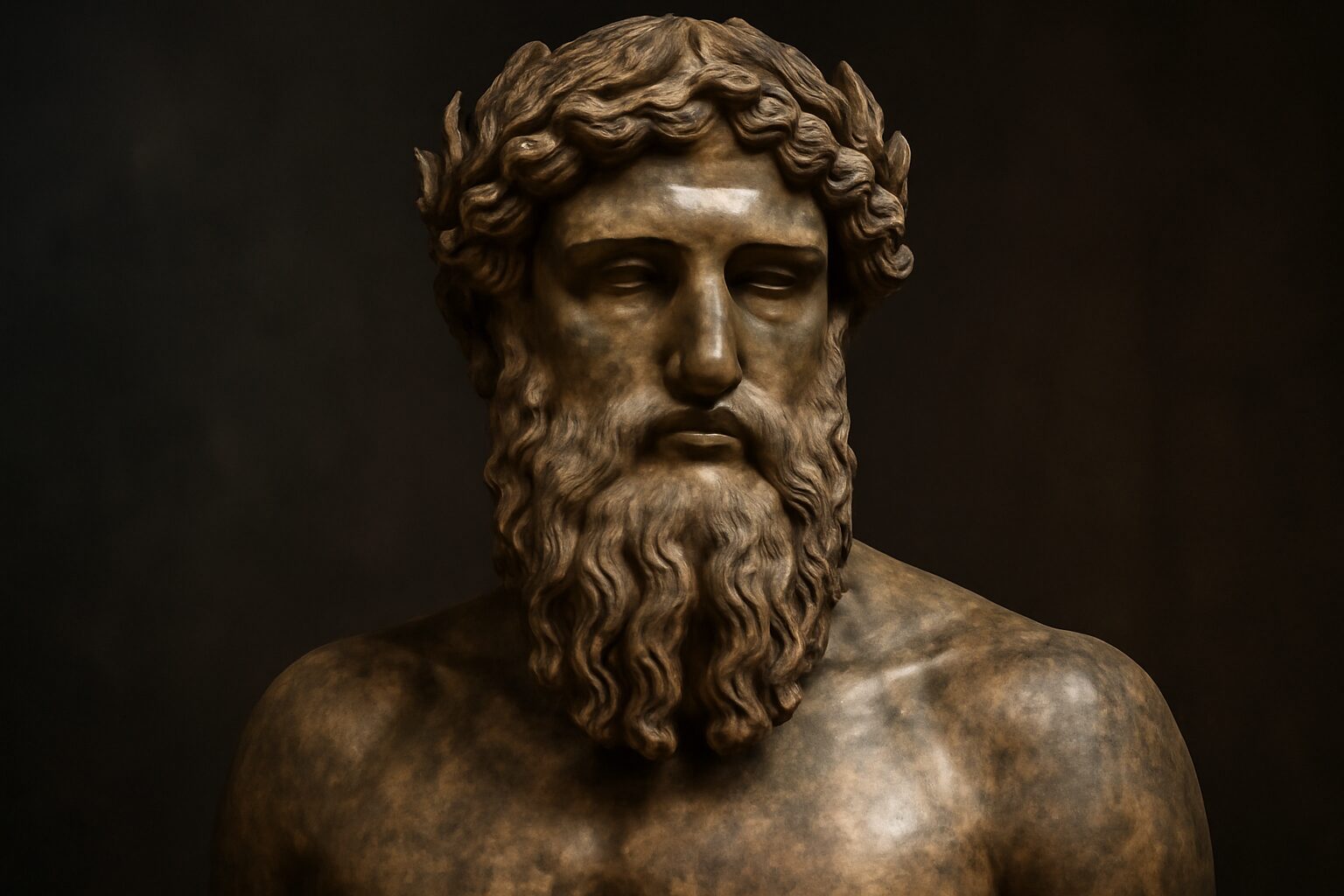
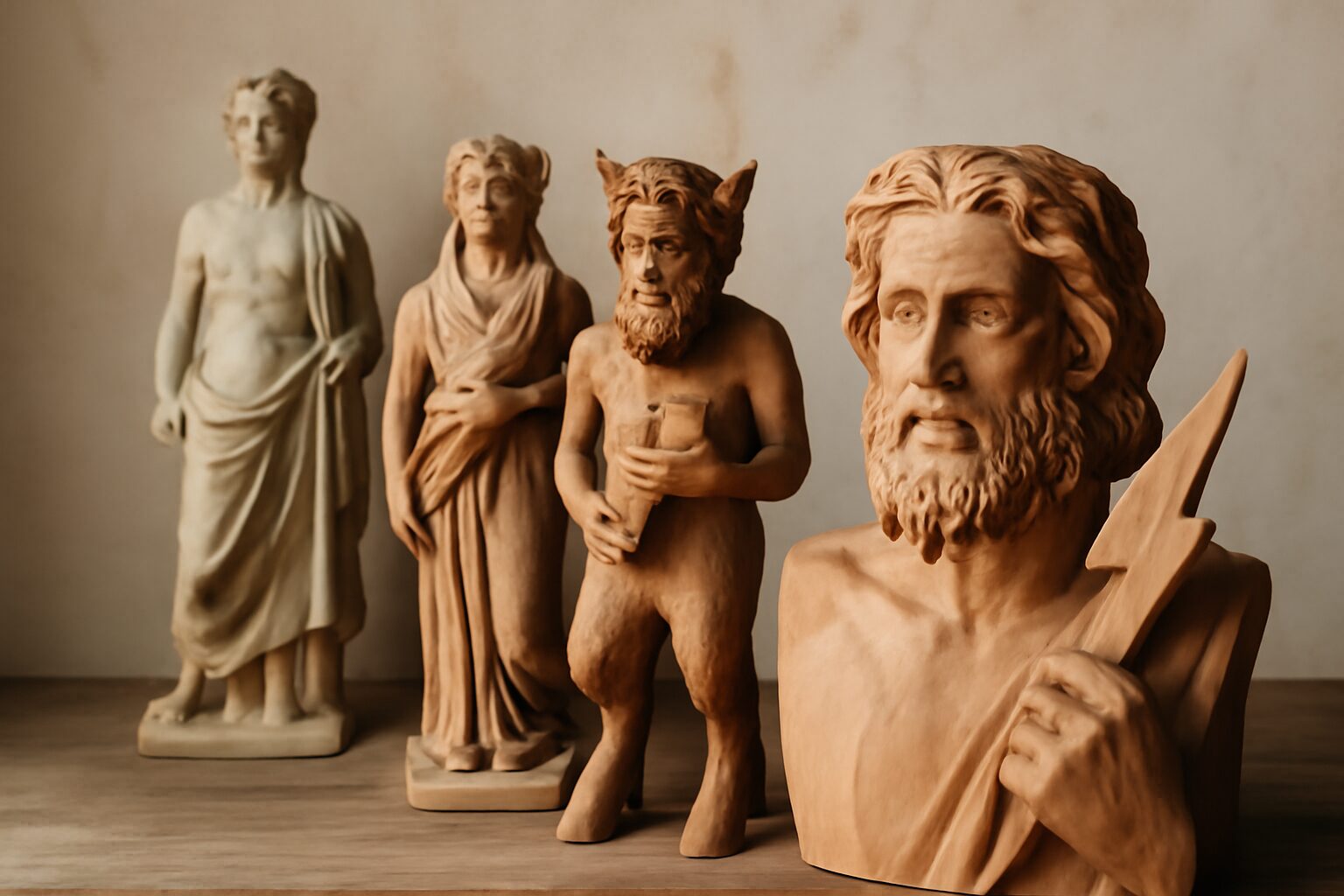
In the vast pantheon of Greek deities, Ceraon (also spelled Keraon) stands as a minor but fascinating figure associated with meals, hospitality, and the proper mixing of wine. His name derives from the Greek word kerannymi, meaning "to mix," reflecting his primary role in ensuring the sacred tradition of blending wine with water—a practice central to ancient Greek symposia.
Mythology and Role
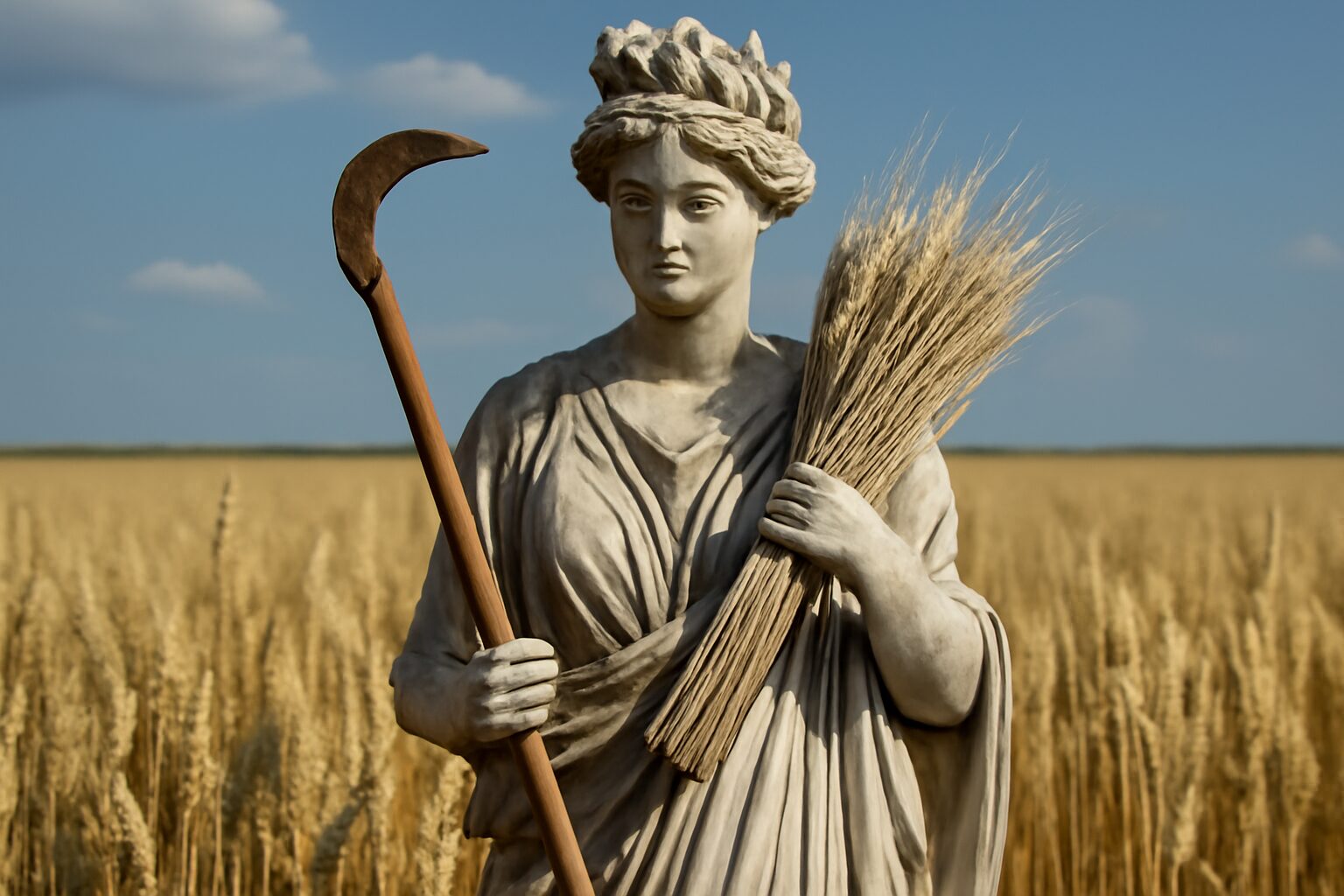
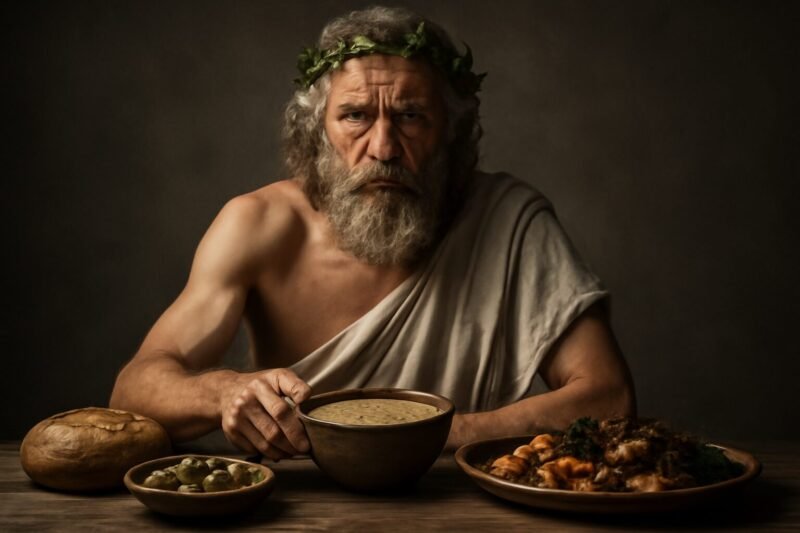
Ceraon appears in scattered mythological references, often as a companion or servant to more prominent gods like Dionysus, the god of wine, or Demeter, the goddess of agriculture. He was believed to oversee the preparation of meals, particularly the ritualistic aspects of dining. Unlike the chaotic feasts of Dionysus, Ceraon’s domain emphasized order, moderation, and the proper customs of hospitality—a virtue highly prized in ancient Greek culture.
One surviving myth describes Ceraon as a mortal who was granted divinity after inventing the practice of diluting wine with water, which the Greeks considered civilized behavior. Undiluted wine was seen as barbaric and dangerous, so Ceraon’s contribution earned him a place among the gods.
Powers and Symbolism
Ceraon’s powers were subtle but essential. He ensured that meals were prepared correctly, that wine was mixed in proper proportions, and that guests were treated with respect. His presence was invoked during banquets to prevent drunken excess and promote harmonious gatherings. Though not a major deity, his influence was felt in everyday life, particularly in social and religious feasts.
Symbolically, Ceraon represented the balance between indulgence and restraint. His association with wine mixing made him a bridge between the wild revelry of Dionysus and the disciplined order of gods like Apollo.
Relationships and Worship
Ceraon had few dedicated temples, but he was honored alongside other domestic and agricultural deities. He was sometimes linked with Hestia, goddess of the hearth, as both presided over household rituals. In some traditions, he was considered a son or attendant of Demeter, reinforcing his connection to food and sustenance.
Though not widely worshiped, Ceraon’s legacy persisted in Greek dining customs. The proper mixing of wine remained a cultural hallmark, and his name was occasionally invoked in toasts or prayers before meals.
Significance in Greek Culture
While Ceraon may not have been as celebrated as Zeus or Athena, his role highlights the Greeks’ reverence for hospitality (xenia) and moderation. In a society where shared meals were sacred, Ceraon’s oversight ensured that these gatherings upheld tradition and civility. His myth also reflects the Greek belief that even small acts of wisdom—like diluting wine—could earn divine favor.
Today, Ceraon remains a lesser-known but intriguing figure, a reminder of the intricate web of deities that governed every aspect of ancient Greek life, even the simple act of sharing a meal.
Alternative Names for Ceraon
God Name: Ceraunus (Roman)
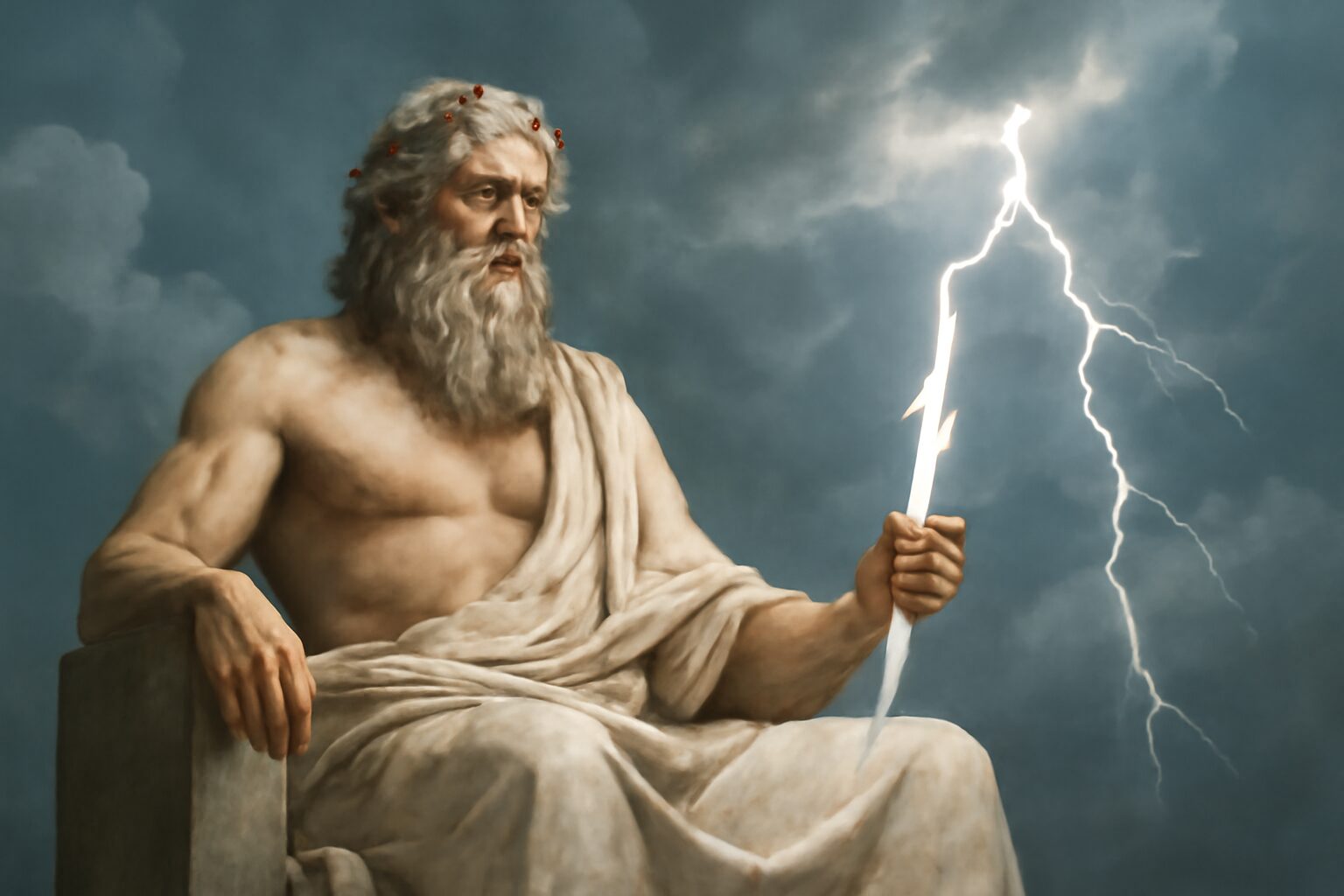
In Roman mythology, Ceraon was sometimes referred to as Ceraunus, emphasizing his association with thunder and lightning, derived from the Greek 'keraunos' meaning thunderbolt.
God Name: Keraunos (Greek)
An alternative Greek name for Ceraon, directly referencing the term 'keraunos' (thunderbolt), highlighting his dominion over storms and celestial power.
God Name: Bronton (Greek)
Another epithet used in Greek contexts, meaning 'thunderer,' which aligns with Ceraon's role as a deity of thunder and storms.
Tales about Ceraon
The Guardian of the Hearth and the Healer
In the quiet hills of Arcadia, Ceraon was known as a humble protector of the hearth, ensuring that every home’s fire burned bright and pure. One harsh winter, a plague swept through the villages, leaving many weak and feverish. Desperate, Ceraon journeyed to seek the aid of Iaso, the goddess of recuperation and healing.
Iaso, moved by Ceraon’s dedication, taught him how to blend sacred herbs with the warmth of the hearth’s embers to create healing vapors. Together, they visited each afflicted home, where Ceraon stoked the fires while Iaso whispered incantations of renewal. The combination of fire’s purifying energy and Iaso’s restorative powers lifted the plague, and the villages celebrated Ceraon not just as a guardian of flame, but as a bringer of health.
The Lesson of Compassion
This tale reminds us that protection and healing are intertwined, and that even the humblest duties can become extraordinary when fueled by compassion.
The Feast of Unity
During a great festival in honor of Demeter, Ceraon was tasked with preparing the ceremonial feast. However, a dispute arose between Homonoia, the spirit of concord, and Eris, the goddess of strife, threatening to ruin the celebrations.
Ceraon, wise and calm, invited both deities to contribute to the feast. He kindled a grand fire and cooked a meal that blended sweet and bitter flavors, symbolizing the balance of harmony and conflict. As the aroma filled the air, Homonoia and Eris found common ground, agreeing that both unity and challenge have their place in life. The feast proceeded joyously, and Ceraon was praised for using his mastery of fire to foster peace.
The Balance of Opposites
This story illustrates that true wisdom lies in embracing contrasts, and that even opposing forces can coexist when guided by intention and care.
Frequently Asked Questions
Who is Ceraon in Greek mythology?
Ceraon is a lesser-known figure in Greek mythology, often associated with hospitality and protection. He is sometimes mentioned as a hero or a minor deity who helped travelers and was known for his kindness.
Why are other deities and divine figures important in Greek mythology?
Other deities and divine figures in Greek mythology represent various aspects of life, nature, and human experience. They help explain the world's mysteries, teach moral lessons, and reflect the values and beliefs of ancient Greek culture.
What can we learn from stories about minor Greek deities like Ceraon?
Stories about minor deities like Ceraon often highlight virtues such as hospitality, kindness, and protection. They remind us of the importance of helping others and the rewards of good deeds, even if the figures are not as famous as the major gods.
How do Greek myths about other divine figures apply to modern life?
Greek myths about divine figures offer timeless lessons about human nature, ethics, and relationships. They inspire us to reflect on our actions, understand cultural values, and find meaning in everyday challenges through storytelling.
Are there any festivals or traditions associated with Ceraon or other minor deities?
While major gods like Zeus or Athena had large festivals, minor deities like Ceraon were often honored in local or smaller rituals. These traditions focused on gratitude, protection, and community bonding, though detailed records are scarce.