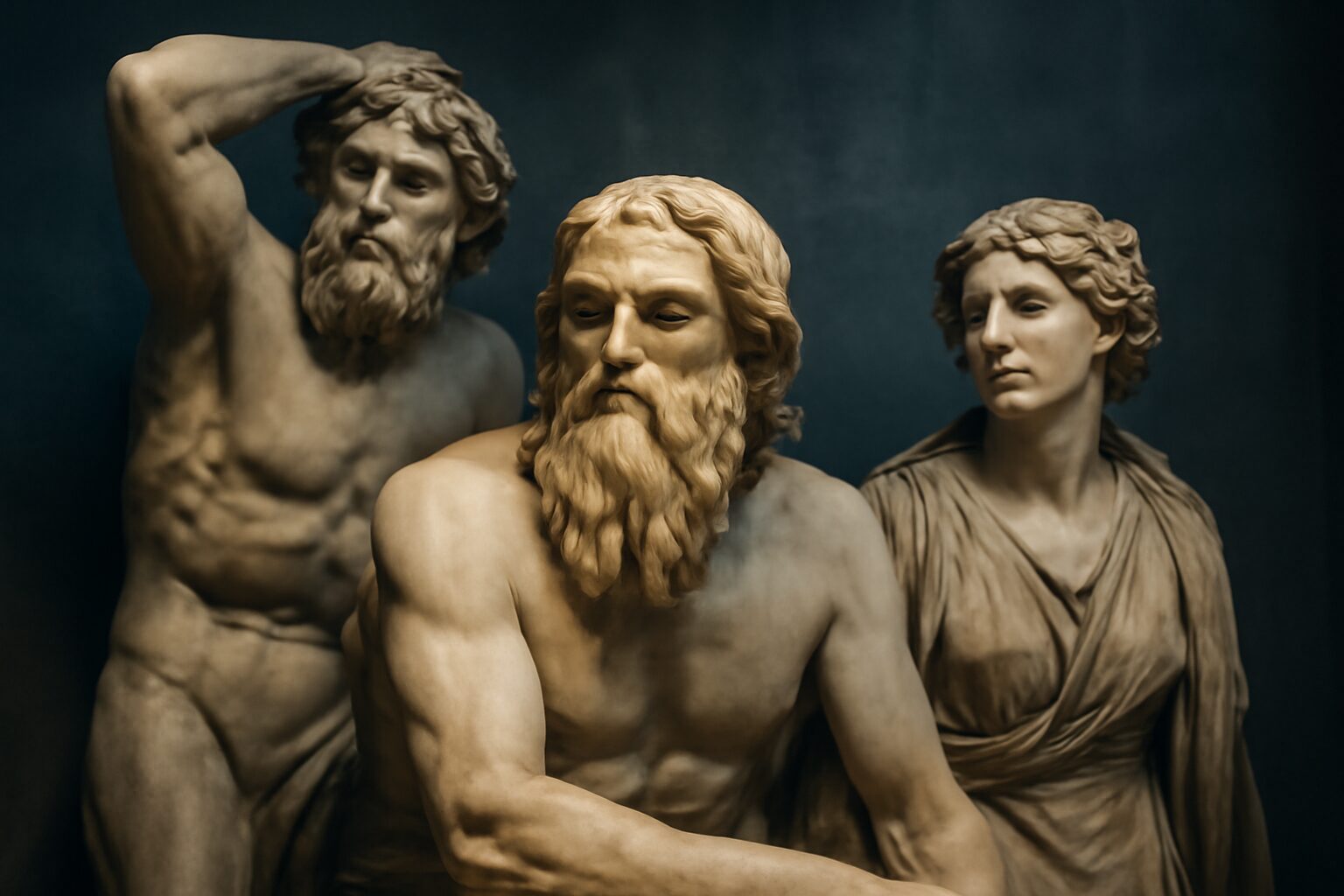

Merope: The Forgotten Pleiad
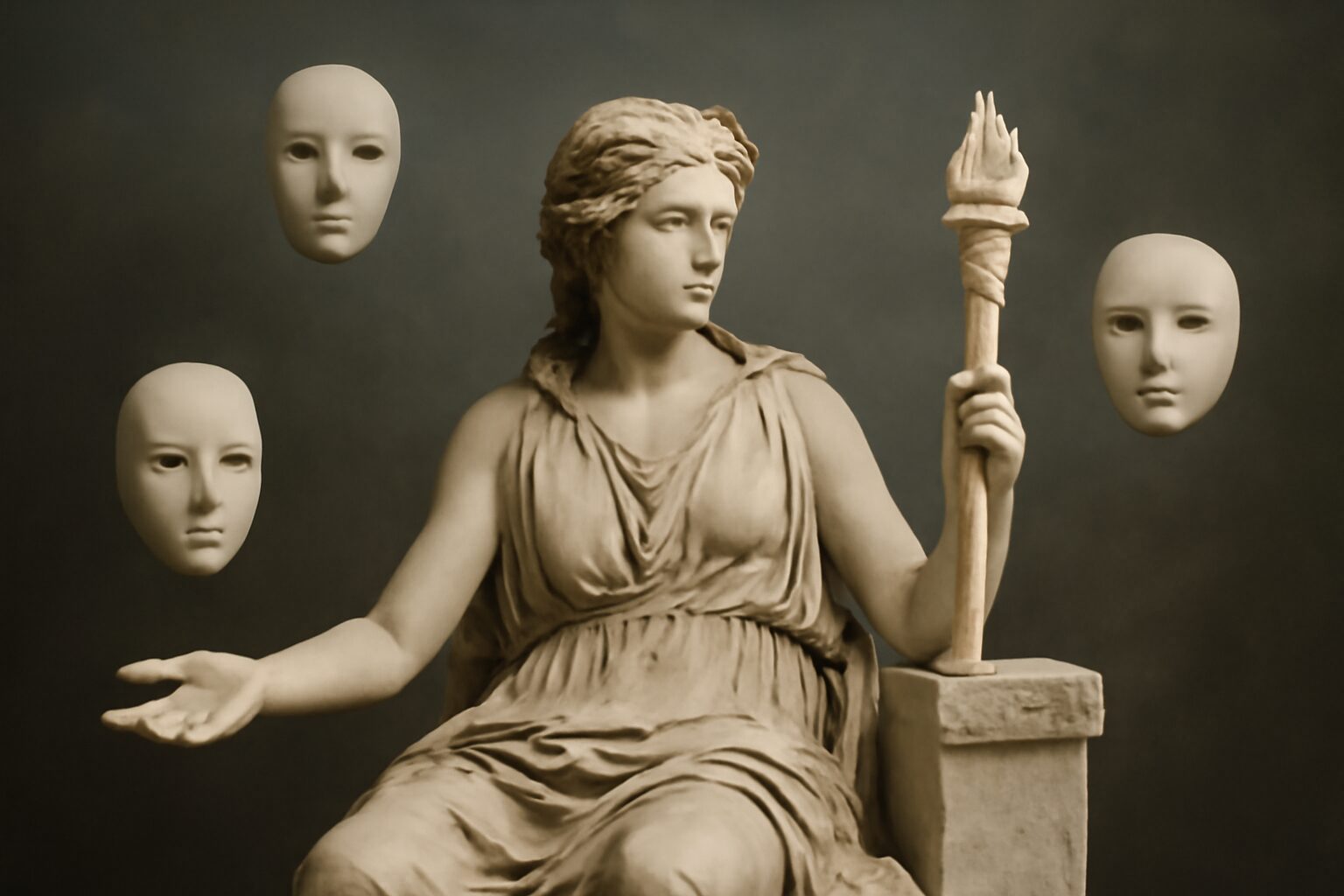
In Greek mythology, Merope stands as one of the seven Pleiades, the divine daughters of the Titan Atlas and the Oceanid Pleione. Though often overshadowed by her more famous sisters, Merope's story is one of tragedy, love, and celestial mystery.
The Shyest Star
Merope is unique among the Pleiades for her mortal marriage to Sisyphus, the cunning king of Corinth. While her sisters were pursued by gods—Maia by Zeus, Electra by Zeus, and Taygete by Zeus—Merope chose a mortal man. This union made her the only Pleiad to fade slightly in the night sky, as if dimmed by shame or sorrow. Ancient Greeks believed her star shone less brightly than her sisters' because of her earthly ties.
Mythological Significance
Merope's story intertwines with two major myths. First, as part of the Pleiades, she and her sisters were transformed into stars to escape the relentless pursuit of Orion. Second, her marriage to Sisyphus linked her to one of mythology's most famous punishments—her husband was condemned to eternally roll a boulder uphill in Tartarus for cheating death twice.
Some versions suggest Merope left the night sky entirely out of grief for Sisyphus's fate, while others claim she simply hides her face in the constellation, too modest to shine as brightly as her divine sisters.
Cultural Legacy
Merope's name means "mortal" or "eloquent," reflecting her dual nature as both a celestial being and a figure tied to human suffering. Her dim star (Merope in the Taurus constellation) has inspired poets and astronomers alike. In modern times, the Merope Nebula in the Pleiades cluster bears her name, ensuring her celestial presence endures.
Though often overlooked, Merope represents the poignant intersection of divine and mortal realms—a star who chose human love over eternal glory, paying the price in her diminished light.
Alternative Names for Merope
God Name: Merops (Greek)
An alternative name for Merope, used in some Greek myths, particularly in reference to her as the wife of Clymenus or the mother of Phaethon.
God Name: Aero (Greek)
In some interpretations, Merope is referred to as Aero, particularly in the context of her being one of the Pleiades, the seven sisters who were daughters of Atlas and Pleione.
God Name: Maia (Roman)
In Roman mythology, Merope is sometimes conflated with Maia, another of the Pleiades, due to overlapping attributes and stories. This is more of a syncretism than a direct alternative name.
Tales about Merope
Merope and the Healing of Orion
In the ancient tales, Merope was one of the seven Pleiades, daughters of the Titan Atlas. Her story intertwines with that of the mighty hunter Orion, who fell deeply in love with her. However, Orion was gravely wounded in a battle, his body broken and spirit fading. Desperate to save him, Merope sought the aid of Asclepius, the god of medicine and healing.
Asclepius, moved by Merope's devotion, used his divine skills to nurse Orion back to health. Under the watchful eyes of the stars, Orion recovered, his strength returning greater than before. This act of healing forged a bond between Merope and the celestial healer, symbolizing the power of love and restoration in the face of adversity.
Merope's Flight from Pursuit
Another legend tells of Merope's flight from the unwanted advances of the god Zeus. To escape his relentless pursuit, she sought refuge in the sacred groves of Artemis, goddess of the hunt and protector of maidens. Artemis, honoring Merope's plea for sanctuary, shrouded her in a veil of mist, rendering her invisible to Zeus.
In gratitude, Merope vowed to serve Artemis, becoming a guardian of the wild and a symbol of purity and resilience. This tale highlights the themes of autonomy and divine protection, showcasing Merope's strength in navigating the challenges posed by the gods.
Frequently Asked Questions
Who is Merope in Greek mythology?
Merope is one of the seven Pleiades, daughters of the Titan Atlas and the sea-nymph Pleione. She is a lesser-known sky deity associated with stars and celestial phenomena.
Why is Merope important among the Pleiades?
Merope stands out among her sisters because she was the only one to marry a mortal (Sisyphus), making her star appear dimmer in the Pleiades star cluster, according to myth.
What does Merope's story teach us?
Merope's tale often symbolizes humility or the consequences of choices, as her 'dimmed' star represents her 'fall' from divine status by marrying a mortal.
How is Merope connected to astronomy today?
The Pleiades star cluster (which includes Merope) remains visible to the naked eye, and her name is still used for one of its stars (Merope, or 23 Tauri).
What's the difference between Merope and other Pleiades?
Unlike her six sisters who were associated with gods or divine beings, Merope's connection to a mortal (Sisyphus) made her unique in Greek myths about the Pleiades.