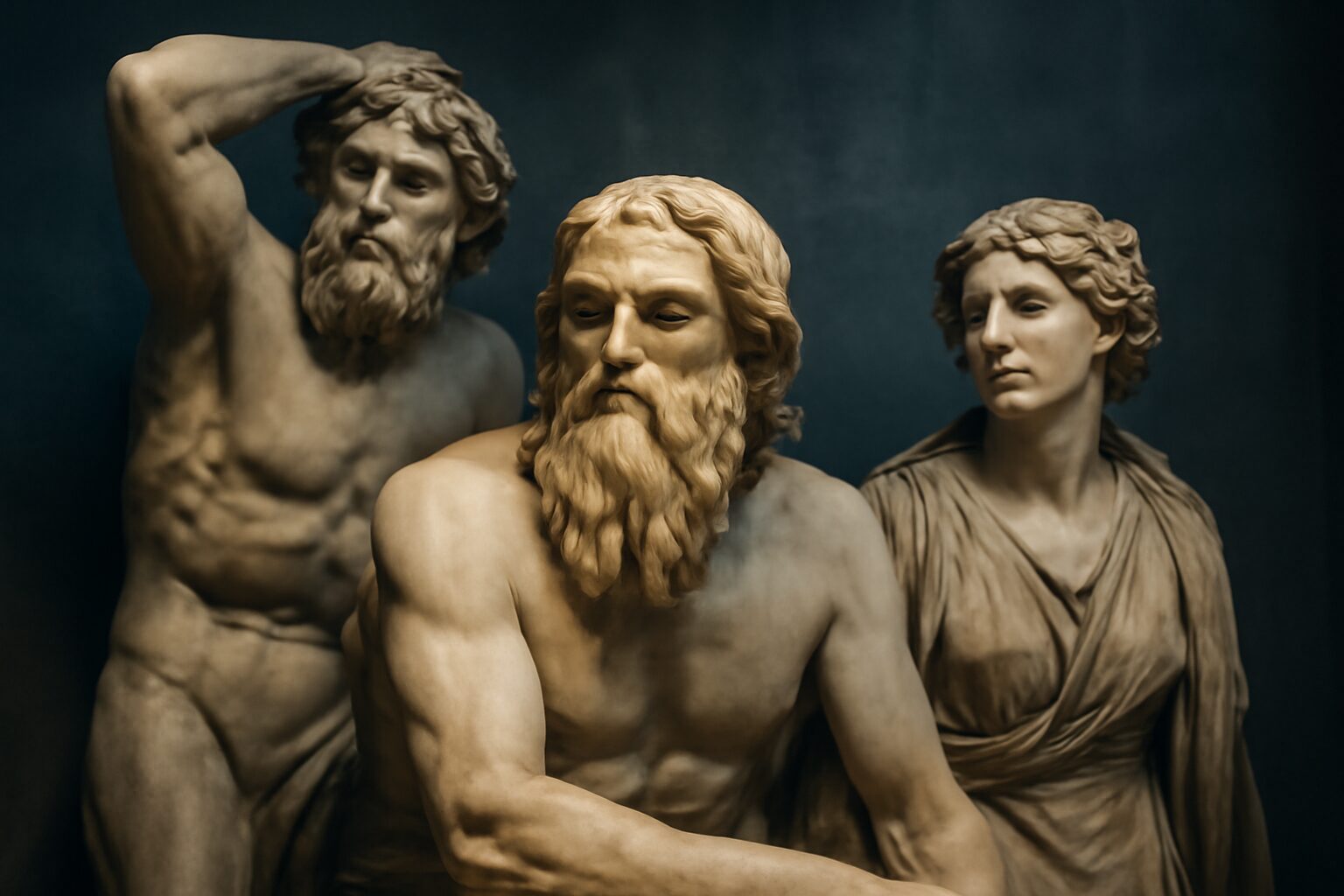

Koalemos: The Obscure God of Stupidity
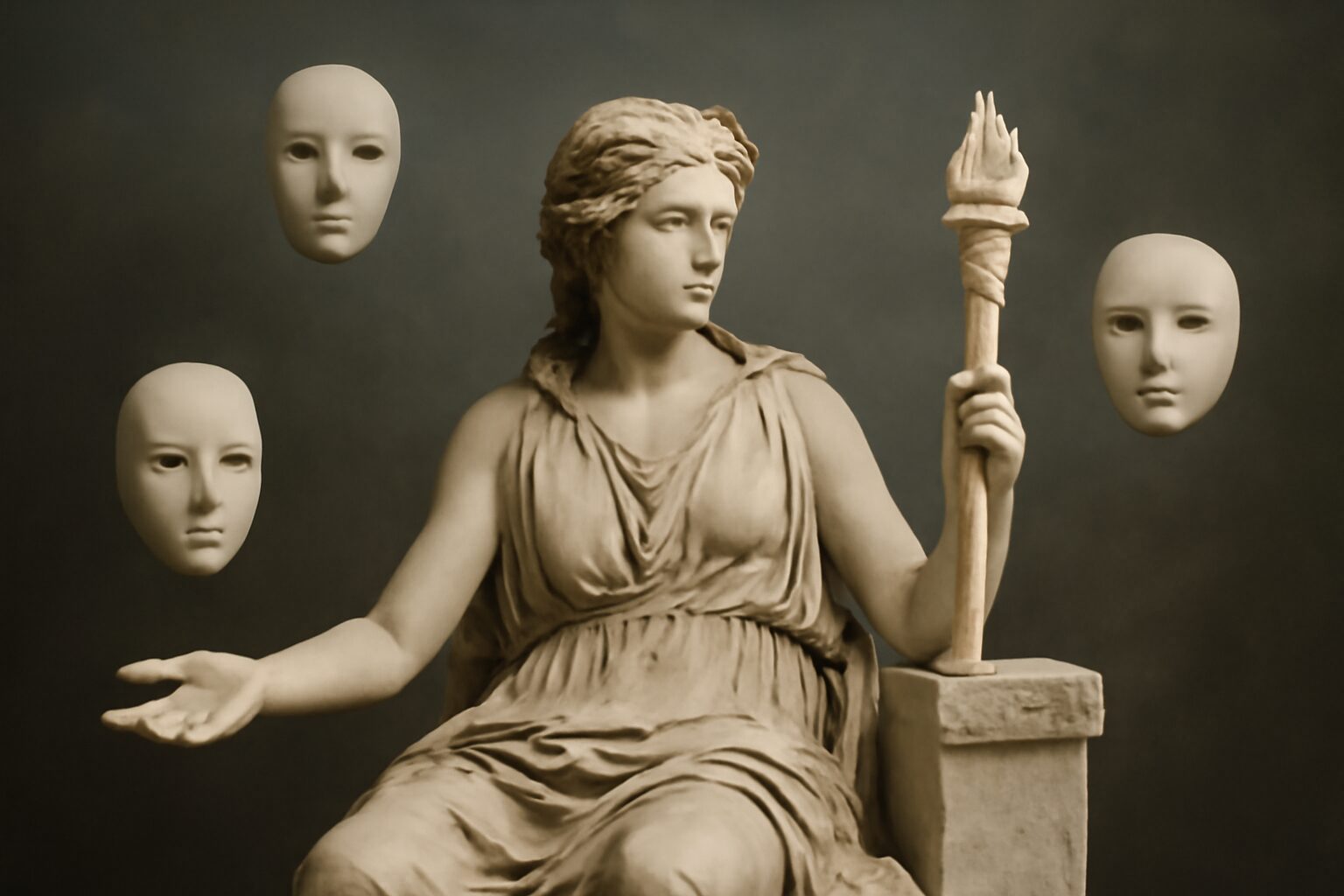
In the vast pantheon of Greek deities, Koalemos stands out as one of the most peculiar and lesser-known figures. Known as the personification of stupidity and foolishness, Koalemos represents the antithesis of wisdom and intellect, making him a fascinating, if not humorous, character in Greek mythology.
Mythology and Role
Unlike the major Olympian gods, Koalemos appears only briefly in ancient texts, most notably in Aristophanes' comedy The Birds. Here, he is mocked as a deity who thrives on human ignorance and folly. His name itself is thought to derive from the Greek word koalemos, meaning "stupidity" or "nonsense," reinforcing his role as the embodiment of foolishness.
Koalemos was not worshiped like other gods but served as a symbolic figure, often invoked to highlight the absurdity of human behavior. His presence in myths was more cautionary than celebratory, warning against the dangers of thoughtlessness and poor judgment.
Powers and Influence
As a minor deity, Koalemos had no grand temples or cults dedicated to him. Instead, his "power" lay in his ability to inspire foolishness in mortals. While gods like Athena championed wisdom and strategy, Koalemos represented the opposite—encouraging rash decisions, gullibility, and absurdity.
Some interpretations suggest that Koalemos was more of a literary device than an actual worshiped god, used by poets and playwrights to critique human folly. His influence was subtle but pervasive, as he symbolized the ever-present potential for irrationality in human nature.
Relationships and Significance
Koalemos had no notable relationships with other gods, as he existed on the fringes of Greek mythology. However, he can be seen as a counterpart to deities like Athena (goddess of wisdom) and Apollo (god of reason). Where they represented enlightenment, Koalemos embodied ignorance.
Despite his obscurity, Koalemos serves as an important reminder of the Greeks' understanding of human flaws. His presence in comedy and satire highlights how ancient Greeks used mythology not just to explain the world but also to mock and critique it.
Today, Koalemos remains a curious footnote in Greek mythology—a god who, ironically, might have been forgotten if not for the very foolishness he represented.
Alternative Names for Koalemos
God Name: Koalemos (Greek)
The primary Greek name for the god of stupidity and foolishness, mentioned in Aristophanes' plays.
God Name: Stultus (Roman)
A Roman equivalent or conceptual counterpart to Koalemos, representing foolishness or stupidity, though not directly attested in classical sources.
God Name: Moros (Greek)
Sometimes associated with foolishness or doom, though Moros is more broadly the personification of impending doom in Greek mythology.
Tales about Koalemos
Koalemos and Athena: The Fool's Challenge
In the golden age of Athens, Koalemos, the spirit of stupidity, grew envious of the wisdom radiating from the city's patron goddess, Athena. He devised a plan to challenge her to a contest of intellect, believing his foolishness could somehow outwit her divine knowledge.
Appearing before the Parthenon, Koalemos declared, "O Athena, I propose we settle whose influence is greater—your wisdom or my... inventive thinking!" Athena, amused by the absurdity, agreed to a debate. Koalemos began with nonsensical riddles and circular arguments, while Athena responded with eloquent logic that illuminated truth. The more Koalemos spoke, the more his words tangled into foolish contradictions, until he accidentally argued himself into a corner and tripped over his own feet. Laughter echoed through the agora as Athena simply smiled, saying, "Stupidity often defeats itself without any help from wisdom."
Moral of the Story
This tale reminds us that arrogance without substance leads only to self-defeat, and true wisdom needs no effort to overshadow folly.
Koalemos and Hermes: The Misguided Message
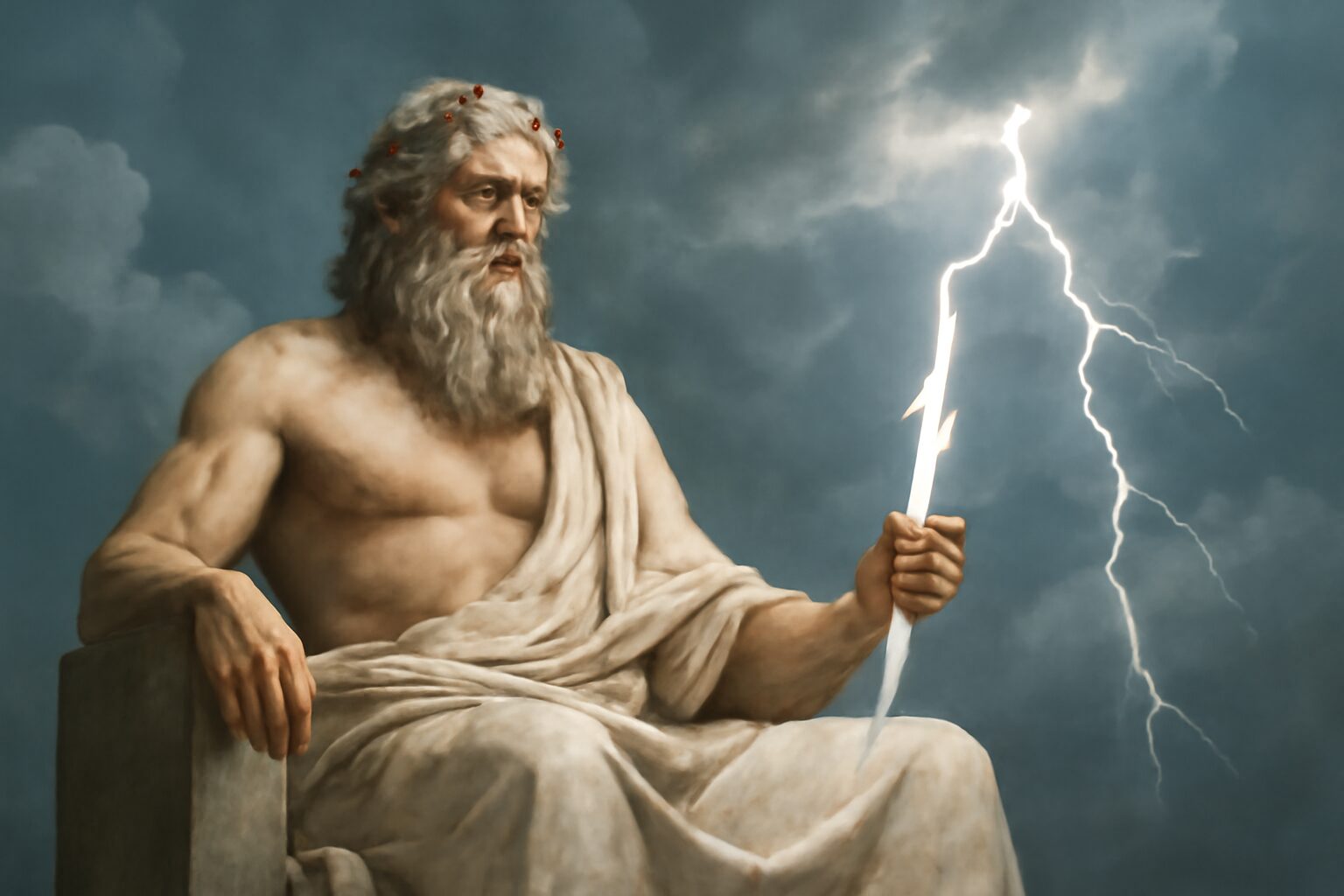
One chaotic morning on Mount Olympus, Hermes, the messenger god, was tasked with delivering urgent decrees from Zeus to the mortal realm. Koalemos, ever the trickster of thought, saw an opportunity to cause delightful confusion. He intercepted Hermes and offered to "help" by organizing the scrolls for delivery.
Unbeknownst to Hermes, Koalemos swapped the messages—sending a recipe for ambrosia to the king of Sparta and a declaration of war to a baker in Corinth. Chaos erupted below: armies mobilized past pastry shops, and chefs attempted diplomatic negotiations. When Hermes discovered the folly, he chased Koalemos through the clouds, but the spirit of stupidity merely giggled, "Messages are more fun when they don't make sense!" Hermes, though frustrated, later admitted the mix-up led to a day of unexpected humor and even a few unlikely alliances.
Moral of the Story
Even foolishness can occasionally bring about unexpected outcomes, though it's best left to the wise to handle important matters.
Frequently Asked Questions
Who is Koalemos in Greek mythology?
Koalemos is the Greek daimon (spirit) personifying stupidity and foolishness. He represents the concept of being senseless or lacking wisdom, often used as a symbolic figure in myths and stories.
What is the significance of Koalemos in Greek culture?
Koalemos served as a cautionary figure in Greek culture, reminding people of the dangers of ignorance and foolishness. His presence in myths highlighted the value the Greeks placed on wisdom and intelligence.
Are there any myths or stories featuring Koalemos?
Koalemos is not prominently featured in major myths like other gods or spirits, but he appears in some lesser-known stories and proverbs as a symbol of foolishness, often contrasted with wiser figures like Athena or Apollo.
How does the concept of Koalemos apply to modern life?
The idea of Koalemos can still be relevant today as a metaphor for thoughtless behavior or poor decision-making. He serves as a reminder to seek knowledge and avoid acting impulsively or without reason.
What are daimones in Greek mythology?
Daimones (or daemons) in Greek mythology are minor deities or spirits that personify abstract concepts, emotions, or forces of nature. They are not major gods but play symbolic roles, like Koalemos representing foolishness or Nike representing victory.