Comus (Komos): The God of Revelry and Festivity
In Greek mythology, Comus (or Komos) is the divine personification of festivity, merrymaking, and drunken revelry. Often depicted as a youthful, joyful figure, Comus embodies the spirit of celebration, particularly the wild, uninhibited parties that followed religious festivals. His name derives from the Greek word kōmos, meaning "revel" or "carouse," reflecting his association with communal joy and excess.
Mythology and Role
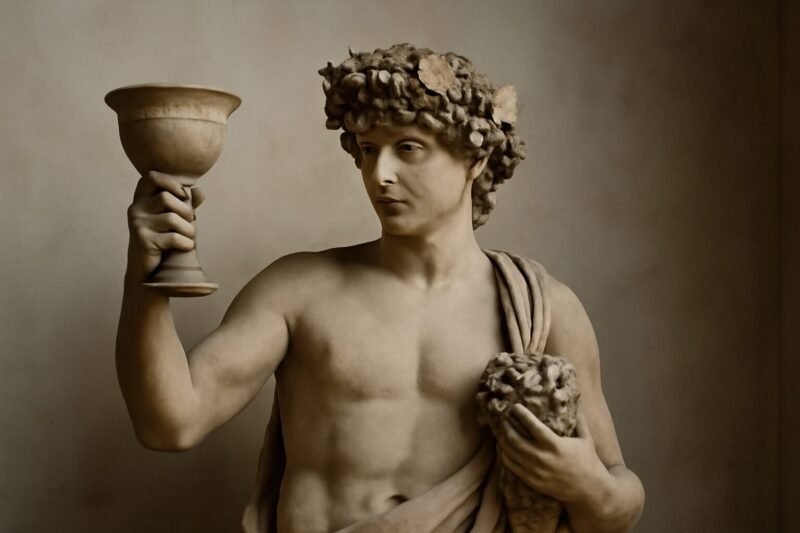
Unlike many Olympian gods, Comus is a lesser-known deity, often considered a companion or attendant to Dionysus, the god of wine and ecstasy. While Dionysus presided over the spiritual and transformative aspects of intoxication, Comus represented the physical and social pleasures of feasting and dancing. He was said to lead processions of revelers, musicians, and dancers through the streets, encouraging unrestrained enjoyment.
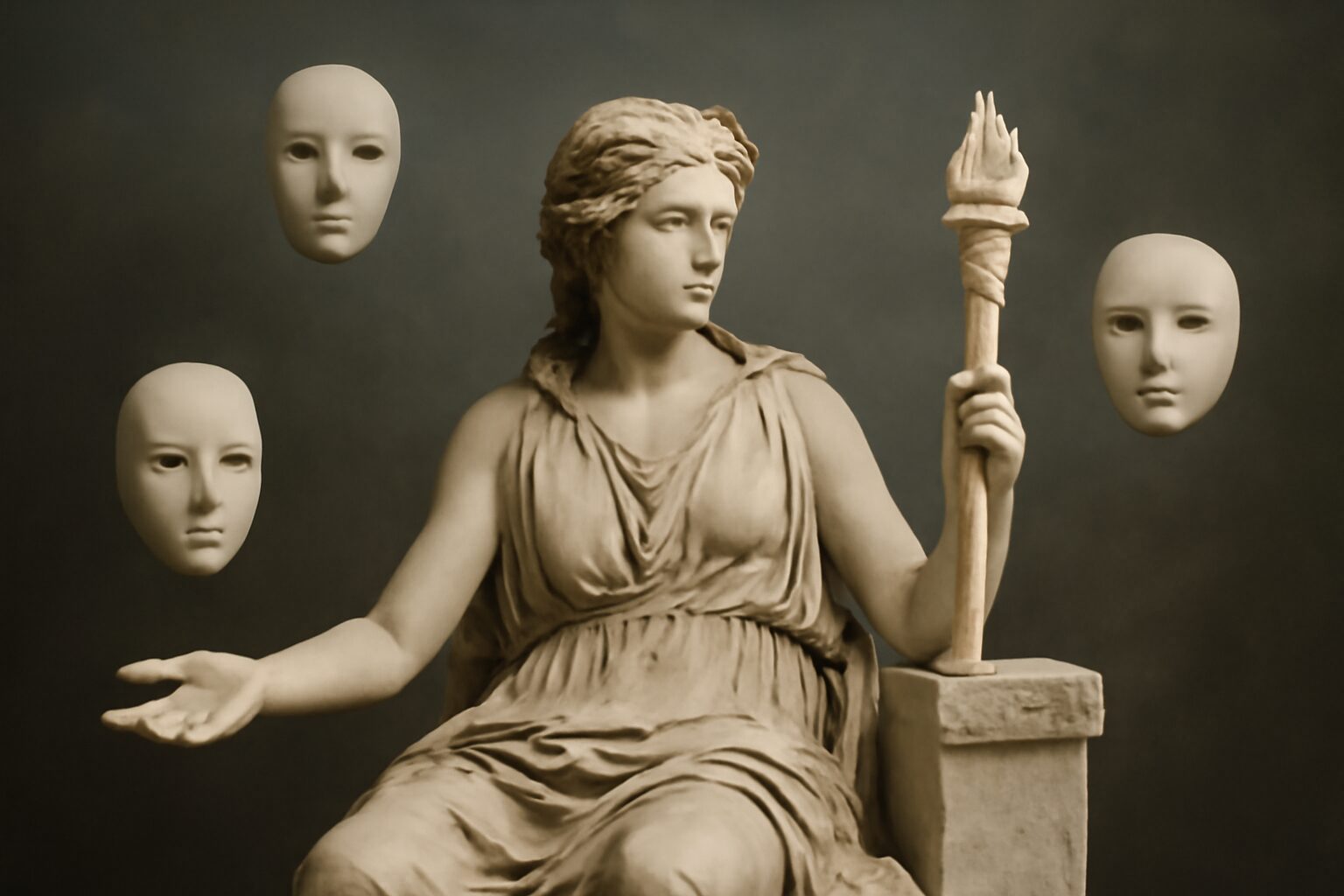
Comus appears in various artistic depictions, usually holding a torch or a drinking cup, symbolizing the light of celebration and the intoxicating effects of wine. His presence was believed to bring laughter, music, and a temporary escape from daily hardships.
Powers and Influence
Comus had the power to inspire joy and abandon in mortals, often blurring the lines between order and chaos. His influence was strongest during nighttime festivities, where social norms relaxed, and people embraced freedom and pleasure. Though not a destructive force, his unchecked revelry could sometimes lead to excess, embodying the dual nature of celebration—both liberating and potentially overwhelming.
In some traditions, Comus was also associated with dreams and illusions, as the euphoria of festivities could distort perception, making the ordinary seem magical.
Relationships and Worship
Comus was closely linked to Dionysus and his retinue, including satyrs, nymphs, and maenads. He was sometimes considered the son of Dionysus or Hermes, though his origins remain ambiguous. His worship was informal, with no major temples dedicated to him. Instead, he was honored through spontaneous celebrations, particularly during Dionysian festivals like the Anthesteria.
In later Roman and Renaissance interpretations, Comus became a symbol of poetic inspiration and artistic license, appearing in works like John Milton's masque Comus, where he represents temptation and the allure of sensual pleasure.
Legacy and Significance
Though not a central figure in Greek mythology, Comus played an important role in cultural traditions, embodying the human desire for joy and connection. His legacy endures in modern celebrations, where the spirit of revelry he represents continues to thrive. Whether in ancient Greece or contemporary festivities, Comus reminds us of the timeless power of music, dance, and shared merriment.
Alternative Names for Comus (Komos)
God Name: Comus (Roman)
The Roman equivalent of the Greek Komos, representing revelry, festivity, and merrymaking. The name is directly derived from the Greek but adapted into Roman mythology.
God Name: Komos (Greek)
The original Greek name, representing the spirit of festivity, drunken revelry, and nocturnal merrymaking. Often associated with Dionysian celebrations.
God Name: Ku014dmos (Greek)
An alternative transliteration of the Greek name Komos, emphasizing the original Greek pronunciation and spelling.
Tales about Comus (Komos)
The Revelry of Comus and Dionysus
One twilight, as the stars began to shimmer, Comus heard the distant sound of flutes and laughter echoing through the forests of Thrace. Following the joyous noise, he stumbled upon a grand procession led by none other than Dionysus, the god of wine and ecstasy. Dionysus, with his thyrsus held high, invited Comus to join his band of maenads and satyrs in a celebration of life’s pleasures.
Comus, ever the spirit of festivity, needed no second invitation. He wove through the crowd, his presence amplifying the merriment, encouraging even the most reserved nymphs to dance with abandon. Together, Comus and Dionysus orchestrated a night of unparalleled revelry, where wine flowed like rivers and laughter echoed under the moonlight. It is said that those who witnessed their collaboration were blessed with a year of joy and freedom from sorrow.
During the festivities, Corymbus, the god of ivy fruit, adorned the revelers with garlands, while Pandaisia, the spirit of banquets, ensured the feasting never ceased. Krotos, known for his love of music and hunting, beat rhythms on his drum, and Pannychis, the goddess of night-long festivals, extended the celebration until dawn.
Comus and the Healing Touch of Asclepius
During a time when a mysterious malaise had settled over a small village, leaving its inhabitants listless and joyless, Comus observed their suffering with a heavy heart. Knowing that merriment alone could not cure their ailment, he sought the aid of Asclepius, the god of medicine and healing.
Asclepius, with his wise serpent-entwined staff, diagnosed the villagers’ condition as a sickness of the spirit, brought on by prolonged hardship. He prescribed remedies of rest and herbal tonics, while Comus complemented the healing with gentle music, playful dances, and lighthearted games. The combination of Asclepius’s medicinal expertise and Comus’s uplifting presence worked wonders. Within days, the villagers’ vigor returned, their hearts lightened by the dual blessings of health and happiness.
To aid the recovery, Hypate, the muse of musical harmony, tuned her lyre to soothe troubled minds, and Pherousa, a rustic deity of bearing fruit, provided nourishing harvests. Prophasis, the personification of excuse, helped villagers release their guilt, and Hegemone, a grace of mastery, empowered them to reclaim their daily lives with confidence.
Frequently Asked Questions
Who is Comus in Greek mythology?
Comus (or Komos) is a lesser-known Greek deity associated with revelry, festivity, and merrymaking. He represents the spirit of celebration, often linked to drunkenness and the joyous chaos of parties in rustic or rural settings.
What is the significance of Comus in Greek culture?
Comus symbolizes the uninhibited joy and freedom found in celebrations, particularly in rural or Dionysian festivals. He highlights the importance of communal bonding, relaxation, and the temporary escape from daily life through music, dance, and wine.
How is Comus different from Dionysus?
While both Comus and Dionysus are linked to revelry, Dionysus is a major Olympian god associated with wine, ecstasy, and theater. Comus is a more rustic, minor deity embodying the chaotic and playful spirit of celebrations, often seen as a companion or attendant to Dionysus.
Are there any myths or stories about Comus?
Comus appears in few surviving Greek myths, but he is often depicted in art and literature as a youthful, tipsy figure leading processions of revelers. Later, in Renaissance and English literature, he was reimagined as a symbol of temptation and excess.
Why might Comus be relevant today?
Comus represents timeless human themes like celebration, community, and the balance between order and chaos. His spirit can be seen in modern festivals, parties, and cultural events where people come together to enjoy life and temporarily set aside their worries.