Pothos: The God of Longing and Desire
In Greek mythology, Pothos (Greek: Πόθος) personifies longing, yearning, and desire, particularly the kind of passionate, unfulfilled love that leaves hearts aching. As one of the winged Erotes—minor deities associated with love and desire—Pothos embodies the bittersweet nature of love that is just out of reach.
Mythology and Role
Pothos is often depicted alongside his brothers Eros (god of love) and Himeros (god of sexual desire), serving as attendants to Aphrodite, the goddess of love. While Eros represents fulfilled love and Himeros embodies immediate passion, Pothos symbolizes the aching desire that lingers when love is unattainable or lost. His presence is felt in stories of unrequited love, longing for the departed, and the deep yearning that fuels poets and lovers alike.
Depictions and Symbolism
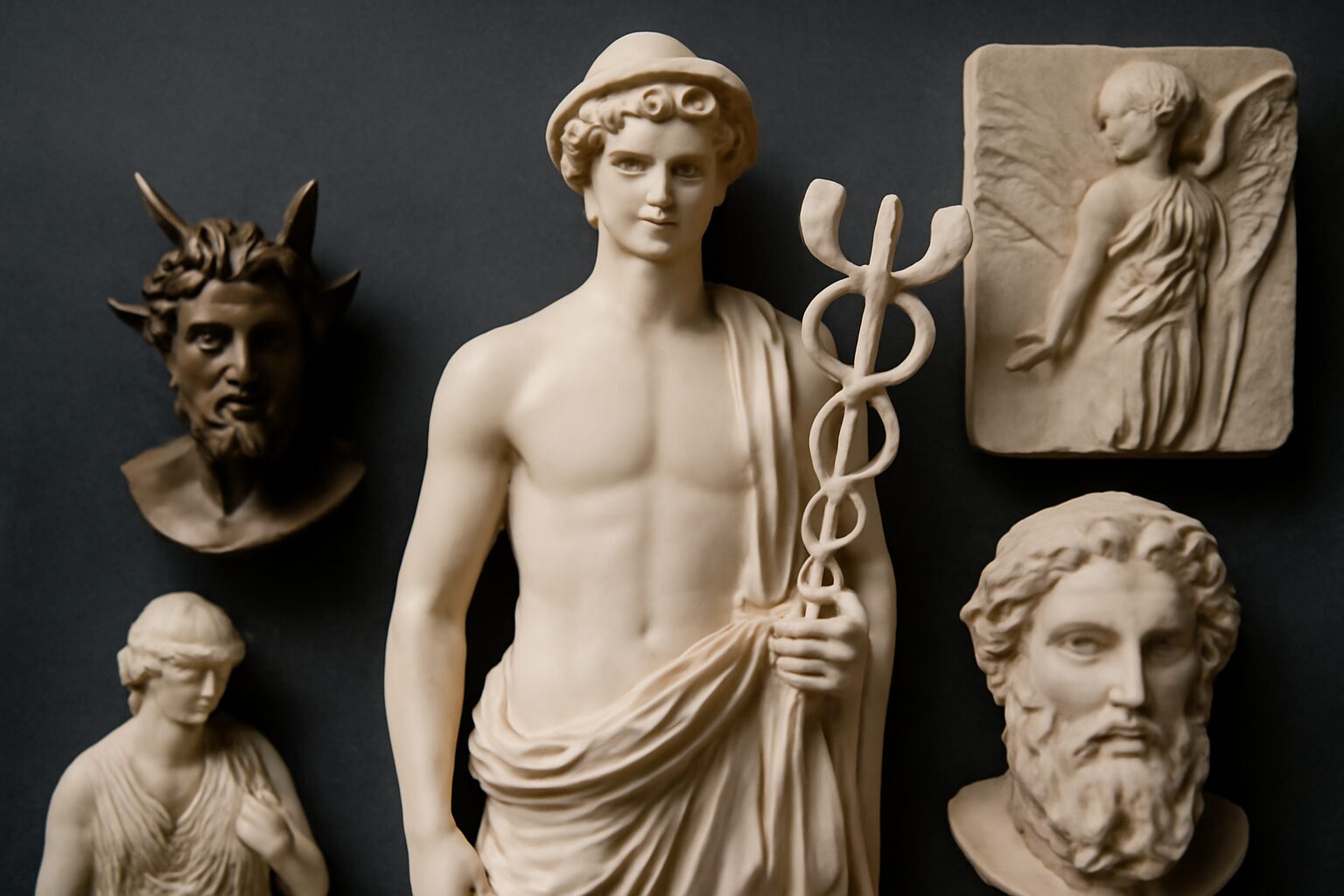
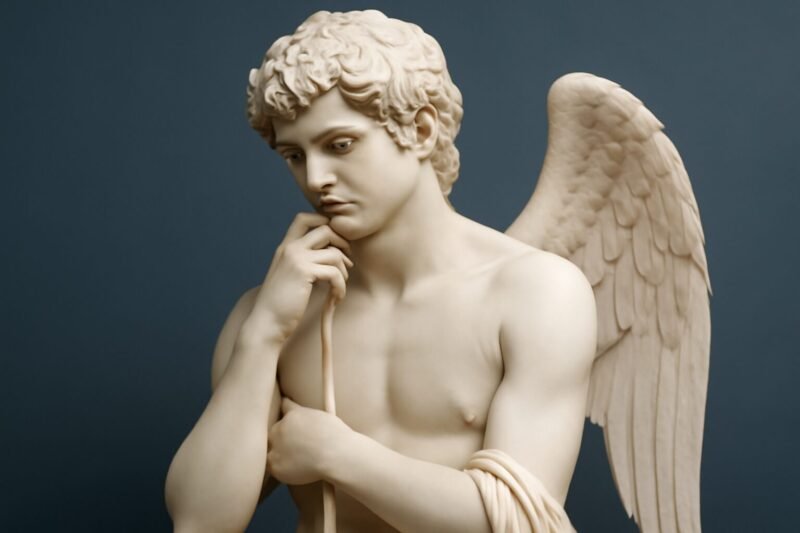
In art, Pothos is usually portrayed as a handsome, youthful figure with delicate wings, often holding a vine or a flower, symbols of fleeting beauty and desire. Some depictions show him gazing wistfully into the distance, emphasizing his role as the embodiment of longing. He is sometimes confused with Eros, but while Eros wields a bow to inspire love, Pothos carries no weapon—his power lies in the absence of fulfillment.
Relationships and Worship
Pothos was closely associated with Aphrodite and often appeared in her retinue. Some myths suggest he was born from her tears, reinforcing his connection to sorrowful love. Though not as widely worshiped as major Olympians, Pothos had a presence in love poetry and was invoked by those suffering from unrequited passion. His Roman counterpart, Pothus, held a similar role but was less prominent in mythology.
Legacy and Influence
The concept of Pothos has endured beyond ancient Greece, influencing literature, philosophy, and psychology. The term pothos is still used today to describe an intense, melancholic longing—whether for a lost love, a distant homeland, or an unattainable ideal. His myth reminds us that desire is not always about possession, but sometimes about the beauty and pain of what remains just beyond our grasp.
Alternative Names for Pothos
God Name: Pothus (Roman)
Pothus is the Roman equivalent of the Greek god Pothos, representing longing and desire. The Romans often adopted Greek deities with slight name alterations.
God Name: Himeros (Greek)
Himeros is closely associated with Pothos in Greek mythology, both representing forms of desire. Himeros specifically symbolizes unrequited love or yearning, often depicted alongside Pothos in art and literature.
God Name: Eros (Greek)
Eros, the god of love, is sometimes conflated with Pothos in broader interpretations of desire. While Eros represents passionate love, Pothos embodies longing, but their domains overlap in mythological contexts.
Tales about Pothos
The Unquenchable Longing of Pothos for Aphrodite
In the golden halls of Olympus, Pothos, the spirit of yearning, found himself perpetually drawn to the radiant presence of Aphrodite, the goddess of love and beauty. His essence, a swirling mist of desire and unfulfilled dreams, seemed to intensify whenever she was near. He would linger at the edges of her gatherings, his form shimmering with an ache that even the gods could not comprehend.
A Divine Obsession
One evening, as Aphrodite reclined amidst a bed of roses, her laughter like chimes in the breeze, Pothos dared to approach. "Mighty Aphrodite," he whispered, his voice a sigh of longing, "grant me but a moment of your affection, that I might know the fulfillment my nature denies me."
Aphrodite, with a knowing smile, replied, "Dear Pothos, you are desire itself—to grant your wish would be to extinguish your very being. You are meant to yearn, not to possess." And though her words were gentle, they carved a deeper chasm within him. From that day, Pothos became both her devoted attendant and her eternal supplicant, a testament to the bittersweet truth that some longings are never meant to be satisfied.
Pothos and the Elusive Chase of Zephyrus
Across the meadows and through the forests, Pothos once pursued Zephyrus, the gentle west wind, whose breezes carried the scent of blooming flowers and distant lands. Pothos, embodied by an insatiable need to grasp what was always just beyond reach, saw in Zephyrus the ultimate symbol of freedom and fleeting beauty.
The Chase That Defined Them
Zephyrus, ever playful, would weave through the clouds, leaving trails of blossoms in his wake, while Pothos followed, his form a shimmering haze of desperation and hope. "Why do you flee from me?" Pothos would cry out, his voice carried away by the very winds he sought to capture.
Zephyrus would laugh, a sound like rustling leaves, and reply, "I am the wind, dear Pothos—I cannot be held, only felt. And you, spirit of longing, are meant to chase, not to catch." Their eternal dance became a legend among the nymphs, a story of desire that fuels pursuit but never attainment, reminding all that the essence of some things lies in their elusiveness.
Frequently Asked Questions
Who is Pothos in Greek mythology?
Pothos is the Greek god of longing, yearning, and desire, particularly in the context of love. He is one of the Erotes, a group of winged love deities, and is often associated with unfulfilled or unrequited love.
What are daimones in Greek mythology?
Daimones (or daemons) are spirits or minor deities in Greek mythology that personify human emotions, actions, or aspects of life. They are not gods but supernatural beings that influence human experiences, such as love, strife, or justice.
Why are personifications important in Greek mythology?
Personifications in Greek mythology help explain abstract concepts like emotions, natural forces, and moral ideals by giving them human-like forms and stories. This made these ideas more relatable and easier to understand in the context of ancient Greek culture.
How does Pothos relate to modern ideas about love?
Pothos represents the universal human experience of longing and unfulfilled desire, which remains relevant today. His myth reflects how people still grapple with yearning, passion, and the pain of unrequited love in contemporary relationships.
What can we learn from Greek personification spirits?
These spirits teach us how ancient Greeks understood and explained human experiences. By attributing emotions and concepts to divine beings, they acknowledged the power these forces have over human lives, similar to how modern psychology studies emotions and behaviors.