
Pasithea: The Graceful Goddess of Relaxation
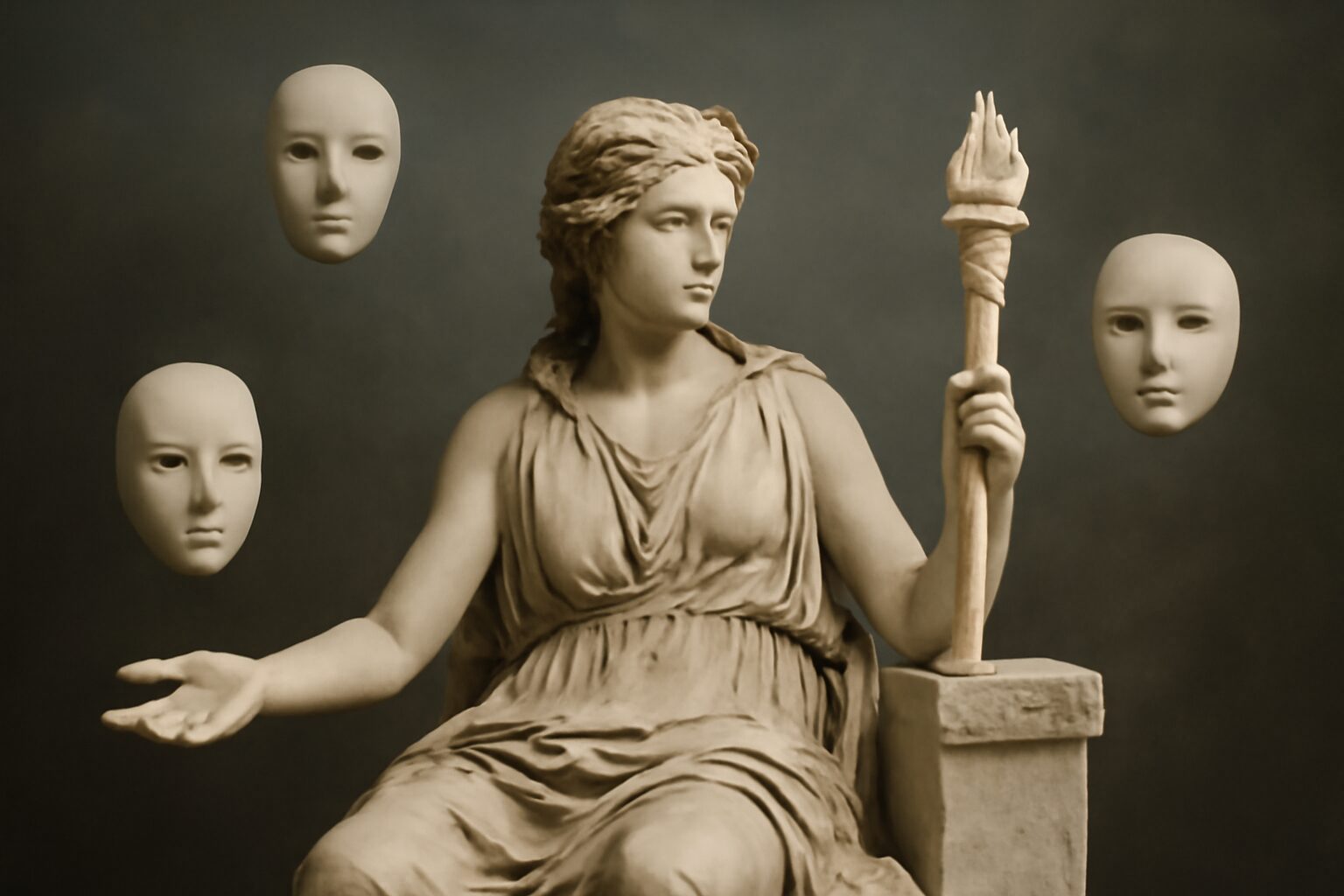
In the rich tapestry of Greek mythology, Pasithea stands as one of the lesser-known but fascinating deities. She is one of the Charites (Graces), the goddesses of charm, beauty, and creativity, who brought joy and refinement to both gods and mortals. Pasithea’s domain, however, was uniquely specialized—she presided over relaxation, rest, and hallucination, making her a deity of soothing influence in the often tumultuous world of Greek myth.
Mythology and Role
Pasithea is most famously mentioned in Homer’s Iliad, where she plays a pivotal role in the divine intrigues of Mount Olympus. Hera, the queen of the gods, promises Pasithea in marriage to Hypnos, the god of sleep, in exchange for his help in lulling Zeus into a deep slumber. This alliance between Pasithea and Hypnos symbolizes the natural pairing of relaxation and sleep, reinforcing her role as a bringer of calm and tranquility.
As one of the younger Charites, Pasithea was often associated with the gentler aspects of life. While her sisters—typically Aglaea (Splendor), Euphrosyne (Mirth), and Thalia (Good Cheer)—represented more overtly joyful qualities, Pasithea embodied the quiet, restorative power of rest. Some interpretations even link her to the euphoric states induced by dreams or divine visions, highlighting her connection to altered states of consciousness.
Powers and Significance
Pasithea’s abilities centered on soothing the mind and body. She could bestow peaceful rest, ease anxiety, and even induce pleasant hallucinations, making her a sought-after figure for those burdened by stress or sleeplessness. In a world where gods and mortals alike faced constant strife, her influence provided a necessary counterbalance.
Her marriage to Hypnos further cemented her importance in Greek cosmology. Together, they represented the essential cycle of wakefulness and rest, ensuring that both gods and humans could recover from their labors. This partnership also underscored the Greeks’ appreciation for the healing power of sleep, which they viewed as a divine gift.
Legacy and Worship
Though Pasithea was not as widely worshiped as some Olympian deities, her presence was felt in rituals and prayers for restful sleep and mental clarity. She was sometimes invoked alongside Hypnos in bedtime prayers, and her name was whispered by those seeking relief from insomnia or distress.
Today, Pasithea’s legacy endures as a symbol of the vital need for relaxation and mental well-being. In a modern context, she might be seen as an ancient patroness of self-care, reminding us of the timeless importance of rest in a busy world.
Alternative Names for Pasithea
God Name: Pasithea (Greek)
The primary Greek name of the goddess, associated with relaxation, rest, and hallucination. She is one of the Charites (Graces) and is mentioned in Homer's Iliad as the wife of Hypnos, the god of sleep.
God Name: Pasithea (Roman)
The Romans adopted the Greek name Pasithea directly, as they often did with minor deities. She retained her association with rest and relaxation in Roman mythology, though she is less prominently featured than in Greek texts.
God Name: Charis (Greek)
Sometimes Pasithea is referred to as one of the Charites (Graces), collectively known as Charis. This is a broader term encompassing the goddesses of charm, beauty, and creativity, with Pasithea representing specific aspects like rest and hallucination.
God Name: Thalia (Greek)
In some interpretations, Pasithea is conflated with Thalia, another Grace associated with festivity and rich banquets. This overlap occurs due to the varying lists of Charites in different ancient sources.
Tales about Pasithea
Pasithea and Hypnos: The Gift of Restful Slumber
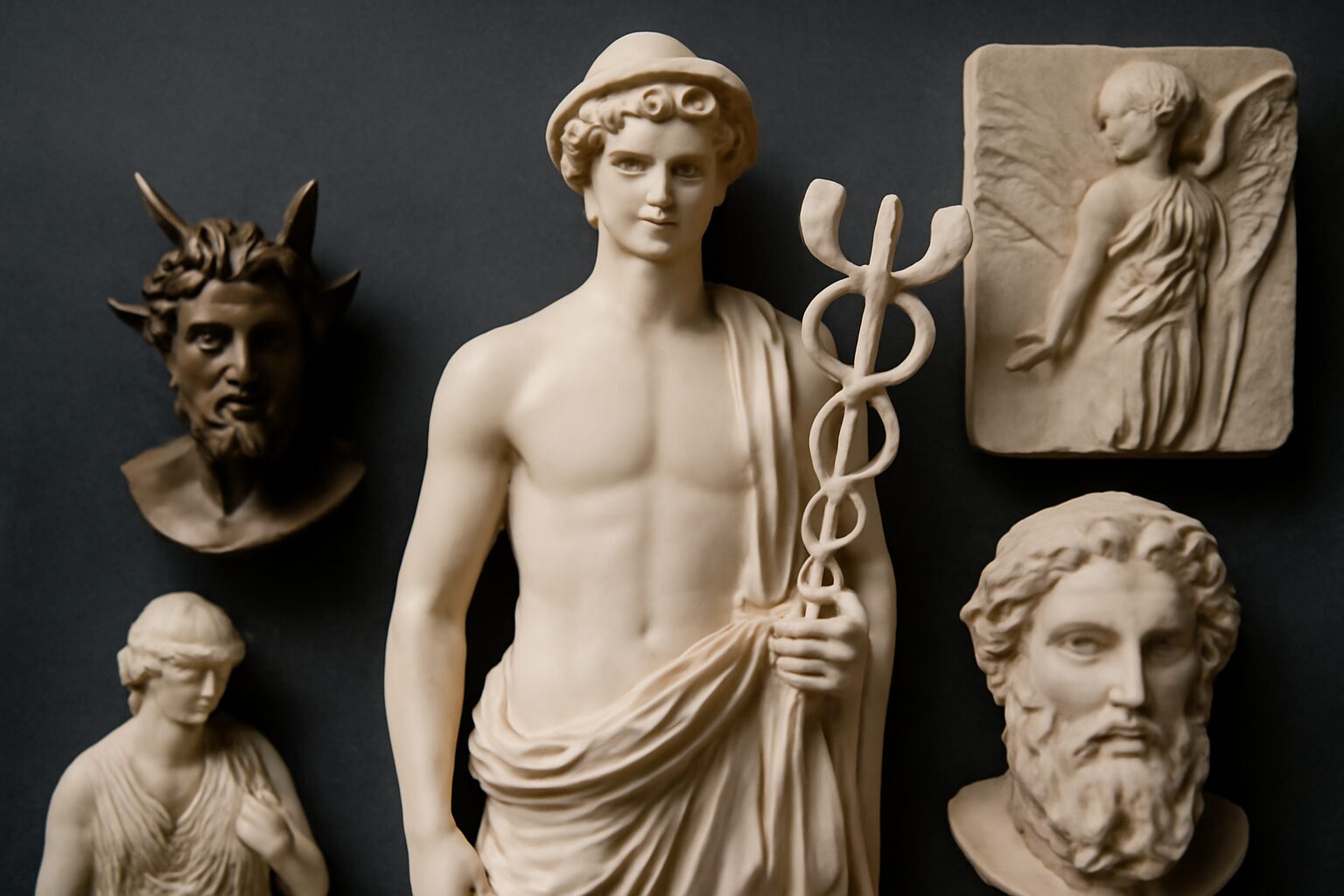
In the quiet hours when moonlight bathed the world, Hypnos, the gentle god of sleep, watched over weary mortals. Yet he himself felt a profound loneliness, drifting through dreams without a companion to share the peace he bestowed. He appealed to Zeus, king of the gods, for a partner who could embody the serenity of rest.
Zeus, moved by Hypnos’s plea, turned to the Charites, the Graces, and chose Pasithea, whose domain was relaxation and meditation. Her presence was like a calming balm, and she was gifted to Hypnos as his divine bride. Together, they wove dreams of tranquility, with Pasithea adding hues of calm and rejuvenation to the tapestry of sleep. Their union became a symbol of harmony, where rest was not merely an absence of wakefulness but a state of blissful repose.
Key Elements of the Story:
- Hypnos’s Loneliness: The god of sleep seeks companionship.
- Zeus’s Intervention: The king of gods grants Pasithea to Hypnos.
- Pasithea’s Role: She enhances sleep with meditation and calm.
Pasithea and Hera: A Pact of Divine Deception
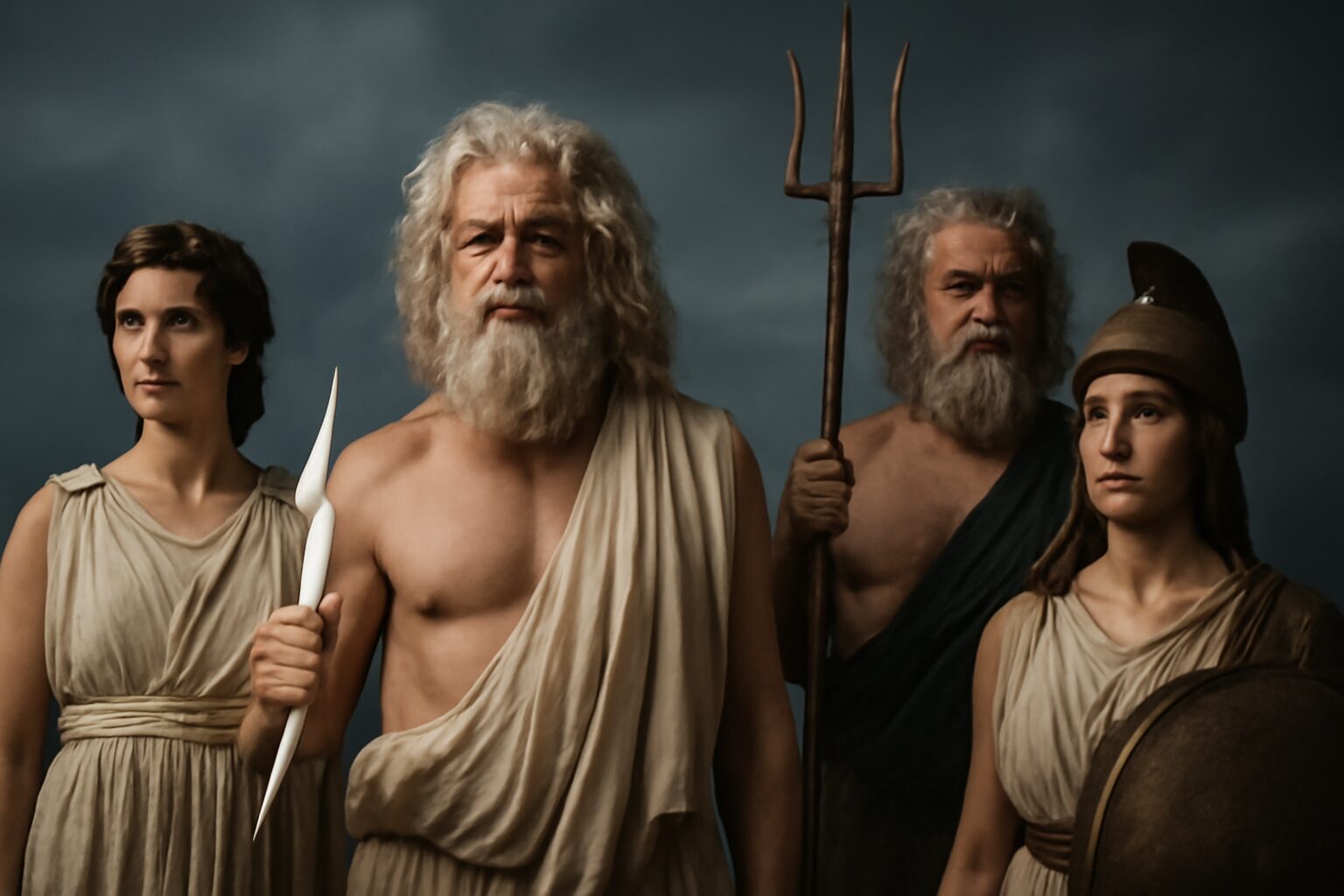
During the Trojan War, Hera, queen of the gods, devised a plan to distract Zeus and sway the war’s outcome in favor of the Greeks. She knew that only Hypnos could lull Zeus into a deep slumber, but he had previously refused her, fearing Zeus’s wrath.
Hera approached Hypnos with an irresistible offer: the hand of Pasithea, the most graceful of the Charites, in marriage. Pasithea, whose essence was tied to soothing rest, became the prize for Hypnos’s cooperation. He agreed, and with Pasithea’s influence, he enveloped Zeus in a sleep so profound that the tides of war shifted. This story highlights Pasithea’s value as a divine incentive, showcasing her association with desirable tranquility and the lengths to which gods would go to obtain her blessings.
Key Elements of the Story:
- Hera’s Cunning: The queen of gods seeks to manipulate Zeus.
- Hypnos’s Reluctance: Initially hesitant due to fear of Zeus.
- Pasithea as a Reward: Her hand in marriage ensures Hypnos’s aid.
Frequently Asked Questions
Who is Pasithea in Greek mythology?
Pasithea is a lesser-known Greek goddess associated with relaxation, rest, and hallucination. She is one of the Charites (Graces) and is often linked to sleep and dreams, sometimes considered the wife of Hypnos, the god of sleep.
Why is Pasithea important in Greek mythology?
Pasithea represents the calming and restorative aspects of life, such as relaxation and peaceful sleep. Her role highlights the ancient Greeks' appreciation for balance, emphasizing the need for rest alongside activity and work.
What can we learn from Pasithea's story?
Pasithea's connection to rest and relaxation teaches the importance of self-care and mental well-being. Her mythology reminds us that tranquility and downtime are essential for a balanced and healthy life.
How does Pasithea's role apply to modern life?
Today, Pasithea's symbolism can be seen in practices like mindfulness, meditation, and the emphasis on quality sleep. Her ancient role aligns with modern understanding of the need for relaxation to maintain physical and mental health.
Are there any myths or stories about Pasithea?
Pasithea appears briefly in Greek myths, often in connection with Hypnos. One notable mention is in Homer's 'Iliad,' where Hera promises Pasithea to Hypnos in exchange for his help in tricking Zeus, showcasing her as a divine figure of allure and rest.