Mylas: The Lesser-Known Deity of Greek Mythology
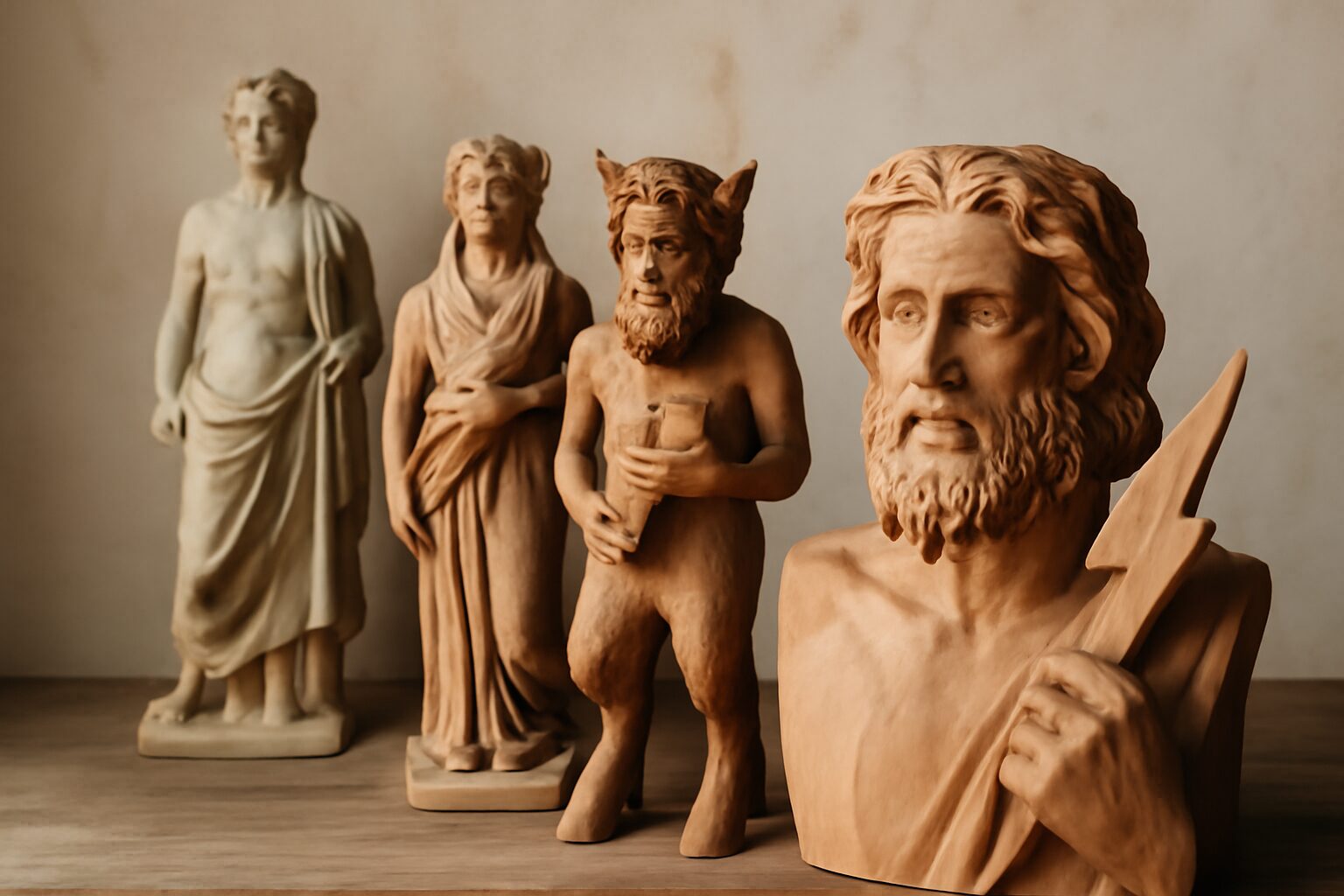
In the vast pantheon of Greek mythology, many deities remain overshadowed by the Olympians. One such figure is Mylas, a lesser-known god whose origins and role are shrouded in mystery. Though not as prominent as Zeus or Athena, Mylas holds a unique place in the mythological tapestry, often associated with local cults and regional worship.
Origins and Mythology
The exact origins of Mylas are unclear, but some scholars suggest he may have been a pre-Greek deity later absorbed into Hellenic tradition. His name appears in scattered inscriptions and regional texts, particularly in areas like Boeotia and Thessaly. Unlike the Olympians, Mylas was not widely worshiped across Greece, but he held significance in specific communities where he was revered as a protector or agricultural deity.
Powers and Attributes
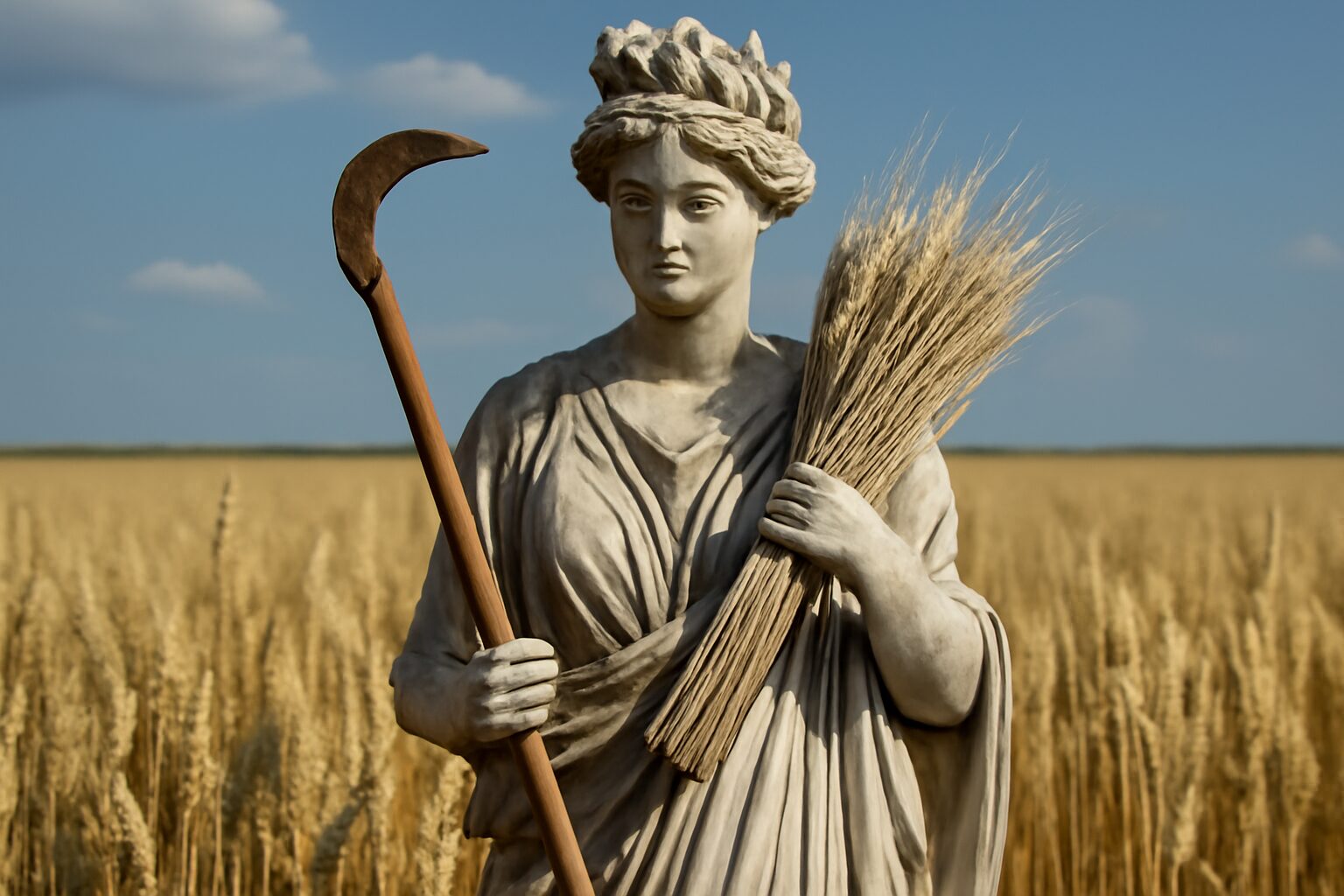
Mylas is often depicted as a youthful figure, sometimes holding a sheaf of wheat or a sickle, linking him to fertility and harvest. Some myths suggest he had the power to bless crops or ensure bountiful yields, making him a vital figure for agrarian societies. In other traditions, he is associated with healing springs or local landmarks, hinting at a connection to nature and the earth.
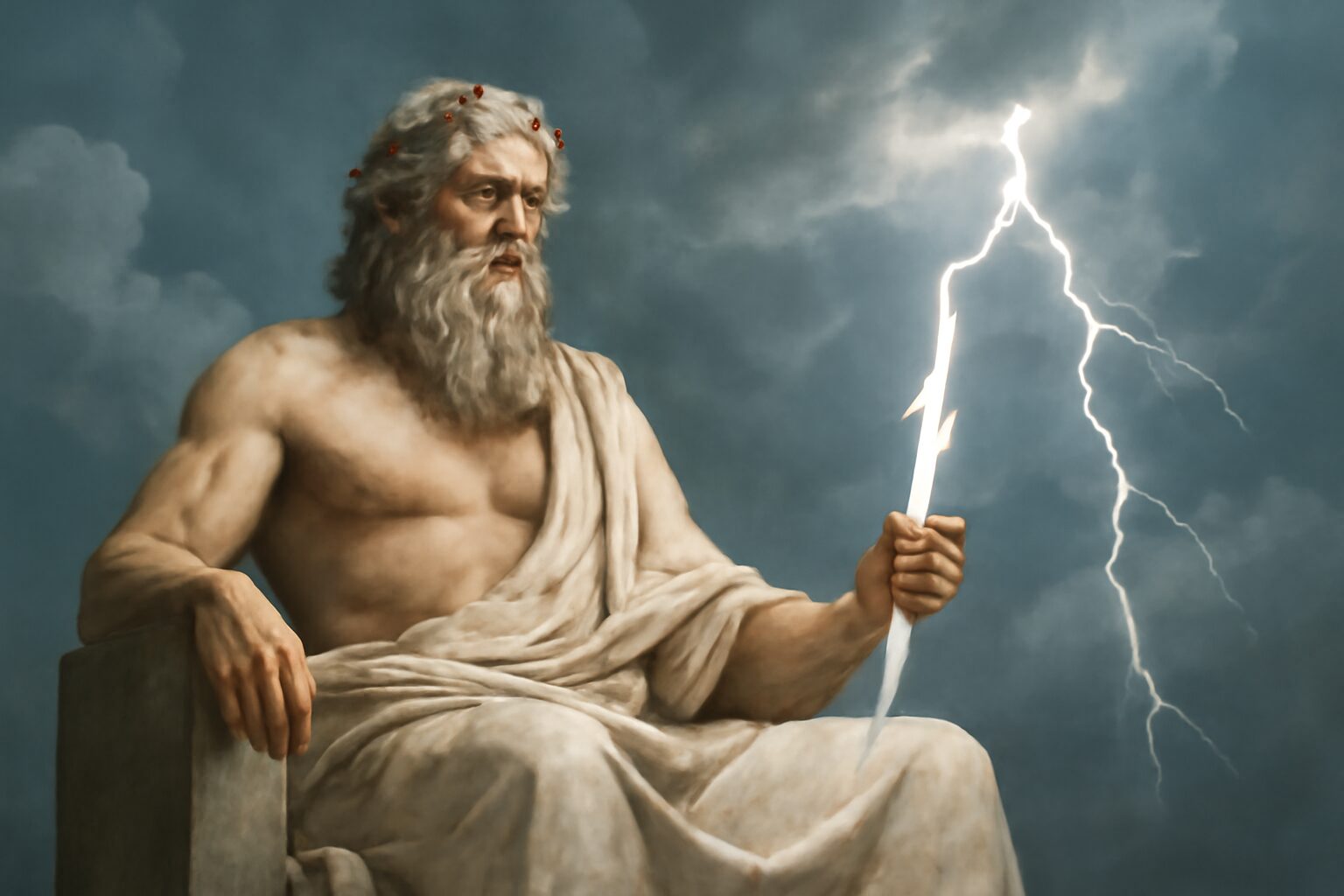
Unlike the thunderous might of Zeus or the strategic brilliance of Athena, Mylas's influence was subtle but deeply felt by those who relied on the land for survival. His presence was a reminder of the divine in everyday life, particularly for rural communities.
Relationships and Worship
Mylas does not feature prominently in the grand myths of the Olympians, but he occasionally appears in local legends alongside figures like Demeter, the goddess of agriculture, or Pan, the rustic god of shepherds. Some tales describe him as a companion or attendant to these more well-known deities, assisting in their divine duties.
Worship of Mylas was likely modest, involving small shrines or offerings at harvest time. Unlike the grand temples of Apollo or Artemis, his cult may have been more personal, tied to family traditions or village rituals. This localized reverence speaks to the diversity of Greek religious practice beyond the major gods.
Significance in Greek Mythology
Though Mylas may not be a household name, his existence highlights the rich complexity of Greek mythology. Not all deities were cosmic rulers or heroes—some, like Mylas, embodied the quiet, sustaining forces of nature. His legacy reminds us that ancient Greek religion was not monolithic but a mosaic of beliefs, adapting to the needs of different communities.
Today, Mylas remains a fascinating enigma, a testament to the countless lesser-known gods who once shaped the spiritual lives of the ancient Greeks.
Alternative Names for Mylas
God Name: Mylasus (Roman)
A Romanized version of the Greek name Mylas, often used in Roman contexts to refer to the same deity, maintaining the original essence but adapting to Latin phonetics.
God Name: Mylas the Protector (Greek (Epithet))
An epithet used in certain Greek regions to emphasize Mylas's role as a guardian deity, often associated with local myths of protection and guidance.
God Name: Mylas Agonios (Greek (Cult Title))
A cult title derived from ancient Greek religious practices, where 'Agonios' highlights Mylas's association with contests or struggles, possibly linking him to athletic or martial aspects.
God Name: Mylas-Mercurius (Roman (Syncretism))
A syncretic name combining Mylas with the Roman god Mercurius (Mercury), reflecting a blending of attributes such as communication or travel, often seen in regions where Greek and Roman cultures intersected.
Tales about Mylas
The Healing Waters of Aceso
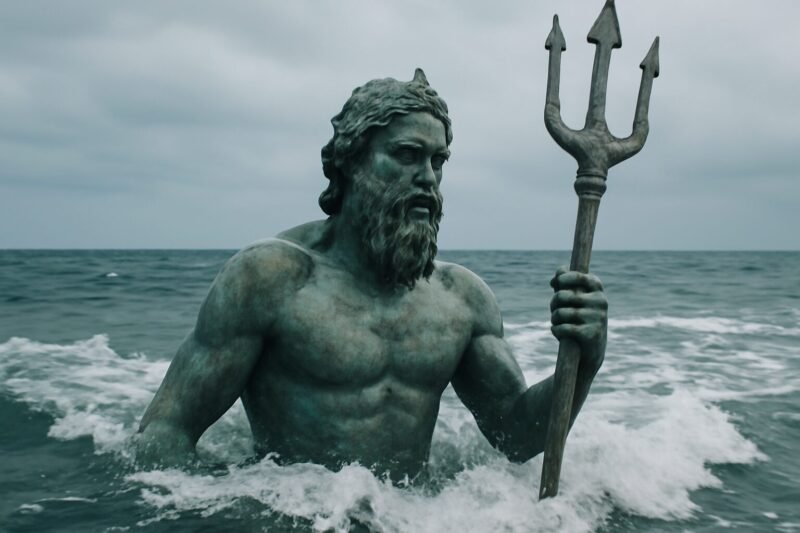
Mylas, a minor sea deity known for his gentle nature, once witnessed a terrible storm that left many sea creatures injured and suffering. Distressed by their plight, he sought the aid of Aceso, the goddess of healing and the curing of ills. Mylas journeyed to her sacred grotto, where Aceso tended to the wounded with her soothing touch and restorative waters.
A Gift of Healing
Moved by Mylas's compassion, Aceso taught him the secrets of her healing arts. She showed him how to harness the power of the sea's minerals and the energy of the tides to mend wounds and ease pain. Mylas returned to his realm, using this knowledge to create healing pools where injured creatures could find relief. To this day, sailors speak of the miraculous recoveries in waters touched by Mylas, a testament to the generosity of Aceso.
Mylas and the Wrath of Achelous
In a tale of rivalry and respect, Mylas once found himself at odds with the mighty river god Achelous. Achelous, proud and powerful, claimed dominion over all waters, including the coastal regions where Mylas dwelled. He challenged Mylas to a contest of strength, seeking to subjugate the sea deity and his domain.
The Test of Tides
Rather than engage in direct conflict, Mylas proposed a test of control over the waters. He demonstrated his ability to calm the fiercest waves and guide the tides with precision, a skill born of patience and harmony with the sea. Impressed by Mylas's finesse and wisdom, Achelous acknowledged his unique mastery and withdrew his challenge. The two deities forged a pact of mutual respect, ensuring peace between river and sea.
Frequently Asked Questions
Who is Mylas in Greek mythology?
Mylas is a lesser-known sea deity in Greek mythology, often associated with the ocean and its mysteries. While not as prominent as Poseidon, Mylas represents the hidden depths and lesser-explored aspects of the sea.
Why are sea deities like Mylas important in Greek mythology?
Sea deities like Mylas were important because the ancient Greeks relied heavily on the sea for trade, travel, and food. They believed these gods controlled the ocean's power, and honoring them could bring safe voyages and abundant catches.
What can we learn from the stories of Mylas and other sea gods?
The stories of Mylas and other sea deities teach us about the ancient Greeks' respect for nature, especially the sea's unpredictable power. They also reflect human attempts to explain and personify natural forces.
How does the concept of sea deities like Mylas apply today?
While we no longer worship sea deities, the idea of respecting and understanding the ocean's power remains relevant. Environmental efforts to protect marine ecosystems echo the ancient reverence for sea gods like Mylas.
Are there any myths or stories specifically about Mylas?
Unlike major sea gods, Mylas doesn't feature prominently in surviving Greek myths. This lack of stories suggests Mylas may have been a local or minor deity, with tales lost over time or overshadowed by figures like Poseidon.