Methe: The Greek Goddess of Drunkenness
In Greek mythology, Methe (Μέθη) is the personification of drunkenness and intoxication. Her name literally translates to "drunkenness" or "intoxication," and she embodies the state of inebriation—both its pleasures and its excesses. Though not as widely known as major Olympian deities, Methe played a significant role in the revelries and rituals associated with wine and festivity.
Mythology and Role
Methe is often depicted as a companion of Dionysus, the god of wine, ecstasy, and celebration. As part of his entourage, she symbolizes the euphoric and sometimes chaotic effects of wine. Ancient Greeks recognized that while wine could bring joy and social bonding, excessive consumption led to folly and disorder—qualities embodied by Methe.
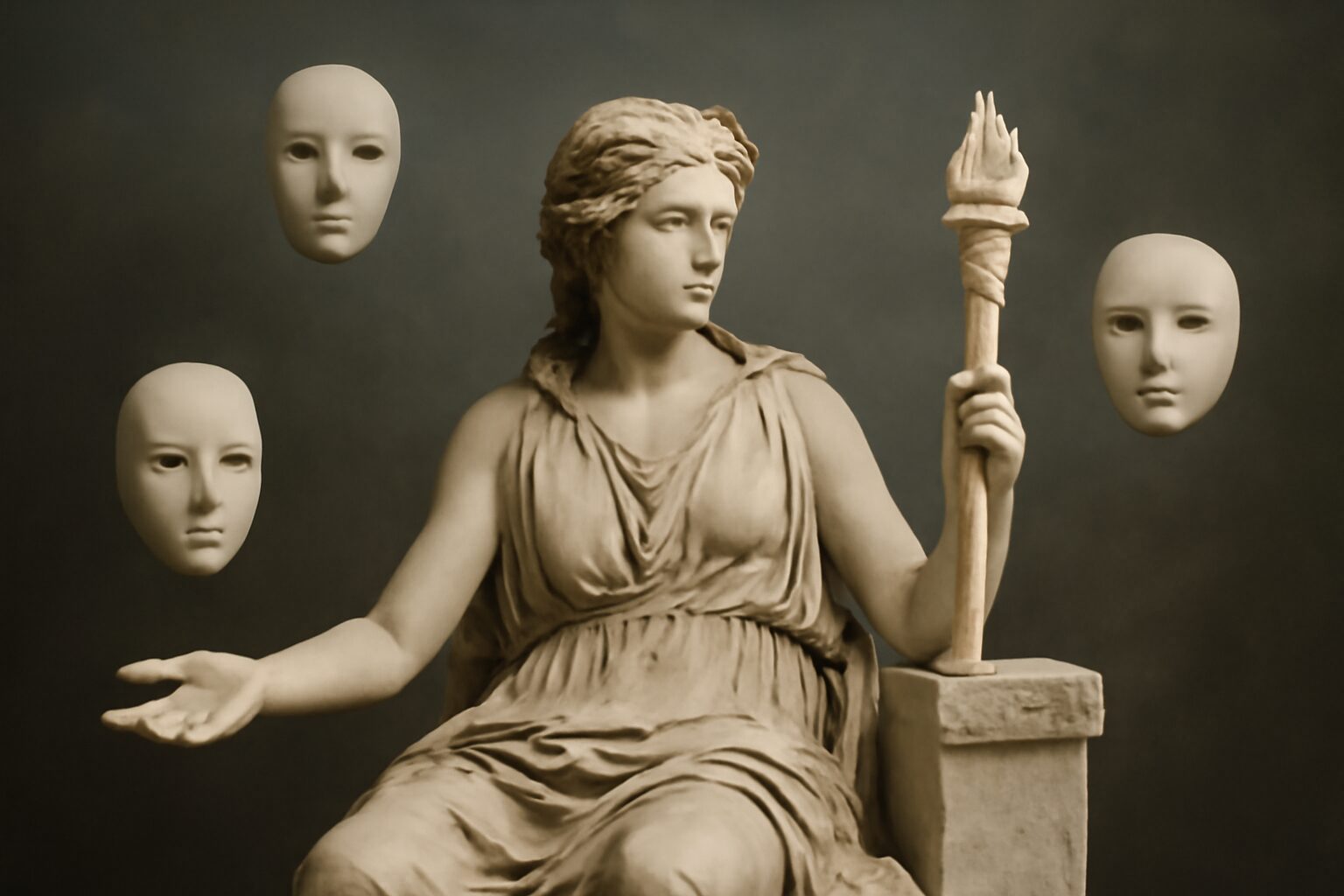
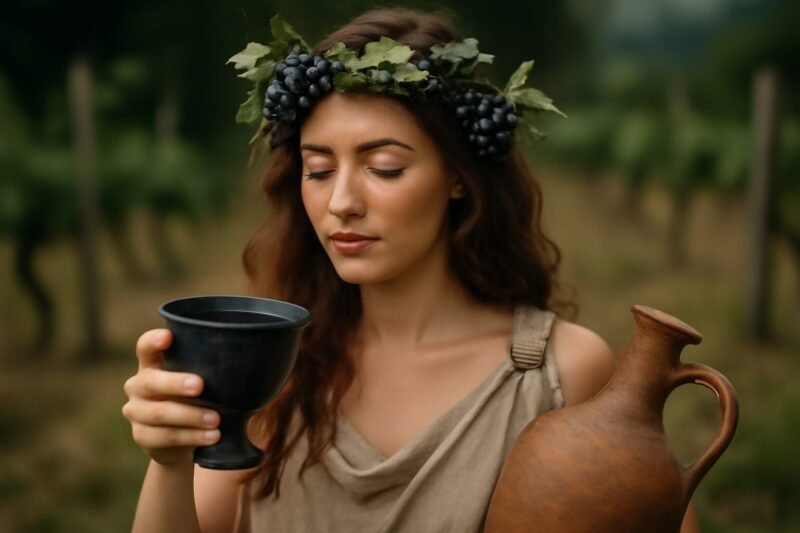
She appears in various artistic representations, sometimes shown holding a drinking cup or reclining in a state of intoxication. In some myths, she is described as a nymph or a lesser goddess who follows Dionysus, joining his wild processions of satyrs and maenads.
Powers and Influence
Methe’s influence extended beyond mere drunkenness—she represented the altered states of consciousness induced by wine, which the Greeks believed could bring both divine inspiration and madness. In religious contexts, intoxication was sometimes seen as a way to commune with the gods, particularly Dionysus, whose festivals often involved ecstatic rituals.
However, Methe also served as a cautionary figure. Greek philosophers and playwrights, such as Euripides in The Bacchae, explored the dangers of losing control to wine, portraying Methe’s influence as both alluring and destructive.
Relationships and Worship
Methe was closely linked to other deities associated with wine and revelry, including Dionysus, Silenus (his tutor and a symbol of drunken wisdom), and the Charites (Graces), who represented joy and beauty. Unlike major gods, she did not have dedicated temples, but she was honored in Dionysian festivals, where participants celebrated—and sometimes succumbed to—her effects.
Her presence in Greek culture highlights the dual nature of wine: a gift from the gods that could elevate the spirit or lead to ruin. In this way, Methe remains a fascinating figure, embodying the ancient Greek understanding of moderation and excess.
Alternative Names for Methe
God Name: Methe (Greek)
The primary Greek name of the goddess of drunkenness, often associated with festivities and revelry.
God Name: Ebrietas (Roman)
The Roman equivalent of Methe, representing intoxication and drunkenness, though less commonly referenced in mythology.
God Name: Bakche (Greek)
An epithet sometimes linked to Methe, derived from Bacchus (Dionysus), emphasizing her connection to ecstatic rites and wine.
God Name: Oinotropia (Greek)
A poetic or descriptive name referencing her role in transforming or influencing wine's effects, though not a formal alternate name.
Tales about Methe
Methe and Dionysus: The Birth of Intoxication
In the wild revelries of Dionysus, the god of wine and ecstasy, a new spirit emerged from the intoxicating fumes of fermenting grapes—Methe, the personification of drunkenness. It is said that during one of Dionysus’s grand festivals on Mount Nysa, where mortals and satyrs danced in unrestrained joy, the very air thickened with the scent of wine, giving form to Methe. She appeared as a radiant nymph, her eyes sparkling with mirth and her movements fluid with the grace of inebriation.
A Divine Companion
Dionysus, delighted by this embodiment of his domain, welcomed Methe as a constant companion. Wherever his processions traveled, Methe was there, weaving through the crowds, her presence easing worries and inspiring poetic fervor. She became a bridge between the divine ecstasy of Dionysus and the mortal experience of wine, teaching that in moderation, her gift could bring joy, creativity, and a temporary reprieve from life’s hardships.
Thus, Methe remains a cherished figure in the retinue of Dionysus, a reminder of the double-edged nature of intoxication—both a blessing and a potential folly.
Methe and Comus: The Night of Eternal Revelry
One twilight, as Methe wandered the earth, she encountered Comus, the god of festivity, revelry, and nocturnal dalliances. Known for his mischievous spirit and love of chaos, Comus was orchestrating an endless celebration in a hidden grove, where time seemed to stand still and laughter echoed perpetually.
The Unbreakable Bond
Intrigued by Comus’s chaotic energy, Methe joined his festivities, her influence amplifying the merriment to divine heights. Together, they created an atmosphere where inhibitions vanished, and creativity flourished unchecked. Comus, with his flair for the dramatic, and Methe, with her gift of liquid courage, became an unstoppable duo, their combined powers making the night feel eternal and every moment brim with possibility.
To this day, it is said that on particularly lively nights, one can still feel the lingering presence of Methe and Comus, urging the world to dance a little longer and dream a little brighter.
Frequently Asked Questions
Who are the Methe in Greek mythology?
The Methe were rustic deities or spirits associated with intoxication, revelry, and drunkenness in Greek mythology. They were often linked to Dionysus, the god of wine, and symbolized the effects of alcohol on humans.
Why are rustic deities like the Methe important in Greek mythology?
Rustic deities like the Methe represent the connection between humans and nature, as well as the wild, untamed aspects of life. They highlight the Greeks' understanding of natural forces and human behaviors, such as the joys and dangers of intoxication.
What can we learn from the Methe and other rustic deities?
The Methe and similar deities teach us about balanceu2014celebrating life's pleasures while recognizing their potential excesses. They reflect ancient Greek values of moderation and the duality of human experiences, like joy and chaos.
How does the concept of the Methe apply today?
The Methe's symbolism resonates today in discussions about the role of alcohol and revelry in society. They remind us of the fine line between celebration and overindulgence, a theme still relevant in modern culture.
Are the Methe worshiped like other Greek gods?
The Methe were not worshiped in the same way as major gods like Zeus or Athena. They were more like minor spirits or personifications, often invoked during festivals or rituals dedicated to Dionysus, rather than having their own temples or cults.