Krotos: The Forgotten Satyr of Greek Mythology
In the rich tapestry of Greek mythology, Krotos stands as a lesser-known but fascinating figure—a satyr whose musical talents and divine favor earned him a place among the stars. Though not as prominent as gods like Zeus or heroes like Heracles, Krotos' story offers a glimpse into the world of satyrs, nature spirits, and the origins of music.
The Myth of Krotos
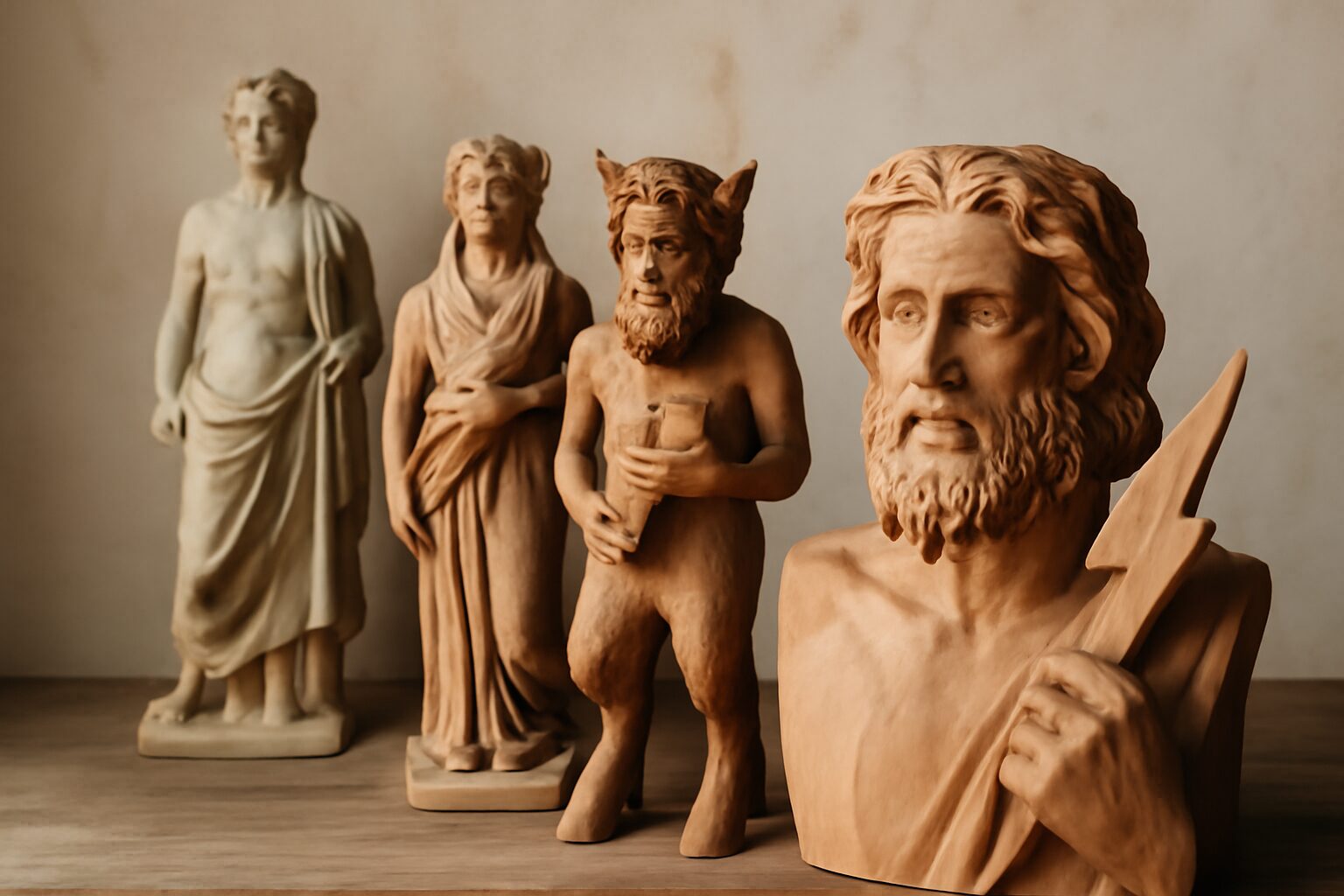
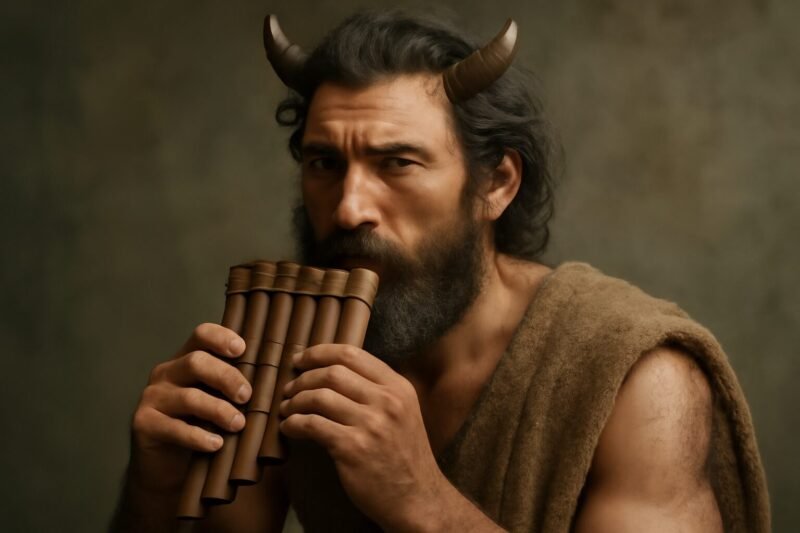
Krotos was a satyr, a creature with the upper body of a man and the lower body of a goat, known for their wild, hedonistic behavior. Unlike many of his rowdy kin, however, Krotos was celebrated for his musical prowess. He was said to have invented rhythmic hand-clapping (krotala in Greek) to accompany the songs of the Muses, the goddesses of the arts. His innovations in music and dance made him a favorite of the Muses, particularly Calliope, the Muse of epic poetry.
According to legend, Krotos was also an exceptional hunter, combining agility with keen senses—traits that further endeared him to Artemis, the goddess of the hunt. His dual association with both the arts and the wilderness made him a unique figure in mythology.
Powers and Abilities
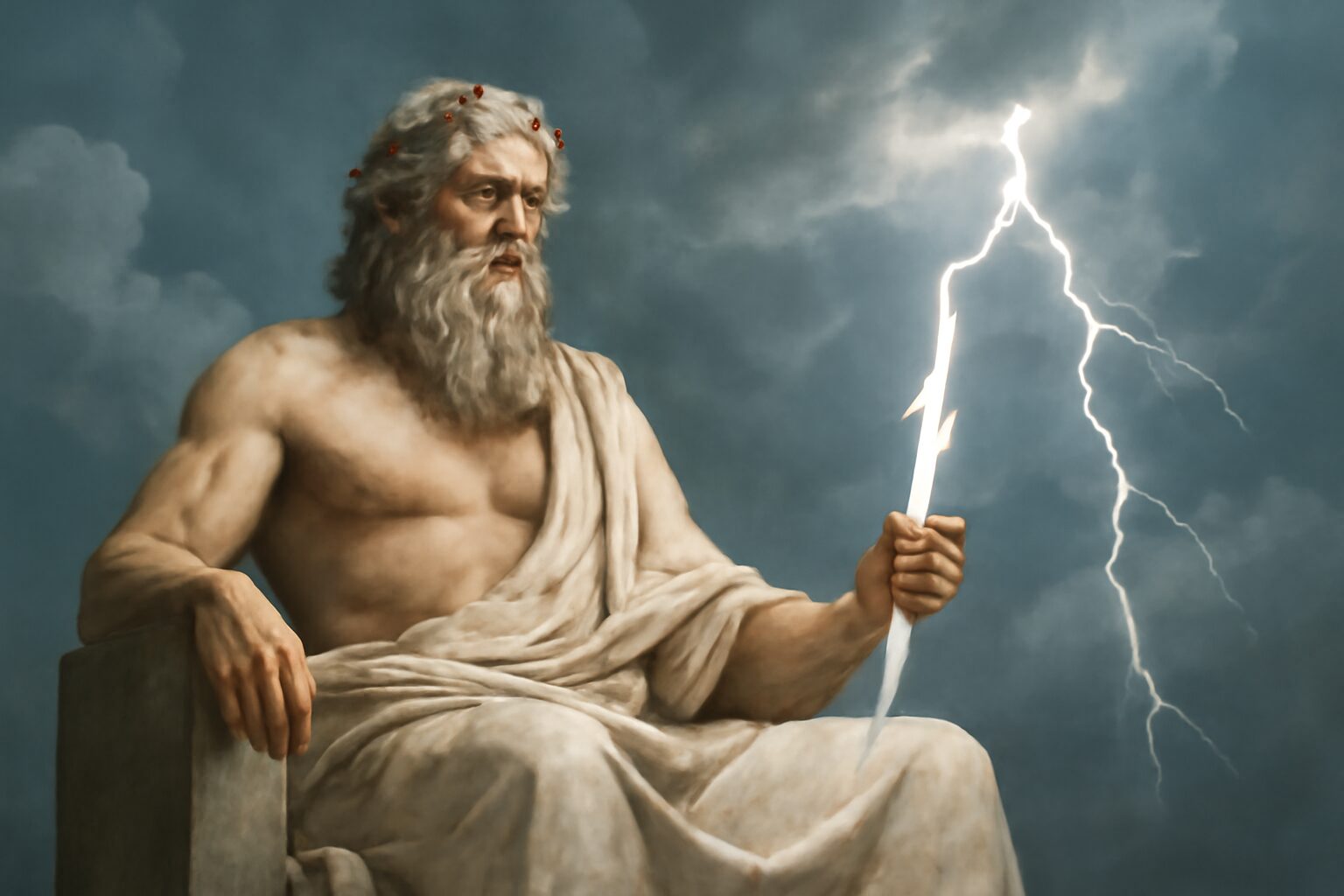
As a satyr, Krotos possessed the typical traits of his kind: incredible speed, endurance, and a deep connection to nature. However, his true power lay in his musical talent. He was credited with perfecting the art of rhythmic accompaniment, which became essential in Greek choral performances and religious ceremonies. Some myths even suggest that his clapping could mimic thunder, earning him a symbolic link to Zeus.
His hunting skills were also legendary. Krotos could move silently through forests, track prey with uncanny precision, and shoot arrows with unmatched accuracy—a gift believed to be blessed by Artemis herself.
Relationships and Legacy
Krotos' close ties to the Muses and Artemis set him apart from other satyrs, who were often seen as mere followers of Dionysus, the god of wine and revelry. His friendship with the Muses was so strong that, upon his death, they pleaded with Zeus to honor him. The king of the gods granted their wish by placing Krotos among the stars as the constellation Sagittarius (or, in some versions, Centaurus).
Though not widely worshiped, Krotos' influence persisted in Greek culture. His innovations in rhythm and dance were celebrated in festivals, and his connection to Artemis made him a minor patron of hunters. His story serves as a reminder of the Greeks' appreciation for both artistic and natural excellence.
Significance in Greek Mythology
Krotos represents a bridge between the untamed wilderness and the refined world of the arts. Unlike most satyrs, who embodied chaos and excess, he demonstrated discipline and creativity. His ascension to the stars highlights the Greek belief that exceptional mortals (or semi-divine beings) could achieve immortality through their deeds.
While his name may not be as recognizable as others, Krotos' legacy endures in the rhythms of music, the skill of hunters, and the constellations that still shine overhead.
Alternative Names for Krotos
God Name: Krotos (Greek)
The primary name of the god in Greek mythology, known as a hunter and musician who was a companion of the Muses.
God Name: Crotus (Roman)
The Romanized version of Krotos, maintaining the same attributes and associations as in Greek mythology.
God Name: Krotos the Satyr (Greek)
An alternative epithet highlighting his association with satyrs, due to his musical and hunting prowess.
Tales about Krotos
Krotos and the Muses: A Gift of Rhythm
In the sacred groves of Mount Helicon, Krotos was a devoted follower of the Muses. Known for his incredible speed and agility, he would often accompany their hymns with the rhythmic clapping of his hands and the stomping of his feet, creating the first beats of music that echoed through the valleys. The Muses, delighted by his innovation and passion, appealed to the gods to honor him.
The Divine Reward
In recognition of his contributions to music and dance, Zeus immortalized Krotos as the constellation Sagittarius, forever aiming his bow at the stars, a symbol of his unerring rhythm and grace. The Muses themselves blessed his memory, ensuring that every musician and dancer would feel his spirited influence.
Krotos and Artemis: The Hunter's Companion
Krotos was also a skilled hunter who roamed the forests of Arcadia. It was here that he caught the attention of the goddess Artemis, who admired his swiftness, accuracy, and respect for the wild. She often invited him to join her divine hunt, where he proved unmatched in tracking and capturing game without waste or cruelty.
A Bond Forged in the Wild
Artemis, pleased with his reverence for nature and his athletic prowess, gifted Krotos a magnificent bow fashioned from silver and moonbeam, which never missed its mark. In return, Krotos dedicated his finest catches to her, and their partnership became legend among mortals and immortals alike, celebrating the harmony between hunter and divine protector.
Frequently Asked Questions
Who is Krotos in Greek mythology?
Krotos was a rustic deity in Greek mythology, known as a hunter and the inventor of rhythmic hand-clapping. He was associated with the Muses and often depicted as a satyr-like figure, symbolizing the joy of music and dance.
Why is Krotos important in Greek mythology?
Krotos is important because he represents the connection between nature, hunting, and the arts. His invention of hand-clapping as rhythmic accompaniment highlights the Greeks' appreciation for music and performance in both rustic and divine settings.
What can we learn from the myth of Krotos?
The myth of Krotos teaches us about the ancient Greek belief in the harmony between humans and nature. It also shows how creativity, like his invention of clapping, can emerge from simple, everyday activities and become a lasting cultural tradition.
How does Krotos relate to other rustic deities?
Krotos is similar to other rustic deities like Pan and the satyrs, who embody wild, untamed nature and revelry. However, Krotos stands out for his specific association with musical rhythm and his close ties to the Muses, bridging the gap between wilderness and artistic inspiration.
Is Krotos still relevant today?
While not as well-known as major gods like Zeus or Apollo, Krotos' legacy lives on in modern music and performance. The act of clapping as applause or rhythm is a direct echo of his mythological contribution, showing how ancient ideas still influence contemporary culture.