The Epimeliades: Nymphs of the Mountain Pastures
The Epimeliades (also called Epimelides or Meliae in some sources) were a unique group of nymphs in Greek mythology who presided over mountain pastures and the flocks that grazed there. Their name derives from the Greek words epi (upon) and melas (sheep or goat), literally meaning "those who watch over flocks."
Guardians of Animals and Orchards
Unlike other nymphs associated with specific locations like trees or springs, the Epimeliades had a more specialized domain. They were protectors of both grazing animals and the apple orchards that often grew in highland meadows. Ancient Greeks believed these nymphs ensured the health of livestock and the fertility of pasturelands.
Some traditions suggest they were particularly associated with protecting sheep from wolves, a constant threat to ancient shepherds. Their connection to apple trees may relate to their occasional identification with the Meliae (ash tree nymphs), showing how nymph classifications sometimes overlapped.
Appearance and Powers
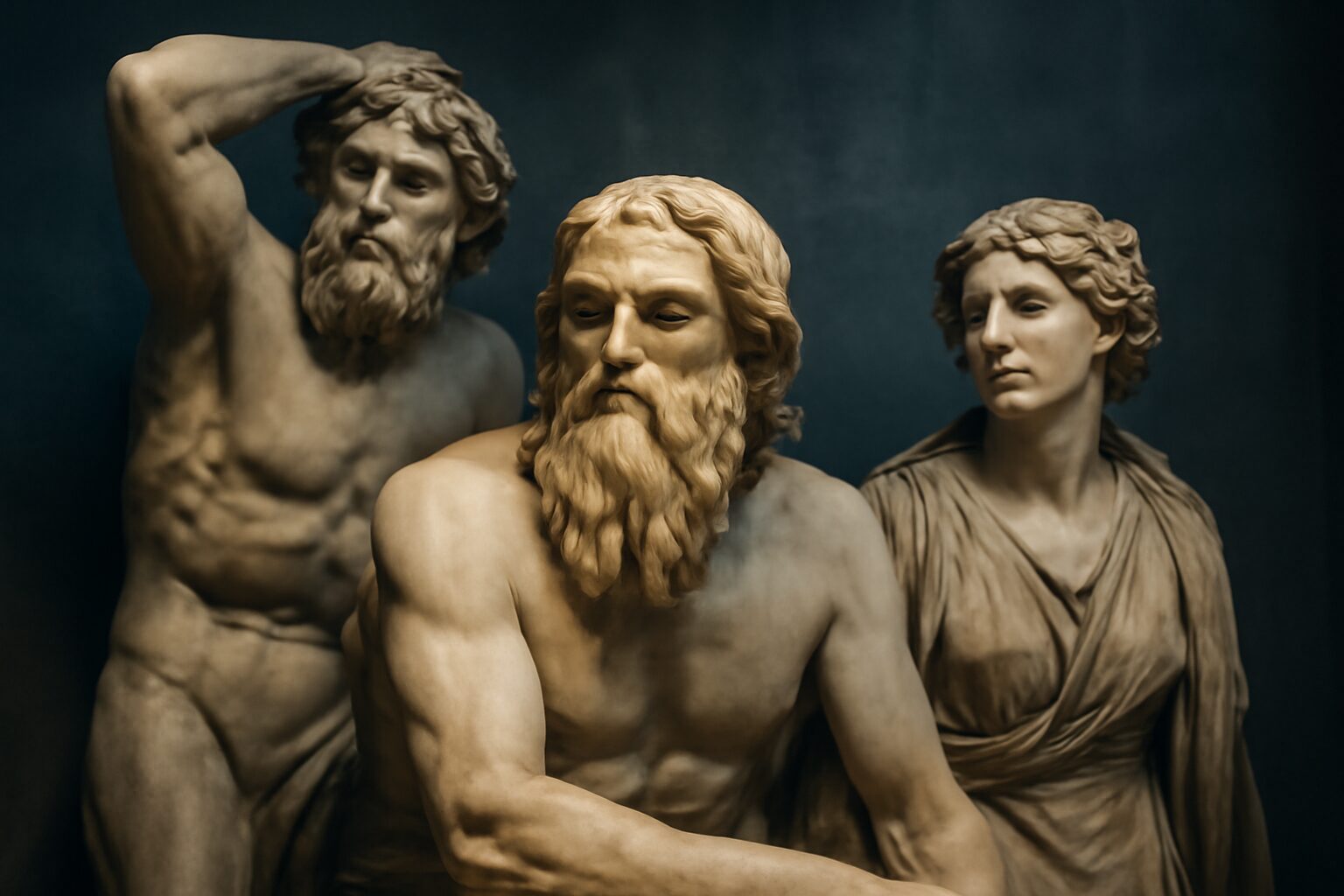
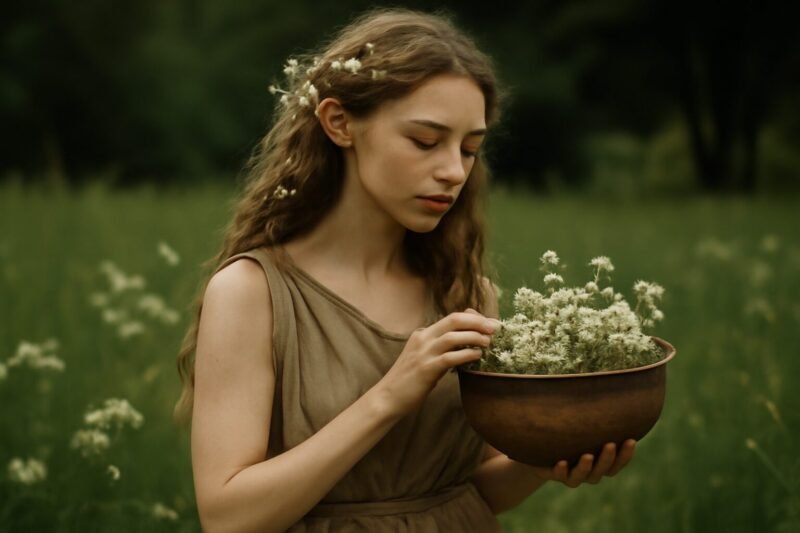
Descriptions of the Epimeliades portray them as beautiful maidens dressed in simple pastoral clothing, often seen dancing in mountain clearings. They possessed typical nymph abilities:
- Minor shapeshifting (often appearing as white ewes)
- Control over plant growth in their pastures
- Power to bless or curse flocks
- Ability to communicate with animals
Some myths suggest they could bring madness to shepherds who disrespected them or failed in proper offerings.
Mythological Connections
The Epimeliades were considered daughters of the sun god Helios in some traditions, while other sources made them offspring of Zeus. This divine parentage elevated them above ordinary nature spirits.
They frequently appear in the retinue of:
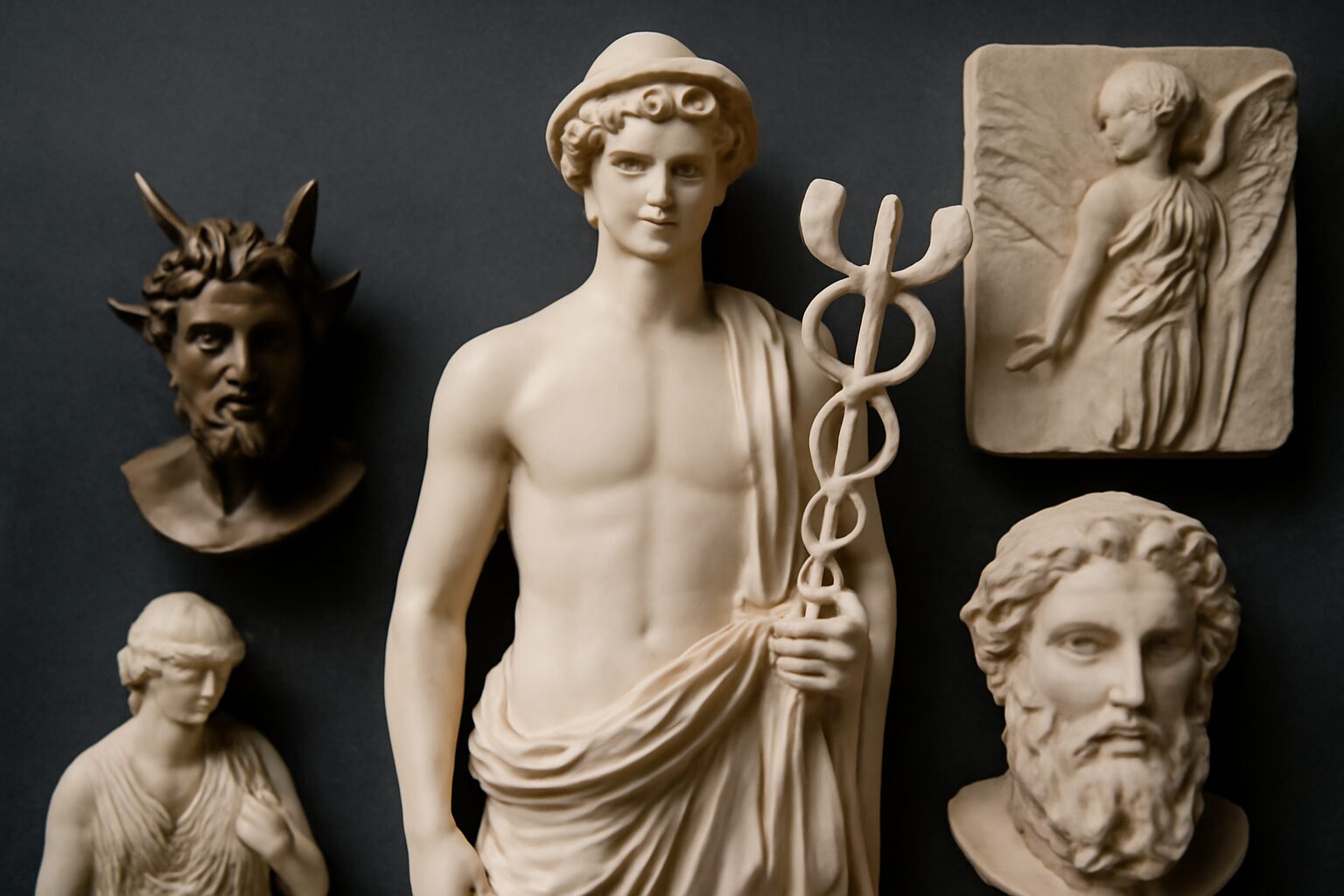
- Pan, the goat-legged god of shepherds
- Artemis, goddess of the hunt and wild places
- Hermes, divine messenger and protector of herds
Cultural Significance
For ancient Greek shepherds, the Epimeliades represented the sacred aspect of pastoral life. Simple shrines with offerings of milk, honey, or wool were left in mountain clearings to honor them. Their mythology reflects the Greek view of nature as inhabited by divine presences overseeing every aspect of agricultural life.
Unlike major deities, the Epimeliades received little formal worship, but their presence in folklore endured as a reminder of nature's delicate balance and humanity's dependence on divine favor for successful husbandry.
Alternative Names for Epimeliades
God Name: Epimelides (Greek)
An alternative spelling of Epimeliades, referring to the same nymphs associated with protecting flocks and apple trees in Greek mythology.
God Name: Pomona (Roman)
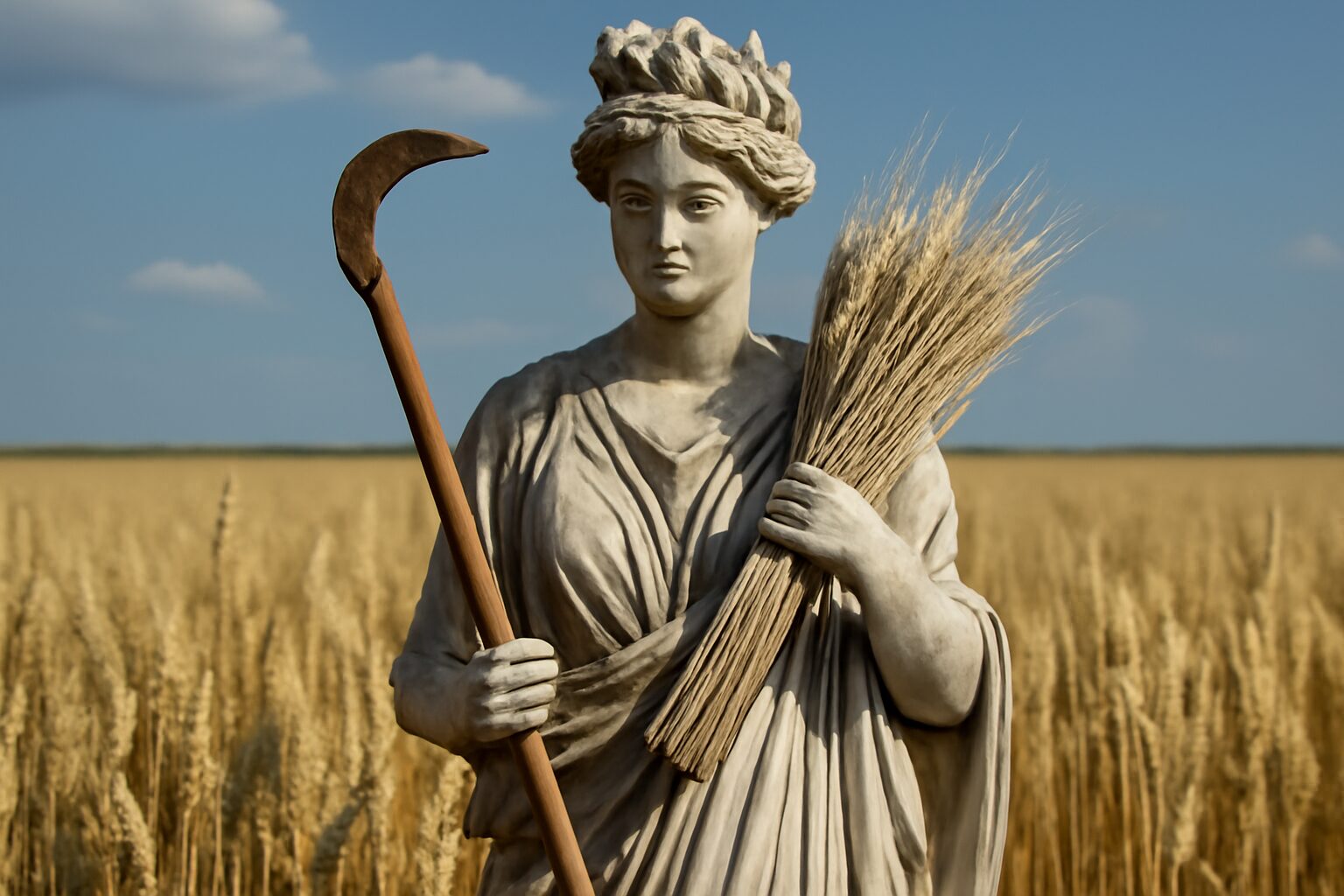
While not a direct equivalent, Pomona is a Roman goddess of fruit trees, gardens, and orchards, sharing a similar domain with the Epimeliades. The Epimeliades' association with apple trees aligns thematically with Pomona's role.
God Name: Meliae (Greek)
Sometimes conflated with the Epimeliades, the Meliae are nymphs of ash trees in Greek mythology. Both groups are tree-related nymphs, though their specific associations differ.
Tales about Epimeliades
The Epimeliades and the Healing of the Sacred Grove
In a secluded valley of Arcadia, a grove of ancient apple trees tended by the Epimeliades began to wither inexplicably. The nymphs, guardians of these sacred trees, watched in despair as the leaves browned and the fruit shriveled. Desperate, they sought the aid of Asclepius, the god of healing. Asclepius, moved by their plight, journeyed to the grove and discovered a hidden spring poisoned by a vengeful spirit. With his serpent-entwined staff, he purified the waters, chanting incantations that restored vitality to the soil. The Epimeliades, in gratitude, wove him a crown of blossoming apple branches, symbolizing the bond between healing and nature’s resilience.
Lessons from the Grove
- Nature’s Vulnerability: Even divine groves can fall to unseen threats.
- Healing as Collaboration: Asclepius and the nymphs exemplified unity in restoration.
- Symbolic Gifts: The crown became a token of gratitude in later myths.
The Epimeliades and the Storm of Pan
High in the rugged slopes of Mount Lycaeus, the Epimeliades guarded a flock of sheep whose wool shimmered like moonlight. One autumn, the wild god Pan, in a fit of chaotic revelry, summoned a tempest that threatened to scatter the flock and uproot the nymphs’ protective groves. The Epimeliades, led by their eldest, Melia, confronted Pan with melodies woven from rustling leaves and bleating lambs. Entranced, Pan halted his storm and joined their symphony, his pipes echoing through the mountains. Together, they composed a harmony that calmed the winds and blessed the flock with doubled fertility, forging an alliance between untamed wilderness and nurturing guardianship.
Echoes of the Mountain
- Conflict to Harmony: Pan’s chaos tempered by the nymphs’ gentle power.
- Musical Diplomacy: Song as a tool to soothe even the wildest spirits.
- Shared Blessings: The flock’s prosperity became a legend among shepherds.
Frequently Asked Questions
Who are the Epimeliades in Greek mythology?
The Epimeliades are nymphs in Greek mythology who are considered rustic deities. They are specifically associated with protecting flocks of sheep and goats, and are often linked to meadows and pastures where these animals graze.
What does the name 'Epimeliades' mean?
The name 'Epimeliades' comes from the Greek words 'epi' (meaning 'upon') and 'melas' (meaning 'sheep' or 'flock'). It translates roughly to 'those who care for sheep,' reflecting their role as protectors of livestock.
Why are the Epimeliades important in Greek mythology?
The Epimeliades are important because they symbolize the connection between nature and agriculture in ancient Greek culture. As guardians of flocks, they represent the divine protection of resources essential for survival, highlighting the Greeks' reliance on and reverence for the natural world.
How do the Epimeliades differ from other nymphs?
Unlike other nymphs who might be associated with forests, rivers, or mountains, the Epimeliades are specifically tied to pastoral life. Their unique role focuses on the well-being of sheep and goats, setting them apart from nymphs with broader or different domains.
Are there any myths or stories about the Epimeliades?
While the Epimeliades are not as prominently featured in myths as some other deities, they are sometimes mentioned in pastoral poetry and folklore. They are generally depicted as gentle, nurturing figures who ensure the health and safety of flocks, embodying the harmony between humans and nature.