
Litae: The Personifications of Prayer in Greek Mythology
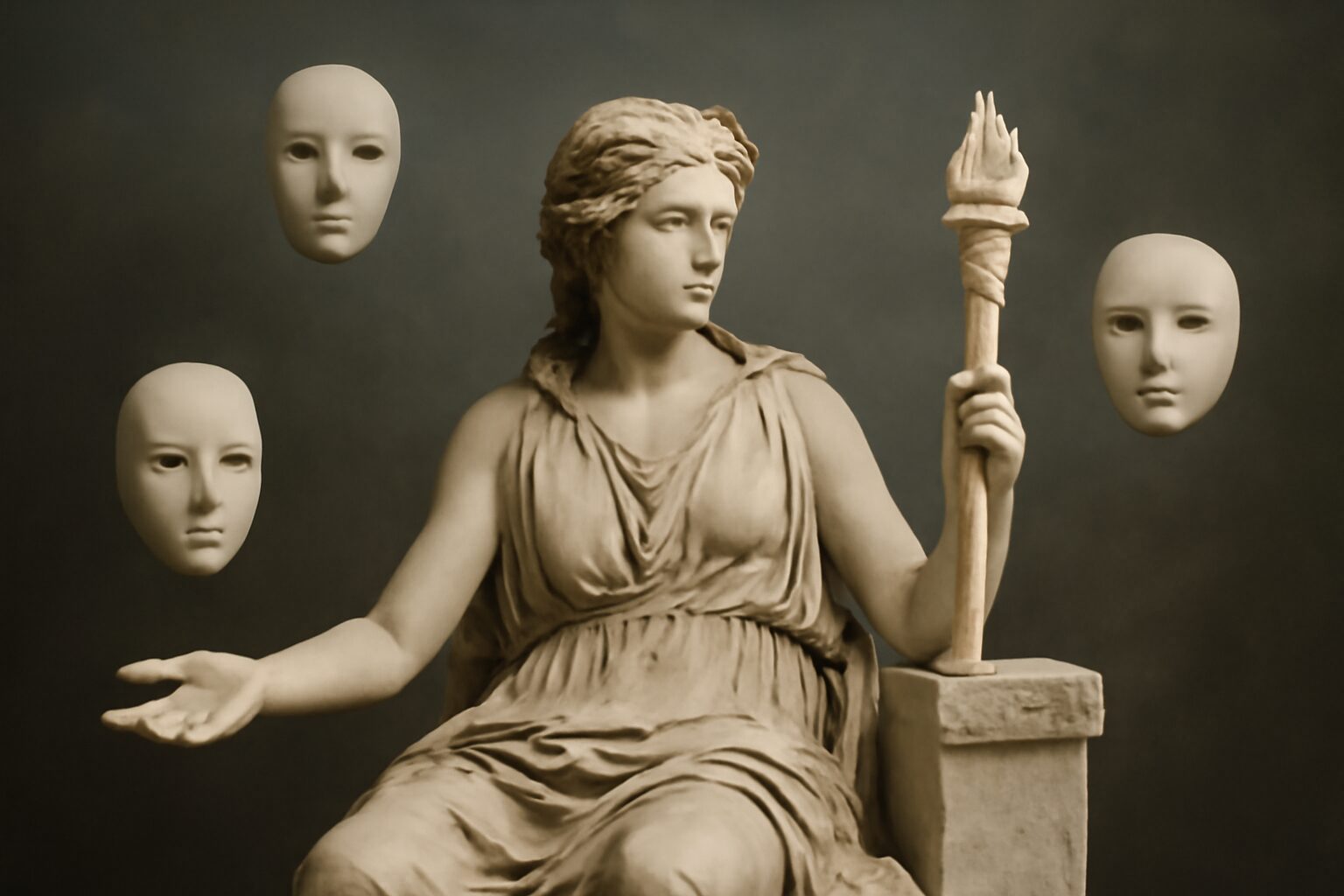
In Greek mythology, the Litae (pronounced LEE-tay) were lesser-known but fascinating deities who personified prayers, supplications, and the act of seeking forgiveness. Their name translates to "prayers" or "entreaties," and they played a unique role in mediating between mortals and the gods.
Appearance and Role
The Litae were often depicted as elderly, frail women—symbolizing the humility and persistence required in prayer. Despite their slow, limping gait, they were relentless in their pursuit of justice and reconciliation. Their role was to carry the prayers of mortals to the gods, particularly when those prayers were sincere and came from a place of remorse or need.
Homer’s Iliad provides one of the most vivid descriptions of the Litae. In Book 9, Phoenix recounts how they follow Ate, the goddess of folly and ruin, attempting to undo the damage caused by reckless actions. Where Ate brought chaos, the Litae sought to restore balance through repentance and prayer.
Powers and Significance
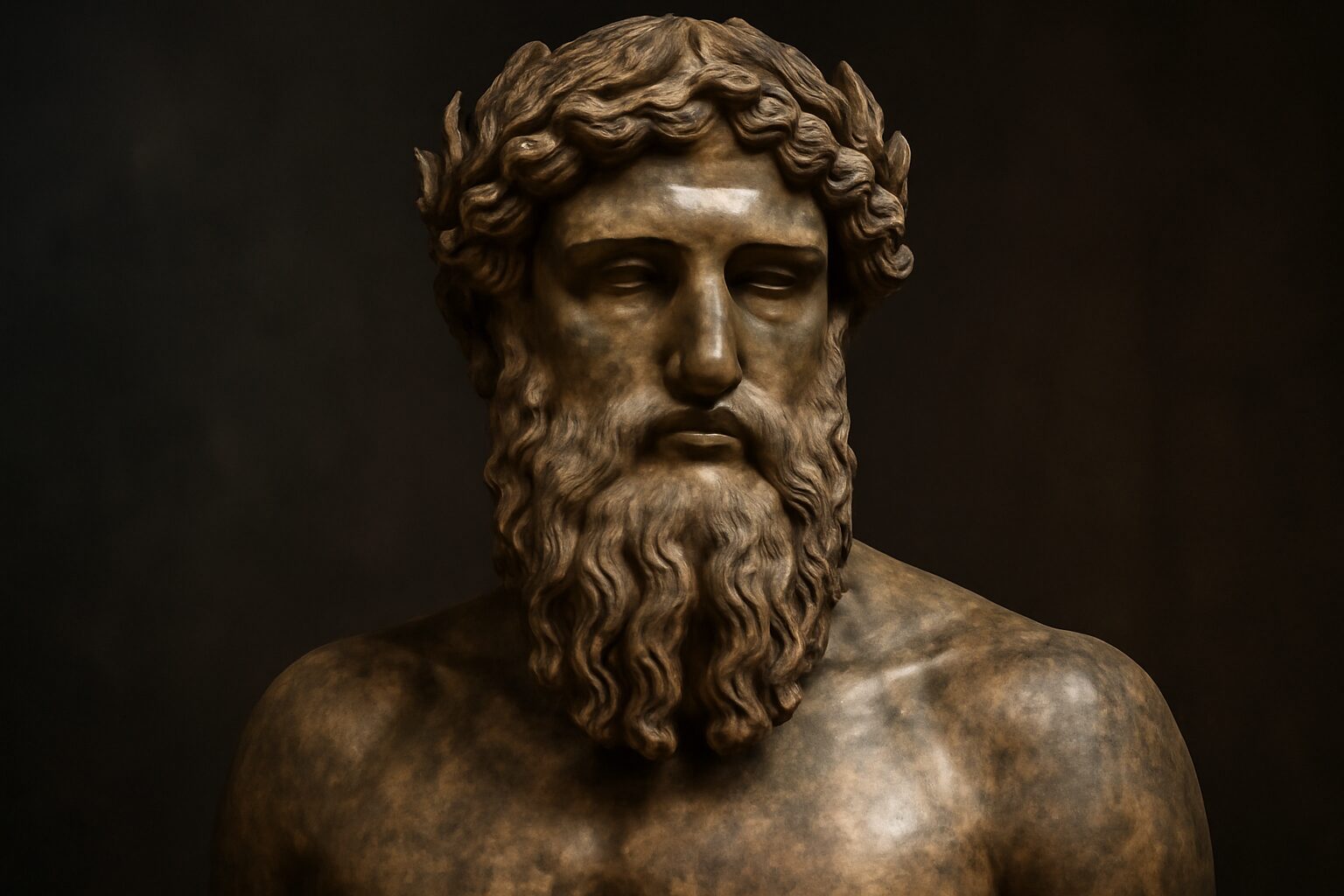
The Litae had the power to soften the hearts of the gods, especially Zeus, the king of the gods. They were said to be his daughters, emphasizing their divine authority in matters of forgiveness. However, their effectiveness depended on the sincerity of the supplicant. Those who ignored or rejected the Litae risked divine retribution.
Their presence in mythology highlights the Greek belief in the importance of humility and repentance. The Litae served as a reminder that even the mightiest gods could be swayed by genuine contrition, but only if mortals were willing to acknowledge their mistakes.
Relationships with Other Deities
The Litae were closely associated with Zeus, who was often portrayed as listening to their pleas. They also had a symbolic relationship with Ate, representing the duality of human actions—folly followed by the possibility of redemption. In some traditions, they were linked to Nemesis, the goddess of retribution, as their efforts could avert her wrath if prayers were heeded.
Though not as prominent as other deities, the Litae embodied a crucial aspect of Greek religious thought: the idea that communication with the divine required sincerity, persistence, and a willingness to make amends.
Alternative Names for Litae
God Name: Arae (Greek)
In Greek mythology, Arae are the curses or prayers of vengeance that were personified as minor deities. They are sometimes associated with Litae as they represent the consequences that follow when prayers (Litae) are ignored.
God Name: Preces (Roman)
In Roman mythology, Preces are the personifications of prayers and supplications, similar to the Greek Litae. They are often depicted as following the goddess Pietas, symbolizing the earnest prayers of the devout.
God Name: Euchae (Greek)
Euchae is another term used in Greek mythology to refer to prayers or vows made to the gods. It is closely related to Litae, as both represent forms of divine supplication and intercession.
Tales about Litae
The Litae and Zeus: The Prayers of the Humble
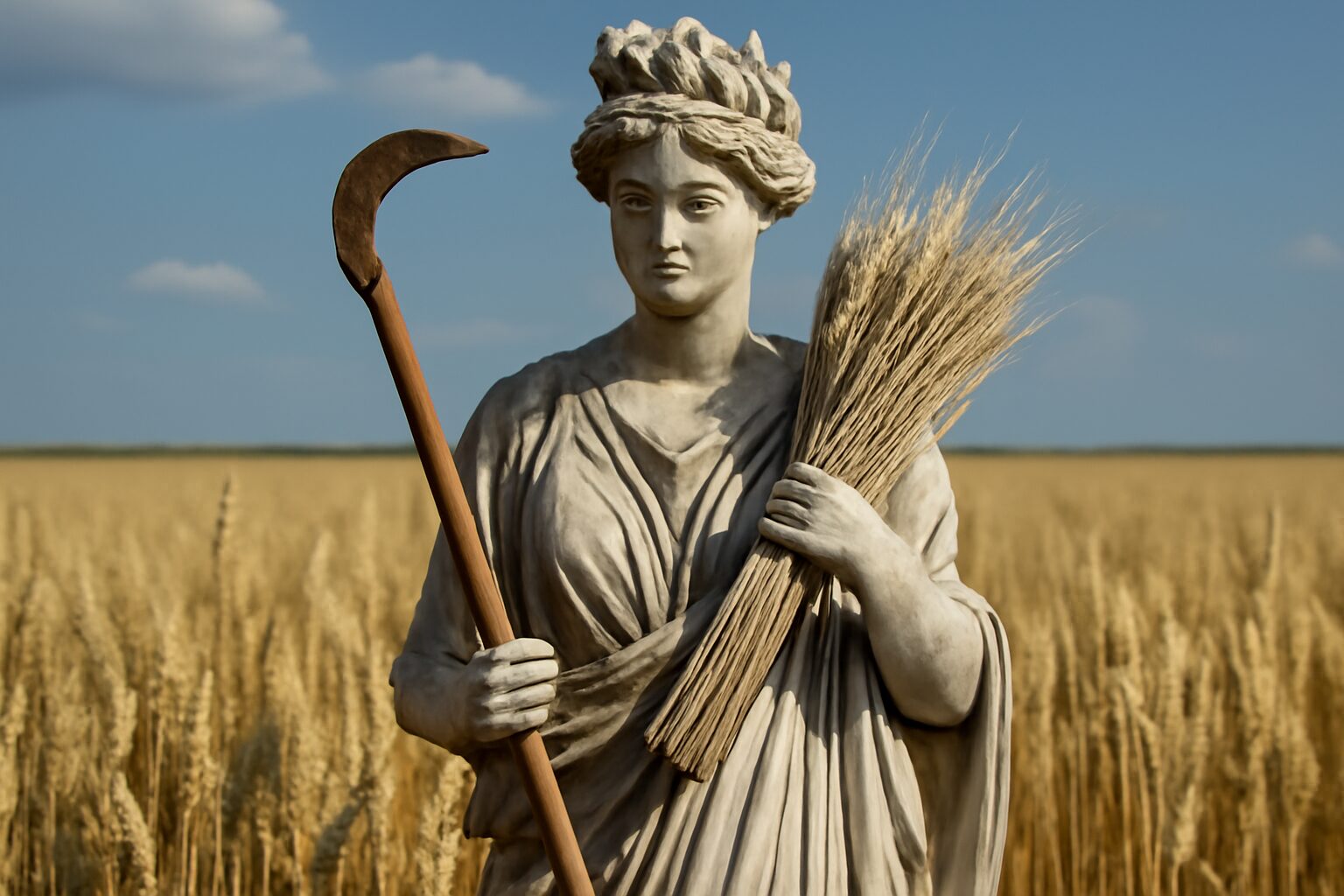
In the golden halls of Olympus, Zeus sat upon his throne, weighing the fates of mortals. One day, a weary farmer, his fields parched by drought, offered a simple, heartfelt prayer for rain. The Litae, the personifications of prayer, carried his plea to the king of gods. Though grander requests from kings and heroes clamored for attention, Zeus, moved by the farmer's sincerity, commanded the clouds to pour life-giving water upon the barren land. The Litae, ever diligent, ensured that even the meekest voice was heard, reminding all that genuine devotion holds power in the divine court.
Colors of the Tale
The farmer's humble soil, rich and waiting.
The blessed rain, quenching the earth's thirst.
The radiant favor of Zeus, shining upon the faithful.
The Litae and Ate: Mending the Threads of Folly
When Atë, the spirit of delusion and mischief, led a proud warrior into reckless battle, his downfall seemed certain. But his family, in their despair, sent forth fervent prayers for his safe return. The Litae, though slow and limping, followed closely behind Atë, gathering the threads of these sincere appeals. They presented them to Zeus, who, in his wisdom, tempered the warrior's rashness with a sudden stroke of clarity, allowing him to retreat and survive. Thus, the Litae demonstrated that even after folly, prayer could weave a path to redemption.
Elements of the Story
- Atë's Deceit: The cloud of arrogance blinding the warrior.
- The Family's Prayers: The silver threads of hope sent heavenward.
- The Litae's Pursuit: Their steadfast resolve to rectify error.
- Zeus's Judgment: The balance between fate and mercy.
Frequently Asked Questions
What is Litae in Greek mythology?
Litae are personifications of prayers, offerings, or supplications in Greek mythology. They are often depicted as elderly women who follow Ate (the spirit of delusion) to undo the harm she causes by persuading people to pray for forgiveness and make amends.
Why are personifications like Litae important in Greek myths?
Personifications like Litae help explain abstract concepts, such as prayers or remorse, in a relatable way. They show how the Greeks viewed human emotions and divine interactions, emphasizing the importance of repentance and reconciliation.
What can we learn from the story of Litae and Ate?
The story teaches that while mistakes (Ate) can lead to harm, sincere prayers and efforts to make amends (Litae) can help restore balance. It highlights the value of humility and seeking forgiveness in Greek moral teachings.
How do spirits like Litae apply to modern life?
Litae symbolize the power of reflection and redemption. Today, their story reminds us that acknowledging mistakes and seeking forgivenessu2014whether in personal relationships or broader contextsu2014can lead to healing and growth.
Are Litae considered gods or minor spirits in Greek mythology?
Litae are minor spirits (daimones) rather than major gods. They personify specific aspects of human experience, like prayers, and often serve as intermediaries between humans and the divine.