Horkos: The Oath-Keeper of Greek Mythology
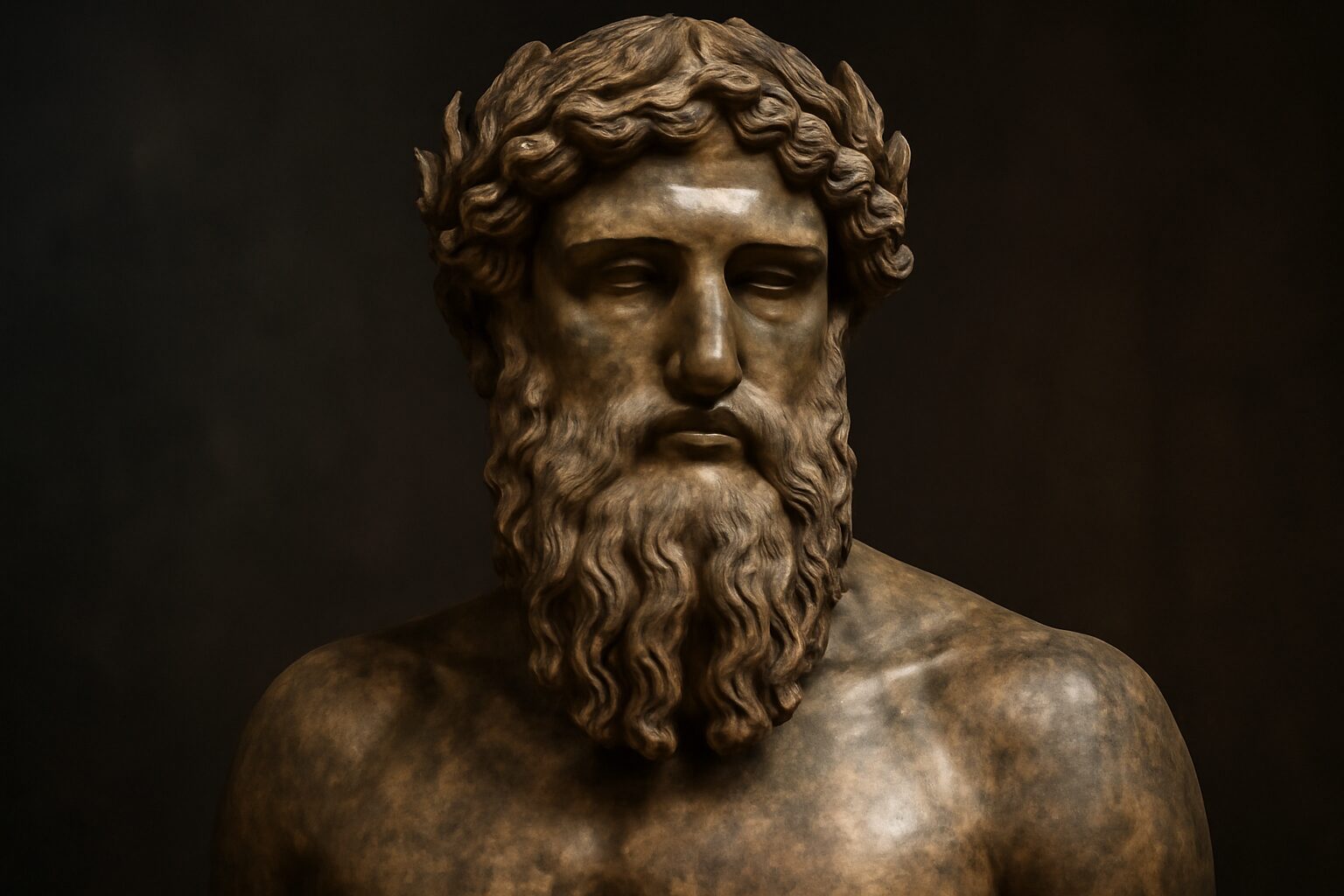
In the vast pantheon of Greek deities, Horkos stands as a lesser-known but powerful figure—the personification of oaths and the divine enforcer of sworn promises. As the son of Eris (Strife) and brother to other destructive forces like Ponos (Toil) and Lethe (Forgetfulness), Horkos embodied the grave consequences of breaking sacred vows.
The Role and Powers of Horkos
Horkos was not merely a symbolic concept but a feared divine entity. The Greeks believed that when someone swore an oath—especially in his name—Horkos would ensure its fulfillment. His power was absolute: those who broke oaths faced his wrath, often in the form of curses, madness, or ruin. Hesiod's Works and Days describes him as "a great bane to mortal men when anyone willfully swears a false oath."
Unlike other gods who might show mercy, Horkos was implacable. He was said to follow perjurers relentlessly, bringing suffering not just to the oath-breaker but sometimes to their entire family or city. This made him both respected and dreaded in Greek society, where oaths were foundational to legal, political, and personal relationships.
Mythology and Significance
One notable myth places Horkos as a witness during the infamous trial of Apollo and Admetus. When Apollo broke an oath, Horkos ensured he was punished by being forced to serve as a mortal shepherd—a humbling experience for the proud sun god. This story reinforced the idea that no one, not even the Olympians, could escape Horkos' judgment.
Horkos also played a role in the Orphic tradition, where he was sometimes conflated with the underworld deity Orkos, further emphasizing his connection to divine retribution. His presence in oaths—especially those sworn by the River Styx—highlighted the Greeks' belief that words carried weight and that cosmic justice would prevail.
Legacy and Cultural Impact
While Horkos lacked the grand temples and cults of major Olympians, his influence permeated Greek life. Legal oaths, treaties, and even personal promises invoked his name as a deterrent against deceit. In a society where trust was paramount, Horkos served as the ultimate guarantor of truth—a reminder that the gods were always watching.
Today, Horkos remains a fascinating example of how the Greeks personified abstract concepts, transforming the idea of oath-keeping into a tangible, fearsome force. His mythology underscores the ancient world's deep reverence for honesty and the severe consequences of betrayal.
Alternative Names for Horkos
God Name: Horkos (Greek)
The primary Greek name for the god of oaths, representing the personification of the solemn pledge or curse invoked when swearing an oath.
God Name: Jusjurandum (Roman)
The Roman equivalent of Horkos, representing the sacred nature of oaths and the consequences of breaking them. The term 'Jusjurandum' literally means 'oath' in Latin.
God Name: Orkos (Greek)
An alternative Greek spelling or variant of Horkos, sometimes used in ancient texts to refer to the same deity or concept of oaths.
Tales about Horkos
The Oath of Healing
In the ancient groves of Aceso, goddess of the healing process, a solemn vow was once made. A mortal healer, desperate to save his plague-stricken village, invoked Horkos, the spirit of oaths, swearing to dedicate his life to healing if the village was spared. Horkos, ever watchful, wove the oath into the very air, binding the mortal's fate. When the plague receded, the healer began his work, but as years passed, he grew wealthy and complacent, turning away the poor. Horkos, enraged by the broken vow, visited the healer with a wasting illness no remedy could cure. Only when Aceso intervened, teaching the healer humility and the true meaning of healing, did Horkos relent, allowing recovery only after the oath was honorably fulfilled.
The River's Promise
Along the banks of the mighty river Achelous, a shapeshifting deity of fresh water, a dispute arose between two neighboring kingdoms over fishing rights. To prevent war, they called upon Horkos to witness an oath of shared stewardship. The kings swore upon the river's flow, with Horkos binding their words to the currents. For a time, peace prevailed, but one king, greedy for more, dammed the river to hoard its bounty. Achelous, angered by the betrayal, swelled into a furious flood, while Horkos manifested as a relentless drought on the oath-breaker's lands. The king's fields turned to dust, and his people suffered until he dismantled the dam and apologized to both Achelous and Horkos, restoring balance through humility and upheld promises.
Frequently Asked Questions
Who is Horkos in Greek mythology?
Horkos is the Greek god or personification of oaths. He is considered a Daimon (spirit) who ensures that oaths are kept and punishes those who break them.
Why is Horkos important in Greek mythology?
Horkos is important because he represents the sacred nature of oaths in ancient Greek culture. Breaking an oath was seen as a serious offense, and Horkos ensured divine punishment for oath-breakers, maintaining trust and order in society.
What can we learn from the myth of Horkos?
The myth of Horkos teaches the value of honesty and the importance of keeping one's word. It reflects the ancient Greek belief that oaths were binding and that breaking them had serious consequences, both morally and divinely.
How does the concept of Horkos apply today?
While not worshiped today, the idea of Horkos reminds us of the importance of integrity and accountability. Modern legal systems and personal ethics still emphasize the significance of keeping promises and oaths, much like in ancient times.
Are there any myths or stories about Horkos?
Horkos appears in various Greek texts, often as a warning against oath-breaking. One notable mention is in Hesiod's 'Works and Days,' where Horkos is described as pursuing and punishing those who swear false oaths, causing them misfortune.