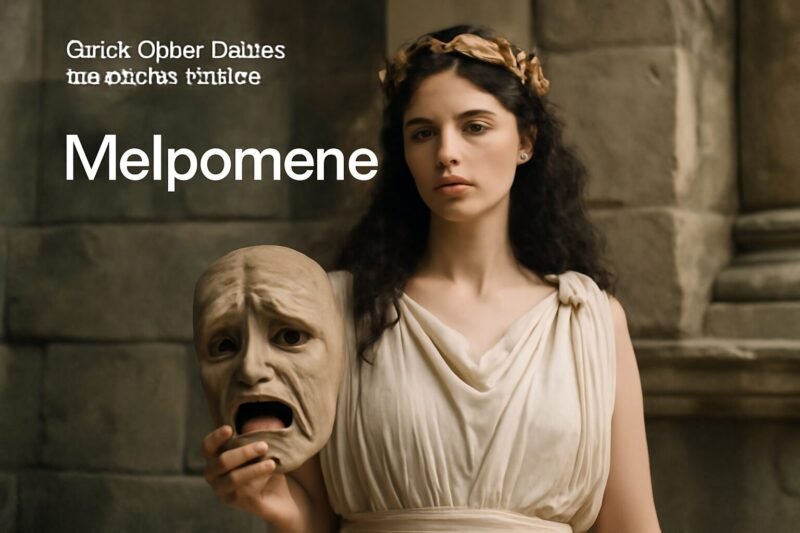
Melpomene: The Muse of Tragedy
In Greek mythology, Melpomene stands as one of the nine Muses, the divine daughters of Zeus and Mnemosyne (the goddess of memory). Her name, derived from the Greek word melpô, meaning "to celebrate with song," reflects her role as the Muse of tragedy—though she was originally associated with music and singing before becoming the patron of dramatic sorrow.
Symbols and Depictions
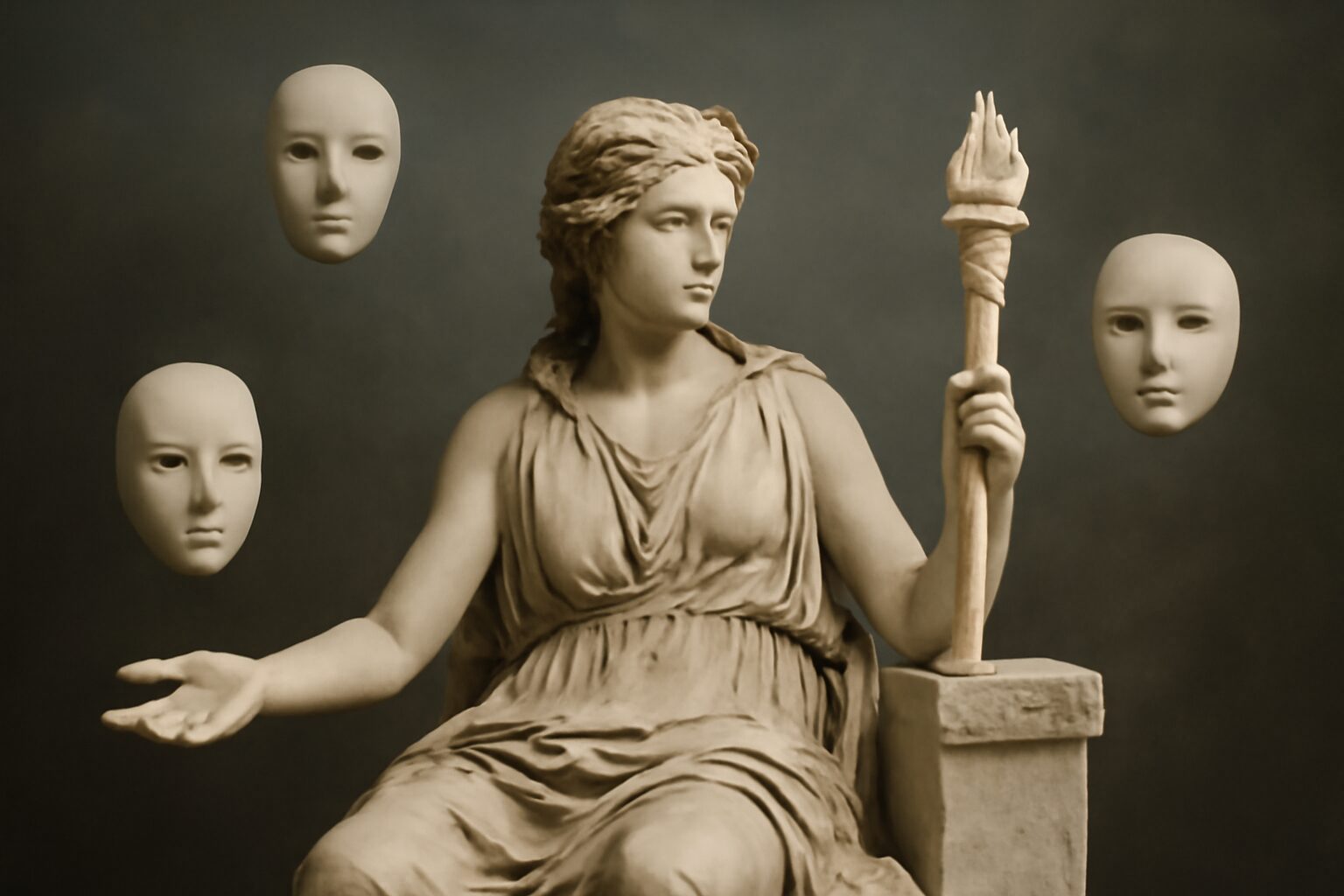
Melpomene is often depicted holding a tragic mask in one hand and a club or sword in the other, symbolizing the weight of human suffering. She wears the cothurnus, the elevated boots worn by tragic actors in ancient Greek theater, emphasizing her connection to dramatic arts. Her presence was believed to inspire poets and playwrights to craft stories of profound emotional depth.
Role in Mythology
As the Muse of Tragedy, Melpomene presided over the most sorrowful and dramatic tales of Greek literature. She was invoked by tragedians like Aeschylus, Sophocles, and Euripides, who sought her guidance to create works exploring fate, hubris, and human suffering. Alongside her sisters—such as Thalia, the Muse of comedy—Melpomene balanced the spectrum of theatrical expression.
Relationships and Legacy
Melpomene was sometimes said to be the mother of the Sirens, the enchanting creatures whose songs lured sailors to their doom, reinforcing her association with sorrowful narratives. Her influence extended beyond Greece, inspiring Roman poets and later Renaissance artists who revived classical traditions. Today, her name endures in the word melpomene, used to describe tragic themes in literature and art.
Though less celebrated than some Olympian gods, Melpomene's legacy lives on in the timeless power of tragic storytelling—reminding us of the beauty and catharsis found in humanity's deepest sorrows.
Alternative Names for Melpomene
God Name: Melpomene (Roman)
In Roman mythology, Melpomene retains the same name as in Greek mythology. She is the Muse of tragedy, often depicted holding a tragic mask and wearing buskins.
God Name: Melpomene Tragodia (Greek (Epithet))
An epithet emphasizing her role as the Muse of tragedy ('Tragodia' meaning tragedy in Greek). This highlights her specific domain among the Muses.
God Name: The Songstress (Greek (Poetic))
A poetic reference to Melpomene, derived from her name's etymology ('melpo' meaning 'to sing' or 'to celebrate with dance and song'). This reflects her connection to choral performance in tragic theater.
Tales about Melpomene
Melpomene and the Lament of Thanatos
In the shadowed halls of the underworld, Melpomene, the Muse of Tragedy, once wandered near the banks of the Styx, her heart heavy with the sorrows of mortals. There, she encountered Thanatos, the gentle god of peaceful death, who was collecting the soul of a fallen hero. Moved by the solemn beauty of his duty, Melpomene composed a haunting elegy, her voice weaving a tapestry of grief and honor. Thanatos, rarely stirred by emotion, paused and listened, his grim visage softening. From that day, it is said that the most poignant tragedies carry the echo of their meeting—a blend of inevitable end and profound respect for life’s fleeting beauty.
The Colors of Sorrow
- Dark Crimson: The blood of heroes spilled in vain
- Slate Gray: The shroud of Thanatos' wings
- Midnight Blue: The eternal twilight where their paths crossed
Melpomene’s Pact with Nemesis
When hubris threatened to unravel the moral fabric of humanity, Melpomene sought out Nemesis, the goddess of retribution. Together, they devised a powerful lesson: a tragic play depicting a king’s fall from grace, driven by arrogance and defiance of the gods. Melpomene poured her artistry into the narrative, crafting characters whose flaws mirrored the mortals’ follies, while Nemesis ensured that justice was meted out with poetic precision. The play premiered during the Great Dionysia, leaving audiences weeping yet wiser. This collaboration became legendary, reminding all that tragedy is not merely entertainment but a divine tool for balance and introspection.
Elements of Their Alliance
- The Script: Woven with fatal flaws and inevitable consequences
- The Stage: Set where pride and fate collide
- The Audience: Mortals who saw themselves in the downfall
Frequently Asked Questions
Who is Melpomene in Greek mythology?
Melpomene is one of the nine Muses in Greek mythology, specifically the Muse of tragedy. She is often depicted holding a tragic mask and wearing cothurnus boots, symbols of her domain over dramatic arts.
What does the name Melpomene mean?
The name Melpomene comes from the Greek word 'melpo' or 'melpomai,' which means 'to celebrate with dance and song.' This reflects her role as a Muse inspiring the arts, particularly tragic theater.
Why is Melpomene important in Greek culture?
Melpomene represents the cultural importance of tragedy in ancient Greece. Tragic plays were not just entertainment but also a way to explore human suffering, morality, and the relationship between humans and gods, making her a significant figure in Greek artistic and philosophical traditions.
How is Melpomene depicted in art?
Melpomene is usually shown holding a tragic mask, symbolizing her connection to theater. She may also carry a knife or club (representing tragic outcomes) and wear cothurnus boots, which were worn by actors in Greek tragedies to elevate their stature.
What can we learn from Melpomene today?
Melpomene reminds us of the enduring power of storytelling, especially tragic narratives, to evoke empathy and reflection. Her legacy highlights how art can help us process complex emotions and societal issues, much like modern films, books, and theater do today.