Euphrosyne: The Joyful Grace of Greek Mythology
Euphrosyne, whose name means "mirth" or "joy", was one of the three Charites (Graces) in Greek mythology, embodying the spirit of happiness, delight, and celebration. Alongside her sisters Aglaea (Splendor) and Thalia (Good Cheer), Euphrosyne represented the lighter, more joyful aspects of life, often associated with festivities, dancing, and the pleasures of human existence.
Role and Significance
As one of the Charites, Euphrosyne played a vital role in spreading joy and harmony among both gods and mortals. The Graces were frequently depicted in art and poetry as attendants of Aphrodite, the goddess of love, enhancing her influence by bringing charm and delight to relationships. They were also closely linked to Apollo, the god of music and the arts, as their presence was believed to inspire creativity and merriment.
Euphrosyne and her sisters were often shown dancing in a circle, hand in hand, symbolizing the interconnectedness of beauty, joy, and abundance. Their grace and elegance made them beloved figures in Greek culture, representing ideals of harmony and goodwill.
Powers and Attributes
Euphrosyne's primary power was her ability to bestow joy and lightheartedness. Unlike other deities associated with more serious or destructive forces, she and her sisters brought an uplifting energy to the world. They were invoked during celebrations, weddings, and feasts to ensure happiness and goodwill among participants.
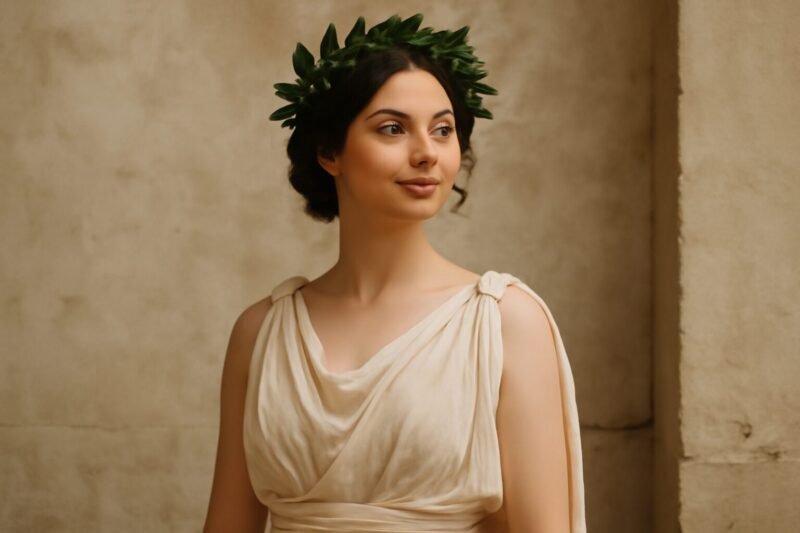
In artistic representations, Euphrosyne is often depicted with a radiant smile, wearing flowing garments, and sometimes holding flowers or musical instruments. Her presence was a reminder of life's pleasures and the importance of cherishing moments of happiness.
Relationships and Worship
Euphrosyne and her sisters were daughters of Zeus and the Oceanid Eurynome, though some myths suggest alternate parentage, such as Dionysus and Aphrodite. Their close association with Aphrodite reinforced their role in love and beauty, while their connection to Dionysus tied them to revelry and festivity.
Though not as widely worshiped as major Olympian gods, the Charites had cults in places like Orchomenos, where they were honored with dances and offerings. Their influence extended beyond Greece, inspiring Roman adaptations (the Gratiae) and later Renaissance art, where they symbolized the ideal of grace.
Euphrosyne's legacy endures as a reminder of the timeless human desire for joy and connection—a divine embodiment of the laughter and warmth that enrich life.
Alternative Names for Euphrosyne
God Name: Euphrosyne (Roman)
Euphrosyne is the Greek name, but in Roman mythology, she is also referred to by the same name, as the Romans often adopted Greek deities with minimal name changes. She is one of the three Graces (Charites) alongside Aglaea and Thalia.
God Name: u0395u1f50u03c6u03c1u03bfu03c3u03cdu03bdu03b7 (Greek)
This is the original Greek name of the goddess, meaning 'mirth' or 'joy.' She is one of the Charites, daughters of Zeus and Eurynome, and represents cheerfulness and delight.
God Name: Gratiae (Roman)
While not a direct alternative name for Euphrosyne, the term 'Gratiae' refers to the collective Roman name for the three Graces (Charites), which includes Euphrosyne. The name emphasizes their role as goddesses of grace and beauty.
God Name: Charis (Greek)
Although 'Charis' can refer to one of the other Graces, it is sometimes used generically for any of the three, including Euphrosyne. The term means 'grace' or 'kindness' in Greek.
Tales about Euphrosyne
Euphrosyne and Dionysus: The Joy of the Vine
In the midst of a grand festival on Mount Nysa, Dionysus, the god of wine and ecstasy, noticed that the revelers, though merry, lacked a certain lightness of heart. Their celebrations were fervent but missing the pure, unburdened joy that makes festivities truly memorable. Sensing this, Dionysus summoned Euphrosyne, the embodiment of mirth and joy.
A Dance of Uninhibited Delight
Euphrosyne descended with a laugh that rang like silver bells, her presence immediately lifting the atmosphere. She wove through the crowd, her touch turning strained smiles into genuine laughter and weary dances into spirited whirls. Dionysus, impressed, joined her, and together they led a dance that became legendary. Where Dionysus provided the wine that loosened inhibitions, Euphrosyne provided the joy that made every heart light and every moment cherished. Their collaboration taught mortals that true celebration is found not just in indulgence, but in the pure, shared happiness that Euphrosyne embodies.
Euphrosyne and Hermes: The Laughter of the Swift
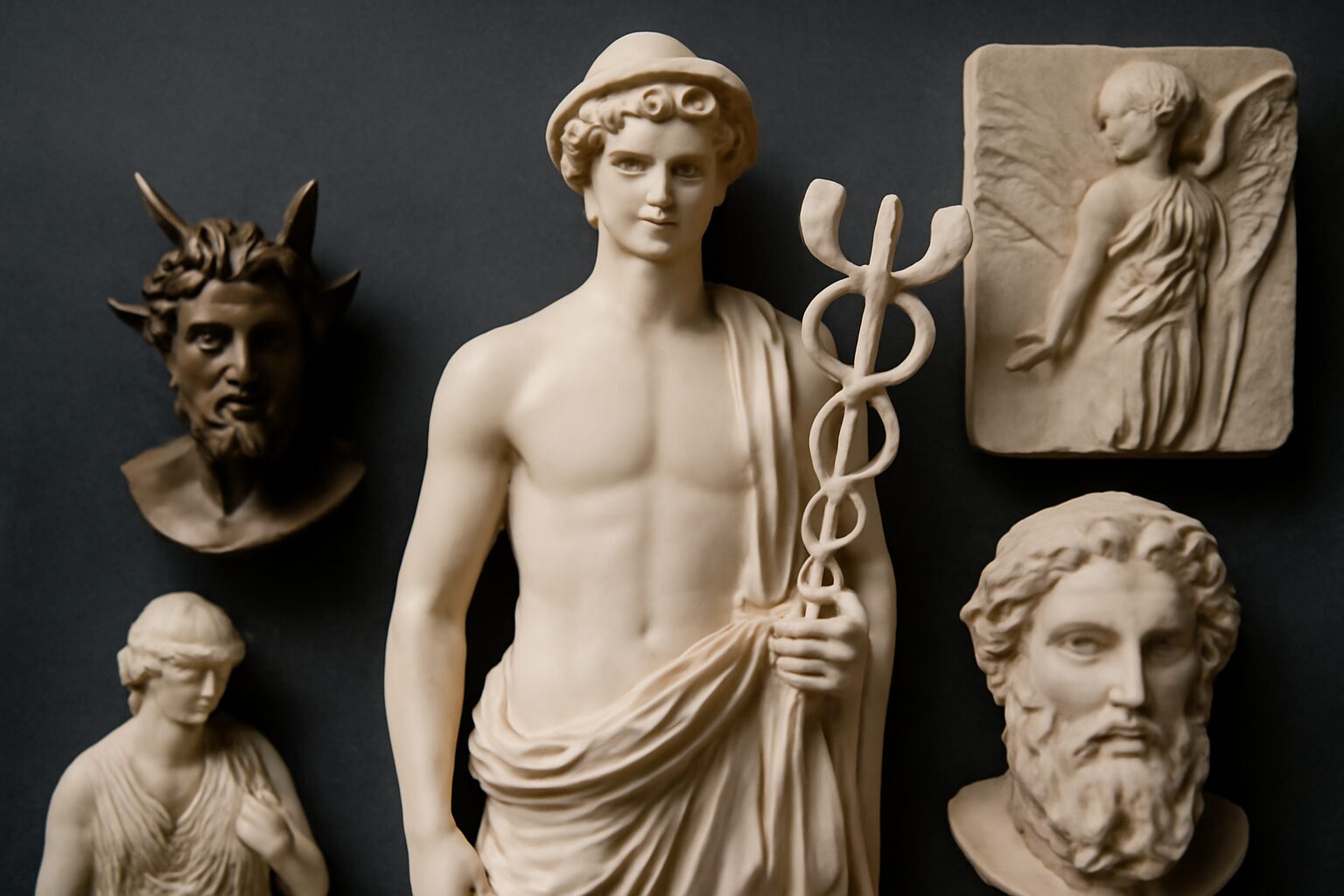
One day, Hermes, the clever messenger god, found himself weighed down by the solemn duties of delivering prophecies and guiding souls. His usual wit and speed felt burdened, and even his mischievous spirit waned. Seeking a remedy, he approached Euphrosyne, knowing her talent for uplifting the heaviest of hearts.
A Race of Lightness and Laughter
Euphrosyne, ever cheerful, challenged Hermes to a race—but not of speed alone. "Let us see who can spread the most laughter as we go," she proposed. Hermes, intrigued, agreed. As they darted across the mortal world, Hermes used his cunning to play light pranks that brought surprised chuckles, while Euphrosyne sprinkled genuine joy in her wake, making children giggle and elders smile. Though Hermes was swifter, Euphrosyne’s joy touched more hearts. In the end, Hermes realized that his quickness was best paired with her lightness, and from then on, he often carried a spark of her mirth on his journeys, making his messages not just swift, but sweet.
Frequently Asked Questions
Who is Euphrosyne in Greek mythology?
Euphrosyne is one of the three Charites (Graces) in Greek mythology, representing joy, mirth, and cheerfulness. She is often depicted alongside her sisters Aglaea (splendor) and Thalia (good cheer) as companions of the gods.
What does the name Euphrosyne mean?
The name Euphrosyne comes from the Greek word 'euphrosynu0113,' which translates to 'merriment' or 'joy.' It reflects her role as the embodiment of happiness and delight in Greek mythology.
Why were the Charites like Euphrosyne important in Greek culture?
The Charites, including Euphrosyne, were important because they symbolized the ideals of beauty, joy, and grace, which were highly valued in Greek society. They were often invoked in art, poetry, and rituals to bring harmony and pleasure to human life.
How is Euphrosyne depicted in ancient art?
Euphrosyne is typically depicted as a youthful and graceful figure, often dancing or holding flowers. She is usually shown with her sisters, the Charites, in scenes that emphasize beauty, festivity, and divine favor.
What can we learn from Euphrosyne's mythology today?
Euphrosyne's mythology reminds us of the importance of joy and positivity in life. Her representation encourages people to embrace happiness, celebrate moments of delight, and appreciate the lighter, more joyful aspects of human experience.