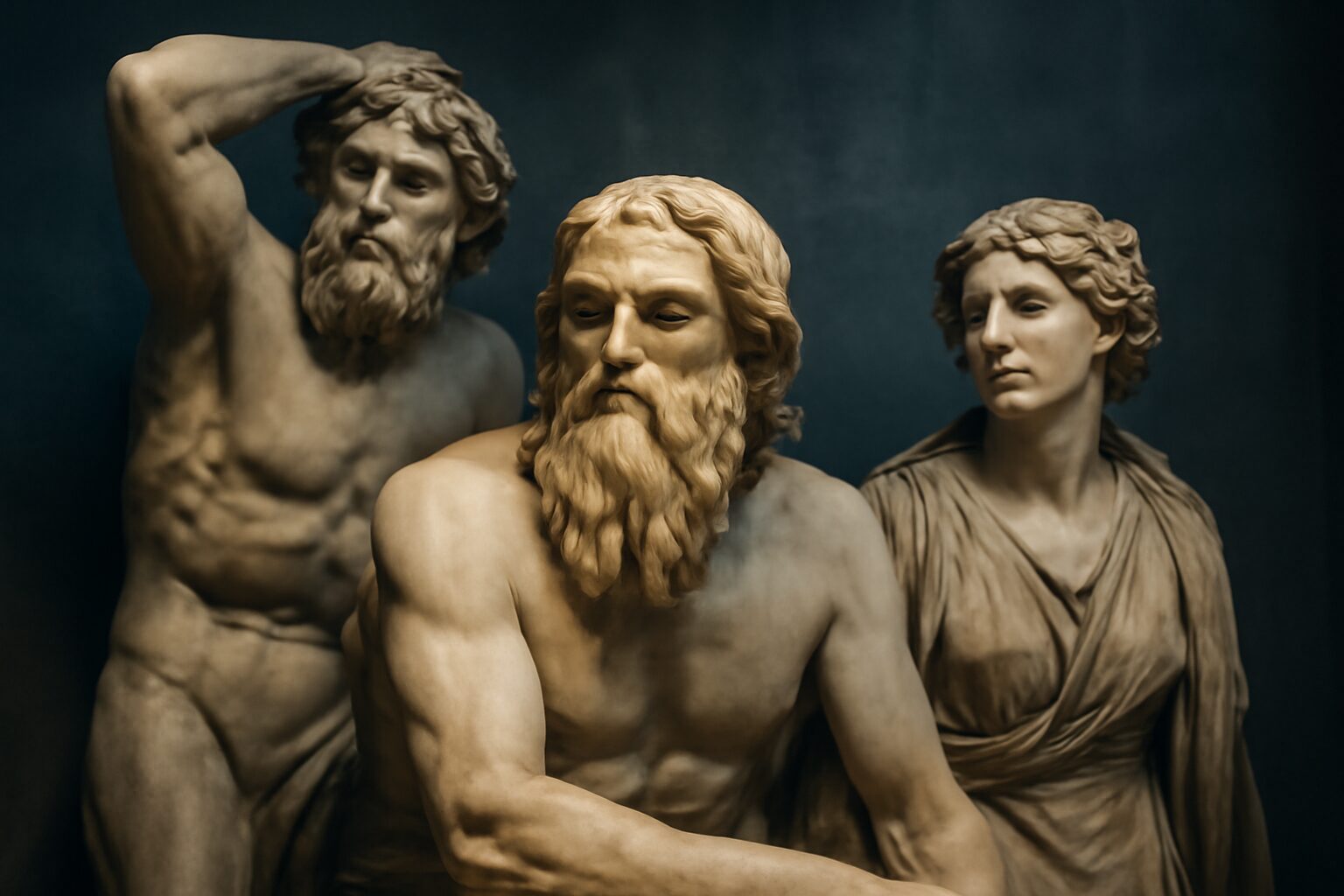

Astraea: The Starry Goddess of Justice
In Greek mythology, Astraea was the virgin goddess of justice, innocence, and purity. Her name means "star-maiden" or "starry night," linking her to the celestial realm. Often depicted holding scales and a torch, she symbolized fairness and moral order in both divine and human affairs.
Mythology and Role
According to legend, Astraea was the daughter of Zeus and Themis (the Titaness of divine law), making her a bridge between the old Titan order and the Olympian gods. She lived among humans during the Golden Age, a time of peace and prosperity. However, as humanity grew corrupt, she ascended to the heavens, where she became the constellation Virgo. Some myths say she held the nearby constellation Libra (the scales) as her symbol.
Powers and Symbolism
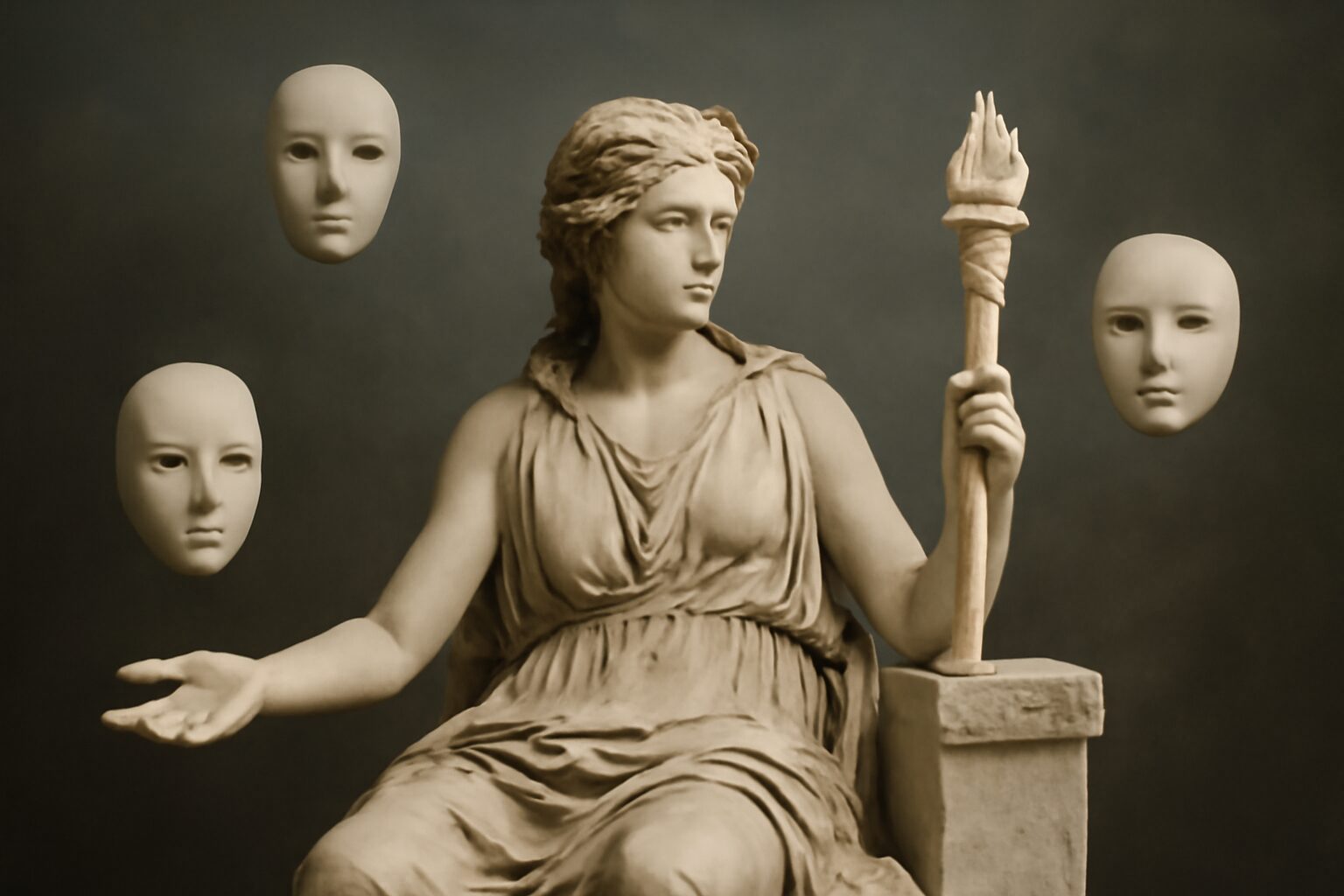
Astraea was revered for her unwavering moral clarity. Unlike other gods who often acted on whims, she embodied absolute justice. Her scales weighed truth against falsehood, and her torch illuminated the path of righteousness. In art, she was often shown with wings, emphasizing her divine nature and eventual flight from Earth.
Relationships and Legacy
As part of the Themis-Athena-Astraea triad, she represented the evolution of justice—from cosmic order (Themis) to strategic wisdom (Athena) to pure moral integrity (Astraea). Unlike her mother Themis, who advised Zeus, Astraea chose to leave rather than compromise her ideals. Her departure marked the end of humanity's Golden Age, a poignant reminder of lost innocence.
Today, Astraea’s legacy endures in astronomy, literature, and even modern symbolism—her scales inspired the emblem of many judicial systems. She remains a timeless emblem of hope, with myths suggesting she will one day return to restore justice to the world.
Alternative Names for Astraea
God Name: Astraea (Roman)
In Roman mythology, Astraea is the same goddess as in Greek mythology, representing justice and innocence. The name was directly adopted from Greek without significant alteration.
God Name: Astraia (Greek)
An alternative Greek spelling of Astraea, often used in poetic or older texts. It retains the same meaning and mythological significance.
God Name: Virgo (Roman)
In Roman mythology, Astraea is sometimes associated with the constellation Virgo, and thus referred to by this name. The connection stems from her purity and association with the heavens.
God Name: Dike (Greek)
In some Greek traditions, Astraea is conflated with Dike, the goddess of moral justice. This name emphasizes her role in upholding fairness and order.
Tales about Astraea
Astraea and Themis: The Last Guardians of Justice
In the waning days of the Golden Age, when humanity began to stray from virtue, Astraea remained on Earth as the last divine being upholding justice. She worked closely with her mother, Themis, the Titaness of divine law and order. Together, they traveled through mortal settlements, settling disputes and reminding humans of their sacred duties.
The Final Judgment
One notable case involved a wealthy landowner who had unjustly seized property from orphaned siblings. Themis presided over the trial while Astraea collected evidence, revealing how the man had manipulated legal documents. When Themis rendered her verdict—ordering full restitution and additional compensation—Astraea ensured the ruling was carried out precisely, weighing the restitution on her scales until balance was achieved.
This partnership became legendary, symbolizing the inseparable bond between cosmic order (Themis) and implemented justice (Astraea).
Astraea and Dike: The Heavenly Scales
As corruption spread during the Iron Age, Astraea found an ally in her sister Dike, the spirit of moral justice. While Astraea focused on institutional fairness, Dike handled retributive justice for personal wrongs. They developed a system where Dike would identify injustices and Astraea would administer balanced resolutions.
The Constellation Project
When humanity became irredeemably corrupt, the sisters made a pact. Dike ascended first to become the constellation Virgo, while Astraea soon followed, transforming her scales into the constellation Libra. From their celestial positions, they continued to watch over humanity, their stars shining brightest when justice prevailed in mortal affairs.
To this day, these constellations remind us that justice—both personal and societal—always finds its way back to balance.
In her celestial duties, Astraea occasionally collaborated with other divine figures who embodied aspects of order and virtue. She sometimes worked with Eusebeia, the personification of piety, to ensure proper reverence accompanied just actions. When dealing with matters of truth and evidence, she consulted Pistis, the spirit of trust and good faith. During particularly complex legal proceedings, she sought the counsel of Sophrosyne, who represented moderation and self-control. And in matters requiring divine oaths, she deferred to Horkos, the guardian of solemn promises.
Frequently Asked Questions
Who is Astraea in Greek mythology?
Astraea is the Greek goddess of justice, innocence, and purity. She is often associated with the constellation Virgo and was said to have lived among humans during the Golden Age but left Earth as humanity became more corrupt.
Why is Astraea important in Greek mythology?
Astraea symbolizes the ideal of justice and moral integrity. Her departure from Earth marks the end of the Golden Age, serving as a mythological explanation for the decline of human virtue and the rise of chaos and injustice.
What can we learn from the story of Astraea?
Astraea's story teaches the importance of justice, purity, and moral values. It reflects the Greek belief in a lost golden era and serves as a reminder of the consequences when society abandons these virtues.
How does Astraea's myth apply to modern times?
Astraea's myth resonates today as a symbol of the ongoing struggle for justice and ethical behavior. It encourages people to strive for fairness and integrity, even in challenging or corrupt environments.
Is Astraea related to any other Greek gods or figures?
Astraea is often considered the daughter of Zeus and Themis, the goddess of divine law. She is closely linked to Dike, the goddess of mortal justice, and sometimes the two are conflated or seen as aspects of the same concept.