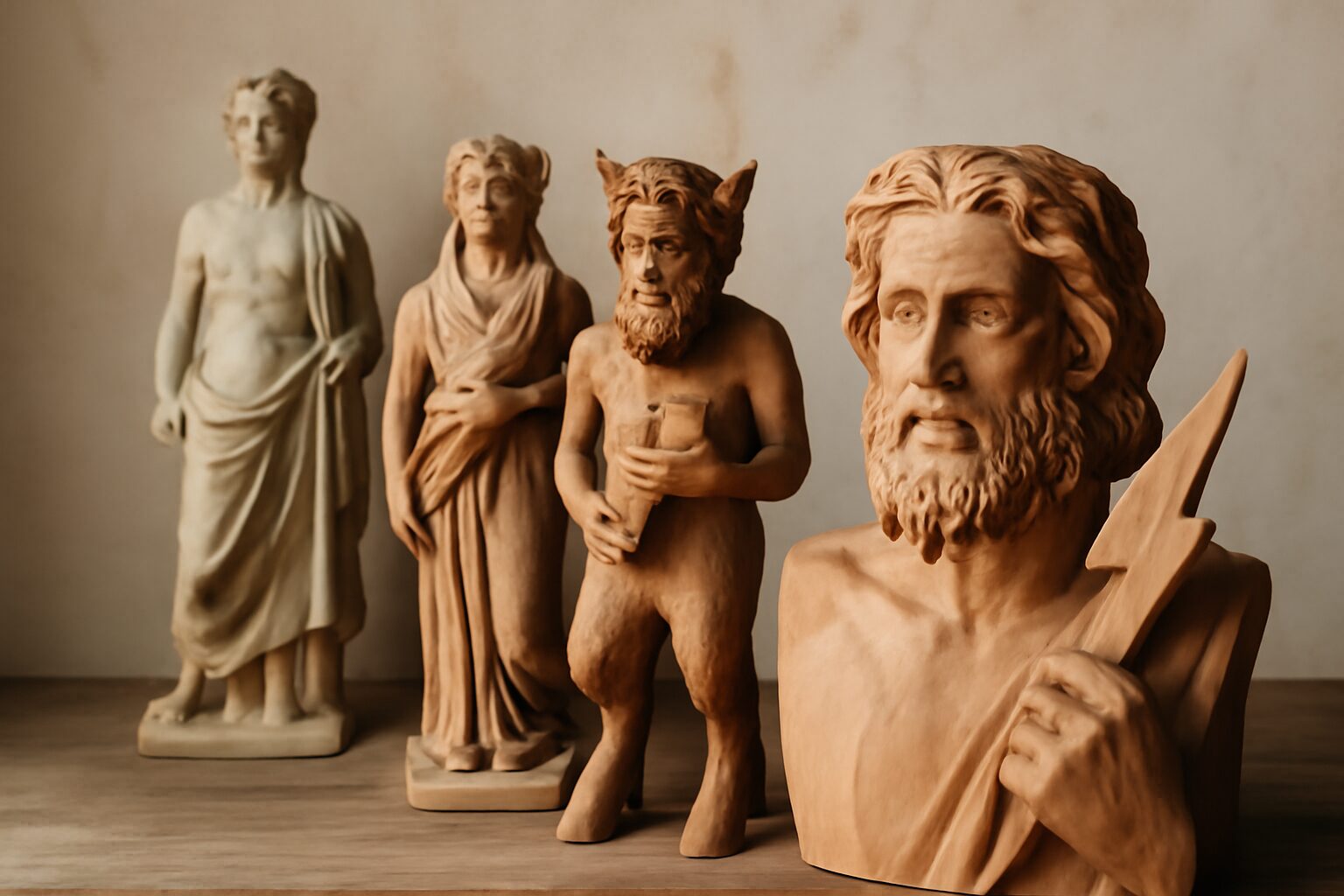
Greek
Some Greek
Aceso
Aceso, the goddess of the healing process, represents the gradual recovery from illness or injury. Her name derives from the Greek word "akesis," meaning "healing" or "curing." In Greek mythology, she is often associated with the broader aspects of health and wellness, embodying the gentle, restorative power of medicine. Learn more about Aceso.
Aether
Aether is the primordial deity of the upper air, the pure, bright air that the gods breathe. His name comes from the Greek "aithēr," meaning "upper air" or "bright, glowing sky." Aether represents the celestial light and the atmosphere above the earth, distinct from the lower air (aer) breathed by mortals. Discover more about Aether.
Apollo
Apollo, one of the most revered Olympian gods, is associated with music, prophecy, healing, and the sun. His name may derive from the Greek word "apollymi," meaning "to destroy," reflecting his role as a god who could bring plague, or from "apellai," referring to ancient Spartan assemblies. Apollo's domains highlight the duality of creation and destruction in Greek thought. Explore Apollo further.
Artemis
Artemis, the goddess of the hunt, wilderness, and childbirth, is Apollo's twin sister. Her name's etymology is uncertain but may relate to the Greek word "artemes," meaning "safe" or "unharmed," or "artamos," meaning "butcher." She embodies both the protective and wild aspects of nature. Read more about Artemis.
Athena
Athena, the goddess of wisdom, warfare, and crafts, is often linked to the city of Athens. Her name is thought to come from the pre-Greek language, but it is associated with the city she patronized. Athena represents strategic warfare and intellectual pursuits, contrasting with Ares' brute force. Learn about Athena in detail.
Chaos
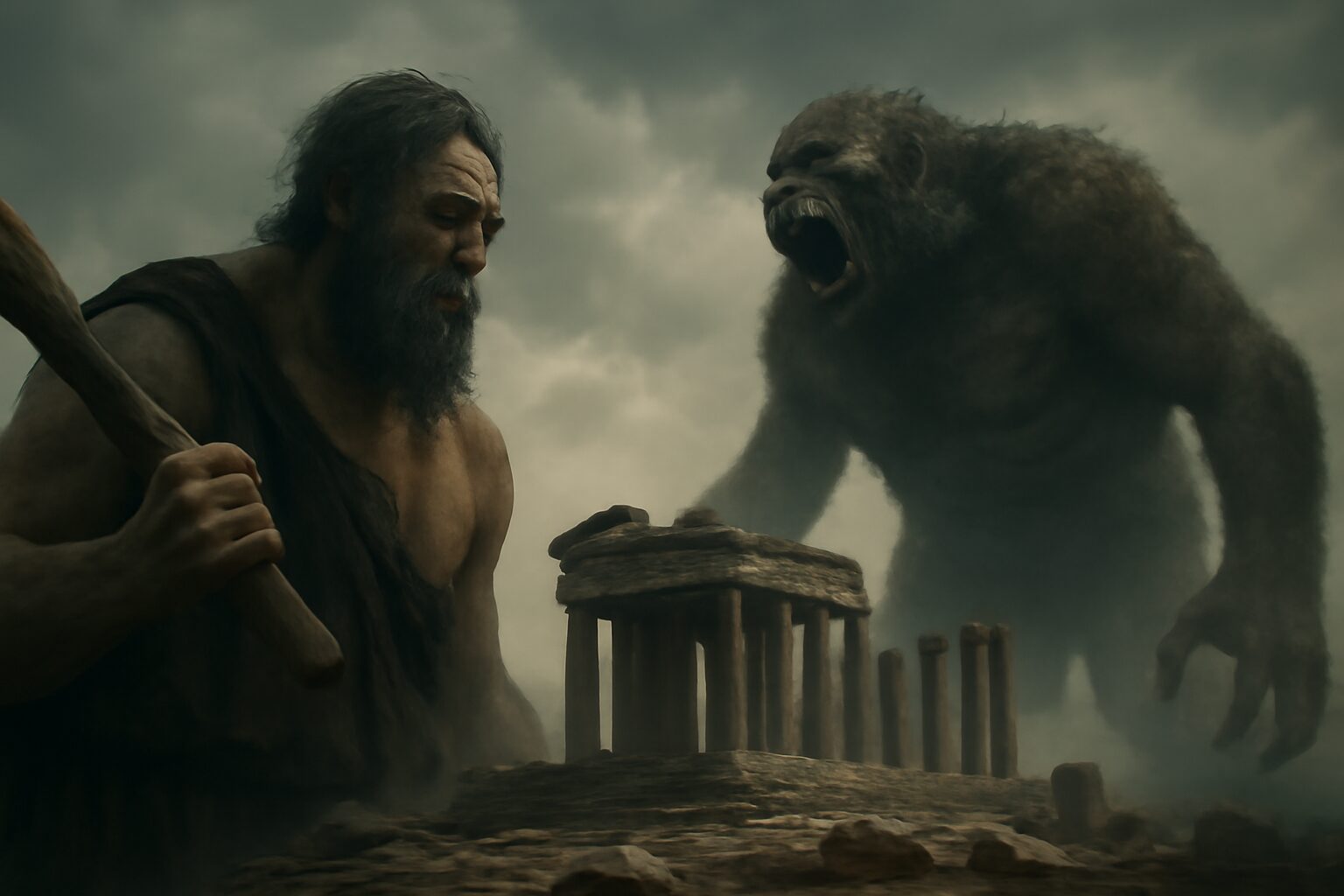
Chaos is the primordial void from which all existence emerged in Greek mythology. The name "Chaos" comes from the Greek "khaos," meaning "gap" or "chasm." It represents the formless state before the creation of the universe, a concept that has influenced philosophical and scientific thought. Discover Chaos.
Demeter
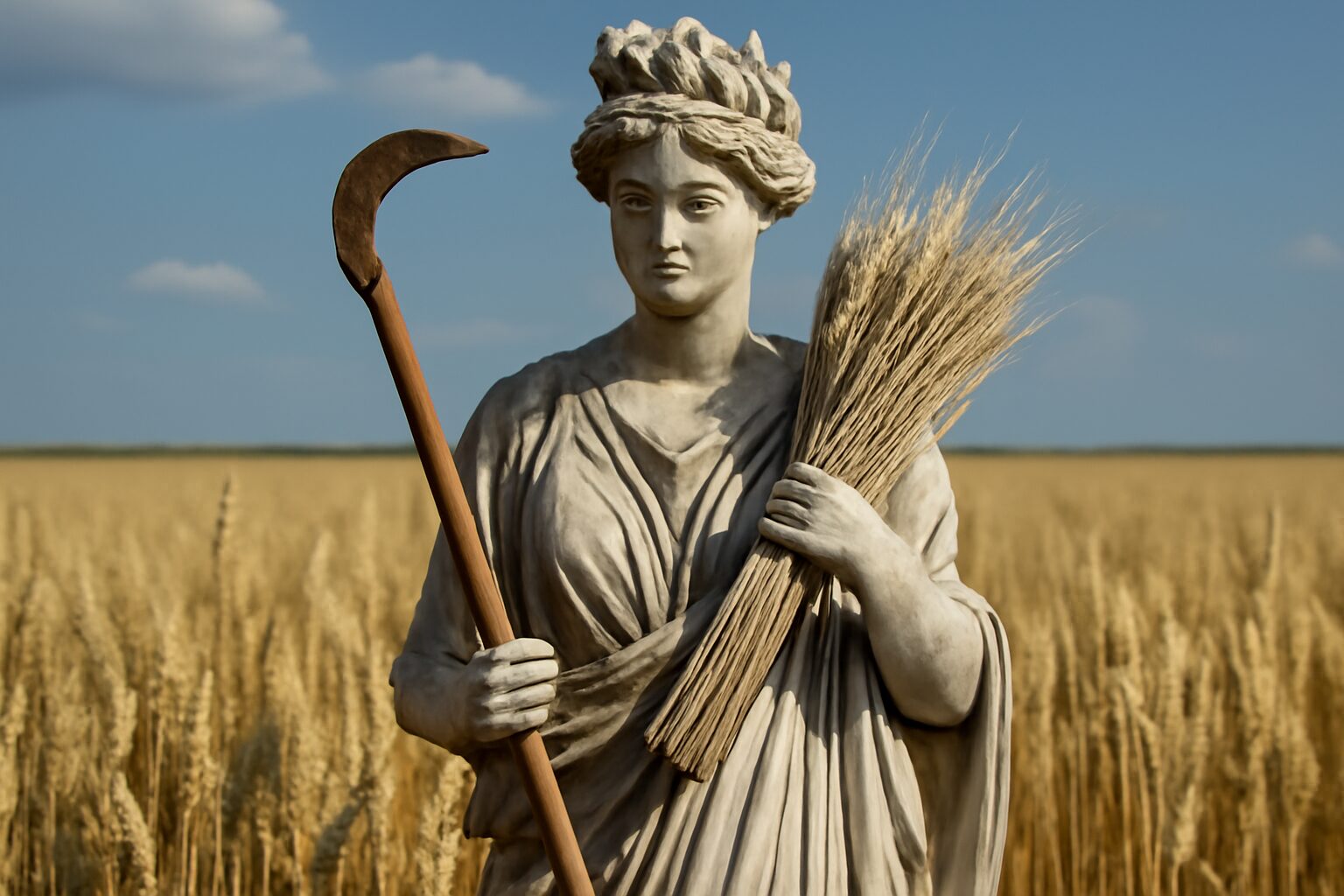
Demeter, the goddess of agriculture and harvest, ensures the fertility of the earth. Her name is often interpreted as "Earth Mother," from the Greek words "de" (earth) and "meter" (mother). She is central to the myth of Persephone, explaining the seasons. Explore Demeter.
Dionysus
Dionysus, the god of wine, ecstasy, and theater, represents both joy and madness. His name may derive from "Dios" (of Zeus) and "nysa" (a mythical mountain), linking him to his birth story. Dionysus's cult emphasized liberation through ritual and celebration. Read more about Dionysus.
Gaia (Gaea)
Gaia is the primordial goddess of the Earth, from whom all life springs. Her name comes from the Greek "gaia" or "ge," meaning "earth." She is the mother of the Titans, Giants, and other primordial beings, embodying the nurturing and formidable power of nature. Learn about Gaia.
Zeus
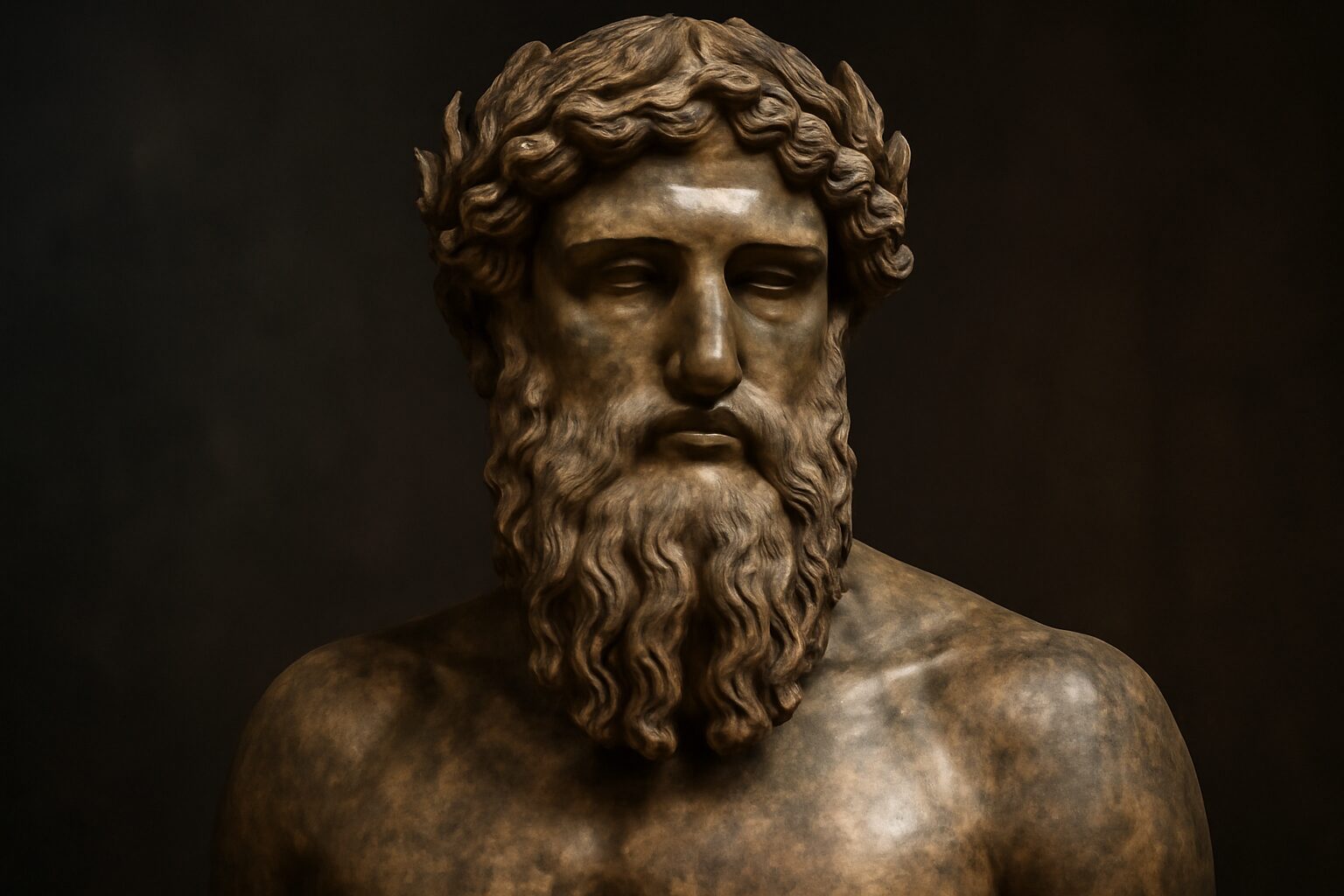
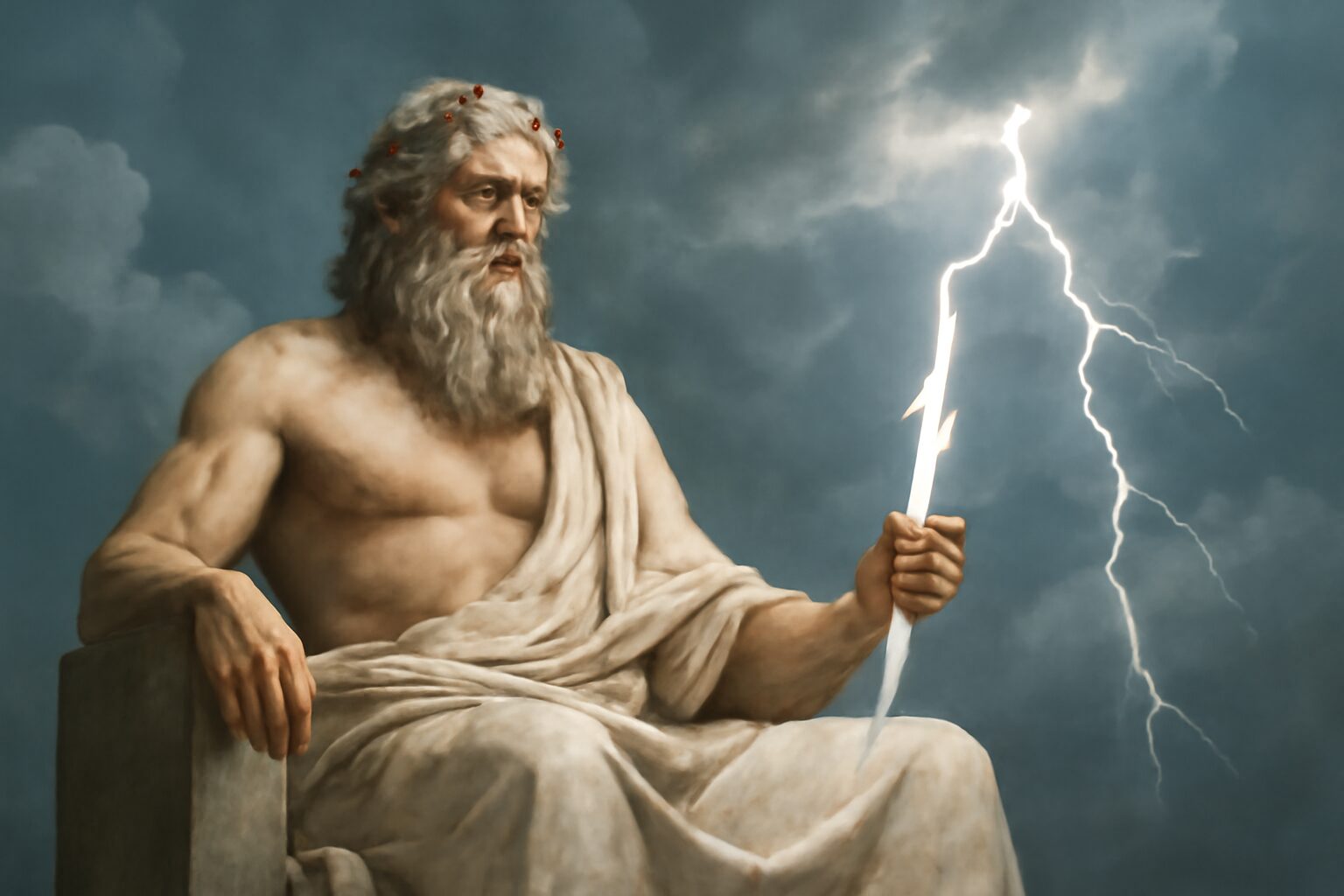
Zeus, the king of the gods and ruler of Mount Olympus, is associated with sky, thunder, and justice. His name is derived from the Proto-Indo-European root *dyeu-, meaning "to shine," reflecting his connection to the sky and daylight. Zeus's authority and myths are central to Greek religion. Discover Zeus.
Frequently Asked Questions
Who is Zeus in Greek mythology?
Zeus is the king of the Greek gods and ruler of Mount Olympus. He is the god of the sky, lightning, and thunder, and is known for his power and authority over both gods and mortals.
Why is Greek mythology important?
Greek mythology is important because it provides insight into ancient Greek culture, values, and beliefs. Many modern stories, art, and even psychological concepts are influenced by these myths, making them foundational to Western thought.
What is the story of Pandora's Box?
Pandora's Box is a myth about the first woman, Pandora, who was given a box (or jar) and told not to open it. Out of curiosity, she opened it, releasing all the evils into the world, but hope remained inside, teaching a lesson about human nature and consequences.
How do Greek myths apply to modern life?
Greek myths apply to modern life by offering timeless lessons about human behavior, morality, and the consequences of actions. They also inspire literature, movies, and even scientific terms, showing their lasting impact.
Who are the 12 main Greek gods?
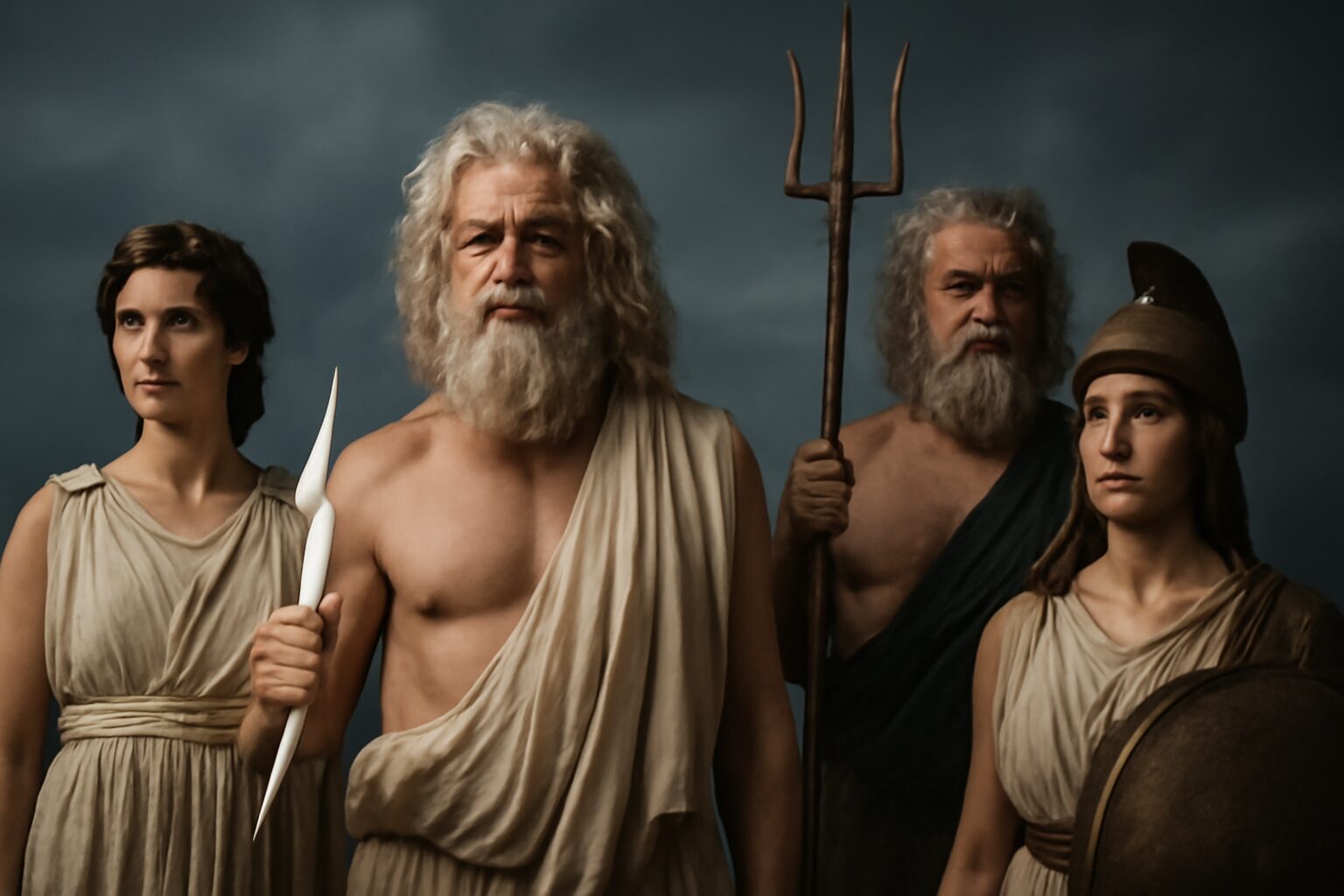
The 12 main Greek gods, known as the Olympians, are Zeus, Hera, Poseidon, Demeter, Athena, Apollo, Artemis, Ares, Aphrodite, Hephaestus, Hermes, and either Dionysus or Hestia, depending on the tradition.
Greek mythology and deities